


Explore our premium selection of precision-engineered cartridge mechanical seals and replacement components designed to keep your industrial operations running smoothly.
In modern process industries, the transition from traditional component-based packing and mechanical seals to integrated cartridge assemblies has revolutionized operational reliability. A cartridge mechanical seal is a self-contained unit comprising the seal faces, gland, sleeve, and hardware, pre-assembled and pre-set. This eliminates installation alignment errors, which account for over 60% of premature seal failures.
At the beating heart of these advanced cartridge systems lies the seal ring. The choice of material for the mating and primary faces directly determines the seal's tolerance to heat, pressure, corrosion, and wear. Silicon Carbide (SiC) has emerged as the premier material of choice, replacing carbon-graphite and alumina ceramics in demanding applications.
Silicon Carbide is a synthetic compound characterized by its covalent bonding, which imparts exceptional hardness (second only to diamond), high thermal conductivity, and outstanding chemical inertness. When integrated as a seal ring in cartridge configurations, SiC provides an impenetrable barrier against fluid migration under severe pressures and velocities.
Whether handling abrasive slurries in mining, aggressive acids in chemical synthesis, or high-temperature hydrocarbons in oil refineries, SiC seal rings offer the low friction coefficient and structural stability required to maintain fluid film integrity between the dynamic mating faces.
Not all Silicon Carbide seal rings are created equal. Depending on the manufacturing process, SiC behaves differently under thermal and mechanical stresses. For industrial cartridge seals, two primary types are utilized:
Sintered SiC is produced by pressureless sintering of sub-micron SiC powder at temperatures exceeding 2000°C. It contains no free silicon, resulting in a single-phase material with maximum chemical resistance across the entire pH scale (0 to 14). SSiC is highly recommended for strong acids, caustic solutions, and extreme temperature applications. Its high thermal conductivity prevents hot spots on the seal faces, reducing the risk of thermal cracking.
Reaction-bonded SiC is produced by infiltrating a porous compact of SiC and carbon with molten silicon. The reaction produces new SiC that bonds the original particles together, leaving a remainder of 10-15% free metallic silicon. RBSiC is highly cost-effective and exhibits superior fracture toughness and thermal shock resistance compared to SSiC. However, the presence of free silicon limits its use in highly acidic environments, as acids can leach the metallic silicon phase.
Engineers designing cartridge mechanical seals must weigh these material differences. For instance, when designing a cartridge seal for a slurry pump handling acidic tailings, SSiC is favored for its chemical resistance. Conversely, for large-diameter shafts experiencing rapid thermal fluctuations, the thermal shock resistance of RBSiC may prevent catastrophic face fracturing. Many modern cartridge designs utilize a pairing of SSiC versus Carbon for low-friction, dry-running tolerance, or SSiC versus SSiC for highly abrasive environments where carbon would wear away prematurely.
Silicon Carbide cartridge seals are deployed across critical infrastructure sectors. Below, we analyze how SiC seal rings resolve specific operational challenges in these harsh environments.
Chemical plants handle highly volatile, hazardous, and corrosive fluids. Cartridge seals equipped with SSiC seal rings ensure zero emissions, complying with strict environmental mandates such as EPA regulations. The chemical inertness of SSiC prevents corrosion-induced face degradation, which otherwise leads to micro-gaps and subsequent leaks. In hydrocarbon processing, where temperatures fluctuate widely, the low thermal expansion of SiC maintains flat seal faces, preventing distortion and leakage during thermal cycling.
The pulp and paper manufacturing process involves thick fibrous slurries, chemical liquors, and abrasive fillers like titanium dioxide. Standard mechanical seals quickly fail due to fiber buildup and face scoring. Cartridge seals utilizing SSiC vs. SSiC faces provide the necessary hardness to crush incoming particles without damaging the sealing surface. The cartridge design allows for flushing arrangements (API Plan 11 or 32) to keep the faces cool and clear of pulp accumulation.
Seawater is highly corrosive and contains suspended sand particles. Marine propulsion systems and bilge pumps require reliable sealing to prevent vessel flooding and environmental contamination. SiC seal rings, particularly when paired with high-grade elastomers in cartridge assemblies, withstand the corrosive brackish water and continuous vibrations of marine engines. Their high wear resistance ensures long maintenance-free intervals, critical for vessels operating on extended ocean voyages.
Desalination plants operate high-pressure reverse osmosis pumps handling high-salinity brine. The combination of high pressure and corrosive chloride ions makes standard stainless steel and ceramic seals obsolete. Sintered Silicon Carbide cartridge seals offer the mechanical strength to withstand pressures up to 80 bar while resisting crevice and pitting corrosion. This ensures continuous municipal water supply with minimal maintenance overhead.
As industries transition toward Industry 4.0, predictive maintenance is becoming standard practice. Cartridge seals are increasingly being integrated with sensors that monitor temperature, pressure, and vibration directly at the seal gland. Because Silicon Carbide has predictable thermal and mechanical properties, changes in the seal face temperature can be accurately mapped to fluid film vaporization or dry running. This allows operators to adjust process parameters before a catastrophic seal blow-out occurs.
Furthermore, the demand for Diamond-Like Carbon (DLC) and crystalline diamond coatings on SiC substrates is rising. These coatings reduce the friction coefficient by up to 50%, enabling dry-running capabilities during process upsets and dramatically extending the lifetime of cartridge seals in low-lubricity fluids like liquified gases.
The global mechanical seal market is expanding, driven by infrastructure growth in developing nations and strict environmental regulations in North America and Europe. Industrial users are calculating the Total Cost of Ownership (TCO) rather than initial purchase price. While SiC cartridge seals represent a higher upfront investment compared to component seals, the reduction in downtime, water consumption (for seal flushing), and hazardous product loss results in a rapid return on investment.
Additionally, manufacturers are focusing on refurbishing and recycling SiC seal rings. High-quality cartridge glands can be serviced, and worn SiC faces can be re-lapped to original tolerances, aligning with global circular economy and carbon reduction goals.
Ningbo Victor Seals Co., Ltd was founded in 1998, more than 20 years ago, located in Ningbo, Zhejiang province. Our factory covers an area of 3,800 square meters and the construction area is 3,000 square meters, totally having more than 40 employees so far. We are a highly professional mechanical seals manufacturer in China.
Our brand "victor" has been registered globally in more than 30 countries. Our main products are complete sets of mechanical seals, including cartridge seals, rubber bellow seals, metal bellow seals, and o-ring seals. These products are highly applicable to diverse working conditions.
At the same time, we provide OEM mechanical seals for special working conditions tailored to customer demands. Meanwhile, we produce various spare parts using high-performance materials such as Silicon Carbide, Tungsten Carbide, Ceramic, and Carbon in seal rings, bushings, and thrust discs.
Our products are designed in strict accordance with DIN24960, EN12756, ISO3069, API610, API682, and GB6556-94 standards. They are widely utilized in petroleum, chemical industry, power plants, machinery, metallurgy, shipbuilding, sewage treatment, printing and dyeing, food industry, pharmacy, automobile, and more.
Combining decades of manufacturing expertise with rigorous quality control to deliver unparalleled sealing performance.
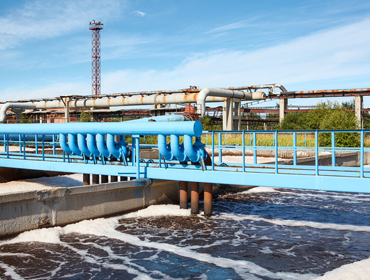
Our mechanical seals and SiC seal rings are deployed globally across multiple demanding sectors.





For stock items, we can ship them immediately after payment is received. For other items, we will need 15-20 days for mass production.
We are a direct factory with over 20 years of manufacturing experience.
Our factory is located in Ningbo, Zhejiang Province, China.
Yes, of course. We can offer free samples for customers to check the quality before production, with freight collect.
We usually ship the goods by express like DHL, TNT, FedEx, UPS. We can also ship goods by air and sea according to the customer's requirements.
We accept T/T before qualified goods are ready for shipment.
Yes, customized products are available. We specialize in tailored solutions.
Yes, we can make the best suitable design in accordance with your specific application parameters.
Browse our extensive range of high-performance replacement seals and pump rotor sets.
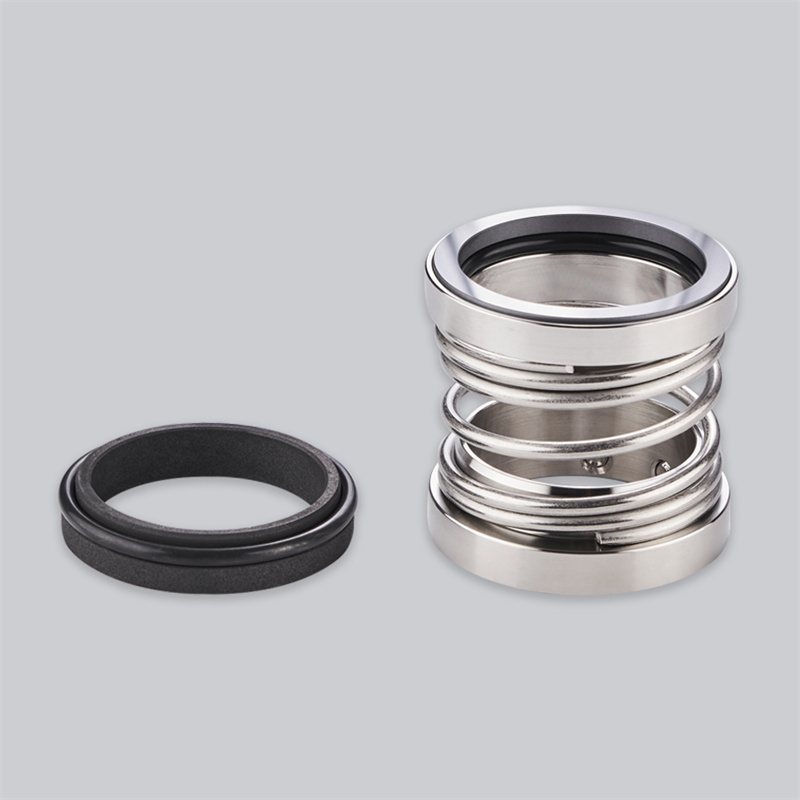
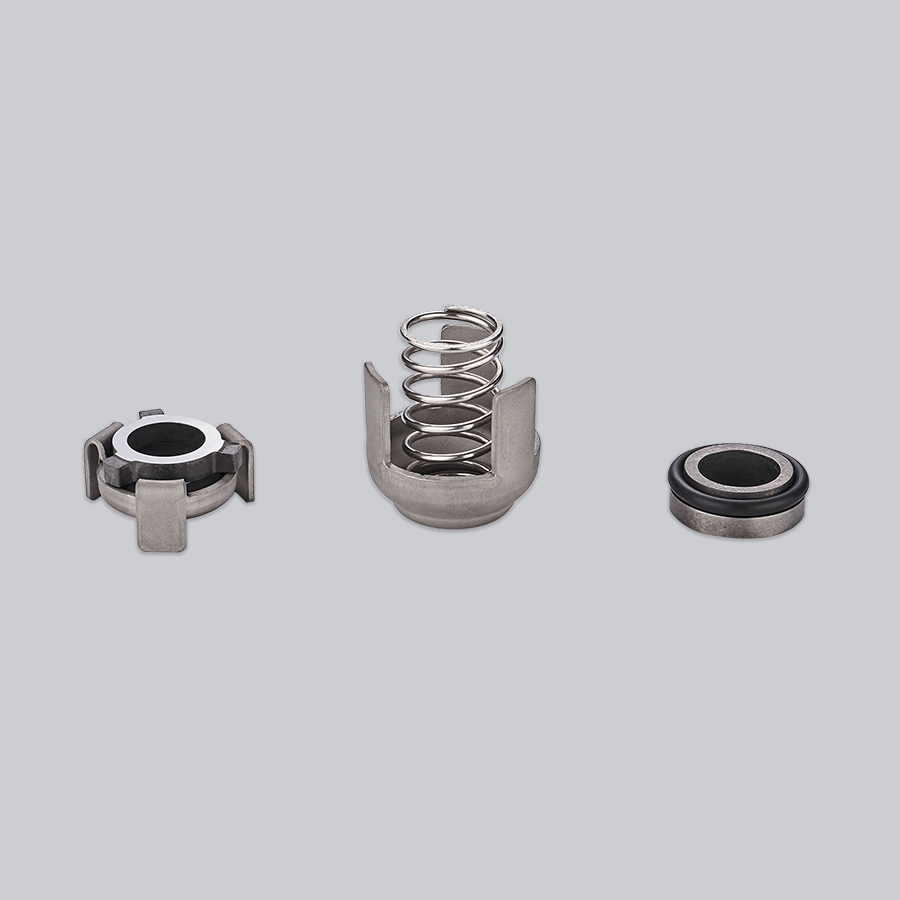


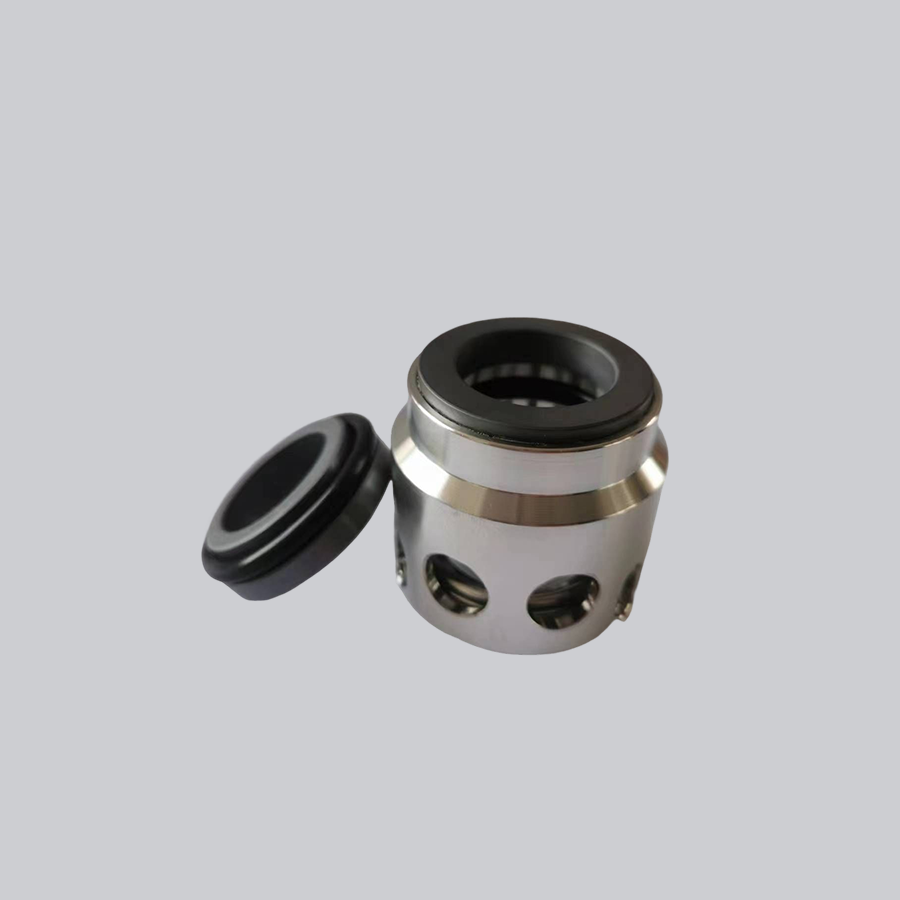 LWR-4 Mechanical seals 22mm/ 26mm suit for Lowara pump SV and e-SV series
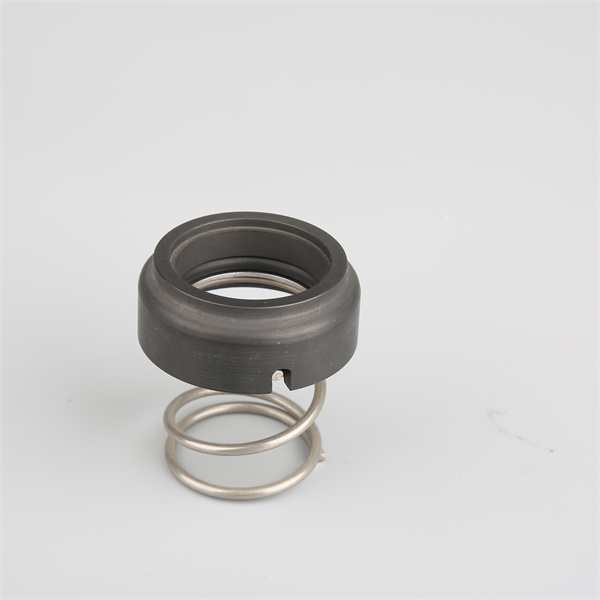
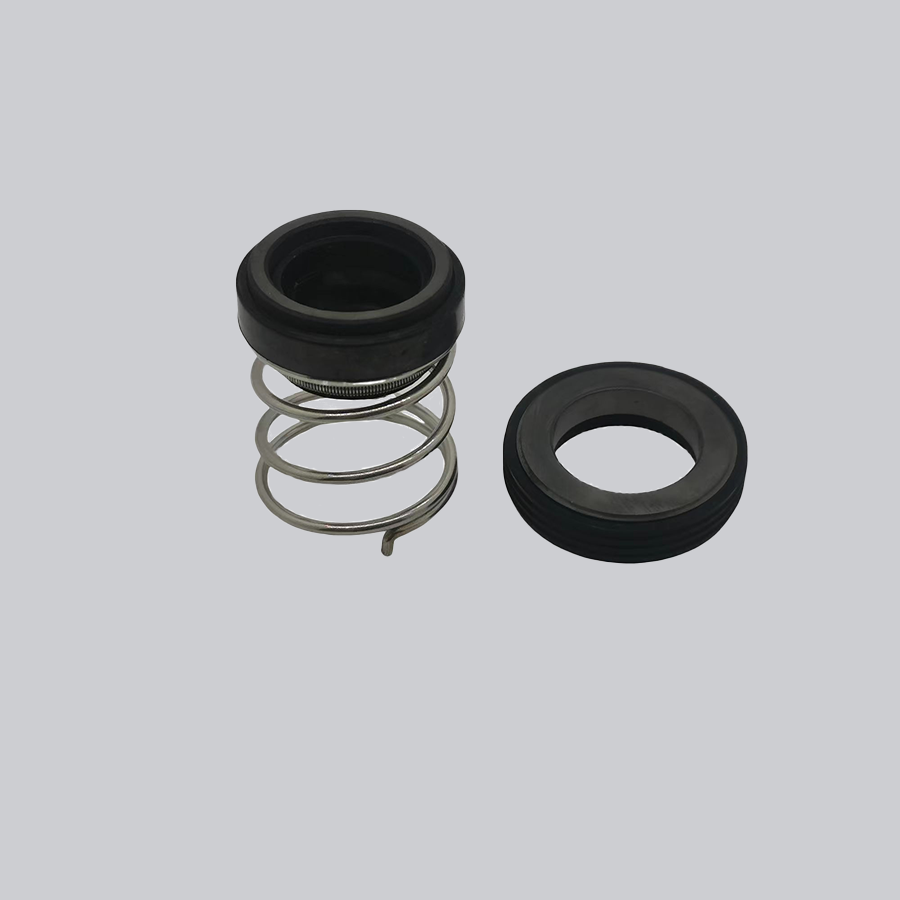 O ring carbon mechanical seals 166 for water pump
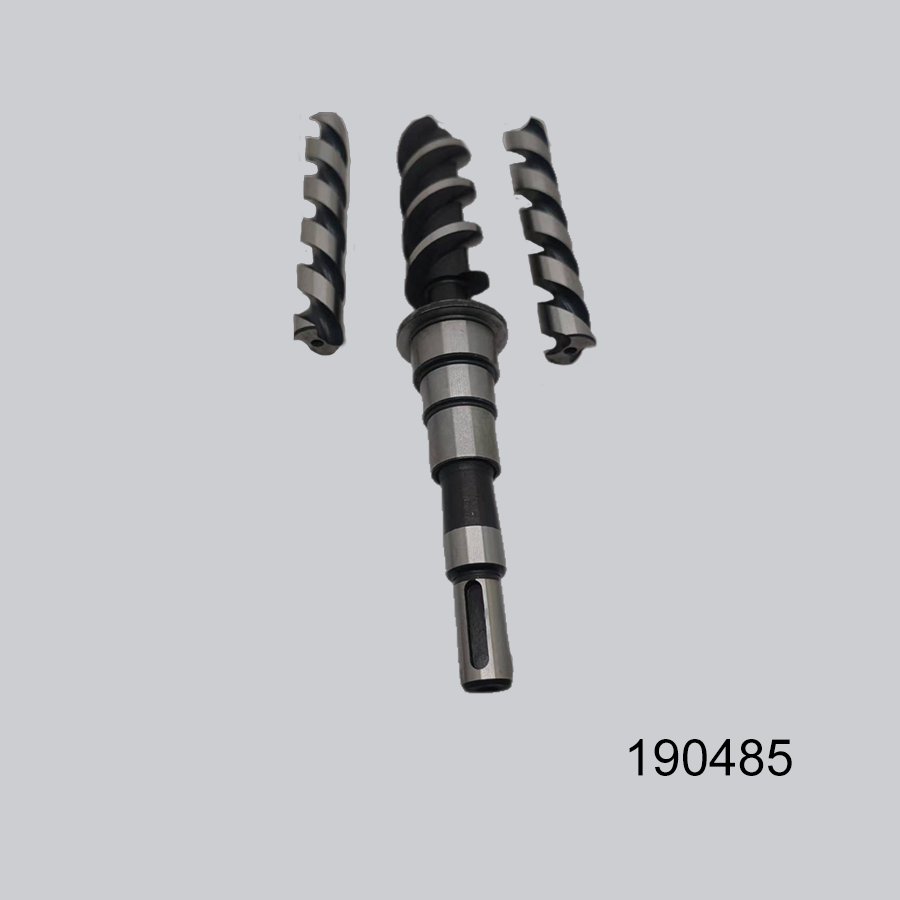
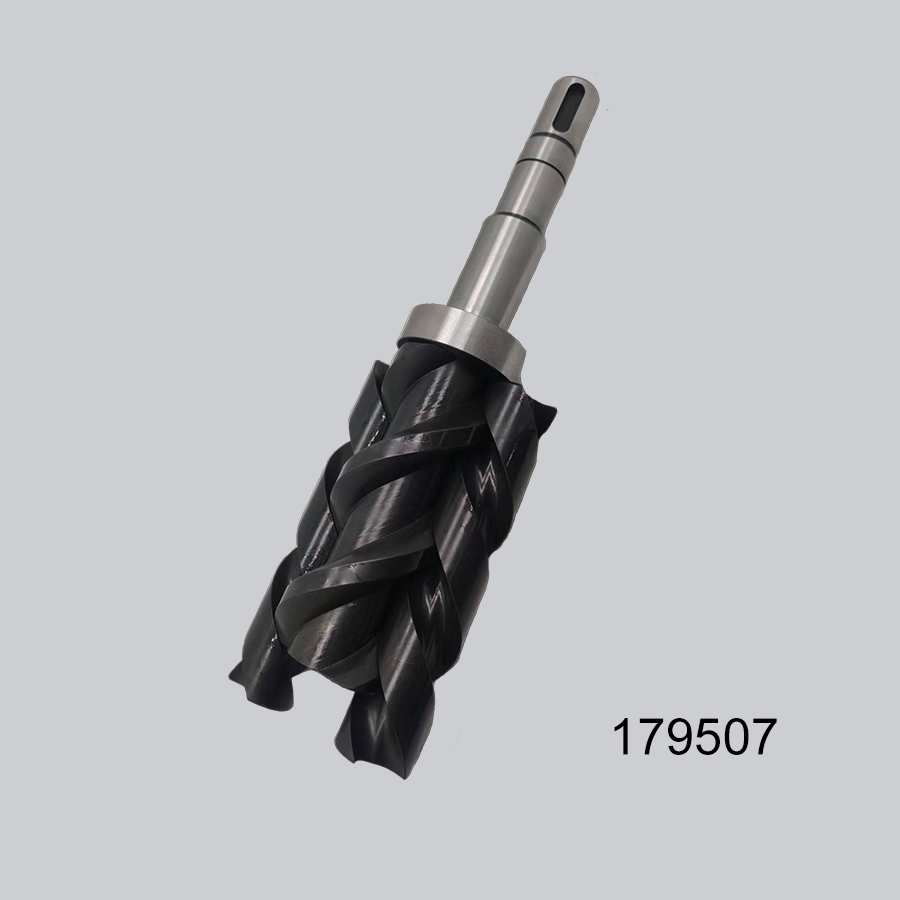 IMO pump ACG 52 rotor set G012 N7 179507
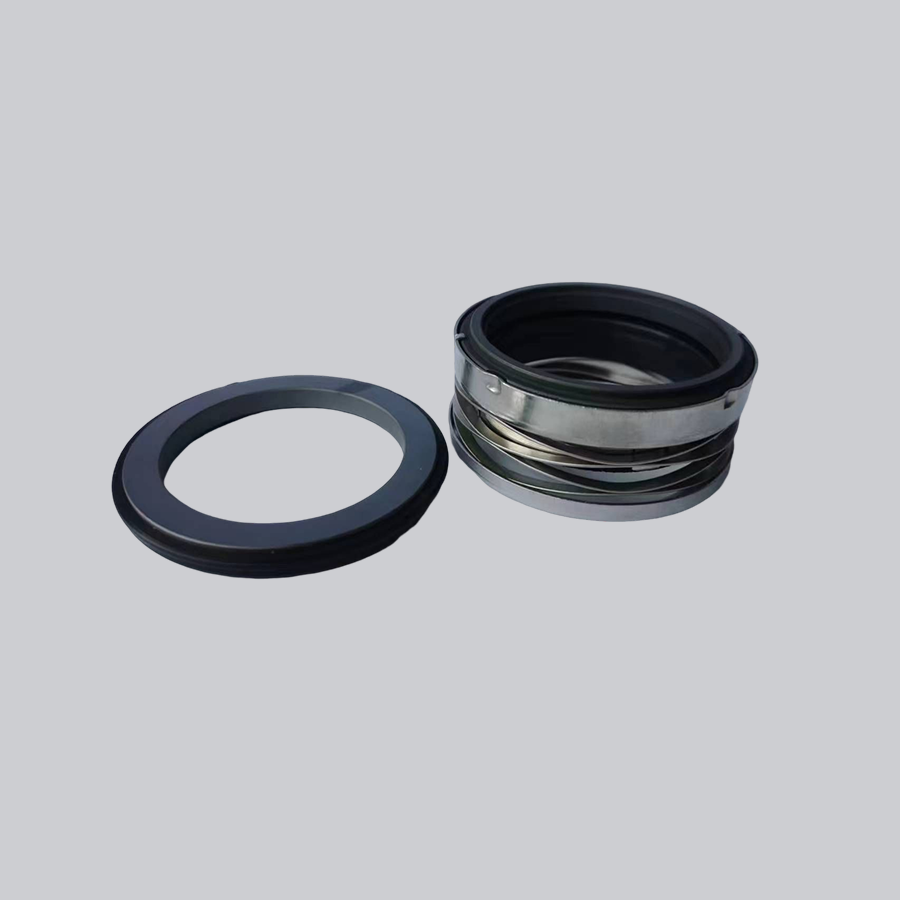 ABS-1 Upper wave spring mechanical seals for ABS pump
 IMO pump rotor set G012 ACG 60 K7 187567
 IMO pump rotor G012 ACG 45 K7 187542
 IMO pump rotor set G012 ACG 45 N7 178913
 IMO pump rotor set G012 for ACE 38 N3 190483
 IMO PUMP ROTOR SET G012 ACE 25 L3 P190486
 IMO PUMP ROTOR SET G012 ACE 25 L3 P190487
 Rotor set for IMO pump ACD/ACP 025 N6 G012 P062893
 Rotor set for IMO pump ACD/ACP 025 L6 G012 P062885
 IMO PUMP ROTOR SET G012 ACE 32 N3 P190484
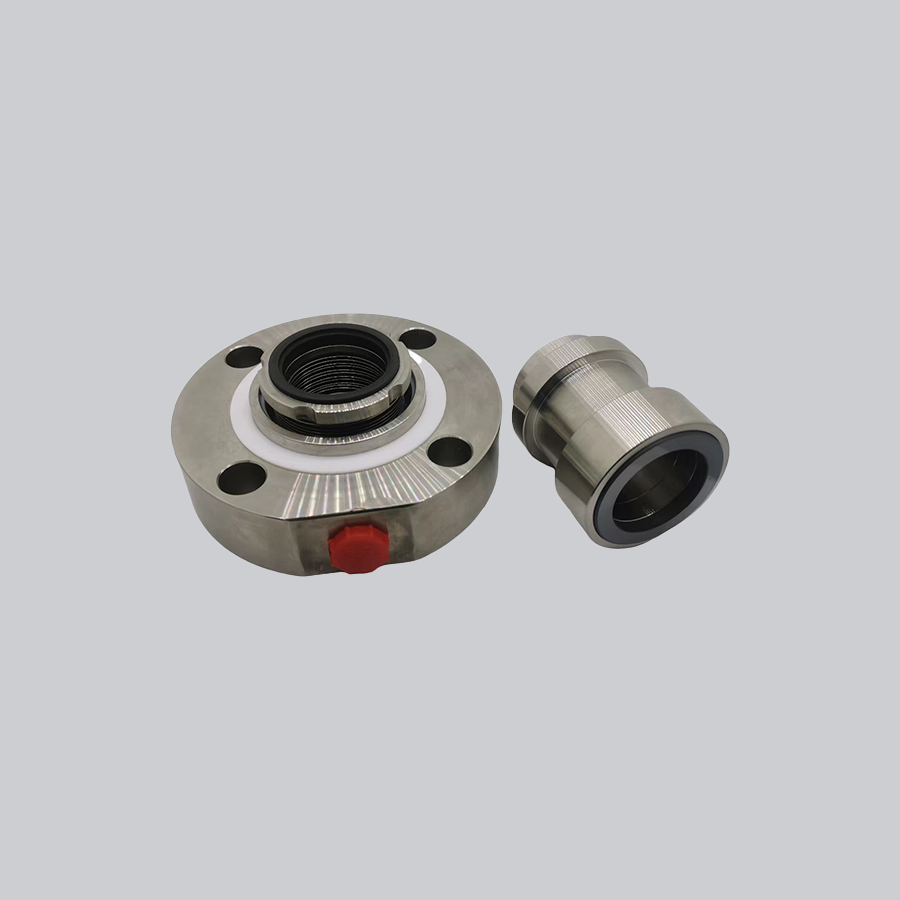 Metal Bellow Cartridge Mechanical Seal for Naniwa Pump BBH-50DNC
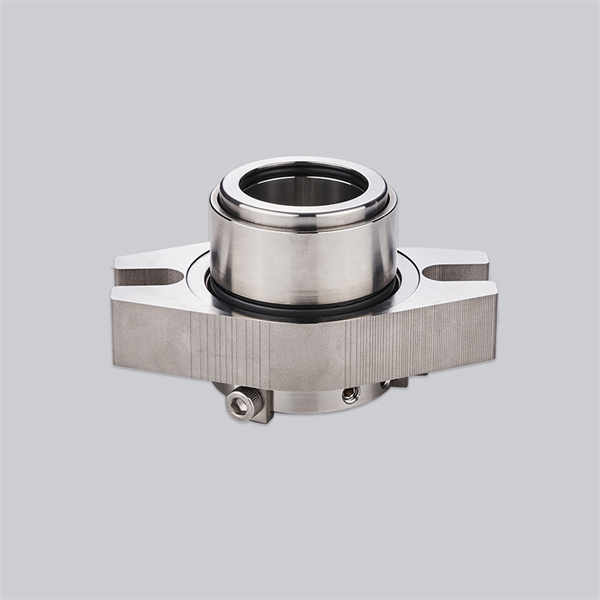
 Single balanced cartridge mechanical seals burgmann Cartex S
 Grundfos pump mechanical seals shaft size 32mm
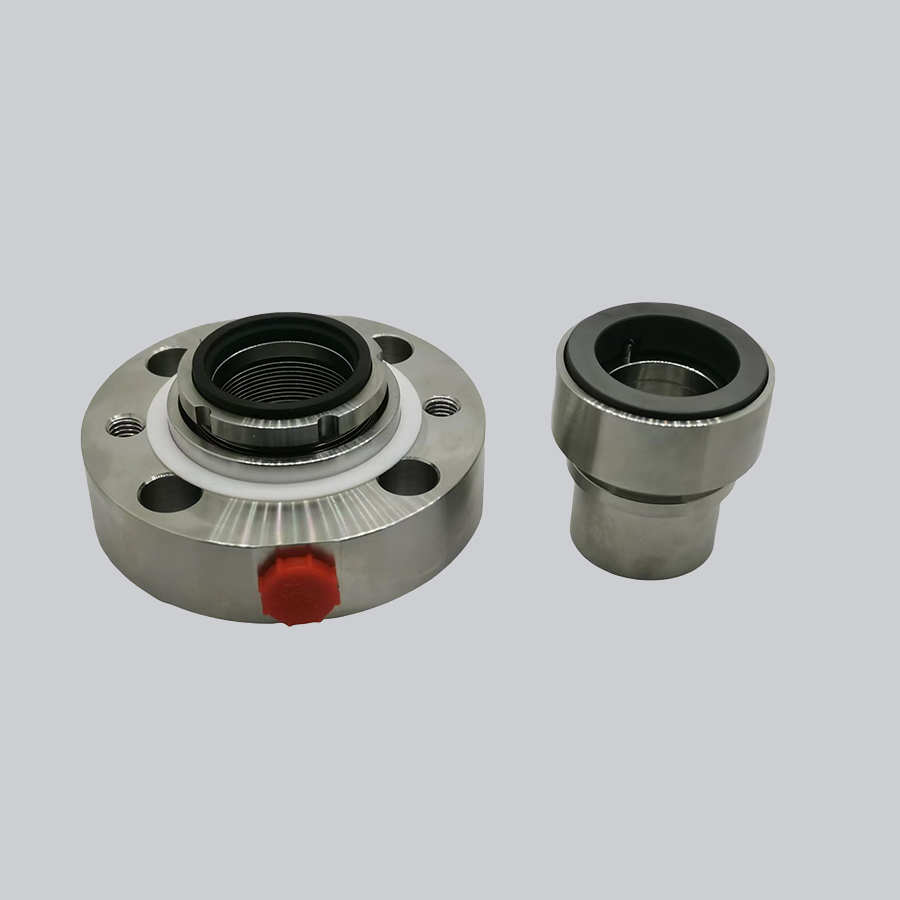 OEM cartridge mechanical seal for taiko kikai marine pump shaft size 35mm HC-51MJ
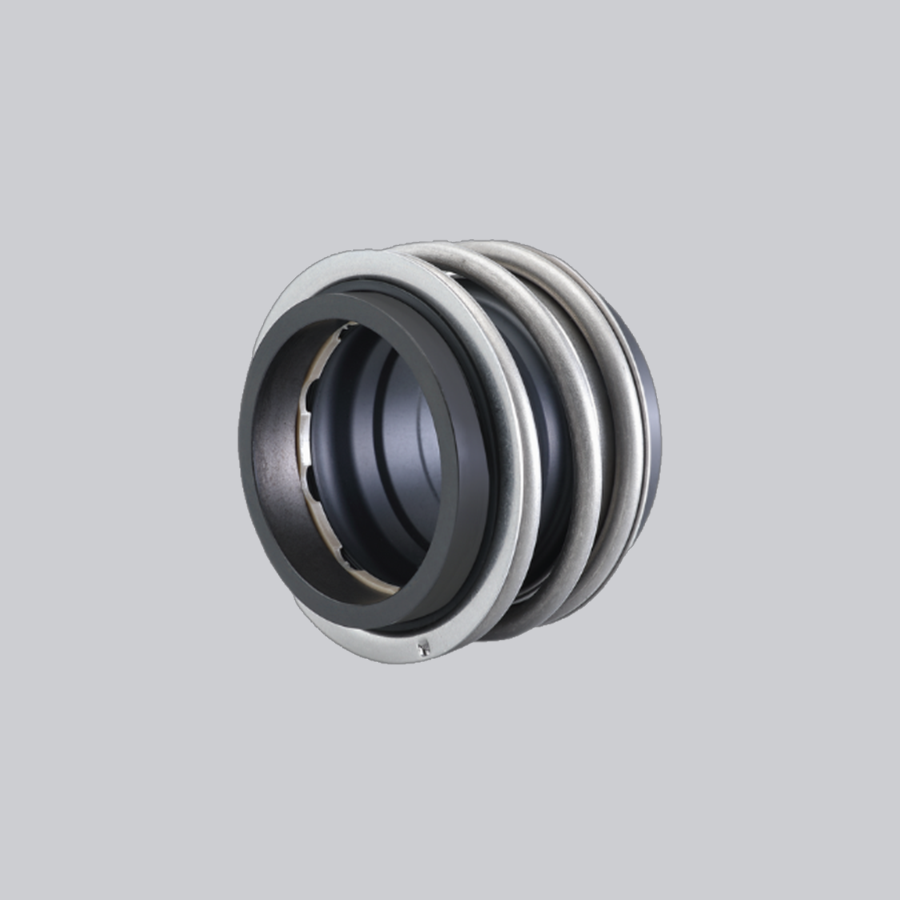 WeMG1 rubber bellow mechanical shaft seal for water pump