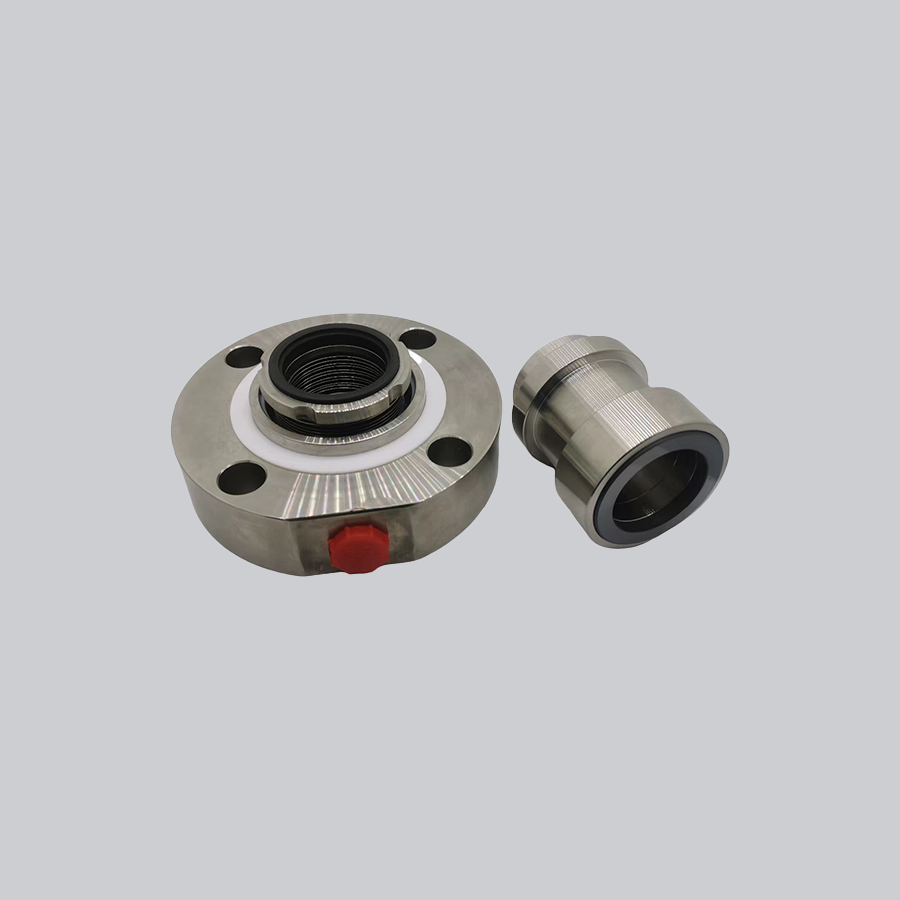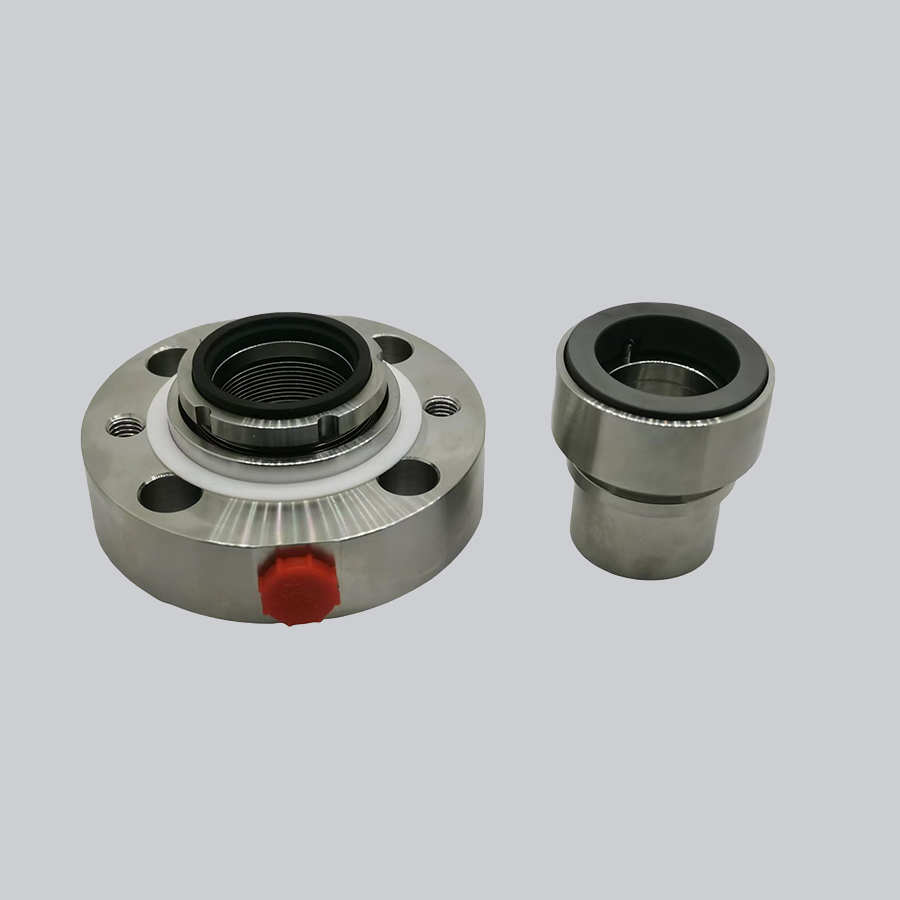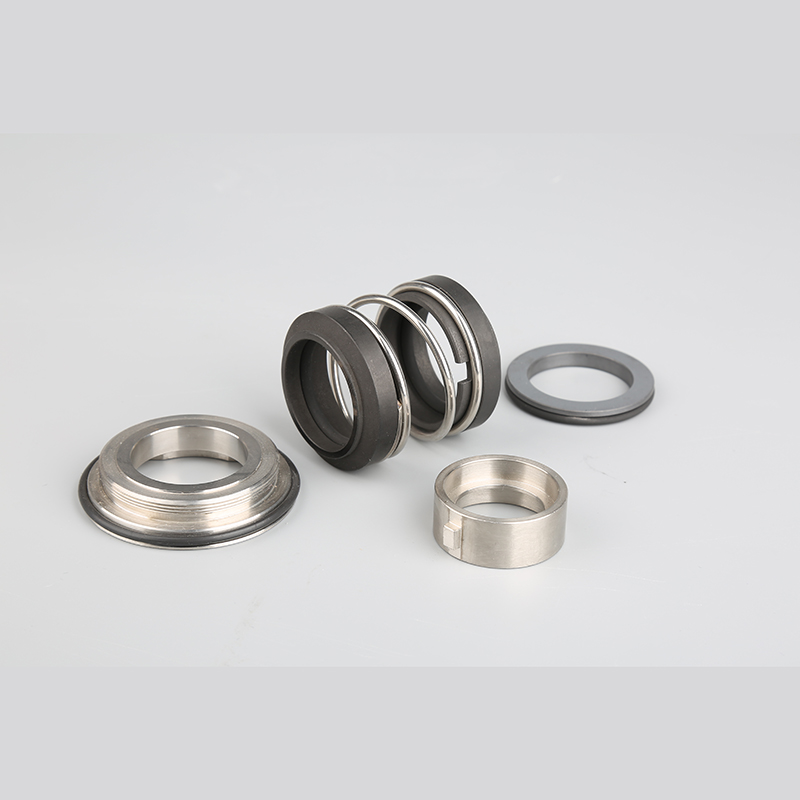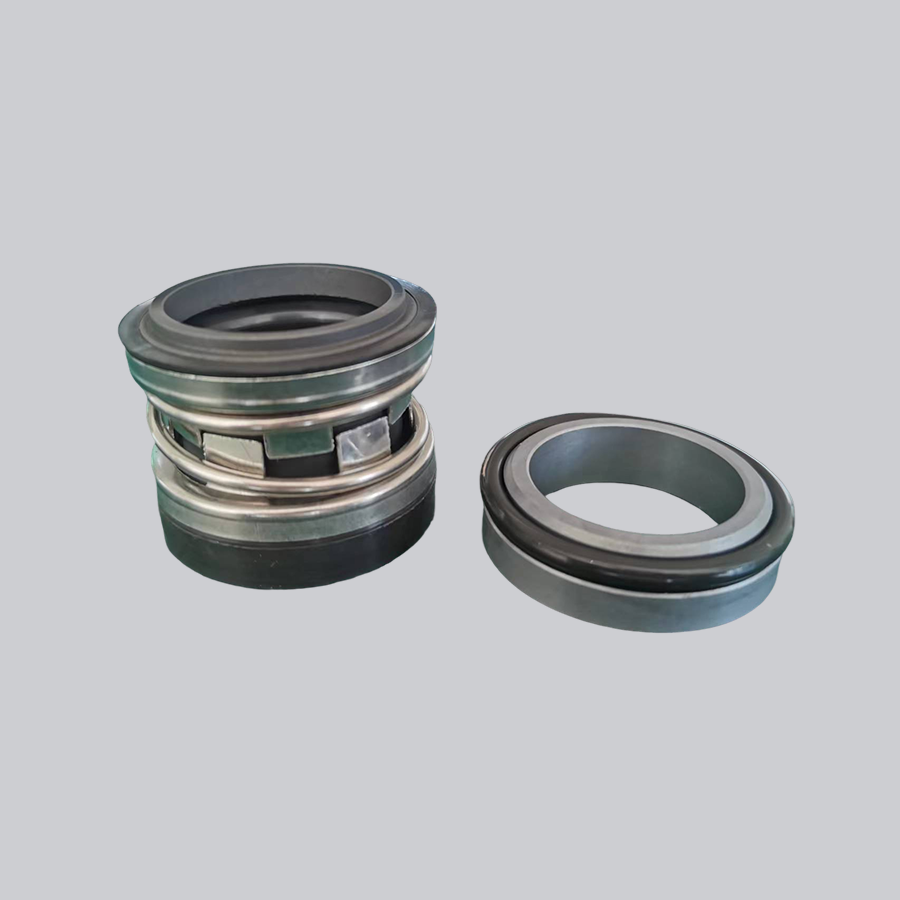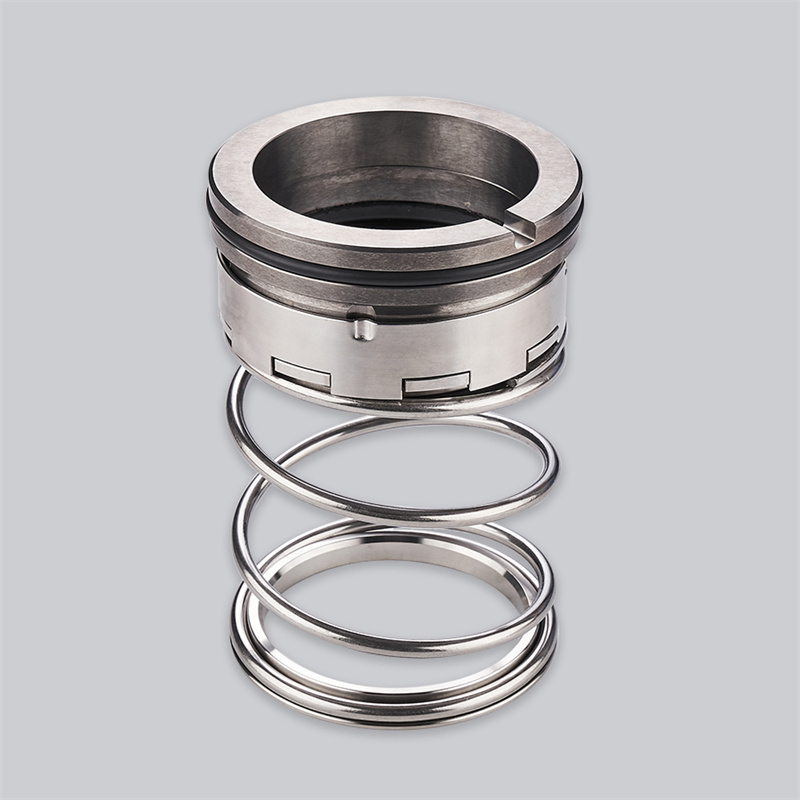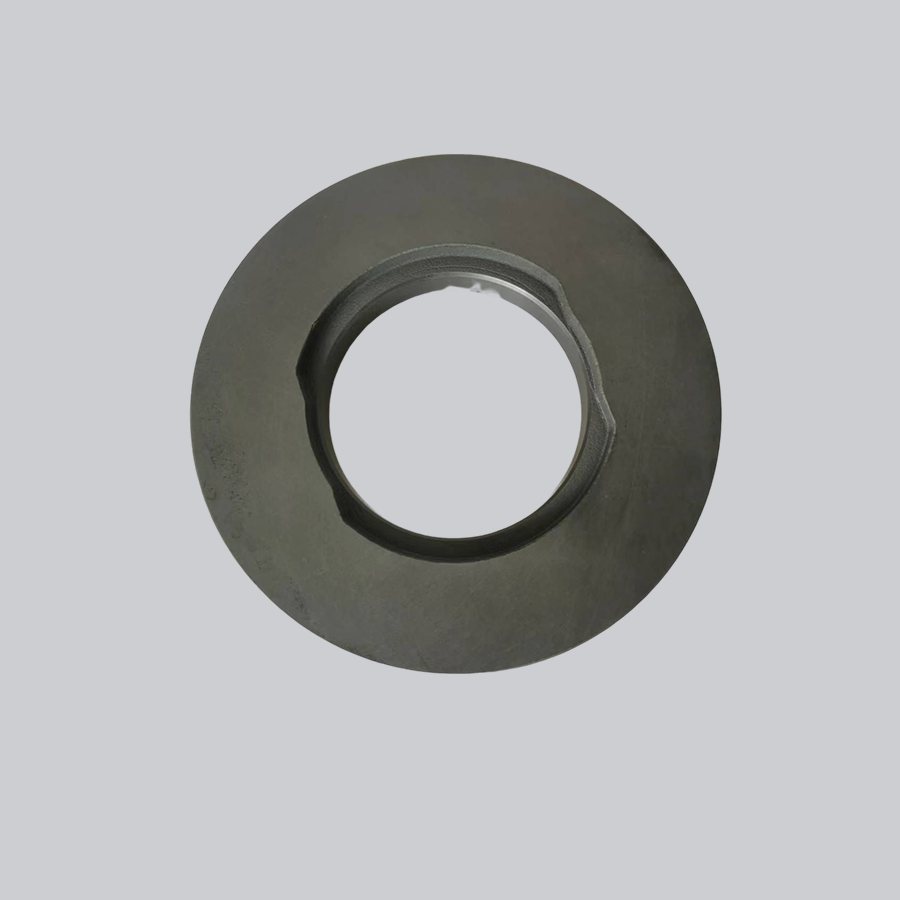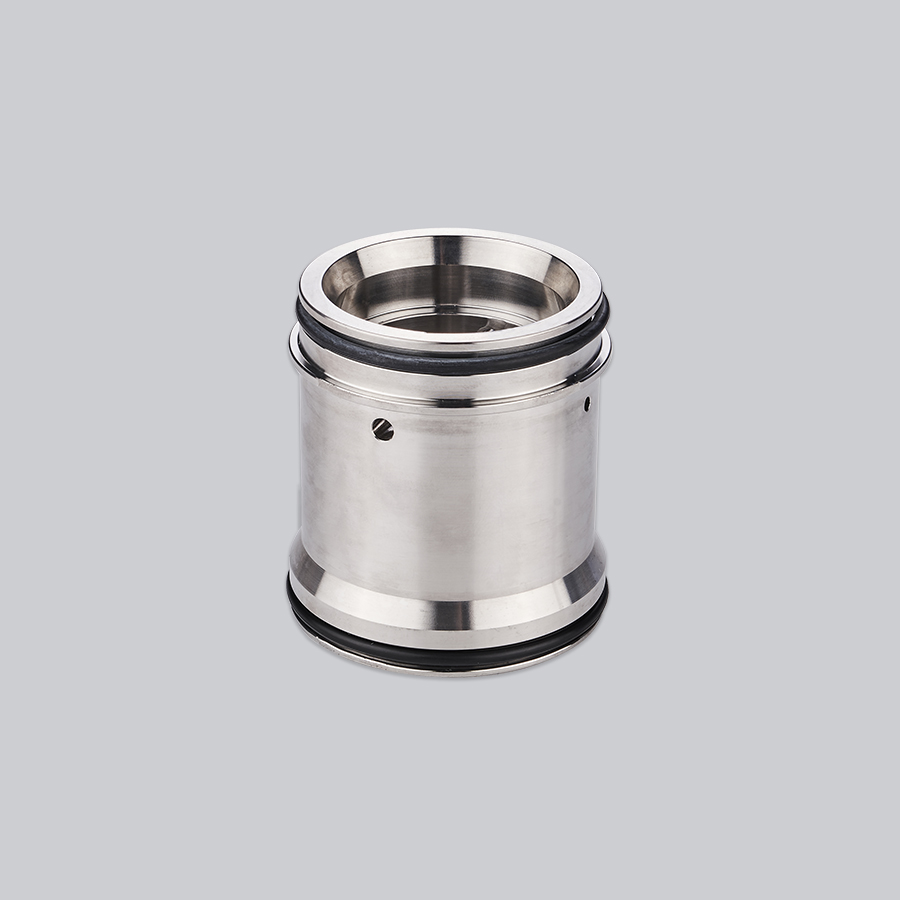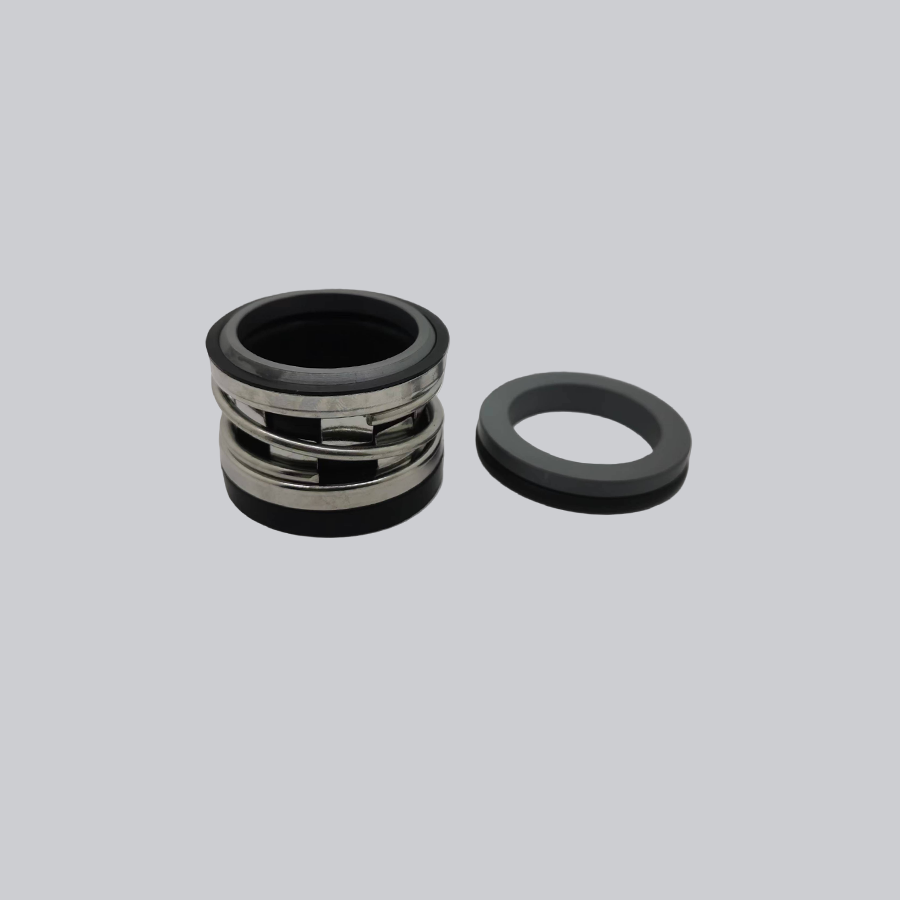


In modern industrial fluid handling, the mechanical seal stands as the primary line of defense against hazardous emissions, product loss, and unscheduled downtime. Among the various design topologies, the balanced seal for industrial cartridge sealing represents a pinnacle of mechanical engineering, solving the challenges of high-pressure fluid containment. Understanding why a balanced design is essential requires an investigation into the hydraulic forces acting on the seal faces.
Every mechanical seal operates with a thin fluid film between two flat faces: one rotating and one stationary. The integrity of this film determines both the seal's leakage rate and its operational life. In an unbalanced mechanical seal, the hydraulic pressure of the process fluid acts across the entire back area of the flexible seal ring, forcing the faces together with a closing force that increases linearly with system pressure. If the fluid pressure is too high, this closing force overcomes the lubricating film, causing dry running, extreme friction, rapid wear, and eventual face destruction.
"By introducing a step in the shaft sleeve or seal hardware, a balanced mechanical seal reduces the hydraulic closing area. This configuration isolates the faces from the full force of the system pressure, allowing the seal to operate reliably at pressures exceeding 150 PSI (10 Bar) without face deformation or thermal breakdown."
The performance of a balanced seal is governed by its balance ratio (B), defined mathematically as the ratio of the hydraulic closing area ($A_c$) to the contact face area ($A_f$). In unbalanced seals, B is typically greater than 1.0 (often between 1.1 and 1.2), meaning the average pressure between the faces is lower than the closing pressure. In contrast, balanced seals are designed with a balance ratio less than 1.0 (typically between 0.65 and 0.85). This balance ratio ensures that a controlled percentage of the system pressure is utilized to keep the faces closed, while the fluid film pressure acts to open them, maintaining a state of dynamic equilibrium.
By optimizing this balance ratio, engineers can design cartridge assemblies that handle significant pressure spikes, high surface velocities, and fluids with low lubricating properties (such as light hydrocarbons, hot water, or volatile solvents). The cartridge design consolidates this complex geometry into a single, pre-assembled package, eliminating the need for manual shaft sleeve measurements during installation.
Ningbo Victor Seals Co., Ltd was founded in 1998, more than 20 years ago, located in Ningbo, Zhejiang province. Our factory covers an area of 3,800 square meters and the construction area is 3,000 square meters, with a dedicated workforce of more than 40 employees. We are a professional mechanical seals manufacturer in China, specializing in design, production, and custom engineering.
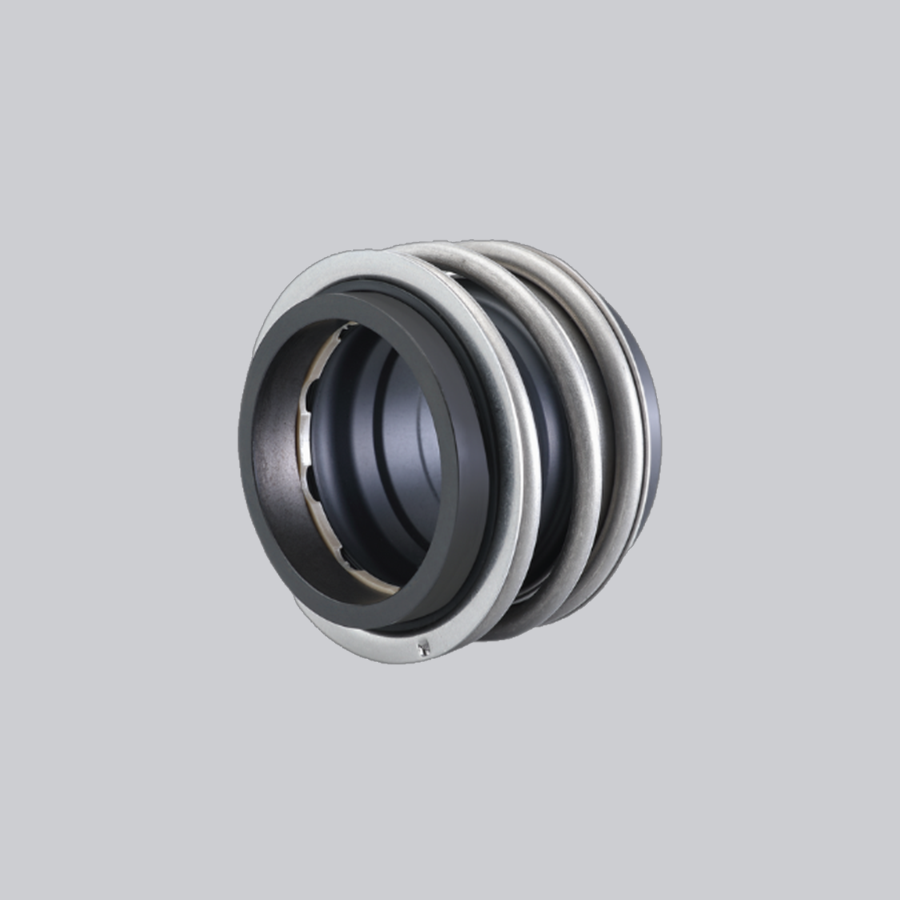
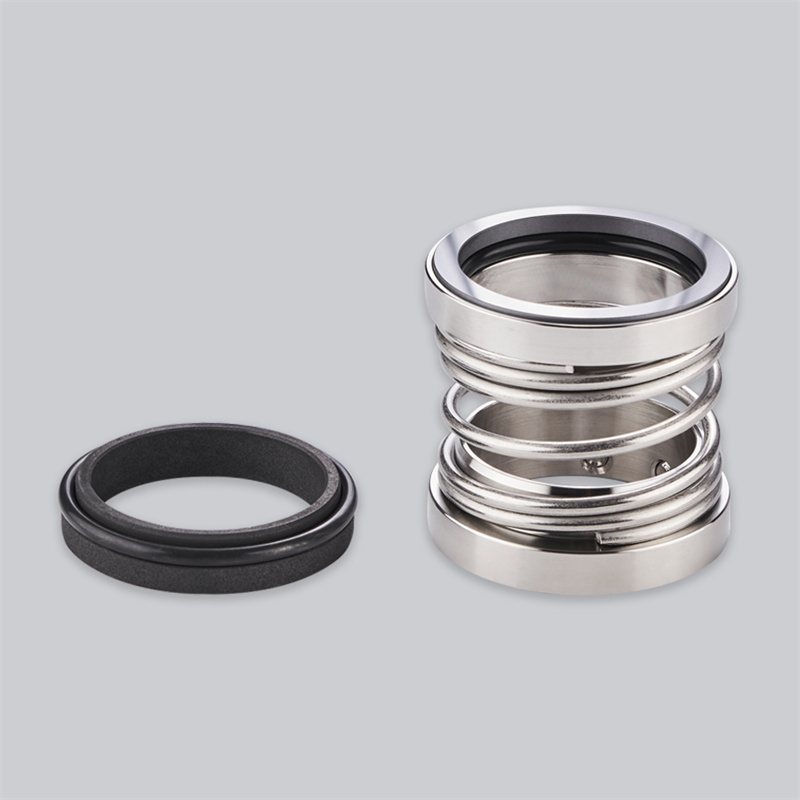
Our brand "victor" is recognized globally, with registrations spanning more than 30 countries. Our primary product lines encompass complete sets of mechanical seals, including cartridge seals, rubber bellow seals, metal bellow seals, and O-ring seals, engineered to perform under diverse and challenging operational parameters.
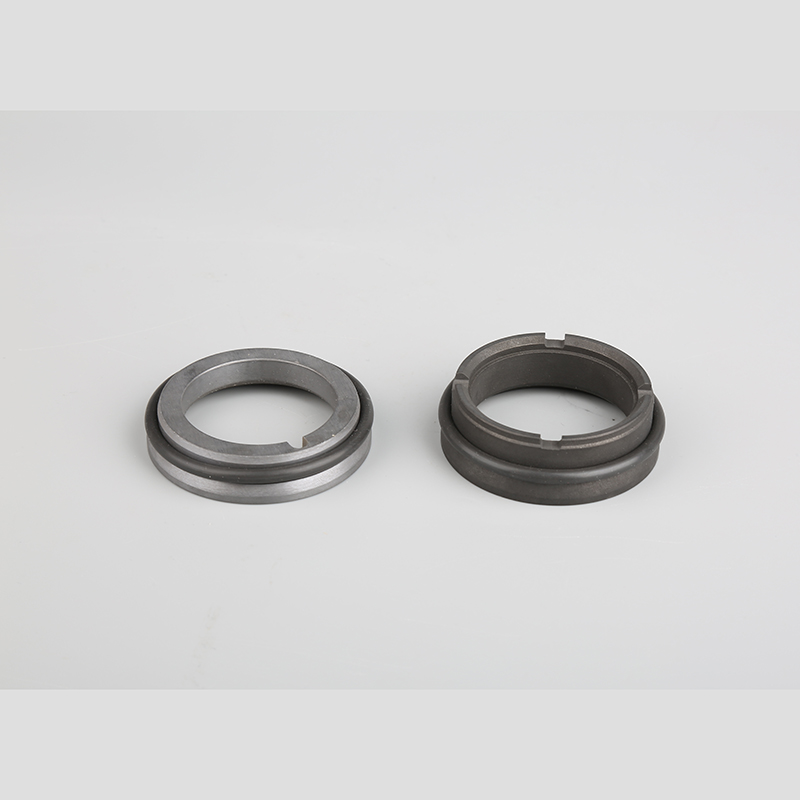
To support extreme environments, we manufacture critical spare parts utilizing premium materials such as Silicon Carbide, Tungsten Carbide, Ceramic, and Carbon for seal rings, bushings, and thrust discs. All products are designed and manufactured in strict compliance with international standards, including DIN24960, EN12756, ISO3069, API610, API682, and GB6556-94.
The commercial demand for balanced cartridge seals has experienced rapid growth, driven by stringent environmental regulations, safety mandates, and the industrial push for maximum Equipment Reliability (MTBF - Mean Time Between Failures). Globally, regulatory bodies such as the EPA (Environmental Protection Agency) and European environmental agencies enforce strict limits on fugitive emissions (often requiring leak rates below 100 ppm). For volatile organic compounds (VOCs) and hazardous air pollutants (HAPs), standard single seals are no longer sufficient. This has accelerated the adoption of dual balanced cartridge seals configured with barrier or buffer fluid systems (API Plan 52, 53A/B/C).
From a commercial standpoint, plant operators evaluate sealing solutions based on Total Cost of Ownership (TCO). While a balanced cartridge seal represents a higher initial capital expenditure compared to component seals, the return on investment (ROI) is realized through:
The integration of Industry 4.0 concepts has introduced smart sealing systems. Modern balanced cartridge glands are increasingly designed with integrated ports for temperature, pressure, and vibration sensors. This enables real-time monitoring of the seal chamber environment, allowing predictive maintenance algorithms to detect dry running, face deflection, or barrier fluid depletion before catastrophic failure occurs.
Material science continues to evolve. The transition from traditional alumina ceramics to reaction-bonded and sintered silicon carbides (SiC) has significantly improved thermal conductivity and wear resistance. In highly abrasive applications, such as mining slurries or pulp processing, diamond-like carbon (DLC) coatings are applied to silicon carbide faces to provide a low coefficient of friction and protection during temporary dry-running conditions.
Direct dimensional drop-in replacements for major global brands, ensuring seamless integration with existing pumps.
Comprehensive diagnosis, refurbishment, face lapping, and pressure testing for all mechanical seal configurations.
Bespoke seal design services for unique, highly demanding process parameters and corrosive media.
Deep domain knowledge in mechanical seal engineering, serving diverse global markets since 1998.
Typically offering a 10% lower price than other global suppliers while maintaining equivalent or superior quality.
Equipped with state-of-the-art CNC machining, precision grinding, lapping equipment, and rigorous pressure testing before shipment.
Utilizing premium silicon carbide, tungsten carbide, and specialized elastomers to resist chemical attack and mechanical wear.
Sufficient safety stock maintained for standard mechanical seals, facilitating rapid dispatch for emergency shutdowns.
Fast delivery options via major international express carriers, air freight, and sea shipping, backed by strong after-sales support.
In chemical processing plants, pumps transfer highly corrosive acids, bases, and volatile solvents. These applications demand balanced cartridge seals with chemically inert faces (such as Sintered Silicon Carbide vs. Carbon or Silicon Carbide vs. Silicon Carbide) and chemically resistant secondary seals (such as FFKM / Kalrez O-rings).
The balanced design is critical here because chemical processes often operate under varying pressures. An unbalanced seal would suffer from face separation during pressure drops or excessive wear during pressure spikes. The cartridge design ensures that the critical barrier fluid pressure is maintained, preventing toxic process fluids from escaping into the environment.
Refineries handle hydrocarbons at high temperatures and pressures close to their vapor pressure. If the pressure in the seal chamber drops below the vapor pressure of the fluid, the fluid will flash into vapor between the seal faces, leading to dry running and immediate seal failure.
Balanced cartridge seals, designed in accordance with API 682, maintain the liquid film between the faces even under high-temperature, high-velocity conditions. The cartridge design allows for the integration of auxiliary piping plans, such as API Plan 11 or Plan 21, to cool the seal faces and prevent vaporization.
Pulp slurries contain abrasive wood fibers and chemical liquors. These solids can easily penetrate the seal faces, causing abrasive wear. Additionally, standard spring-loaded seals can clog as fibers accumulate around the springs.
Balanced cartridge seals for this industry often feature a clean-line design where the springs are isolated from the process fluid. The balanced face design reduces the face loading, preventing the abrasive particles from being ground between the faces. Using hard-on-hard face combinations (Tungsten Carbide vs. Tungsten Carbide) ensures long-term operation in these harsh environments.
Marine pumps operate in confined spaces with high levels of structural vibration. Sea water pumps, bilge pumps, and boiler feed pumps require seals that can handle shaft deflection and axial play.
Balanced cartridge seals, such as replacements for Nippon Pillar US-2 or Naniwa Pump seals, are designed to absorb these dynamic movements. The cartridge sleeve protects the pump shaft from fretting corrosion caused by the O-rings under vibration. The balanced design ensures that the seal remains closed despite the pressure fluctuations common in marine pumping systems.
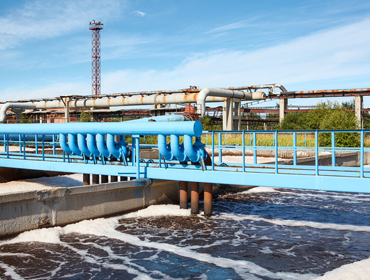
Our engineered sealing systems are deployed globally across a wide spectrum of demanding industrial sectors, ensuring reliable operations and environmental compliance.





For stock items, we can ship them immediately after payment is received. For other items, we will need 15-20 days for mass production.
We are a direct factory with over 20 years of manufacturing experience.
Our factory is located in Ningbo, Zhejiang Province, China.
Yes, of course. We can offer free samples for the customer to check quality before production, with freight collect.
We usually ship goods by express carriers like DHL, TNT, FedEx, and UPS. We can also ship goods by air and sea according to the customer's requirements.
We accept T/T before the qualified goods are ready for shipment.
Yes, customized products are available to meet your specific operational requirements.
Yes, we can make the most suitable design in accordance with your specific application and operating parameters.
Explore our secondary selection of high-performance replacement seals, engineered to match the specifications of major pump manufacturers worldwide.
Our premium selection of mechanical seals and rotor pump sets, engineered to meet the strict tolerances of high-pressure industrial fluid systems.
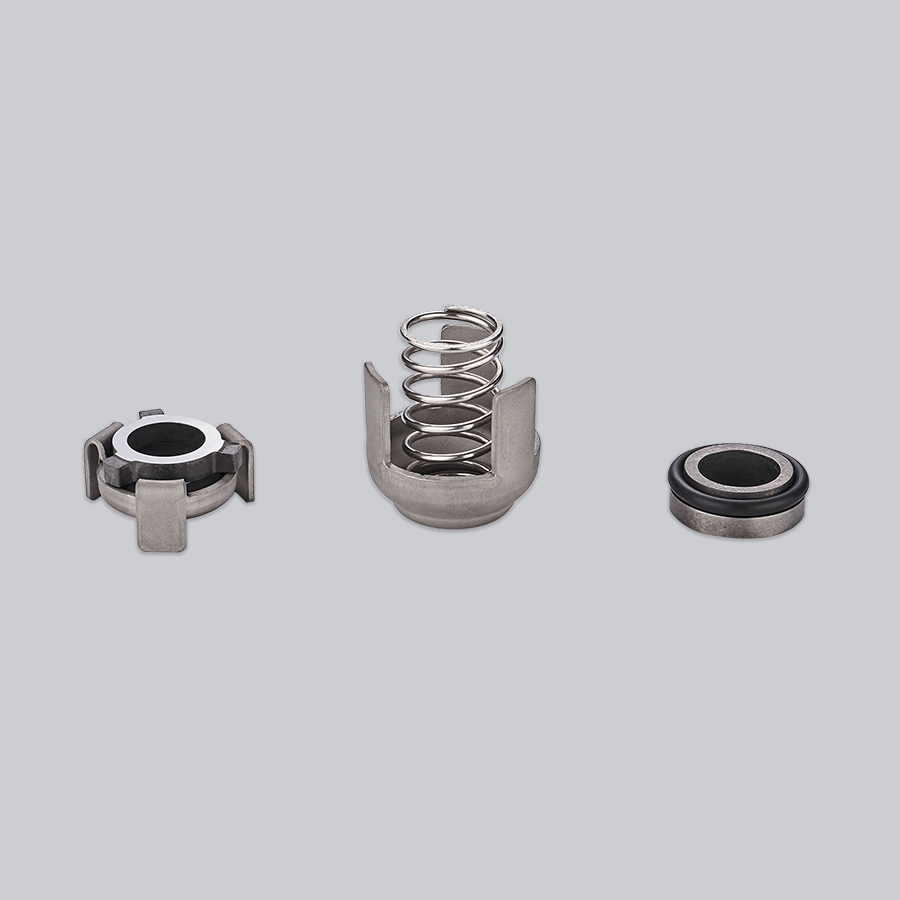


Browse our comprehensive inventory of replacement rotor sets and cartridge mechanical seals for specialized industrial pumps.