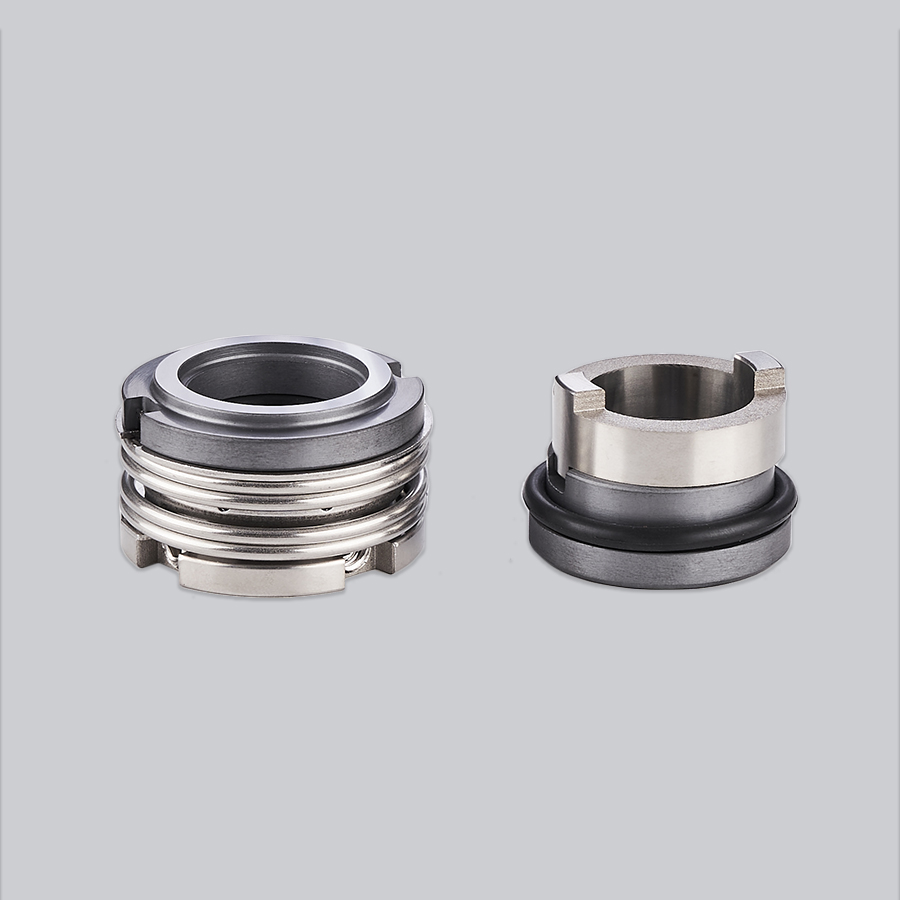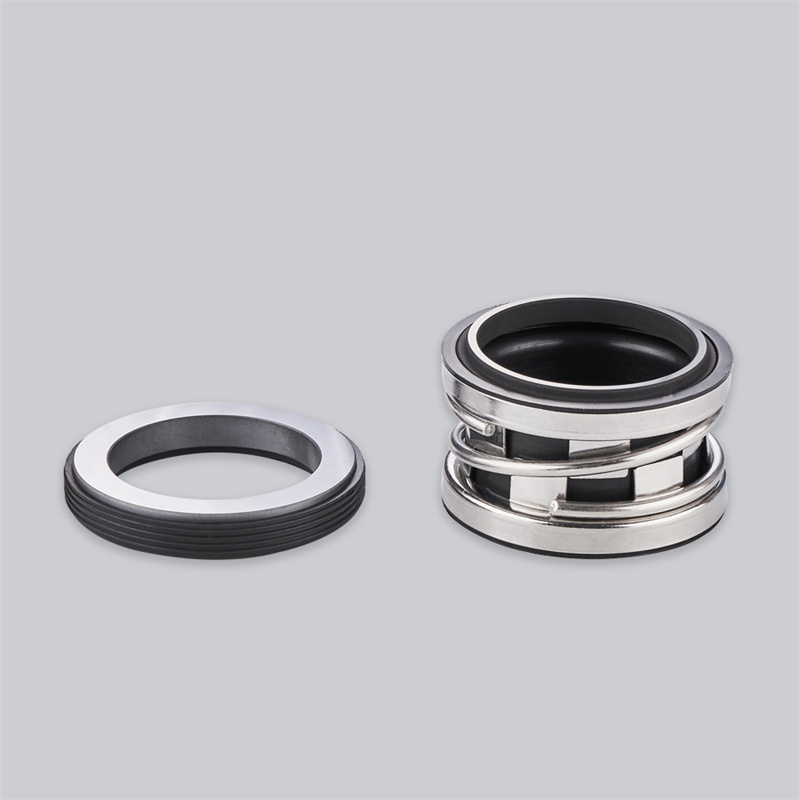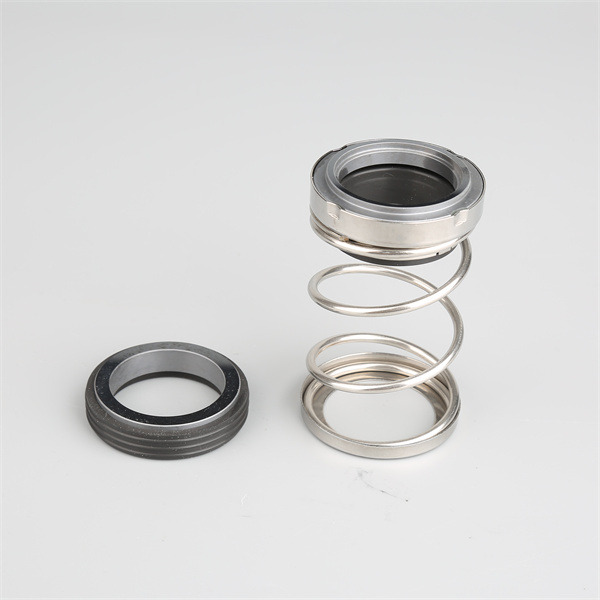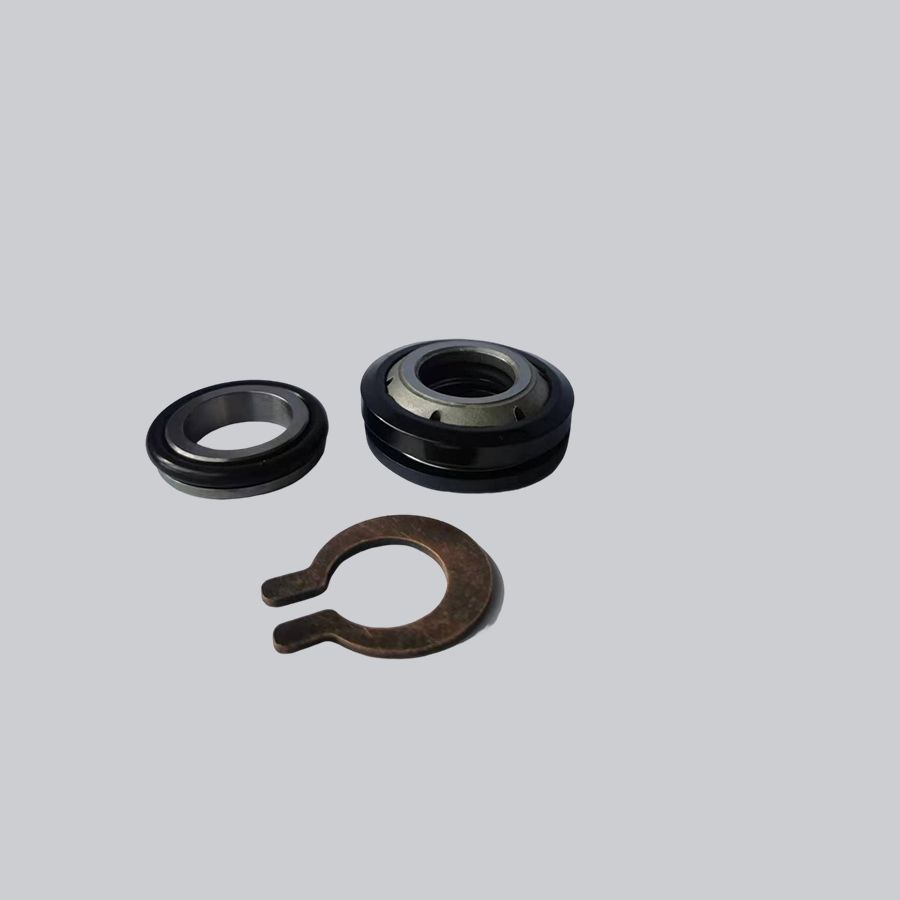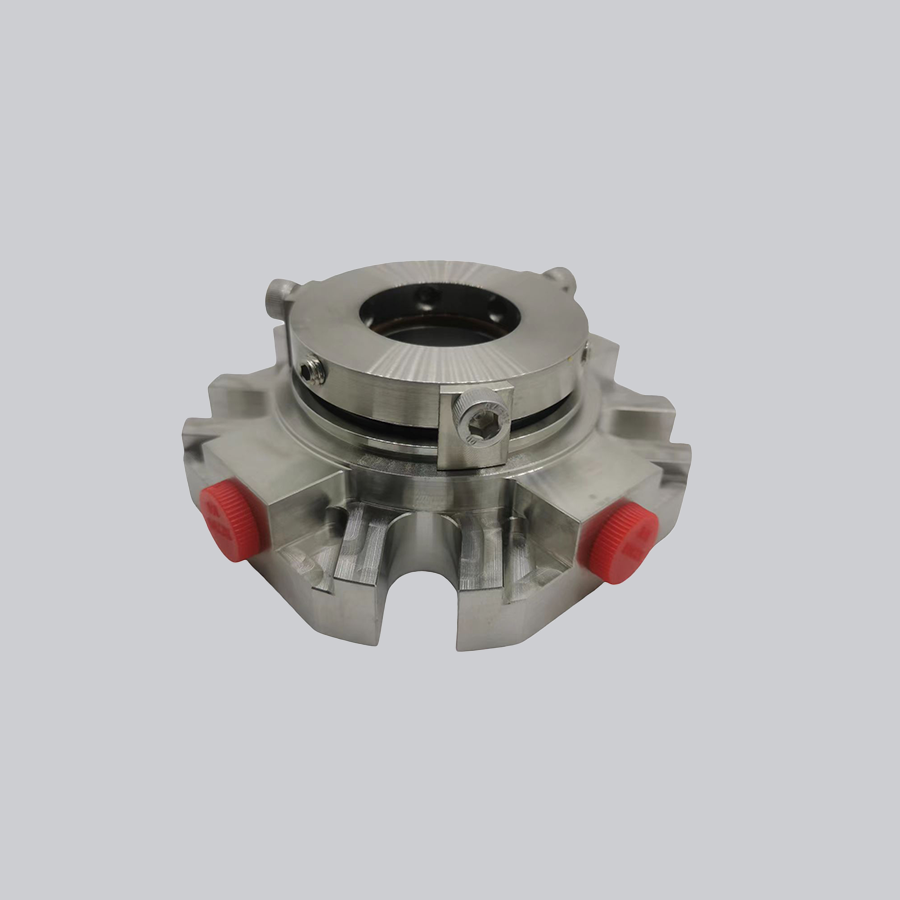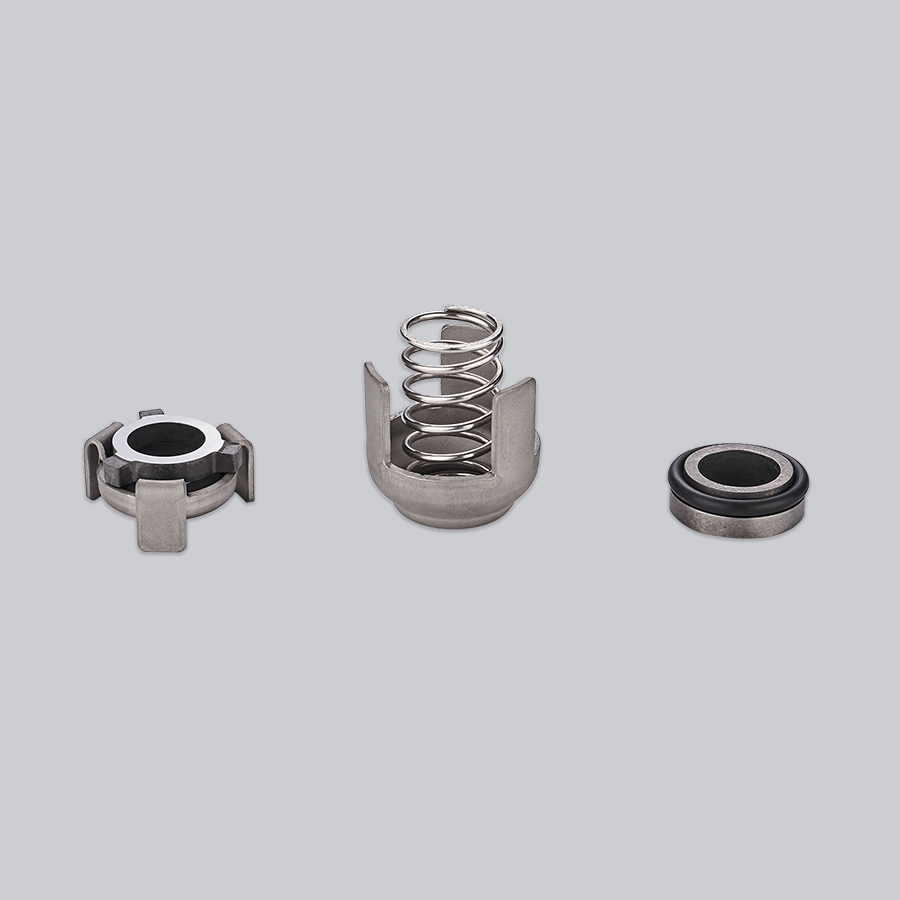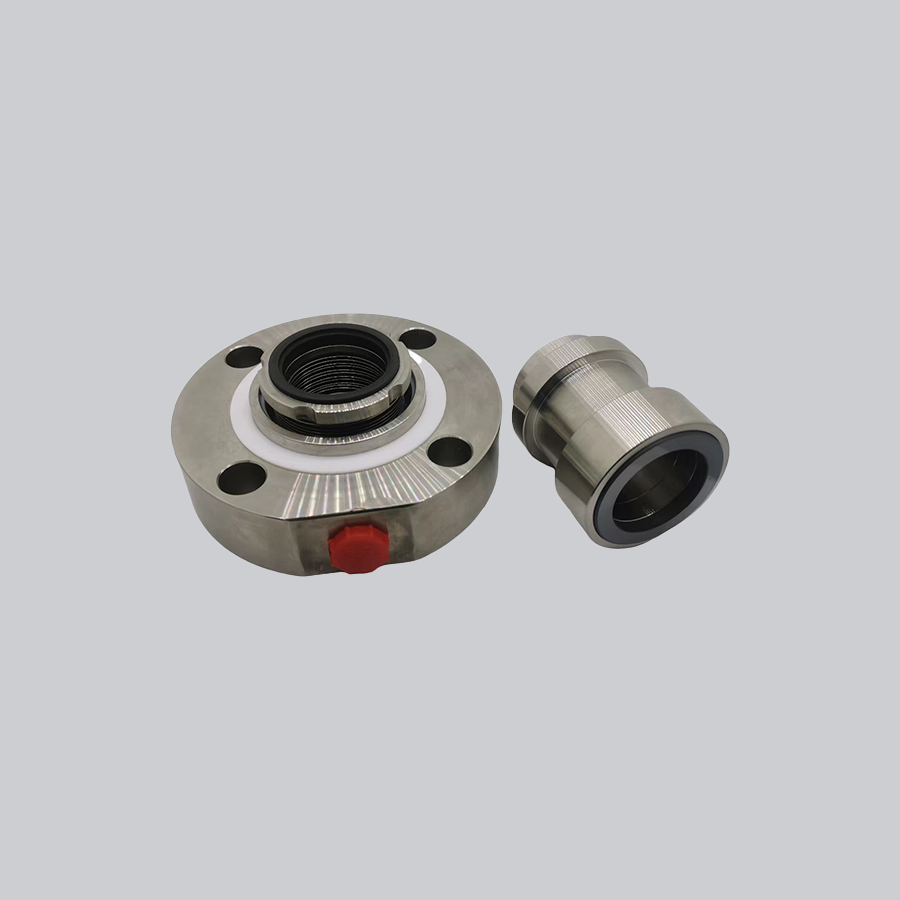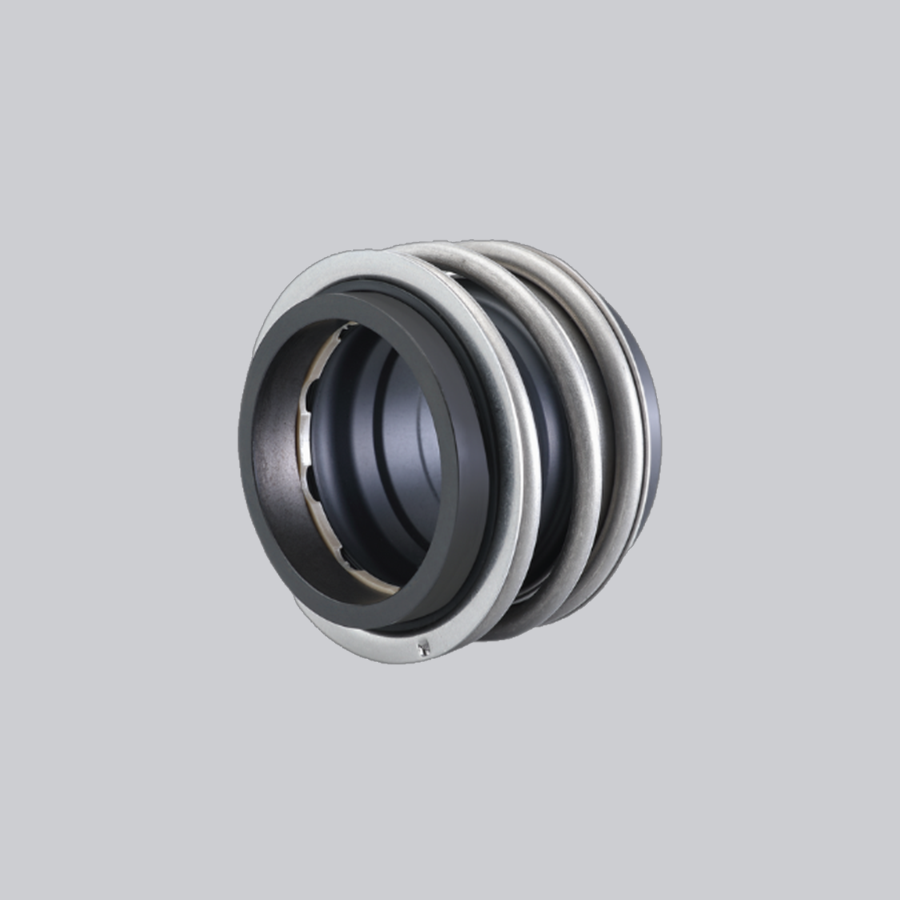


Explore our flagship balanced mechanical seals and high-precision replacement sealing components optimized for chemical fluid transfer pumps.
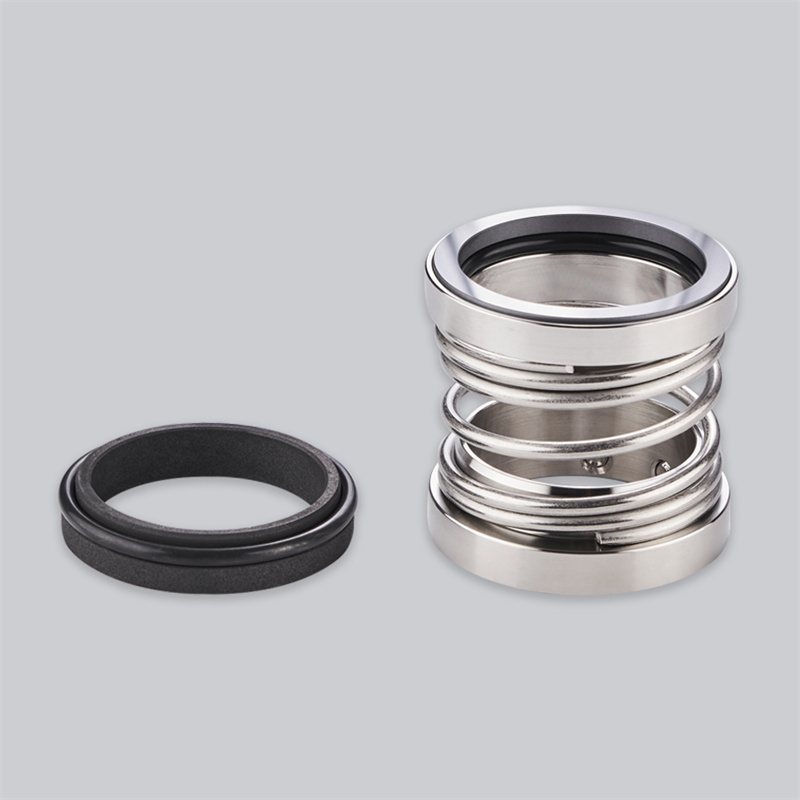
In modern chemical plants, fluid handling equipment operates under extreme thermal, hydraulic, and chemical pressures. Balanced mechanical seals provide superior operational reliability and emission control.
Reduces closing force on seal faces, enabling operations at pressures exceeding 20 bar without face distortion or lubricant film collapse.
Decreased heat generation prolongs seal face life, prevents fluid vaporization, and protects sensitive chemical compounds from thermal degradation.
Engineered to satisfy stringent environmental standards (API 682, ISO 15848, TA-Luft) for fugitive volatile organic compound emission containment.
Corrosion-resistant alloys and premium face materials drastically reduce maintenance frequency and unplanned plant downtime.
Mechanical seals are critical safety and functional components in rotating equipment, particularly centrifugal pumps, agitators, mixers, and compressors across chemical processing plants (CPI). The essential challenge in chemical fluid isolation lies in maintaining a stable fluid lubrication film between dynamic seal faces while preventing process fluid leakage into the atmosphere. This is precisely where a balanced seal for chemical process sealing outperforms traditional unbalanced seal designs.
In an unbalanced mechanical seal, the hydraulic pressure of the stuffing box acts across the entire hydraulic area of the seal face. As system pressure increases, the closing force pushing the dynamic sealing faces together grows proportionally. At high pressures (typically above 10 bar / 145 psi), this net force forces the lubricating fluid film out from between the faces, causing dry friction, rapid face wear, thermal cracking, and catastrophic seal failure.
Conversely, a balanced mechanical seal incorporates a geometric step on the shaft sleeve or seal hardware. By altering the balance ratio ($B = A_h / A_f$, where $A_h$ is the hydraulic area exposed to fluid pressure and $A_f$ is the contact area of the seal faces), engineers can tune the balance ratio to a typical value between 0.65 and 0.85. This intentional reduction in hydraulic closing force allows balanced seals to operate reliably under extreme pressure differentials, high sliding velocities, and elevated temperatures without suffering face breakdown.
Closing Force ($F_c$) = Hydraulic Pressure ($P$) × Hydraulic Area ($A_h$) + Spring Force ($F_s$)
By stepping the seal sleeve diameter, $A_h$ is engineered to be less than $A_f$, ensuring controlled face loading and continuous hydrodynamic fluid film lubrication even under changing system head pressures.
The global chemical processing industry is undergoing a structural transition toward zero-emission standards, higher process automation, and lower total cost of ownership (TCO). Unplanned downtime in continuous chemical synthesis plants—such as ethylene cracking, nitric acid production, or pharmaceutical API batch processing—can result in financial losses exceeding tens of thousands of dollars per hour, alongside hazardous chemical exposure risks.
Consequently, chemical plant operators and original equipment manufacturers (OEMs) are systematically upgrading pump infrastructure from packing glands and unbalanced single seals to high-performance cartridge-style balanced mechanical seals. Key market drivers include:
Chemical processing plants present some of the most challenging fluid environments in modern manufacturing. A customized balanced mechanical seal must be engineered to address specific chemical dynamics:
| Chemical Application | Operating Challenges | Balanced Seal Engineering Solution |
|---|---|---|
| Petrochemical & Hydrocarbon Refineries | High pressure, highly volatile hydrocarbons (LPG, benzene), elevated temperatures, thermal expansion. | Metal bellow balanced seals or high-pressure balanced O-ring seals with API Plan 21/32 heat dissipation systems. |
| Corrosive Acid Synthesis (HNO3, H2SO4, HCl) | Extreme chemical attack on metallurgy and elastomers, fluid crystallization, face degradation. | Hastelloy C-276 or Titanium hardware, paired with Sintered Silicon Carbide (SSiC) faces and FFKM/PTFE static seals. |
| Toxic Chemical & Monomer Production | Carcinogenic/toxic risk (e.g., phosgene, vinyl chloride), zero-tolerance for ambient leakage. | Dual balanced cartridge mechanical seals utilizing pressurized barrier fluid (API Plan 53A/53B) to guarantee zero outward leakage. |
| Polymers & Slurry-Laden Fluids | Abrasive suspended solids, fluid polymerization, face sticking, spring clogging. | Stationary spring balanced seals located outside the process fluid, or wave spring design with dynamic hard-faced SiC vs SiC combinations. |
The longevity of a balanced seal operating in chemical process services relies entirely on material compatibility and tribological engineering. Ningbo Victor Seals Co., Ltd. leverages advanced materials engineered for aggressive media:
Static and dynamic O-rings or bellows must resist chemical swelling, explosive decompression, and thermal degradation. We utilize Perfluoroelastomers (FFKM), FKM, encapsulated PTFE O-rings, and flexible graphite rings. Metallic components—including structural sleeves, retainers, and springs—are fabricated from SS316L, Hastelloy C-276, Duplex Stainless Steel 2205/2507, or Titanium alloys depending on chemical aggressiveness.
When selecting a balanced seal for chemical process pumps, plant engineers must systematically evaluate five core parameters (STAMP procedure):
Ningbo Victor Seals Co., Ltd. was founded in 1998, more than 20 years ago, located in Ningbo, Zhejiang province, China. Our modern manufacturing facility covers an area of 3,800 square meters with a construction area of 3,000 square meters, supported by a highly skilled workforce of more than 40 dedicated employees. We stand as a leading, professional mechanical seal designer and manufacturer in China.
Our registered brand "victor" has gained international recognition across more than 30 countries worldwide. Our comprehensive product line encompasses complete mechanical seal assemblies including cartridge seals, rubber bellow seals, metal bellow seals, and O-ring shaft seals engineered for diverse, demanding operating conditions. Concurrently, we provide custom OEM mechanical seals tailored to specialized chemical process requirements.
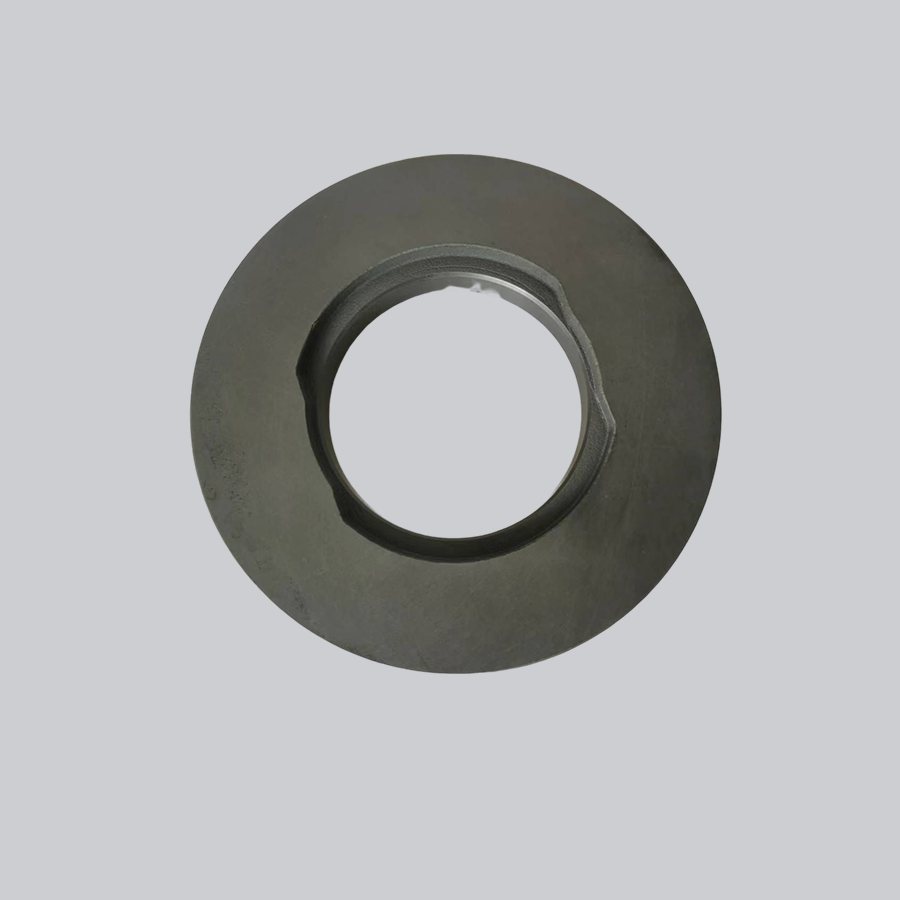
In addition to complete seal units, we manufacture high-precision spare components using Silicon Carbide, Tungsten Carbide, Ceramic, and Carbon Graphite for seal rings, bushings, and thrust discs. All products strictly adhere to international engineering standards, including DIN 24960, EN 12756, ISO 3069, API 610, API 682, and GB6556-94. Our products serve global clients in petroleum refining, chemical processing, power plants, heavy machinery, metallurgy, shipbuilding, sewage treatment, printing and dyeing, food processing, pharmaceuticals, and automotive industries.
Direct drop-in replacements for standard mechanical seals from major global brands with identical dimensional interchangeability.
Comprehensive inspection, re-lapping, dynamic testing, and re-conditioning across all categories of industrial mechanical seals.
Customized engineering design and prototype development according to unique chemical medium specs and equipment drawings.
100% pressure performance testing, material certificate verification, and precision optical flat surface flatness inspection prior to shipment.
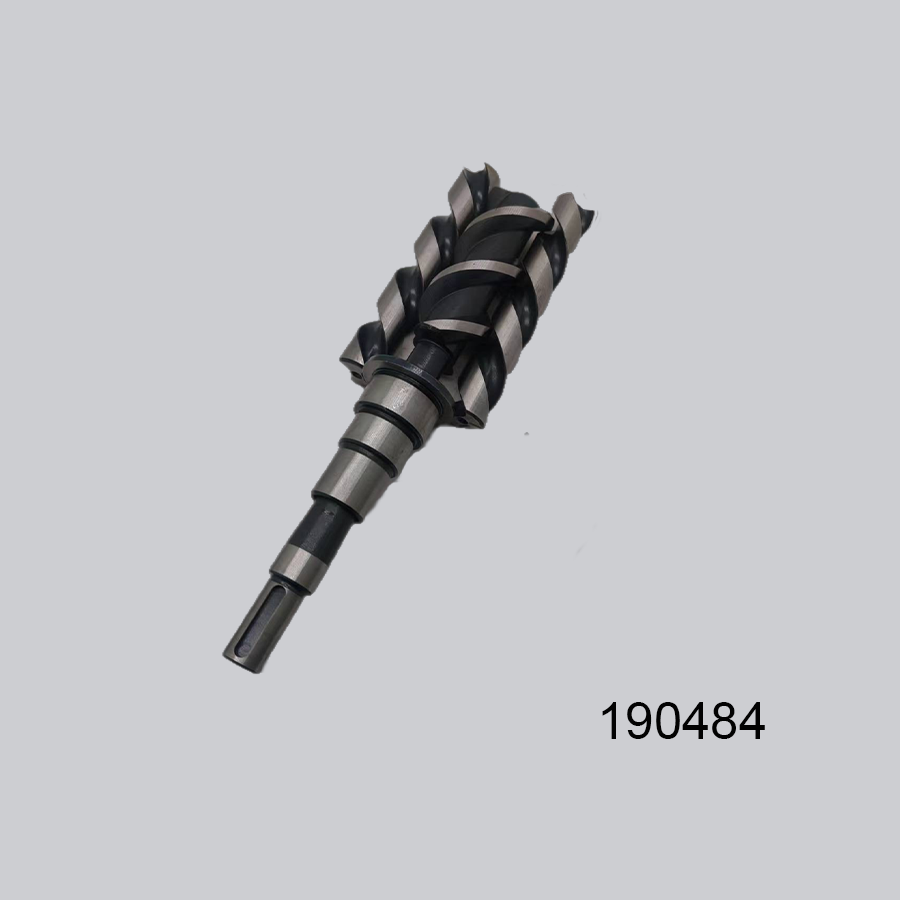
Our balanced mechanical seals and high-precision rotor assemblies operate reliably across major global heavy industries.

Reliable sealing solutions for abrasive black liquor pumps, stock preparation, and chemical bleaching units.

Heavy-duty marine pump shaft seals, ballast water pump seals, and screw pump rotor replacement sets.
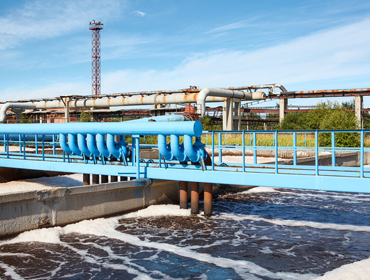
Efficient seal designs for municipal water treatment, desalination high-pressure pumps, and wastewater handling.
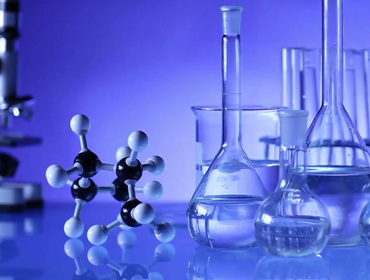
Engineered balanced seals handling aggressive acids, toxic solvents, alkalis, and organic chemicals.
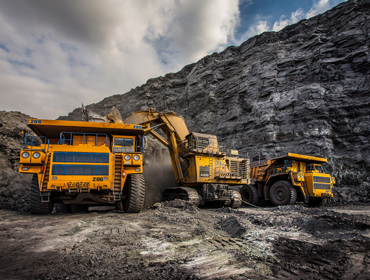
Ultra-rugged hard-faced seals designed to withstand slurry erosion, mineral processing, and dewatering pumps.

API 682 compliant balanced cartridge seals engineered for crude oil transport, gas processing, and offshore platforms.
Find quick answers regarding our product availability, manufacturing capabilities, and chemical seal customization options.
Browse our complete selection of OEM mechanical pump seals, balanced cartridge seals, and precision pump rotor sets for chemical and marine pumps.