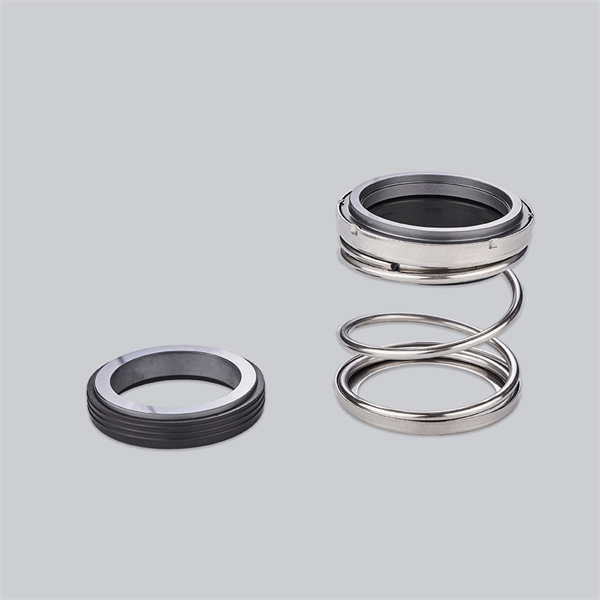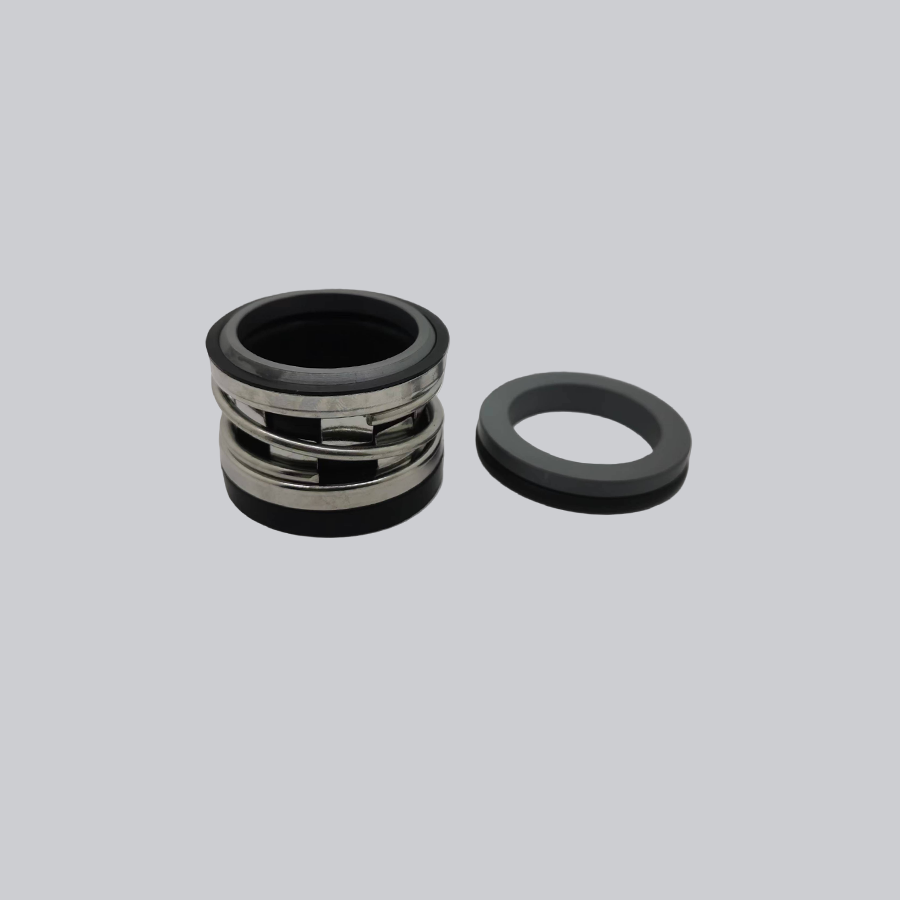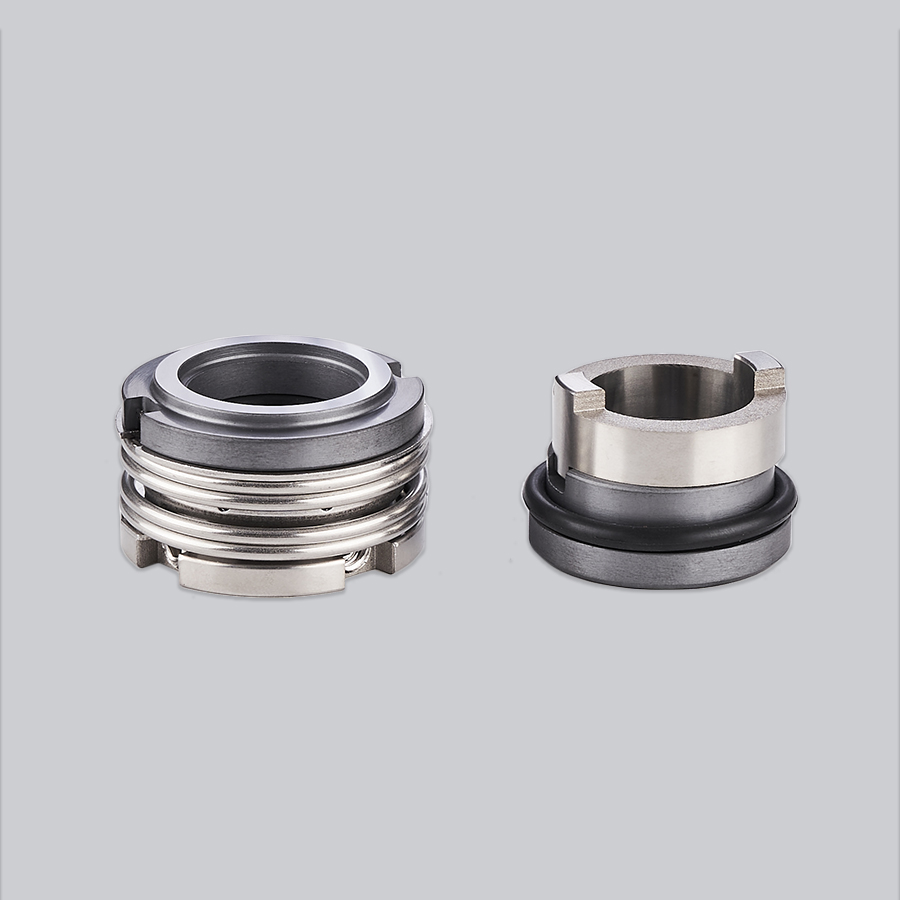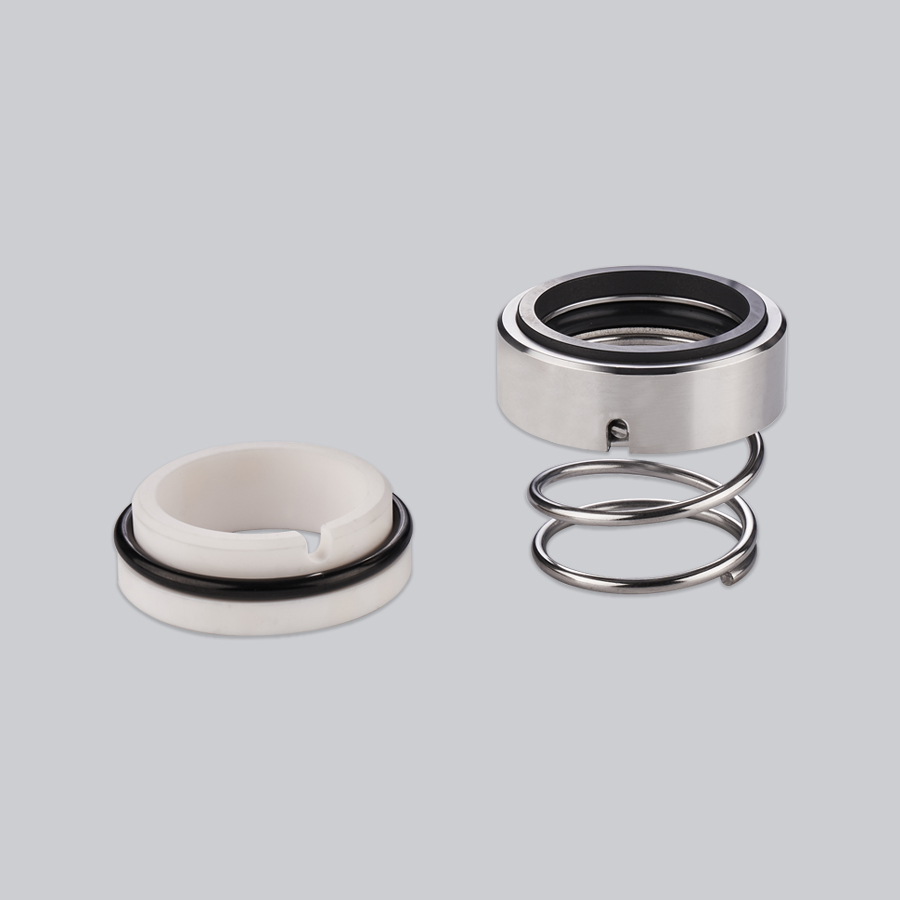


Engineered to meet the stringent demands of modern chemical processing, ensuring zero emissions and long-term reliability.
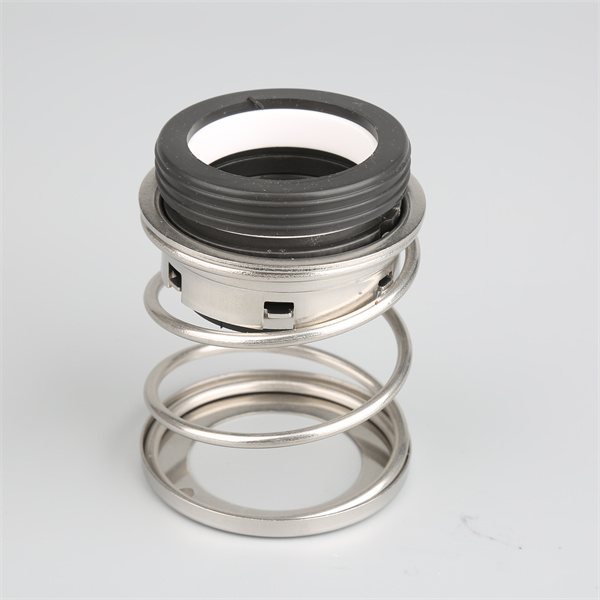
In the modern chemical processing industry, the integrity of fluid containment systems is paramount. Chemical plants handle highly volatile, toxic, corrosive, and flammable fluids daily. Any failure in pump or agitator shafts can result in catastrophic environmental pollution, massive financial losses, and severe safety hazards. This is where Auto Seal technology has emerged as the definitive standard for modern chemical process sealing.
Traditionally, chemical processes relied on compression packing or basic component mechanical seals. While functional, these older systems required frequent manual adjustments, suffered from high leakage rates, and were prone to human error during installation. Today, the industrial landscape has shifted towards automated, self-adjusting, and cartridge-style mechanical seals—broadly categorized as "Auto Seals." These systems leverage advanced material science and pre-engineered components to automatically compensate for shaft misalignment, pressure surges, and thermal expansion without manual intervention.
The Zero-Leakage Mandate: Environmental regulations worldwide, such as the EPA's Clean Air Act and Europe's REACH directives, have forced chemical processing facilities to target fugitive emissions aggressively. Auto Seal systems provide the robust barrier necessary to achieve near-zero emissions, protecting both the workforce and the ecosystem.
Furthermore, the commercial reality of chemical manufacturing demands maximum uptime. A single unscheduled shutdown of a critical process pump can cost hundreds of thousands of dollars per hour. By implementing high-reliability Auto Seals, plants can transition from reactive maintenance to planned, long-term predictive maintenance cycles. The initial investment in superior mechanical sealing technology is quickly offset by the reduction in total cost of ownership (TCO) and the extension of Mean Time Between Failures (MTBF).
How advanced materials and digitalization are shaping the future of industrial chemical containment.
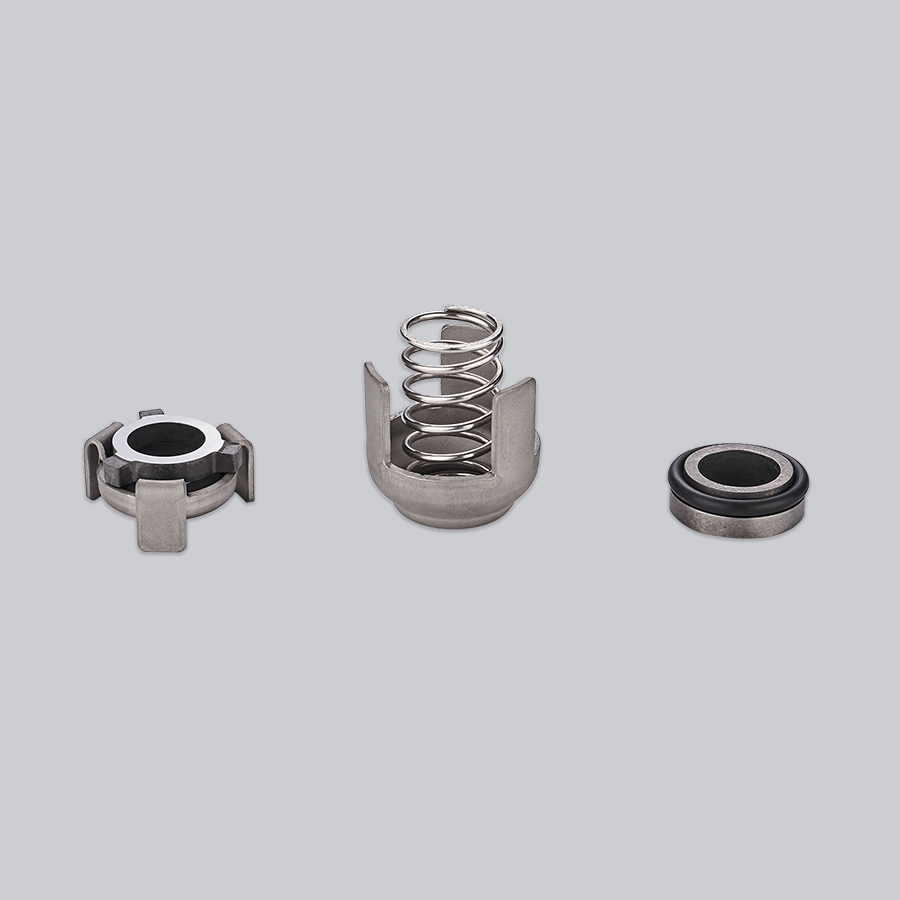
Modern Auto Seals utilize extreme-performance face materials like Sintered Silicon Carbide (SiC), Reaction-Bonded Silicon Carbide, and Tungsten Carbide. These materials offer unmatched hardness, thermal conductivity, and resistance to chemical attack. For highly aggressive media, diamond-like carbon (DLC) coatings are applied to minimize friction and wear.
To combat shaft run-out and radial deflection, Auto Seals incorporate self-aligning stationary faces and spring-loaded dynamic faces. This design ensures that the sealing faces maintain optimal parallel contact even under fluctuating hydraulic pressure, preventing localized overheating and premature face failure.
The integration of smart sensors into mechanical seal gland plates represents the cutting edge of industrial sealing. These sensors monitor barrier fluid temperature, pressure spikes, and vibration levels in real time, feeding data into AI-driven predictive maintenance systems to alert operators before a leak occurs.
To fully appreciate the value of advanced Auto Seal technology, we must examine its performance across specific, highly demanding chemical processing scenarios:
In processes involving concentrated sulfuric acid, hydrochloric acid, or sodium hydroxide, standard metal components degrade rapidly. Auto Seals designed for these environments utilize non-metallic wetted parts or exotic alloys (such as Hastelloy C or Titanium) paired with Silicon Carbide faces. The self-adjusting mechanism ensures that as corrosive wear occurs slowly over time, the seal faces maintain their critical micro-gap, preventing catastrophic leakage of hazardous chemicals.
Pumping polymer melts, resins, or abrasive chemical slurries presents a unique challenge: solid particles can migrate between the seal faces, causing rapid abrasive wear. Auto Seals engineered for slurry service feature specialized wide-face designs and hard-on-hard face combinations (e.g., Silicon Carbide vs. Silicon Carbide). Additionally, they are optimized to work with external flush plans (API Plan 11 or Plan 32) to continuously wash away solids and keep the sealing environment clean.
Petrochemical refining operates at temperatures exceeding 300°C. Under these conditions, standard elastomer O-rings fail due to thermal degradation. Auto Seals for high-temperature service utilize metal bellows (such as Inconel bellows) instead of rubber elastomers. The metal bellows act as both the static sealing element and the spring load, providing outstanding tracking capabilities and thermal stability across extreme temperature gradients.
In pharmaceutical manufacturing, avoiding batch contamination is critical. Sealing systems must comply with sanitary standards (FDA and USP Class VI). Auto Seals for these applications are designed with clean-in-place (CIP) and steam-in-place (SIP) capabilities. They feature smooth external profiles that prevent product build-up and utilize food-grade barrier fluids in double-seal configurations to ensure that any microscopic face wear is directed away from the product stream.
Ningbo Victor Seals Co., Ltd was founded in 1998, more than 20 years ago, located in Ningbo, Zhejiang province. Our factory covers an area of 3,800 square meters and the construction area is 3,000 square meters, totally having more than 40 employees so far. We are a highly professional mechanical seals manufacturer in China, dedicated to delivering robust sealing solutions globally.
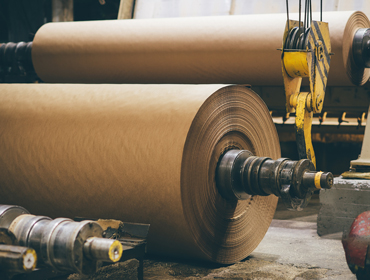
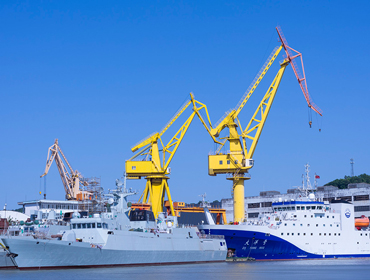
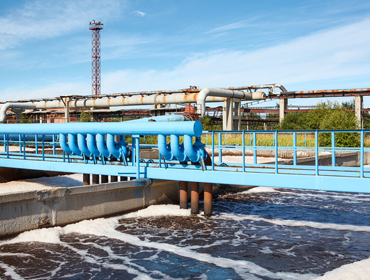
Our brand "victor" has been registered in more than 30 countries worldwide. Our main products are complete sets of mechanical seals, including cartridge seals, rubber bellow seals, metal bellow seals, and o-ring seals. These products are applicable to a wide variety of working conditions. At the same time, we also provide OEM mechanical seals for special working conditions according to customer demands. Meanwhile, we produce different spare parts with materials such as Silicon Carbide, Tungsten Carbide, Ceramic, and Carbon in seal rings, bushings, and thrust discs. The products are designed according to DIN24960, EN12756, ISO3069, API610, API682, and GB6556-94 standards. Our products are widely used in petroleum, chemical industry, power plants, machinery, metallurgy, shipbuilding, sewage treatment, printing and dyeing, food industry, pharmacy, automobile, and so on.
We offer a complete lifecycle of support for chemical process sealing systems, from initial R&D to rapid aftermarket service.
We provide high-precision drop-in replacements for major global brands, including Vulcan, Burgmann, John Crane, and AESSEAL, ensuring seamless compatibility and equivalent or superior performance.
Our engineering team handles all categories of mechanical seals repair. We refurbish worn seal faces, replace damaged elastomers, and pressure-test assemblies to restore OEM-level performance.
For unique chemical environments, high speeds, or non-standard dimensions, our R&D division designs tailored sealing solutions from scratch, utilizing CAD modeling and finite element analysis.
Every single mechanical seal manufactured in our facility undergoes rigorous quality control checks. This includes optical flatness testing of seal faces (up to 1 light band flatness), dimensional verification, and static pressure testing to eliminate any out-of-box failures.
We stand firmly behind our products. Our technical support team is available to assist with installation guidelines, troubleshooting performance issues, and providing fast resolution to any product concerns.
Over two decades of dedication to engineering excellence, competitive pricing, and global logistics support.
With over 20 years of focus on the mechanical seals field, we have acquired deep domain knowledge and solved complex sealing challenges for customers in over 30 countries.
Through optimized manufacturing processes and direct raw material sourcing, we offer prices that are typically 10% lower than other comparable premium suppliers.
Our facility is equipped with state-of-the-art CNC machining centers, automatic grinding machines, and advanced testing apparatus to ensure micro-level precision.
We adhere strictly to international standards, including DIN24960, EN12756, ISO3069, API610, and API682, ensuring high reliability for every single seal.
We maintain a comprehensive inventory of standard mechanical seals and replacement parts, allowing us to respond to emergency breakdown requests immediately.
Leveraging Ningbo's world-class port infrastructure, we guarantee fast delivery for all goods, coordinating with major express carriers and air/ocean freight lines.
Find quick answers to common queries regarding our manufacturing capabilities, lead times, and custom seal design process.
For stock items, we can ship them immediately after payment is received. For other items, we will need 15-20 days for mass production.
We are a direct factory with over 20 years of professional manufacturing experience in Ningbo, China.
Our factory is located in Ningbo, Zhejiang Province, China, close to one of the world's largest deep-water ports.
Yes, of course. We can offer free samples for customers to check the quality before production, with freight collect.
We usually ship goods by express such as DHL, TNT, FedEx, and UPS. We can also ship goods by air and sea according to the customer's requirements.
We accept T/T before qualified goods are ready for shipment.
Yes, customized products are available. We specialize in custom engineering to meet specific industrial requirements.
Yes, we can make the best suitable design in accordance with your specific application parameters and equipment dimensions.
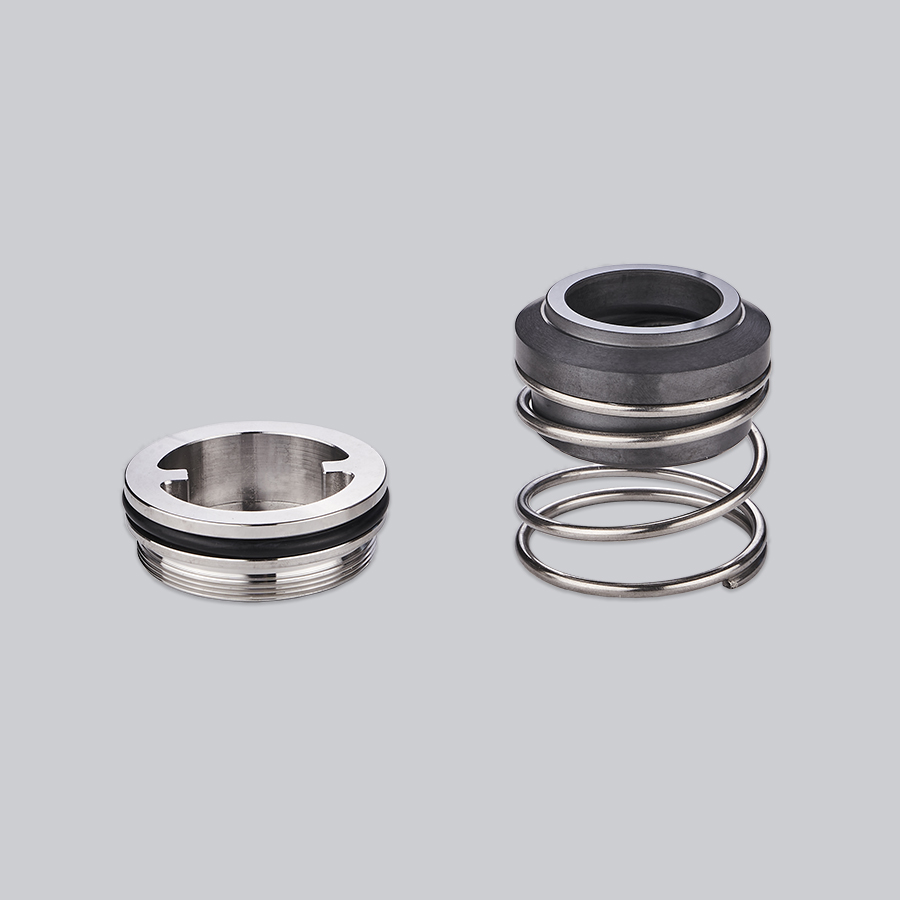
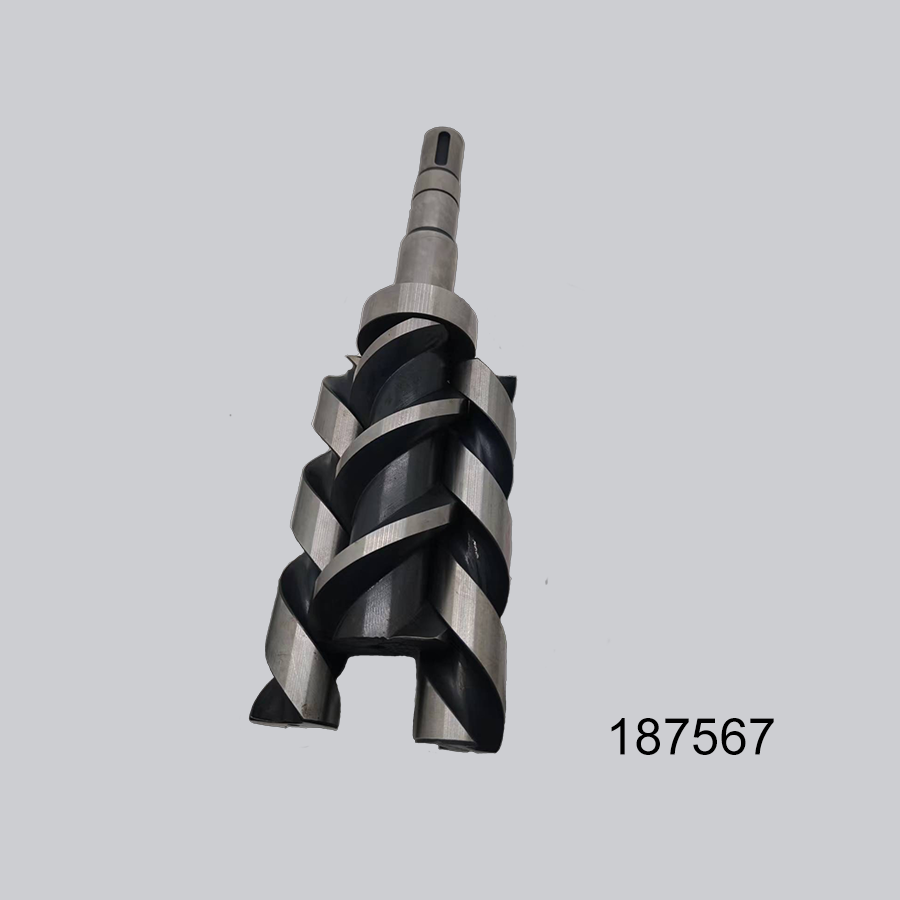
Explore our extensive range of high-performance seals, single spring replacements, cartridge designs, and pump rotor sets.