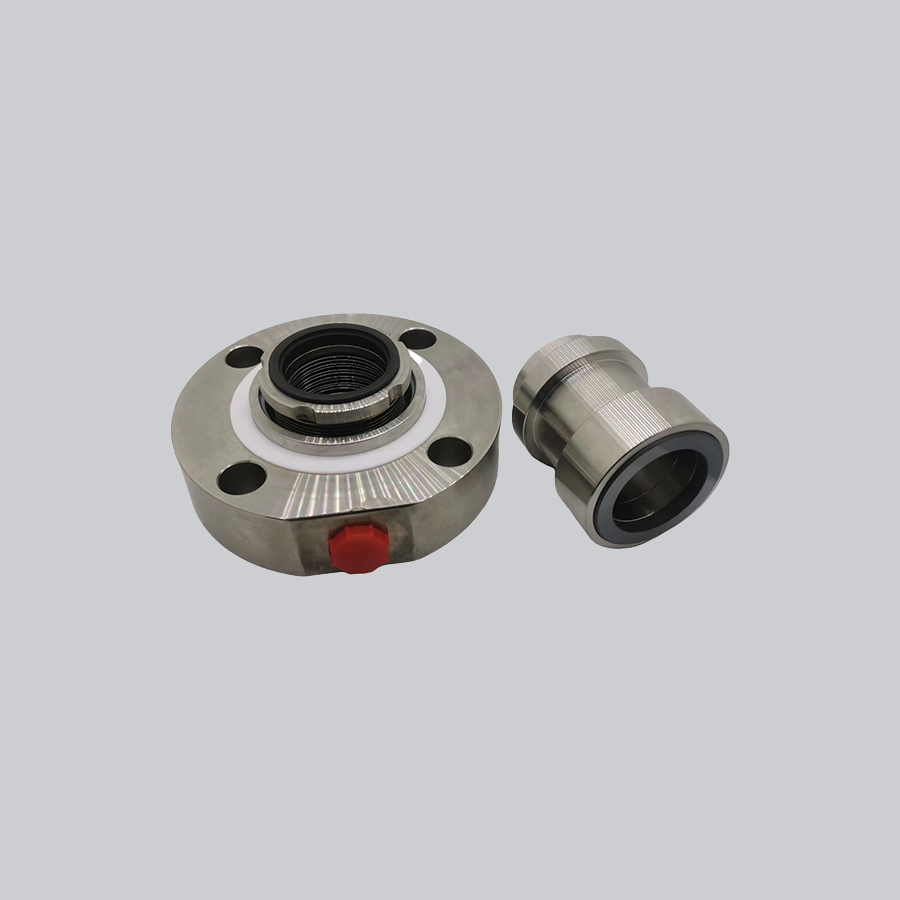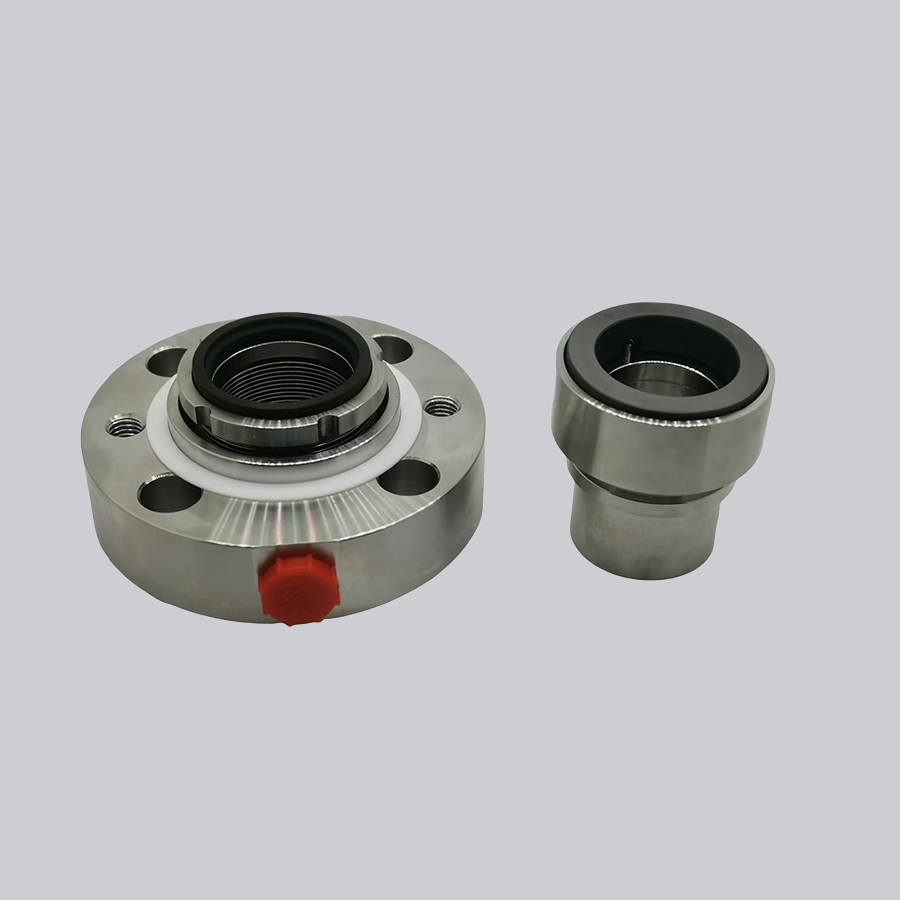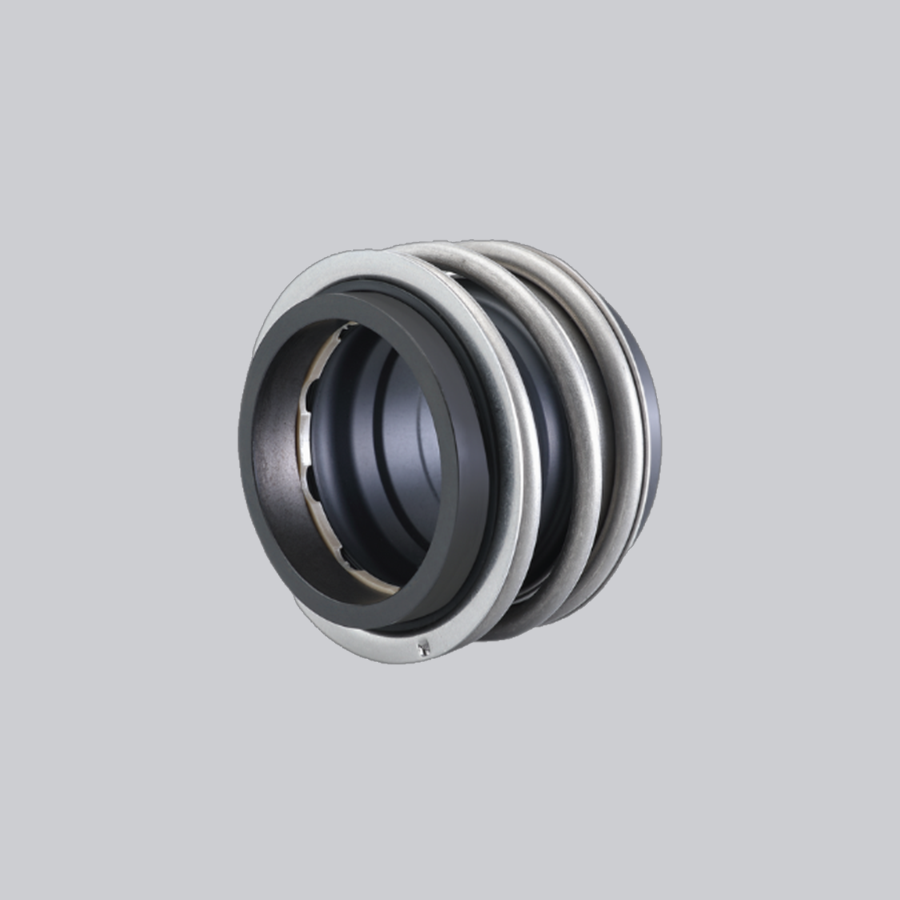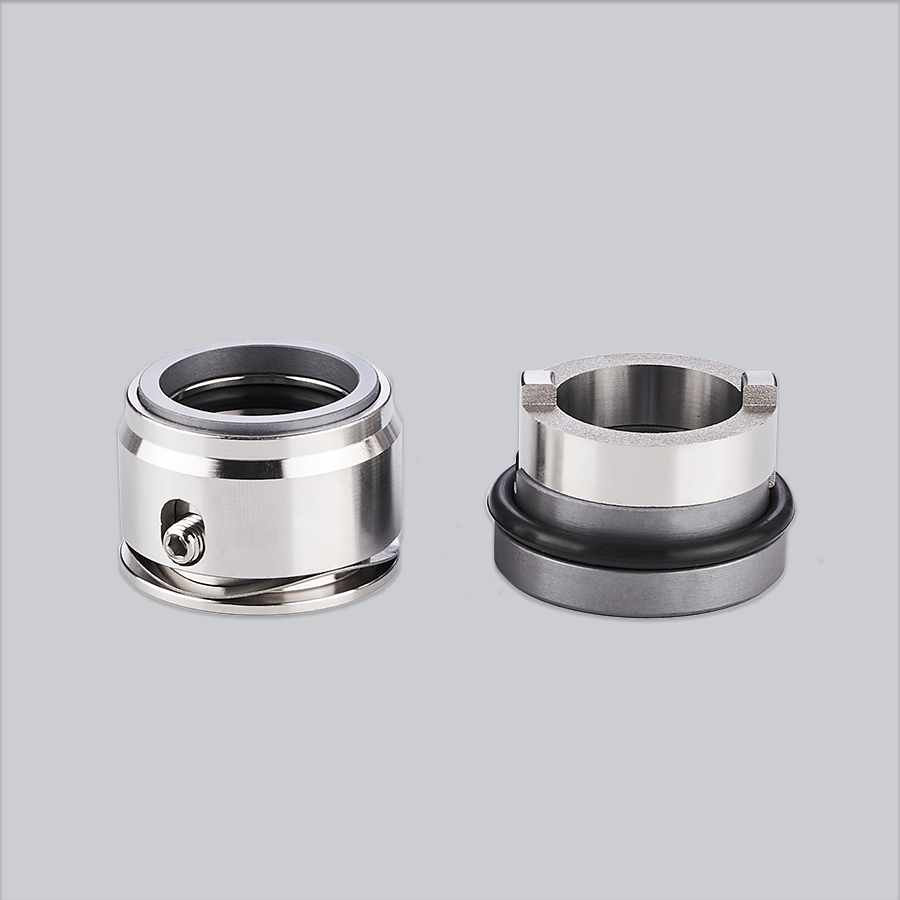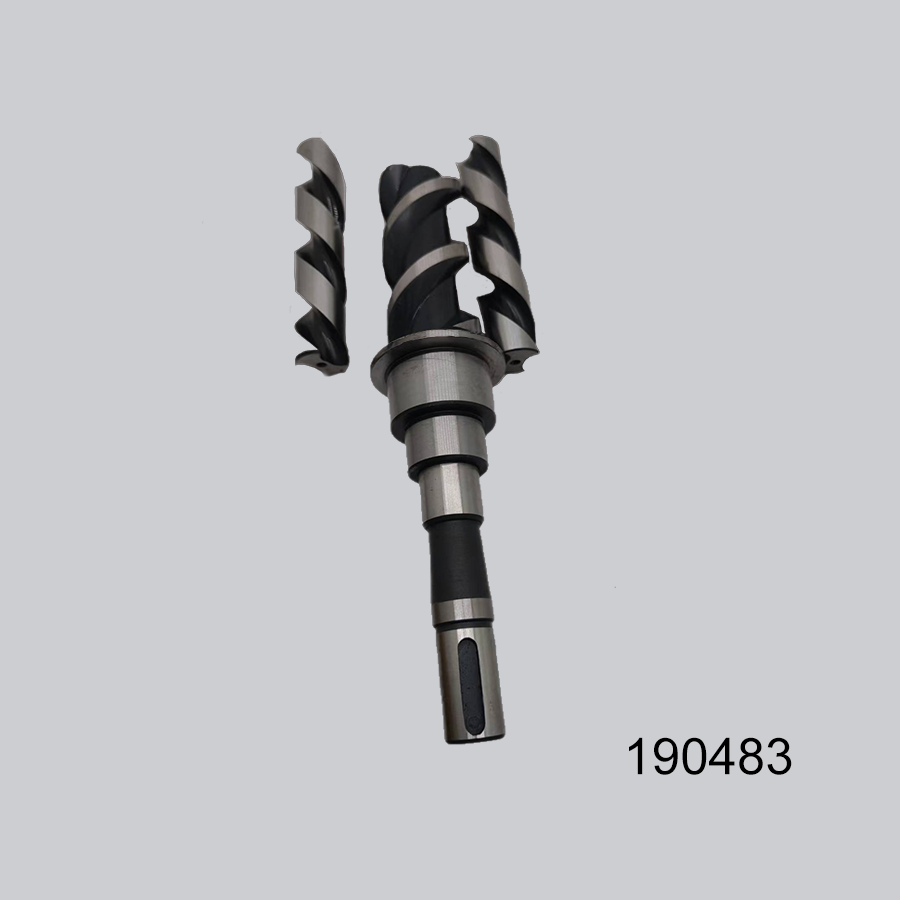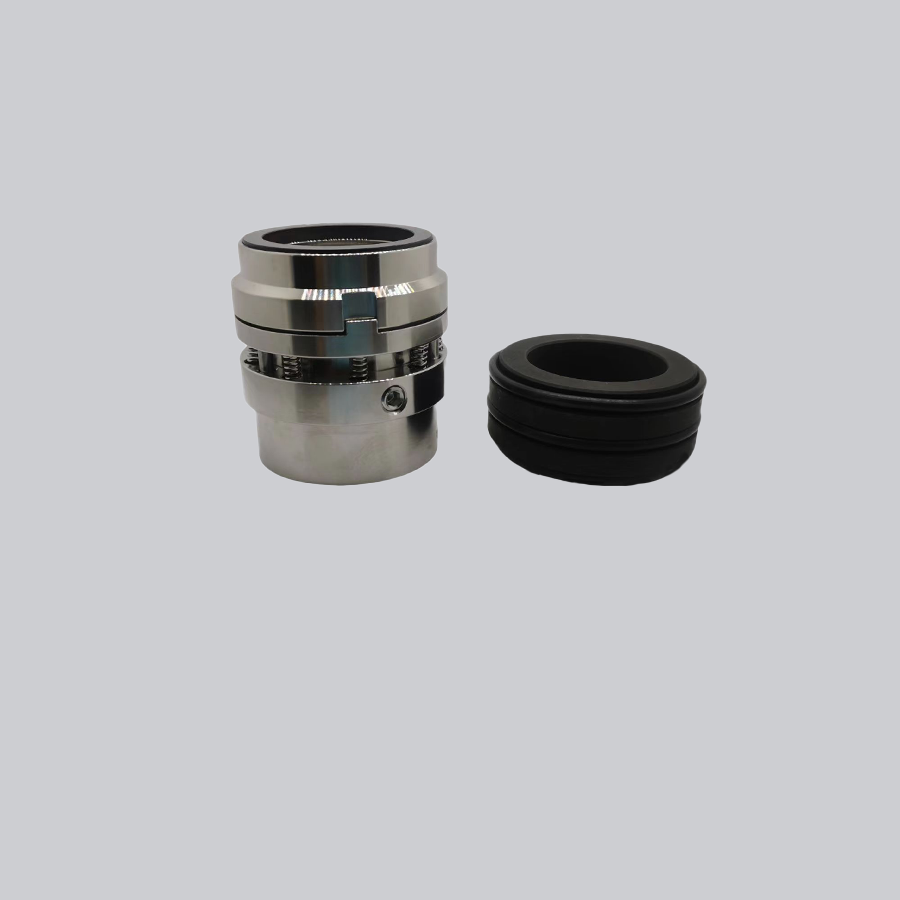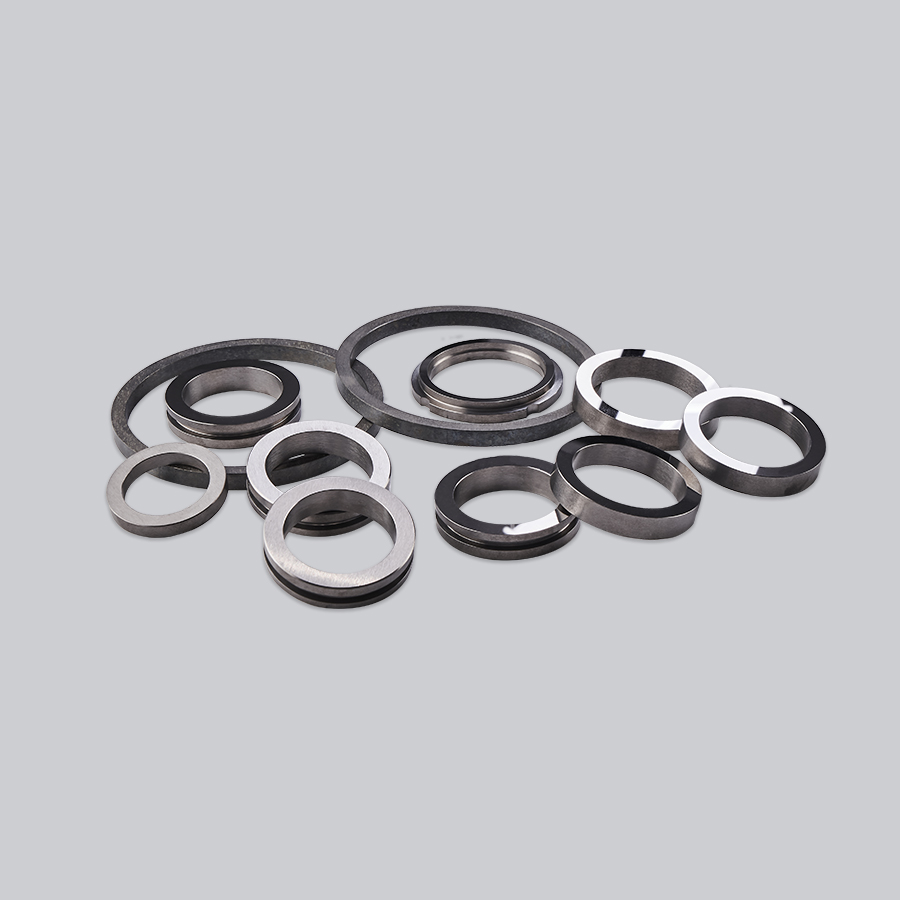


High-integrity seal rings, replacement units, and rotary sets precision-machined to resist extreme radial loads and abrasive media in dynamic mixing systems.
In chemical reactors, pharmaceutical synthesis fermenters, hydrometallurgical autoclaves, and large-scale industrial mixers, the agitator shaft sealing system represents the thin line between uninterrupted productivity and catastrophic environmental release. Unlike standard centrifugal pumps operating with rigid, short-coupled shafts at high angular velocity, industrial agitators, mixers, and stirred-tank reactors (STRs) operate with long overhung shafts, substantial cantilever deflection, and pronounced radial runout often reaching 1.50mm to 3.00mm.
As global processing plants intensify operating pressures above 40 bar and process temperatures surpass 250°C, legacy sealing interfaces such as compression packing or basic alumina ceramics suffer rapid thermal cracking and high friction failure. The industrial transition toward Silicon Carbide (SiC) seal rings has become the universal standard to assure zero fugitive emissions, mitigate high downtime replacement costs, and satisfy stringent environmental standards such as ISO 15848-1, TA-Luft, and ATEX Zone 0 compliance.
In biopharmaceutical cell culture or specialty polymer reactors, a single mechanical seal breakdown mid-batch can result in direct product scrap valuation ranging from $50,000 to over $350,000 per occurrence. Furthermore, the physical effort required to dismount an agitator drive motor, gearbox, and steady bearing to replace worn seal faces demands 16 to 48 maintenance hours.
Deploying advanced Silicon Carbide seal rings (specifically Sintered Alpha SiC and Diamond-Coated SiC) fundamentally rewrites the Total Cost of Ownership. With extreme Vickers hardness (HV > 2500) and thermal conductivity comparable to metals (120 to 140 W/m·K), SiC seal rings resist cavitation erosion, chemical attack across pH 0 to 14, and frictional heat buildup, delivering operational service intervals exceeding 25,000 continuous hours even in abrasive non-Newtonian slurries.
Understanding the microstructural variance between Direct Sintered Silicon Carbide (SSiC), Reaction-Bonded Silicon Carbide (RBSiC), and Tungsten Carbide (TC).
| Material Property | Direct Sintered SiC (SSiC) | Reaction Bonded SiC (RBSiC) | Tungsten Carbide (Ni-Binder) | Alumina Oxide (99.5% Ceramic) |
|---|---|---|---|---|
| Bulk Density (g/cm³) | 3.10 - 3.15 | 3.05 - 3.10 | 14.8 - 15.1 | 3.90 |
| Hardness (Vickers HV) | 2500 - 2800 | 2000 - 2300 | 1500 - 1700 | 1400 - 1600 |
| Thermal Conductivity (W/m·K) | 110 - 130 | 130 - 150 | 70 - 85 | 25 - 30 |
| Coefficient of Thermal Expansion (10⁻⁶/K) | 4.0 | 4.3 | 5.2 | 8.0 |
| Chemical Resistance Range | pH 0 - 14 (Universal, No Free Si) | pH 4 - 11 (Vulnerable to strong alkalis) | pH 6 - 12 (Leaching risk in acids) | pH 2 - 11 (Brittle shock risk) |
| Friction Coefficient (Lubricated) | 0.04 - 0.08 | 0.06 - 0.10 | 0.08 - 0.14 | 0.15 - 0.25 |
| Dry Running Resilience | Moderate (Requires barrier fluid) | Low to Moderate | Low (Severe heat checking risk) | Poor (Instant thermal fracture) |
Formed by pressureless solid-state sintering of sub-micron alpha-phase SiC powders at 2100°C. Possesses zero free elemental silicon, offering absolute chemical inertness in boiling hydrofluoric acid, concentrated sodium hydroxide, and aggressive organic solvents. Its single-phase crystalline structure ensures uniform face wear and eliminates galvanic corrosion risks.
Produced through liquid silicon infiltration of a compacted carbon-silicon matrix. RBSiC exhibits outstanding complex geometry moldability and very high thermal conductivity (up to 150 W/m·K), making it cost-efficient for large diameter (over 150mm) agitator rings operating in neutral pH slurries, mining pulp, and FGD desulfurization systems.
The vanguard of agitator tribology involves Chemical Vapor Deposition (CVD) nanocrystalline diamond coating or laser-textured micro-dimple surfacing. These micro-reservoirs sustain continuous hydrodynamic fluid films even at low rotational agitator speeds (20 to 120 RPM), virtually eliminating stick-slip friction and preventing catastrophic dry-run seizure during vessel drainage.
Agitator shaft sealing differs drastically from standard rotary equipment. Here is how precision-lapped SiC seal rings mitigate operational failure modes.
In top-entry agitators spanning 3 to 12 meters in shaft length, dynamic hydraulic forces on the impellers during turbulent blending induce dramatic bending moments. Shaft eccentricity and radial runout frequently exceed mechanical seal tolerances designed for pumps. When standard brittle materials are subjected to face misalignment, edge-chipping and localized face cracking occur instantly.
Our precision SiC seal rings are designed with optimized cross-sectional aspect ratios, radiused beveling, and finite-element-optimized drive lugs. When matched with self-aligning cartridge assemblies, SiC rings maintain absolute optical flatness (within 2 to 3 helium light bands / 0.6 to 0.9 µm), preserving a micro-lubrication barrier film regardless of instantaneous shaft angularity.
In polymerization reactors and pharmaceutical autoclaves, vessel conditions shift rapidly from ambient charging to 220°C exothermic polymerization, or undergo live steam SIP (Steam-In-Place) cycles at 135°C followed by chilled sterile water flushing. Materials with high thermal expansion or low thermal shock resistance experience thermal fatigue and radial stress cracks.
Silicon Carbide’s exceptionally low coefficient of thermal expansion (4.0 × 10⁻⁶/K) combined with high thermal dissipation ensures that frictional heat generated across wide seal faces is rapidly transferred into the seal chamber barrier fluid (Plan 53A / 53B / 54 systems), eliminating local thermal hot spots and blistering.
In bottom-entry or side-entry agitators installed in precipitation crystallizers, FGD absorbers, and mineral slurry leaching tanks, hard suspended solids continuously settle directly upon the sealing interface. When crystals precipitate between seal faces during batch cooling, softer face pairs like carbon or bronze suffer immediate severe gouging and rapid mechanical wear.
Deploying a Hard-on-Hard pairing of SSiC versus SSiC guarantees that abrasive particles are pulverized rather than embedded. The extreme hardness of SSiC (Mohs 9.5) resists quartz, mineral ores, and chemical crystals, ensuring the seal interface maintains boundary-layer hermetic integrity without face deformation.
Top-entry reactor seals frequently operate completely within the vapor space above the liquid level. At low operational speeds (e.g., 30 to 60 RPM), conventional hydrodynamic lift cannot form a sufficient fluid film, causing boundary friction, squealing, and elevated wear. Carbon-graphite rings running dry against standard alloys generate black carbon dust that contaminates high-purity pharmaceutical media.
Engineered SiC seal rings equipped with laser-machined hydrodynamic micro-grooves or porous structures leverage barrier gas (e.g., pressurized dry nitrogen under API Plan 74) to generate aerodynamic non-contacting lift. This ensures frictionless operation, zero product contamination, and indefinite dry-running longevity.
From sterile biopharmaceutical fermenters to aggressive deep-sea chemical processing, our SiC components thrive where others fail.
Used in glass-lined and hastelloy chemical synthesis reactors handling chlorinated aromatics, thionyl chloride, and fuming acids. SSiC guarantees zero metallic ion leaching and imperviousness to aggressive solvent swelling.
Certified for FDA, USP Class VI, and cGMP compliance. Diamond-coated SiC surfaces prevent carbon particle generation, withstand daily CIP/SIP steam cycles, and preserve pure batch integrity.
Engineered for high-pressure acid leach (HPAL) autoclaves running nickel, gold, and copper ore slurries at 200°C with 30% solids concentration. Massive resistance to abrasive gouging.
High-viscosity planetary and disperser mixers formulating cathode/anode pastes. Zero iron/metal cross-contamination is essential to prevent battery short-circuiting; ultra-pure SiC is mandatory.
Pioneering precision fluid sealing engineering, silicon carbide synthesis, and OEM sealing hardware for over two decades.
Ningbo Victor Seals Co., Ltd was founded in 1998, more than 20 years ago, located in Ningbo, Zhejiang province. Our manufacturing facility covers an area of 3,800 square meters with an advanced construction area of 3,000 square meters, currently employing more than 40 highly dedicated engineers, CNC machinists, and ceramic specialists. We are proud to be recognized as one of the most professional mechanical seals manufacturers in China.
Our registered brand "Victor" has earned an international reputation and is registered in more than 30 countries worldwide. Our complete portfolio covers industrial cartridge seals, rubber bellow seals, metal bellow seals, and O-ring mechanical seals suitable for diverse operating conditions. In addition, we deliver specialized custom OEM mechanical seal solutions tailored to unique industrial blueprints.
We manufacture advanced replacement and OEM spare parts incorporating Silicon Carbide (SSiC & RBSiC), Tungsten Carbide (Ni & Co binder), High-Purity Alumina Ceramic, and resin/antimony-impregnated Carbon Graphite in seal rings, bushings, and thrust discs.
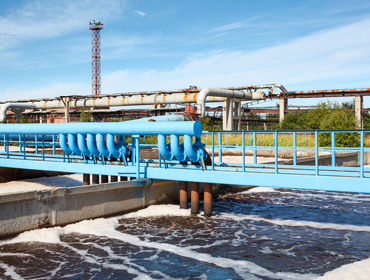
All components conform meticulously to DIN24960, EN12756, ISO3069, API 610, API 682, and GB6556-94 standards. Our sealing solutions operate reliably in petroleum, chemical processing, power generation plants, heavy machinery, metallurgy, shipbuilding, industrial wastewater treatment, textile printing and dyeing, food and beverage processing, pharmacy, and automotive industries.
From standard replacement seals to turnkey agitator seal chamber retrofitting and bespoke R&D engineering.
Direct drop-in replacements for global brands including Burgmann, John Crane, Chesterton, Flowserve, Grundfos, Allweiler, and IMO, meeting or exceeding OEM service specifications.
Complete overhaul of all mechanical seal categories: ultra-precision diamond face lapping (within 2 helium light bands), dynamic pressure testing, ultrasonic cleaning, and elastomer replacement.
Dedicated finite element engineering (FEA) and tribological R&D to develop proprietary cartridge assemblies and custom SiC ring geometries for extreme agitator runout and specialized chemical vessels.
Strict multi-stage quality control before shipment: optical interferometry flatness validation, coordinate measuring machine (CMM) dimensional checks, hydrostatic pressure testing, and material certification.
Direct access to application specialists, on-site troubleshooting guidance, root-cause failure analysis (RCFA), and rapid technical dispatch for critical industrial line stoppages.
Expedited delivery via DHL, FedEx, UPS, air cargo, and ocean freight, backed by strategic inventory warehousing of standard seal types for rapid turnaround.
Combining over two decades of mechanical seal expertise with advanced ceramic manufacturing and competitive economics.
Over two decades dedicated to mastering mechanical seal design, high-pressure tribology, and harsh dynamic fluid dynamics.
Direct factory sourcing and lean manufacturing allow us to offer tier-one quality at an average of 10% lower pricing than alternate European/US suppliers.
Furnaces, automated CNC machining centers, and optical testing equipment allow high-precision tolerances on micro-grain SiC seal faces.
Every seal ring undergoes 100% optical flat verification and dimensional checking to guarantee leak-free containment from first startup.
We maintain extensive warehouse stock for common DIN standard seals, shaft sleeves, and standard SiC/TC rings for immediate emergency shipping.
Fast dispatch for in-stock components and an accelerated 15 to 20-day production cycle for high-volume custom manufacturing orders.
Victor Seals products are integrated across the world's most demanding process environments.
Clear answers to common questions about lead times, custom manufacturing, material compatibility, and ordering.
Precision-manufactured mechanical seal assemblies and high-performance replacement units ready for immediate industrial deployment.
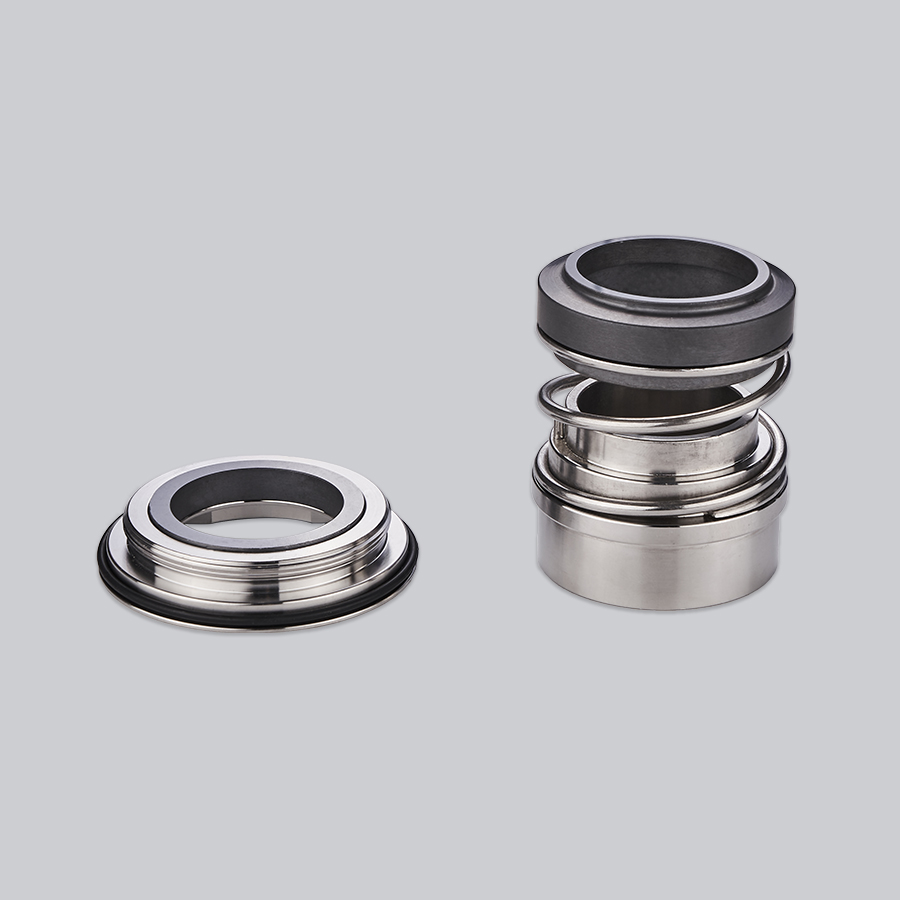
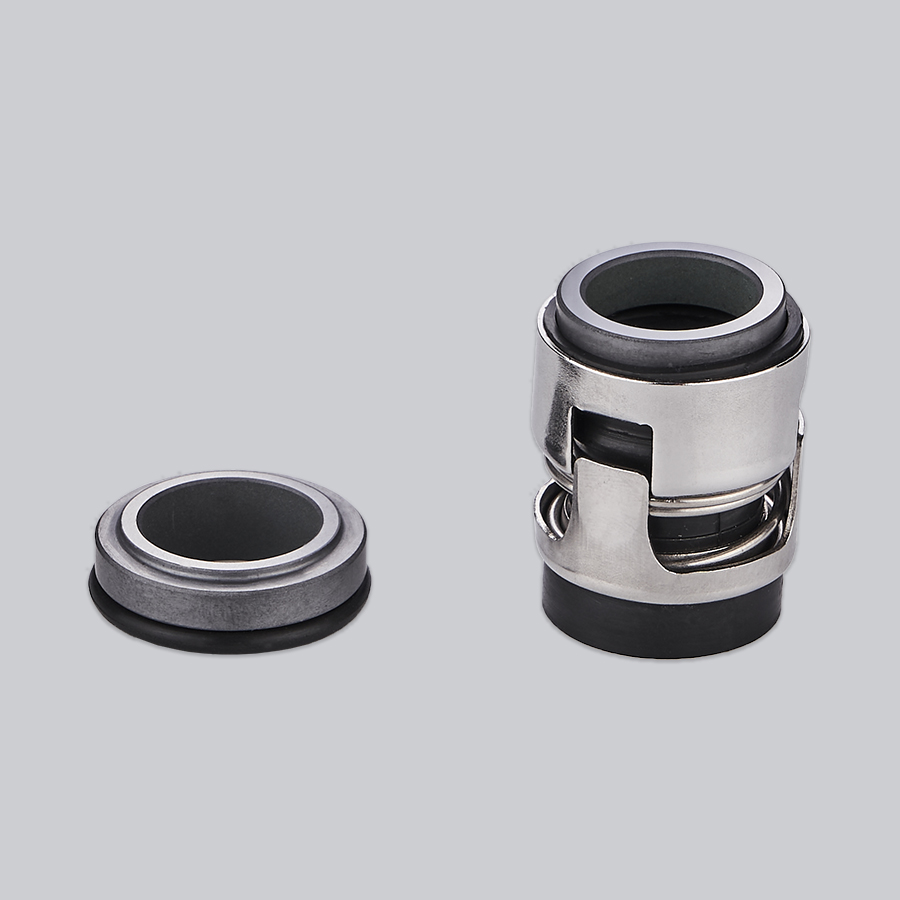
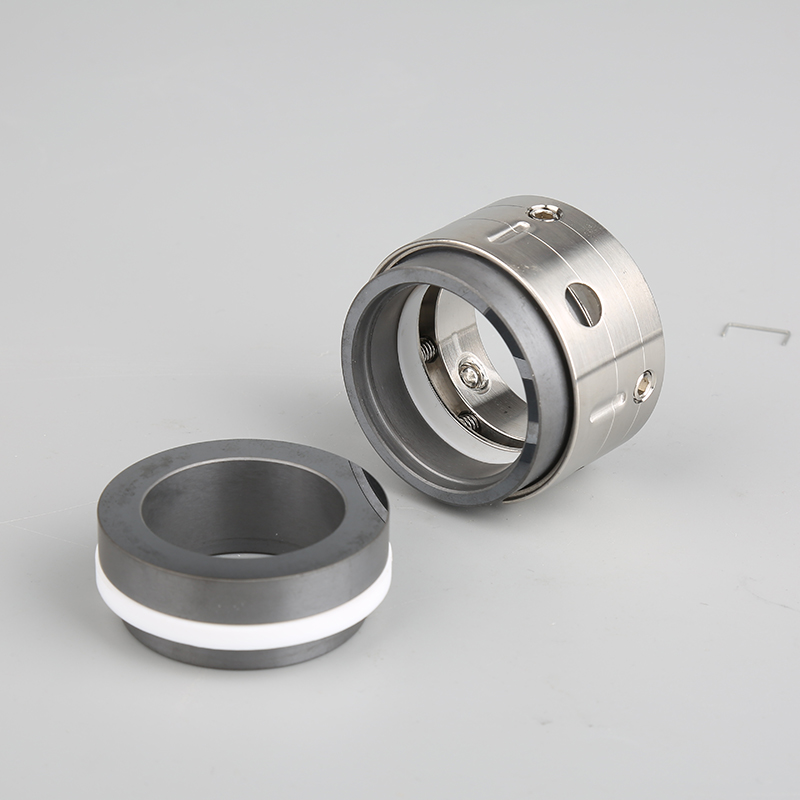
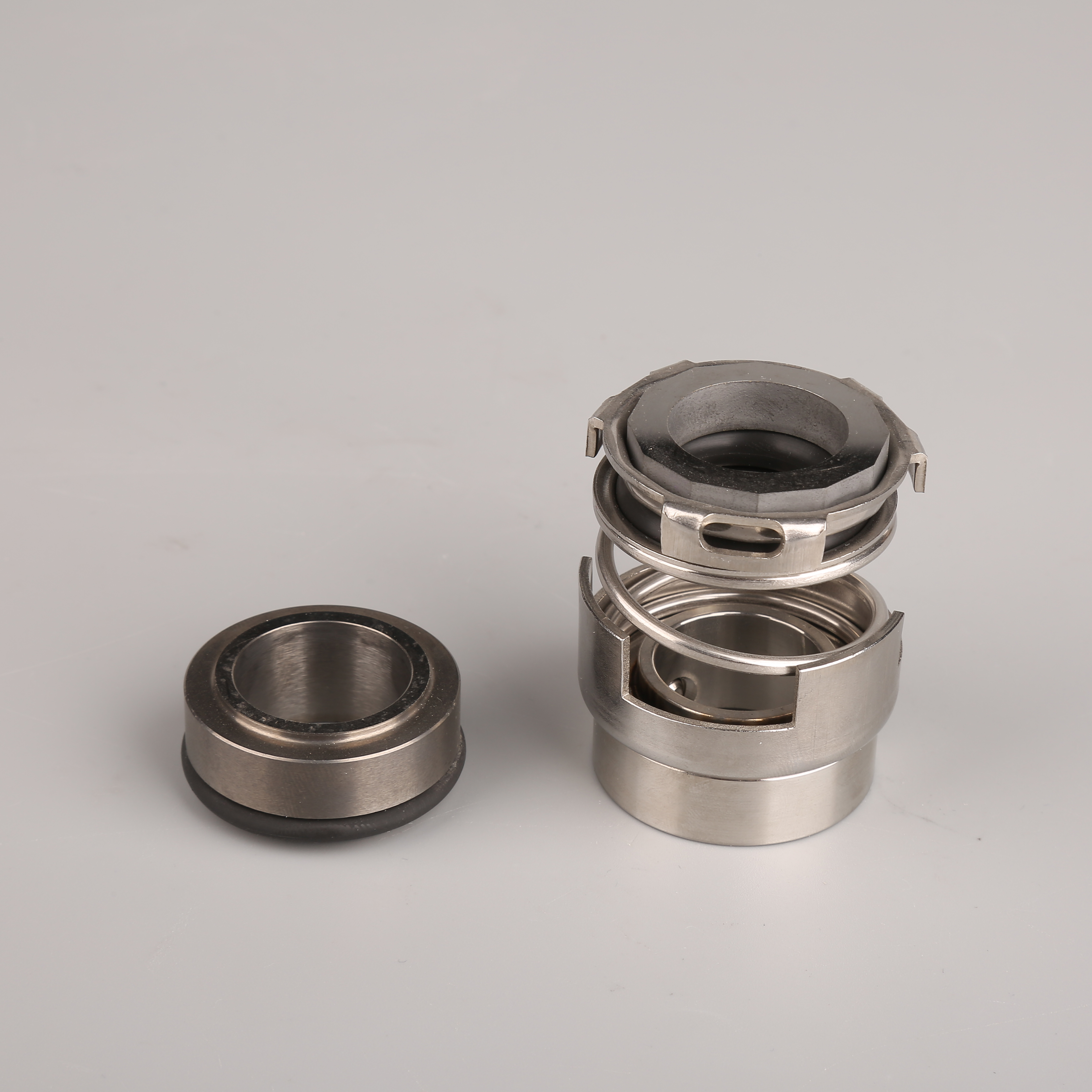
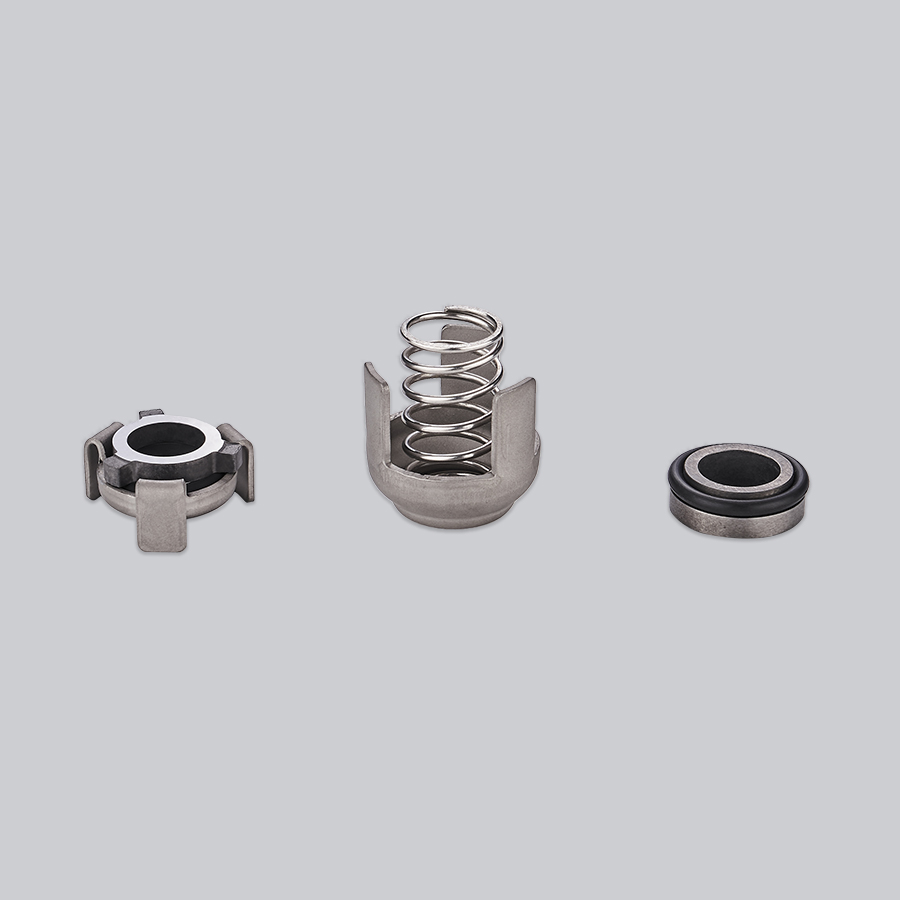


Explore our full line of industrial spare parts, triple screw pump rotors, cartridge seals, and OEM equipment replacements.