

High-end radial shaft seals, mechanical dynamic faces, and elastomeric systems built to withstand extreme peripheral shaft speeds, synthetic oils, and thermal cycles.
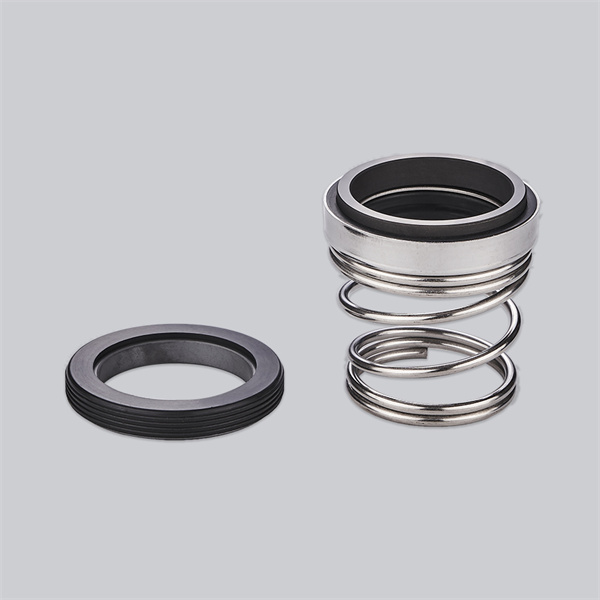
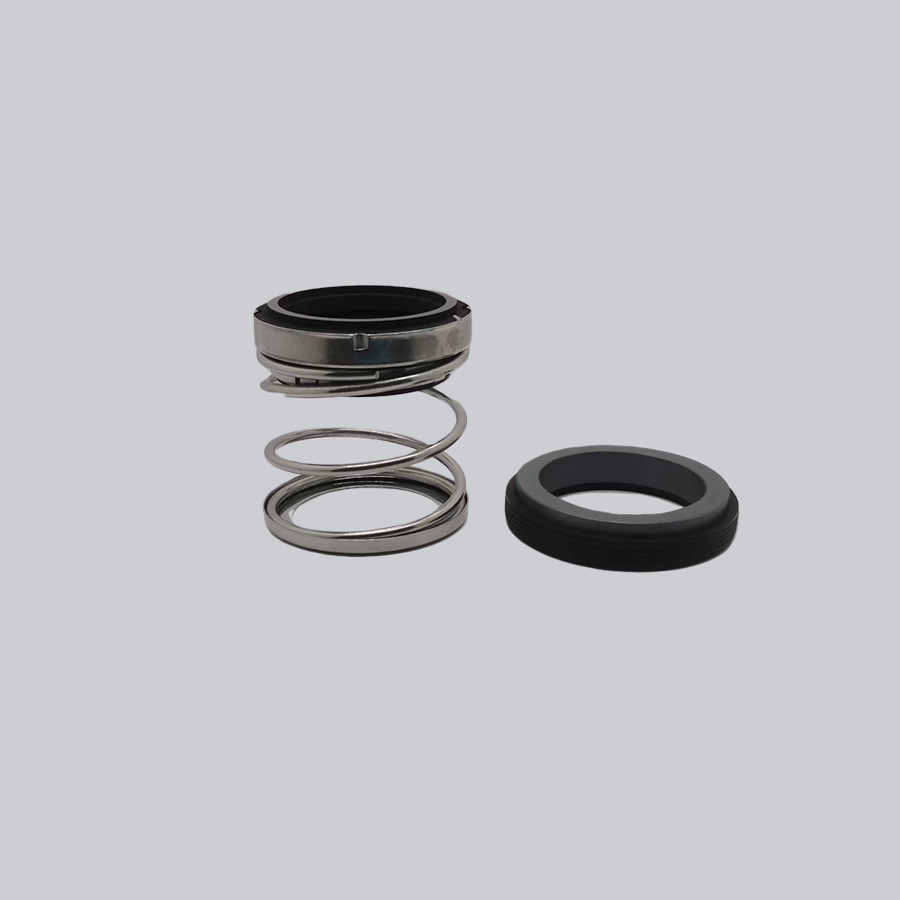
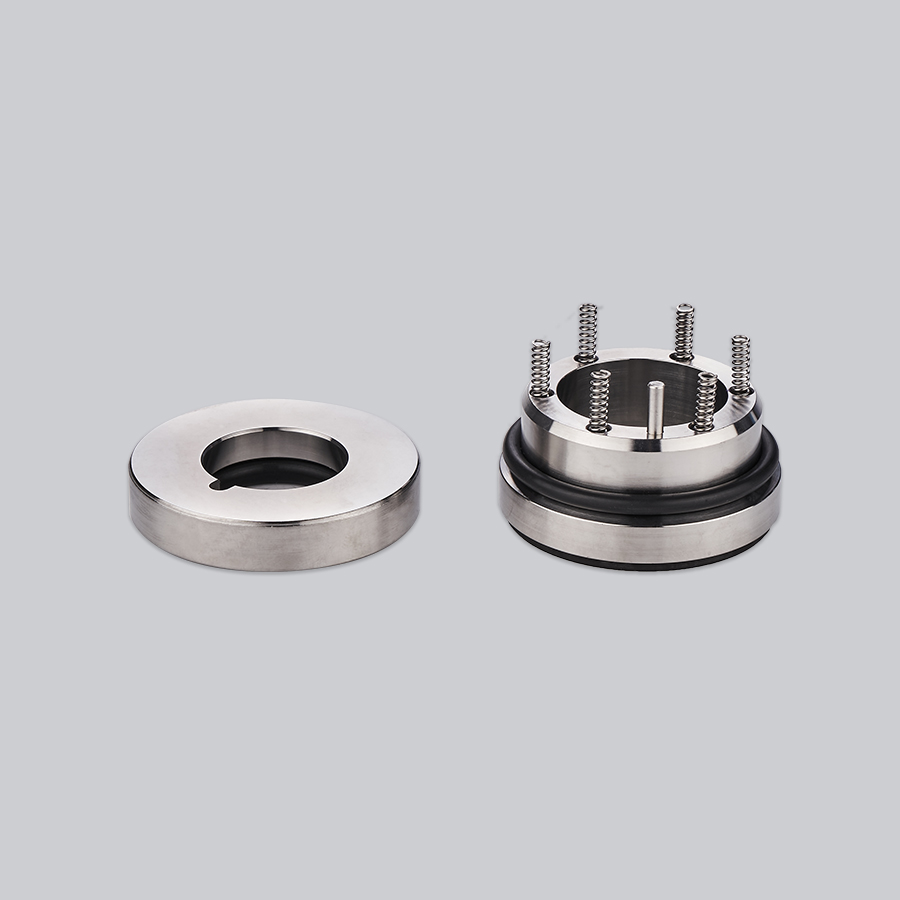
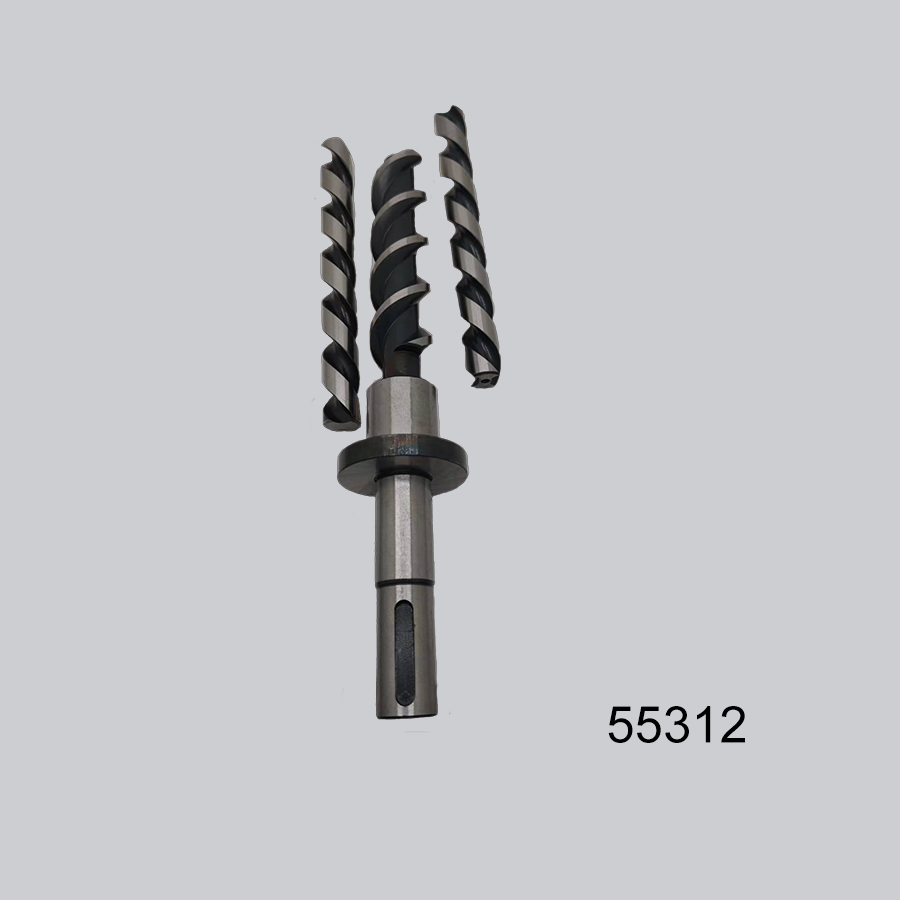
The convergence of strict fuel economy requirements, Euro 7 emissions mandates, and high-RPM electric powertrains has reshaped the requirements of automotive oil seals.
Modern Electric Vehicle (EV) drive units run rotor shafts up to 20,000+ RPM. Next-generation oil seals must resist extreme dynamic runout, dielectric fluid exposure, and high peripheral velocities without thermal degradation.
Parasitic friction from standard lip seals consumes 1-2% of overall powertrain output. Hydrodynamic micro-ribbed profiles and PTFE composite compounds slash parasitic drag while preserving continuous hydrodynamic return pumping.
The automotive shift toward ultra-low viscosity engine oils (0W-16, 0W-8) and specialized automatic transmission fluids requires lip materials with exceptional chemical stability against aggressive friction modifiers and detergents.
In vehicular engineering, dynamic fluid sealing represents one of the most critical mechanical boundary layers. Dynamic radial lip oil seals serve two primary missions: retaining functional lubricants within the bearing and gear housings, and aggressively excluding environmental contaminants such as road grit, saline splashes, fine particulates, and wash water. As internal combustion engines (ICE), hybrid transmissions, and battery electric vehicles (BEV) pursue maximum thermodynamic and electromechanical efficiencies, the requirements placed on dynamic oil seals have surged exponentially.
Under conventional combustion architectures, crankshaft front and rear seals, camshaft seals, differential pinion seals, and transmission input/output shaft seals operate under continuous thermal soak—often between -40°C and 160°C. Concurrently, the global automotive drive toward reduced tailpipe emissions has prompted lubrication engineers to deploy ultra-thin, low-friction synthetic formulations loaded with aggressive anti-wear additives, esters, and detergent packs. Dynamic lip compounds must maintain structural elasticity, lip tension balance, and dimensional stability over operational lifespans exceeding 250,000 kilometers.
The automotive industry's historic transition toward electrification brings unprecedented tribological hurdles. High-voltage traction motors operating in integrated e-axles integrate the rotor, planetary reduction gears, and differential inside a unified casing. This architectural trend eliminates traditional driveshaft decoupling, forcing dynamic oil seals to operate under novel conditions:
Our engineered radial oil seals and precision mechanical interfaces are produced in strict conformance with international automotive standards (DIN 3760, ISO 6194, SAE J946, and IATF 16949 compliant facilities).
The performance boundary of any dynamic automotive oil seal is dictated by its polymeric matrix and spring loading geometry. Below is an engineering comparison of the core elastomeric materials deployed across modern automotive fluid sealing applications:
FKM remains the benchmark material for heavy thermal and aggressive fluid environments, including engine crankshafts, turbocharger oil circuits, and transmission input shafts. Offering outstanding resistance to synthetic oils, acidic combustion byproducts, and temperatures up to 200°C, specialized bisphenol or peroxide-cured FKM grades prevent premature elastomer hardening and under-lip carbonization.
Engineered PTFE lip seals with carbon, graphite, or bronze fillers deliver unmatched low-friction performance, near-zero stick-slip, and exceptional dry-run survival. PTFE dynamic seals dominate high-speed e-axles and dry-sump racing engines. The memory characteristics of stamped PTFE wafers allow hydrodynamic swirl grooves to be thermo-embossed directly into the sealing contact edge, providing an active micro-pump pumping oil back into the sump under continuous high RPMs.
AEM fills the crucial technical and economic middle ground between Nitrile (NBR) and Fluoroelastomers. It displays exceptional damping properties, broad thermal capability (-40°C to 165°C), and exceptional endurance in automatic transmission fluids (ATF), modern gear lubricants, and pressurized turbocharger duct systems.
HNBR provides superior mechanical toughness, tear resistance, and tensile strength compared to standard fluorocarbon polymers. Widely specified in dynamic timing gear seals, air conditioning R134a/R1234yf compressor shaft seals, and high-pressure power steering systems subject to pulsating mechanical shock loads.
From crankshaft main bearings to electric drive reducers, dynamic sealing requires tailored tribological interfaces.
Exposed to continuous reciprocating vibration, crankshaft end-play, and intense blow-by gases. Modern crankshaft rear seals are integrated into lightweight aluminum or stamped steel carriers with integrated magnetic encoder rings for engine management timing.
Isolating the dry electric motor cavity from the reduction gearbox oil sump. Must operate at up to 22,000 RPM with minimal frictional torque, ultra-low hysteresis, and long-term chemical compatibility with dielectric immersion cooling fluids.
Sealing input shafts, dual-clutch oil feeds, torque converters, and output drives. Requires low-friction radial lips that maintain fluid separation between gear fluid chambers under high pressure spikes and fluctuating fluid levels.
Subjected to high particulate contamination, mud, and water wading. Utilizes advanced cassette seal designs integrating multiple axial and radial exclusion lips with stainless steel counter-faces in a pre-greased, unitized cartridge.
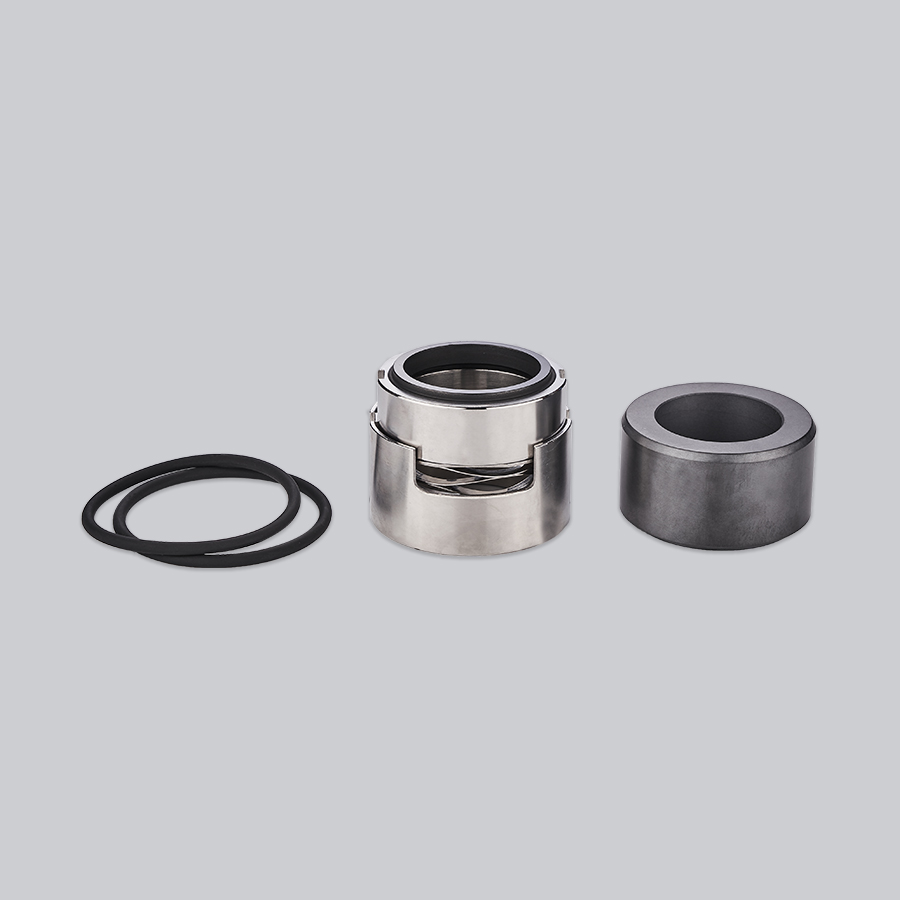
Dynamic mechanical face seals with silicon carbide and carbon rings designed to isolate glycol-based coolants across temperature ranges from -40°C freezing cold-starts to 135°C pressurized operating blocks under extreme cavitational stress.
Precision micro-lip seals engineered for electromechanical ball screws and hydraulic assist cylinders, requiring zero breakaway friction to ensure instantaneous driver feedback and smooth autonomous driving steer-by-wire responses.
The modern design of automotive fluid seals has evolved beyond empirical trial-and-error prototyping. By leveraging computer-aided engineering (CAE) integrated with neural-network-trained elastomeric models, seal manufacturers predict the precise radial load distribution, contact band width, and lip temperature profile under transient operating cycles before steel molds are cut.
Finite Element Analysis simulates hyperelastic Mooney-Rivlin and Ogden material behaviors under varying shaft runout and eccentric wobble. Concurrently, computational fluid dynamics (CFD) models the micro-scale meniscus beneath the sealing lip, optimizing the sinusoidal spiral grooves (hydrodynamic return ribs). This artificial-intelligence-driven computational workflow cuts development cycles from months to days while guaranteeing zero-failure reliability in mission-critical automotive programs.
Over two decades of precision mechanical seals and fluid sealing innovation.
Ningbo Victor Seals Co., Ltd was found 1998, more than 20 years ago, located in Ningbo Zhejiang province. Our factory covers an area of 3800 square meters and the construction area is 3000 square meters, totally have more than 40 employees so far. We are very professional mechanical seals manufacturer in China.
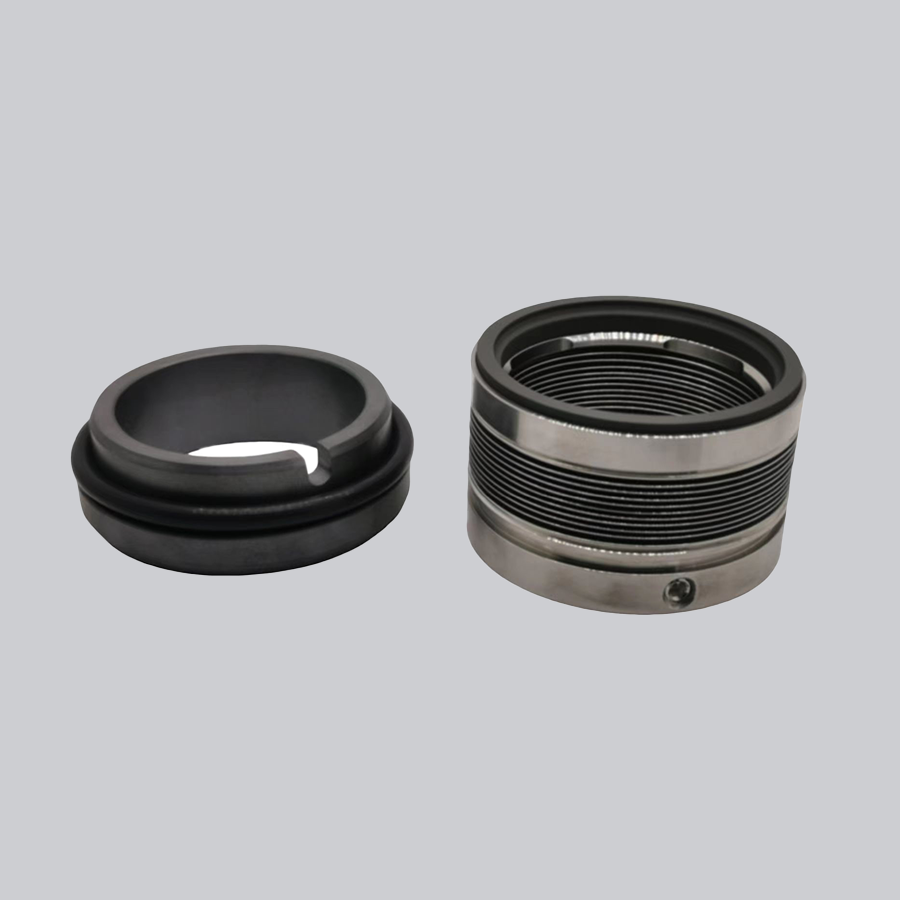
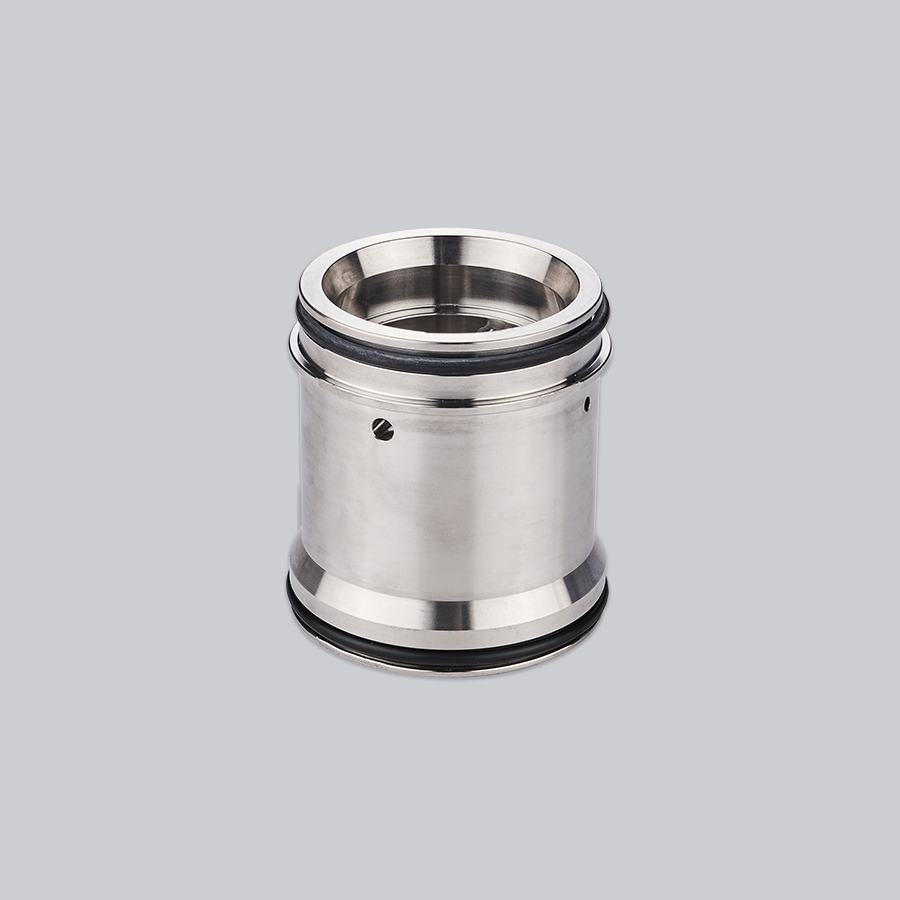
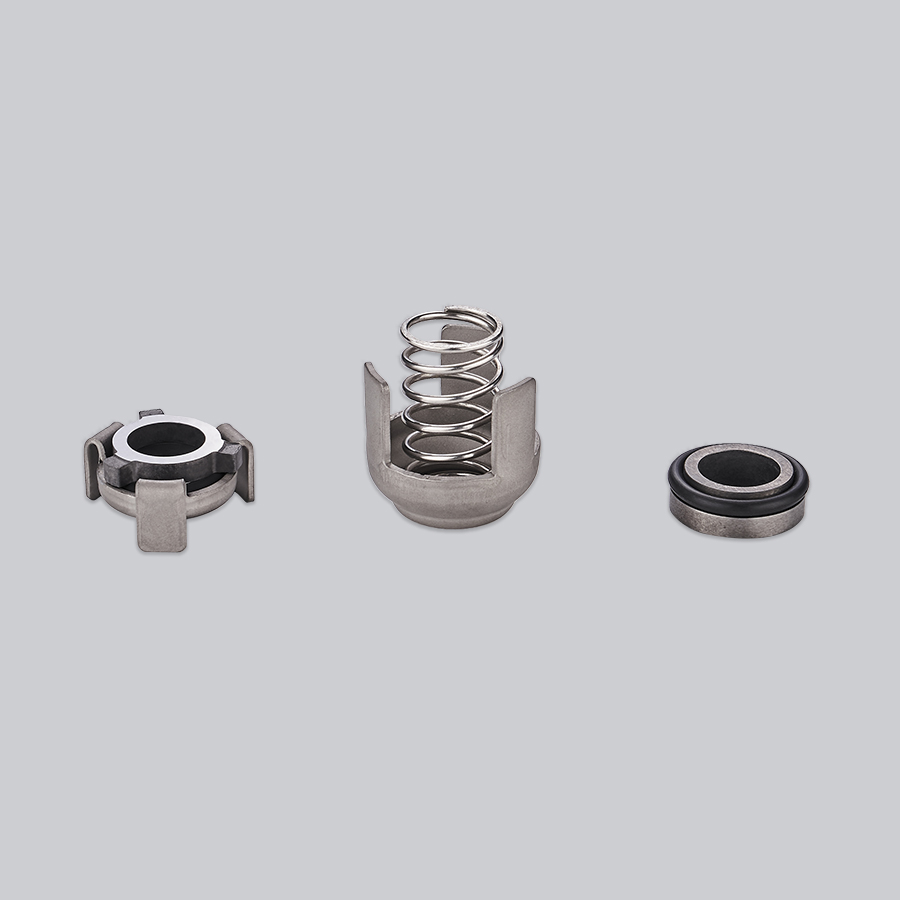
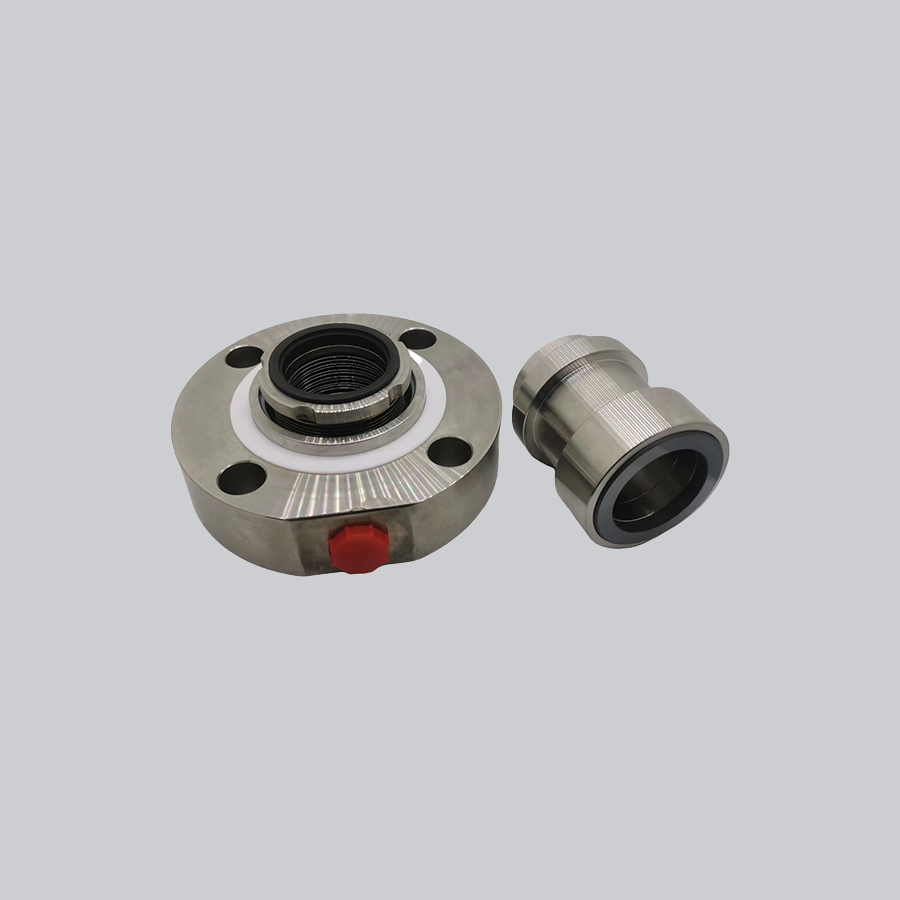
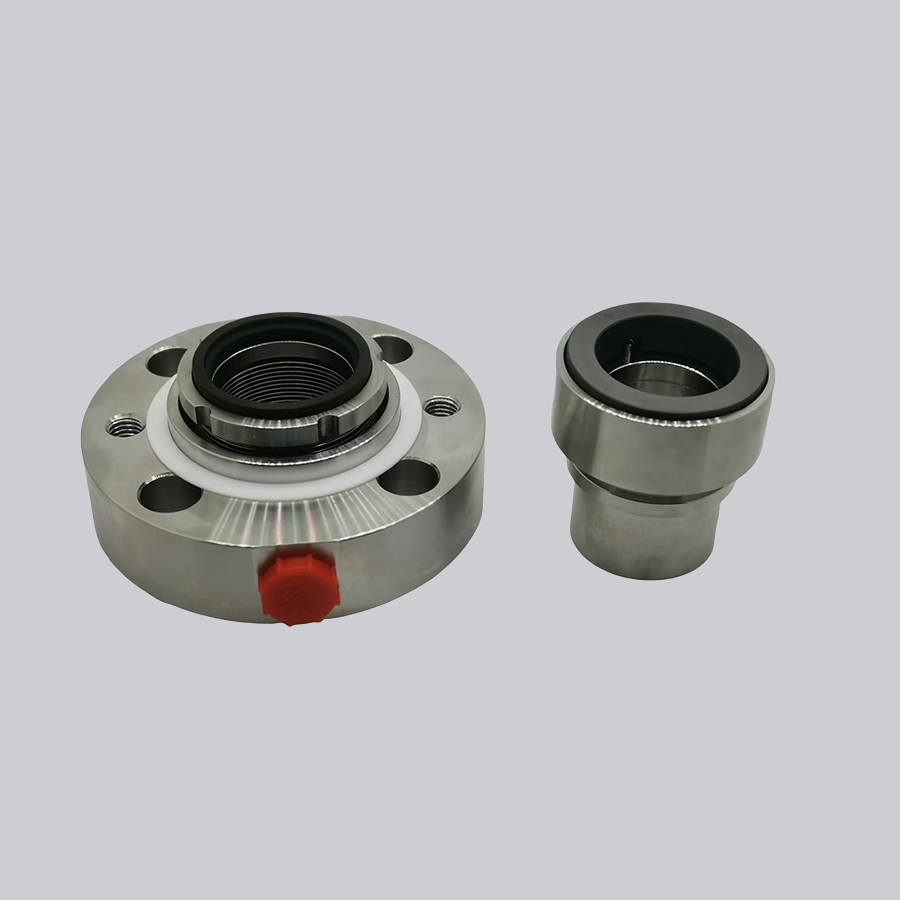
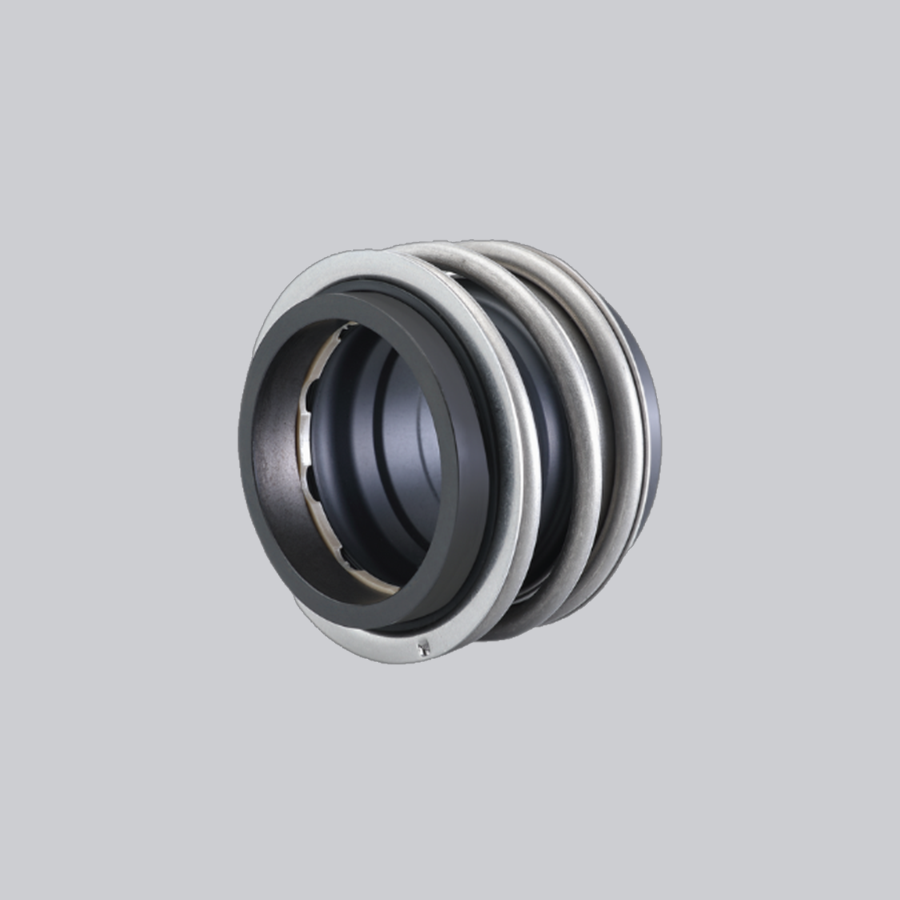
Our brand "victor" has been registered in the world more than 30 countries. Our main products are the complete sets of the mechanical seals, include cartridge seals, rubber bellow seals, metal bellow seals and o-ring seals, those products are applicable to different working condition. At the same time, we also provide OEM mechanical seals for the special working condition according to customer demand. Meanwhile, we produce different spare parts with the material Silicon Carbide, Tungsten Carbide, Ceramic, and Carbon in seal rings, bushings, thrust disc. The products are designed according to DIN24960, EN12756, IS03069, AP1610, AP1682 and GB6556-94 standards. The products are widely used in petroleum, chemical industry, power plants, machinery, metallurgy, shipbuilding, sewage treatment, printing and dyeing, food industry, pharmacy, automobile and so on.
Full lifecycle engineering support from R&D to rapid global delivery.
Decades of industrial mastery paired with agile production, competitive pricing, and global logistics.
Supplying reliable fluid barriers across heavy industries, automotive systems, marine propulsion, and chemical processing.
Transparent solutions for procurement, technical engineering, customization, and lead times.
For stock items, we can ship them immediately after payment received. For other items, we will need 15-20 days for mass production.
We are a direct factory with over 20 years of specialized manufacturing experience.
Our factory is located in Ningbo, Zhejiang province, China.
Yes, of course. We can offer free sample for customer to check quality before production with freight collect.
We usually shipped the goods by express like DHL, TNT, Fedex, UPS. And also we can ship the goods by air and sea according to the customer's requirement.
We accept T/T before qualified goods are ready for ship.
Yes, customized products is available according to specific operational parameters.
Yes, our engineering team can make the best suitable design in accordance with your application.
Complete lineup of replacement rotor sets, positive displacement components, and dynamic sealing parts.
High-reliability mechanical sealing systems, cartridge face units, and dynamic pump replacement sets.