


Introduction
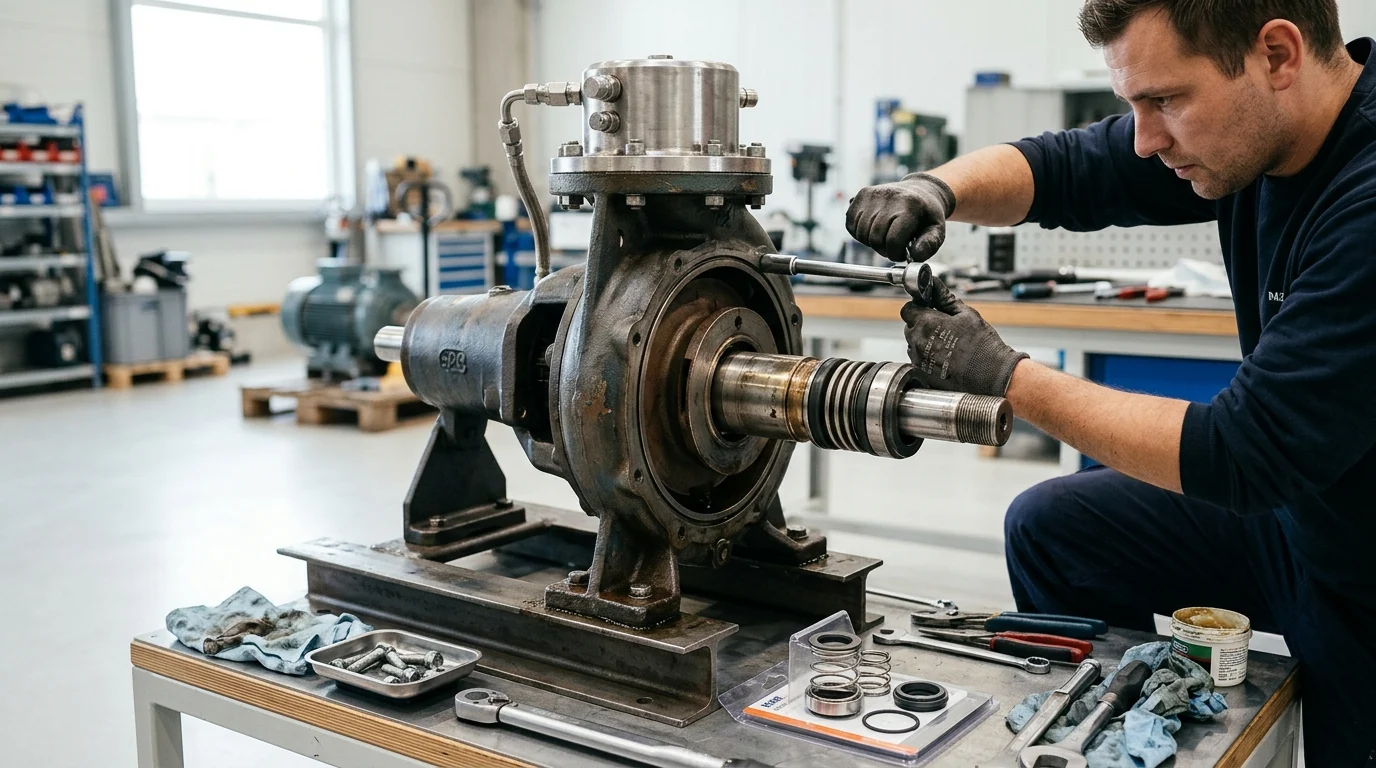
Finding dependable pump mechanical seal replacement parts in 2026 means looking beyond price and lead time. Seal quality, material compatibility, documentation, and supplier support now have a direct effect on leakage risk, maintenance intervals, and overall operating cost. This article explains where buyers are sourcing reliable replacements, how to compare OEM and aftermarket options, and which supplier signals indicate consistent quality and traceability. It also highlights practical factors such as inventory availability, compliance requirements, and lifecycle value, so readers can make better purchasing decisions and reduce avoidable downtime before moving into the detailed sourcing options that follow.
Why pump mechanical seal replacement sourcing matters
Procuring reliable pump mechanical seal replacement parts requires strategic foresight, as these components act as the primary defense against catastrophic fluid leaks in industrial processing. In 2026, the intersection of advanced fluid dynamics, stringent environmental regulations, and global supply chain volatility has elevated seal procurement from a routine maintenance task to a critical operational strategy. Selecting the right replacement components directly impacts plant safety, environmental compliance, and overall profitability.
Industrial operators can no longer rely solely on reactive purchasing. Modern maintenance frameworks require proactive sourcing strategies that balance immediate part availability with long-term reliability. A nuanced understanding of the lifecycle costs associated with mechanical seals is essential for optimizing procurement budgets and ensuring continuous plant operations.
Uptime risk and total cost of ownership
The financial implications of mechanical seal failure extend far beyond the unit cost of the replacement part. While a standard elastomeric bellows seal might cost between $250 and $800, the resulting downtime from a sudden failure can easily exceed $50,000 per day in high-volume chemical or hydrocarbon processing facilities. Consequently, the Total Cost of Ownership (TCO) calculation must incorporate the Mean Time Between Failures (MTBF), maintenance labor, and lost production revenue.
Investing in high-reliability replacement seals mitigates uptime risk by extending the operational lifecycle of the pump. Facilities that transition from transactional purchasing to reliability-focused sourcing often observe a 15% to 25% improvement in MTBF over a five-year period, significantly driving down the annualized TCO despite potentially higher upfront component costs.
Market conditions affecting availability and pricing
The 2026 industrial landscape presents unique market conditions that directly impact the availability and pricing of mechanical seals. Global fluctuations in the cost of critical raw materials, particularly premium grades of silicon carbide and specialized fluoroelastomers (such as FFKM), have introduced price volatilities ranging from 12% to 18% year-over-year. These material constraints are largely driven by competing demands from the semiconductor and aerospace sectors.
Furthermore, supply chain lead times for engineered or highly specialized alloy seals have stretched. While standard cartridge seals may be available off-the-shelf, custom-engineered replacements utilizing Hastelloy or titanium components currently experience lead times of 8 to 14 weeks. Procurement teams must account for these extended horizons by adjusting inventory buffers and establishing strategic supplier agreements to secure favorable pricing and guaranteed delivery windows.
Technical specifications to verify before buying
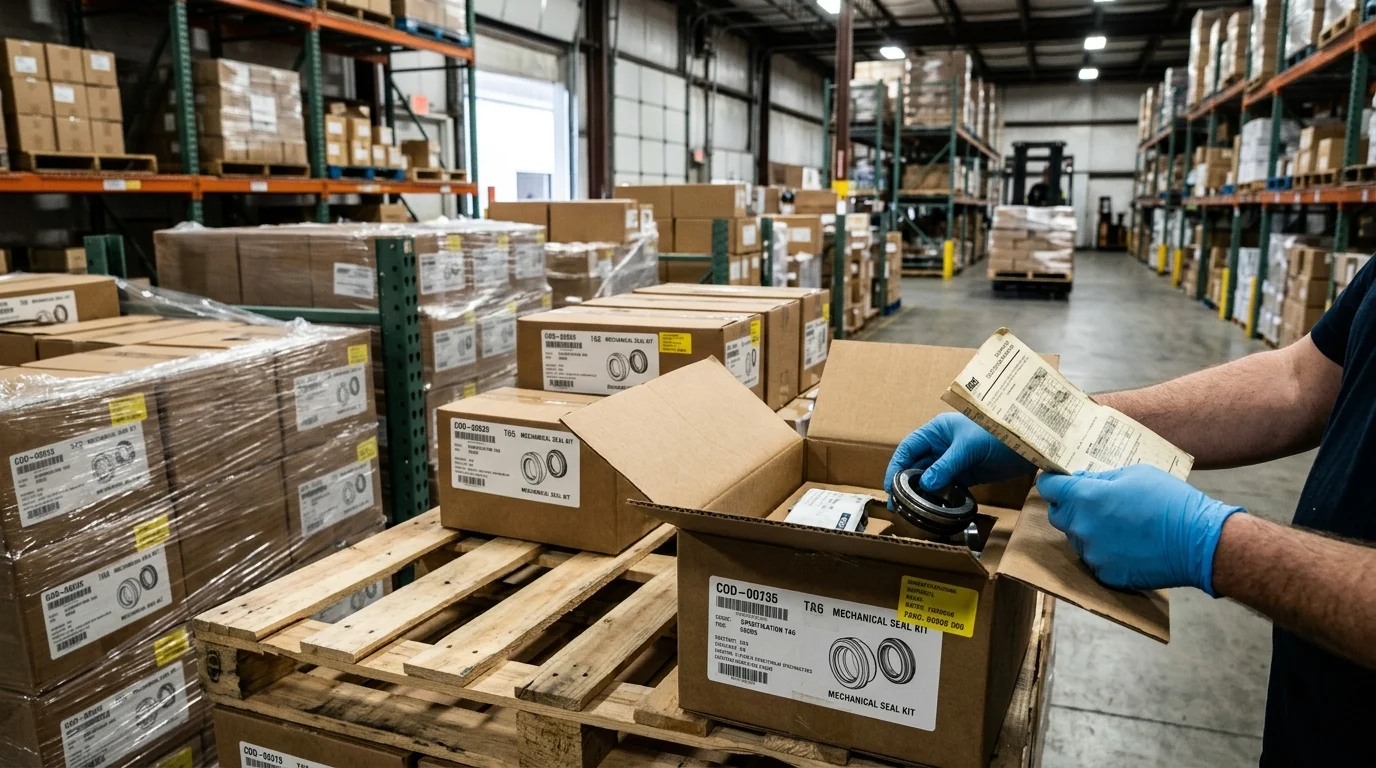
Before executing a purchase order, engineering and procurement teams must rigorously verify the technical specifications of the replacement mechanical seal. Given the precision required for fluid containment, even minor deviations in dimensional tolerances or material properties can lead to premature failure, increased friction, or catastrophic blowout under pressure.
Seal design, materials, and operating conditions
Mechanical seals must be matched precisely to their operating environments. Key parameters include maximum dynamic pressure (often scaling up to 1,200 PSI for heavy-duty process pumps), shaft speeds (typically evaluated up to 3,600 RPM or higher), and extreme temperature ranges spanning from -40°C in cryogenic applications to over 400°C in thermal oil systems.
Material selection for the seal faces and secondary O-rings is equally critical. The chemical compatibility of the pumped fluid dictates whether standard FKM elastomers are sufficient or if perfluoroelastomers are required to prevent degradation. Additionally, the presence of abrasive particulates in the fluid stream necessitates hard-face material pairings, such as silicon carbide (SiC) or tungsten carbide (TC), to resist abrasive wear and maintain face flatness.
OEM vs equivalent vs engineered replacements
Buyers face a strategic choice between Original Equipment Manufacturer (OEM) parts, exact equivalent aftermarket replacements, and engineered upgrades. OEM parts offer guaranteed compatibility and preserve equipment warranties but often carry a price premium of 30% to 50% compared to equivalent alternatives.
High-quality equivalent replacements produced by specialized seal manufacturers can offer identical performance, provided they adhere to strict dimensional tolerances (typically within ±0.001 inches). Engineered replacements go a step further; they are custom-designed to address specific failure modes inherent in the original OEM design, often upgrading the metallurgy or face geometry to extend the seal’s operational life in challenging applications.
Comparison criteria for seal options
When evaluating different seal options, engineers must compare several technical thresholds. The Pressure-Velocity (PV) limit is a primary metric, indicating the seal’s ability to handle the frictional heat generated at the mating faces. Higher PV limits signify greater durability under demanding conditions.
| Material Pairing | Typical PV Limit (psi·ft/min) | Friction Coefficient | Best Application |
|---|---|---|---|
| Carbon vs. Ceramic | 100,000 | 0.04 – 0.07 | Clean water, low-pressure chemicals |
| Carbon vs. Silicon Carbide | 500,000 | 0.02 – 0.05 | High-speed, moderate pressure process fluids |
| Silicon Carbide vs. Silicon Carbide | 800,000 | 0.05 – 0.08 | Highly abrasive fluids, slurries |
| Tungsten Carbide vs. Tungsten Carbide | 600,000 | 0.08 – 0.12 | High-impact, heavy-duty abrasive environments |
Using structured comparison criteria ensures that the selected replacement not only fits the pump shaft but is metallurgically and mechanically optimized for the fluid’s specific gravity, viscosity, and thermal profile.
Where to find reliable replacement parts
Identifying a robust sourcing channel is critical for maintaining a steady supply of replacement seals. The industrial market in 2026 offers a diverse ecosystem of direct manufacturers, authorized distributors, and specialized aftermarket fabricators. Selecting the appropriate channel depends heavily on the facility’s consumption volume, required technical support, and geographic location.
Direct manufacturers vs distributors
Direct manufacturers are ideal for high-volume procurement or highly engineered custom seals. Sourcing directly often yields the best unit pricing but typically comes with stringent Minimum Order Quantities (MOQs), frequently ranging from 50 to 100 units per line item. This channel suits enterprise-level operations with centralized warehousing capabilities.
Conversely, authorized distributors provide localized inventory and agility. While unit costs may be 10% to 15% higher, distributors accommodate low-volume orders (1 to 5 units) and often provide value-added services such as on-site troubleshooting, inventory management, and rapid delivery. For most mid-sized industrial plants, a hybrid approach—relying on direct manufacturers for high-turnover standard seals and distributors for specialized, low-volume variants—proves most effective.
How to vet supplier quality and traceability
Supplier quality must be vetted through stringent auditing processes. A reliable supplier should hold, at minimum, an active ISO 9001:2015 certification. Furthermore, procurement teams should demand EN 10204 Type 3.1 material traceability certificates for all wetted metallic components to ensure the alloys meet specified corrosion resistance standards.
Historical performance metrics are also vital. Buyers should request data on the supplier’s internal defect rates, targeting partners who demonstrate a rejection rate of less than 0.5%. Traceability must extend to the batch level for elastomers, as the curing process directly impacts the chemical resistance and thermal stability of the secondary sealing elements.
Regional and cross-border sourcing factors
Regional dynamics heavily influence sourcing strategy. North American and European manufacturers often lead in custom engineering and rapid prototyping for complex API 682 seals, but they carry higher labor overhead. Asian manufacturing hubs offer highly competitive pricing for high-volume standard DIN and ANSI seals, though buyers must account for extended transit times and geopolitical trade policies.
Cross-border sourcing requires factoring in freight logistics. Standard sea freight from overseas hubs can add 25 to 40 days to the lead time, whereas expedited air freight reduces transit to 3 to 7 days but can increase landed costs by up to 20%. Buyers must calculate these variables to determine if offshore cost savings outweigh the inventory carrying costs and logistical risks.
How to verify compliance, quality, and logistics
Once a supplier is selected and an order is placed, robust verification protocols must be enforced upon receipt. Mechanical seals are precision instruments; improper handling, inadequate documentation, or suboptimal storage conditions can compromise their integrity before they are ever installed.
Required documents and standards
Compliance with industry standards ensures the seal will perform safely within its intended application. For petrochemical and refinery applications, replacements must strictly adhere to API 682 (4th Edition) specifications, which dictate seal arrangements, flush plans, and testing protocols. For the food, beverage, and pharmaceutical sectors, elastomeric components must comply with FDA CFR 21 Part 177 and USP Class VI standards.
In explosive environments, ATEX certification is non-negotiable. Procurement documentation must include declarations of conformity, hydrostatic test reports, and dynamic run-test data where applicable. Missing documentation represents a significant compliance risk and should trigger an immediate quarantine of the received parts.
Inspection and incoming-receipt checks
Incoming inspection goes beyond merely checking part numbers. Quality control personnel must verify the critical dimensions of the seal faces and shaft sleeves using calibrated micrometers. The surface flatness of the primary seal faces is paramount; it is typically measured using an optical flat and a monochromatic light source, with acceptable tolerances strictly limited to 2 to 3 helium light bands (approximately 0.000023 to 0.000035 inches).
Surface finish roughness is equally critical. The Ra (Roughness Average) value for hard faces should generally not exceed 0.1 µm. Additionally, O-rings and bellows must be inspected under magnification for micro-tears, flash, or curing defects that could create leak paths under high-pressure operation.
Packaging, storage, Incoterms, and emergency orders
Mechanical seals require specific packaging to protect fragile carbon and ceramic faces from impact shock during transit. Vacuum-sealed packaging is recommended to prevent the degradation of elastomeric components caused by ozone exposure and UV light. When stored in a climate-controlled environment (typically between 15°C and 25°C), standard FKM or NBR O-rings maintain a shelf life of 5 to 7 years.
Clear agreement on Incoterms (e.g., DDP for seamless delivery vs. FOB for buyer-managed freight) dictates the transfer of risk during shipping. For emergency downtime scenarios, facilities must establish pre-negotiated express logistics protocols, such as Aircraft on Ground (AOG) style courier services, ensuring critical replacement seals can be mobilized globally within 24 to 48 hours.
How to choose the best sourcing option
Selecting the optimal sourcing channel for pump mechanical seal replacements requires a systematic evaluation of all available data. By transitioning from intuitive purchasing to data-driven procurement, organizations can secure supply chain resilience while optimizing their maintenance budgets.
A step-by-step evaluation process
The evaluation process begins with a comprehensive Request for Quotation (RFQ) that clearly outlines all technical specifications, required certifications, and estimated annual volumes. Once bids are received, technical teams should evaluate the proposed seal designs against historical failure data. Price alone should never be the deciding factor.
Shortlisted suppliers should be subjected to a sample validation phase. This often involves purchasing a small batch of seals and subjecting them to a 500-hour dynamic run test in a non-critical utility pump. Monitoring leakage rates, face wear, and vibration during this trial period provides empirical data to validate the supplier’s performance claims before committing to a long-term contract.
Using a supplier scorecard or decision matrix
To objectify the final decision, procurement teams should utilize a weighted supplier scorecard. This matrix assigns numerical values to key performance indicators based on the facility’s specific priorities, ensuring a balanced assessment of risk, cost, and capability.
| Evaluation Criteria | Weight (%) | Metric Evaluated | Target Standard |
|---|---|---|---|
| Quality & Compliance | 40% | Defect rate, ISO/API certs, Material traceability | < 0.5% defects, 3.1 certs provided |
| Total Cost | 25% | Unit price, tooling costs, freight | Competitive within 10% of market average |
| Delivery & Lead Time | 20% | On-time delivery rate, standard lead time | > 95% OTD, < 4 weeks standard |
| Technical Support | 15% | Engineering response time, failure analysis | < 24h response, detailed RCA provided |
By applying this decision matrix, organizations can confidently select a mechanical seal supplier that aligns with their 2026 operational goals, ensuring that critical fluid handling systems remain sealed, safe, and highly productive.
Key Takeaways
- The most important conclusions and rationale for pump mechanical seal replacement
- Specs, compliance, and risk checks worth validating before you commit
- Practical next steps and caveats readers can apply immediately
Frequently Asked Questions
Where can I buy reliable pump mechanical seal replacement parts in 2026?
Use established manufacturers with proven pump-seal experience, OEM-compatible options, and spare-parts support. Victor Seals supplies standard, cartridge, bellow, multi-spring, and OEM replacement seals for industrial pump maintenance.
What specifications should I confirm before ordering a replacement seal?
Check pump model, shaft size, seal dimensions, pressure, temperature, RPM, fluid type, and material compatibility. Also confirm face materials like SiC or TC and elastomers such as FKM or FFKM.
Should I choose OEM or equivalent mechanical seal replacements?
Choose OEM when warranty or exact brand compliance is required. Choose a high-quality equivalent when you need faster supply and lower cost, as long as dimensions, materials, and operating limits match.
Which pump brands can Victor Seals support with replacement parts?
Victor Seals offers OEM-compatible replacements for brands including IMO, Alfa Laval, Grundfos, APV, Flygt, Fristam, Lowara, and Allweiler, plus related spare parts, rotor sets, and shaft seals.
How can I reduce downtime when sourcing pump mechanical seal replacements?
Standardize common seal types, keep critical spares in stock, and buy from suppliers with broad inventory and technical support. For custom alloy or engineered seals, plan ahead because lead times can extend for weeks.
Post time: May-28-2026