


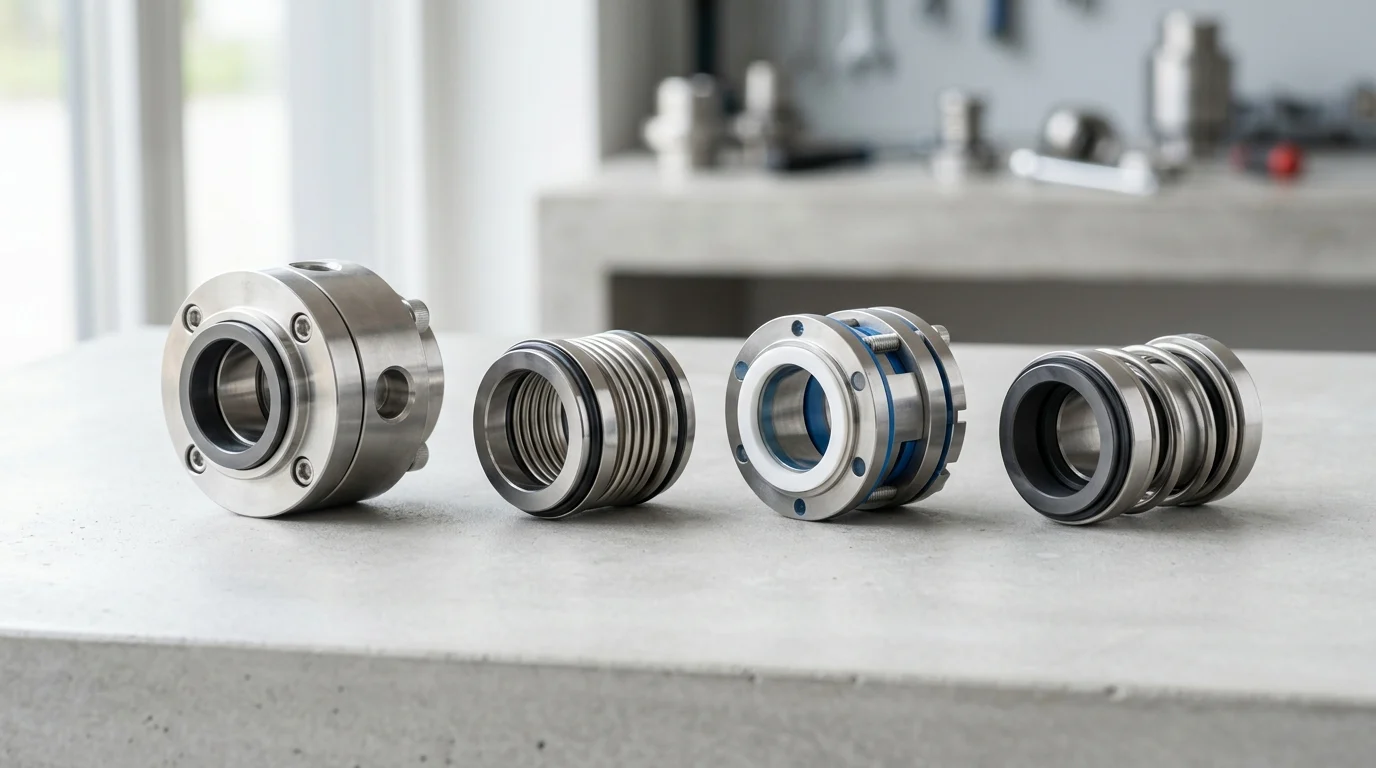
Why Strategic Mechanical Seal Selection Matters in Mining
In mineral processing and heavy mining operations, slurry pumps represent the beating heart of the facility, continuously transferring highly abrasive and viscous fluids across vast distances. The reliability of these pump networks is intrinsically linked to the performance of their sealing mechanisms. Historically, gland packing was the default choice, but modern environmental and operational mandates have driven the industry toward engineered mechanical seals. Since slurry pumps can account for up to 60% of total rotating equipment maintenance costs in a mineral processing plant, selecting the correct mechanical seal is not merely a technical necessity but a critical financial strategy.
Strategic selection of mechanical seals directly dictates plant uptime and operational expenditure. Unlike clear water applications, mining slurries subject sealing interfaces to immense multidirectional forces, severe impact abrasion, and rapid chemical degradation. When an incorrectly specified seal is deployed, the resulting failure cascades into unpredicted downtime, hazardous material spills, and significant production losses. Mastering the selection process requires a holistic understanding of the fluid dynamics, the metallurgical limits of seal faces, and the thermodynamic realities of the pumping environment.
Slurry Abrasion, Water Scarcity, and Energy Costs
The trilemma of slurry abrasion, water scarcity, and energy consumption dominates modern mining operations. Slurries often contain solids concentrations ranging from 30% to 70% by weight, creating a highly erosive environment that aggressively attacks dynamic sealing surfaces. The kinetic energy transferred by these suspended particles acts like liquid sandpaper, rapidly wearing down standard seal faces and eroding pump casings.
Concurrently, global mining operations frequently operate in arid regions where water conservation is mandated by law. Traditional sealing methods, such as heavy gland packing or single seals requiring extensive external flushing, consume millions of liters of clean water annually. Transitioning to waterless or low-flush mechanical seal designs is critical for regulatory compliance. Furthermore, energy costs are directly impacted by seal selection; inefficient seals or over-tightened packing can consume an additional 5% to 10% of motor power due to parasitic friction, representing a massive cumulative energy drain across a multi-pump circuit.
Common Mechanical Seal Failure Modes
Understanding how mechanical seals fail in slurry environments is a prerequisite for preventing those failures. One of the most prevalent failure modes is thermal cracking or heat checking. When adequate lubrication is lost, localized frictional heat spikes rapidly. In severe cases, thermal shock can induce micro-fractures across the seal face within 30 seconds of dry running, ultimately causing catastrophic shattering of brittle materials like silicon carbide.
Another primary failure mechanism involves solids packing and erosion. Slurry particles larger than 50 microns can penetrate the fluid film between the seal faces if the closing forces or flush systems are inadequate. Once embedded, these particles act as a grinding paste. Additionally, solids can accumulate around the dynamic springs or bellows, a condition known as “hang-up.” When springs become clogged with hardened slurry, they lose their ability to maintain face contact pressure, leading to immediate and uncontrollable leakage. Elastomer degradation from chemical attack or extreme temperatures also frequently compromises the secondary sealing boundaries, particularly in acidic leaching processes.
Operating Data to Collect Before Seal Selection
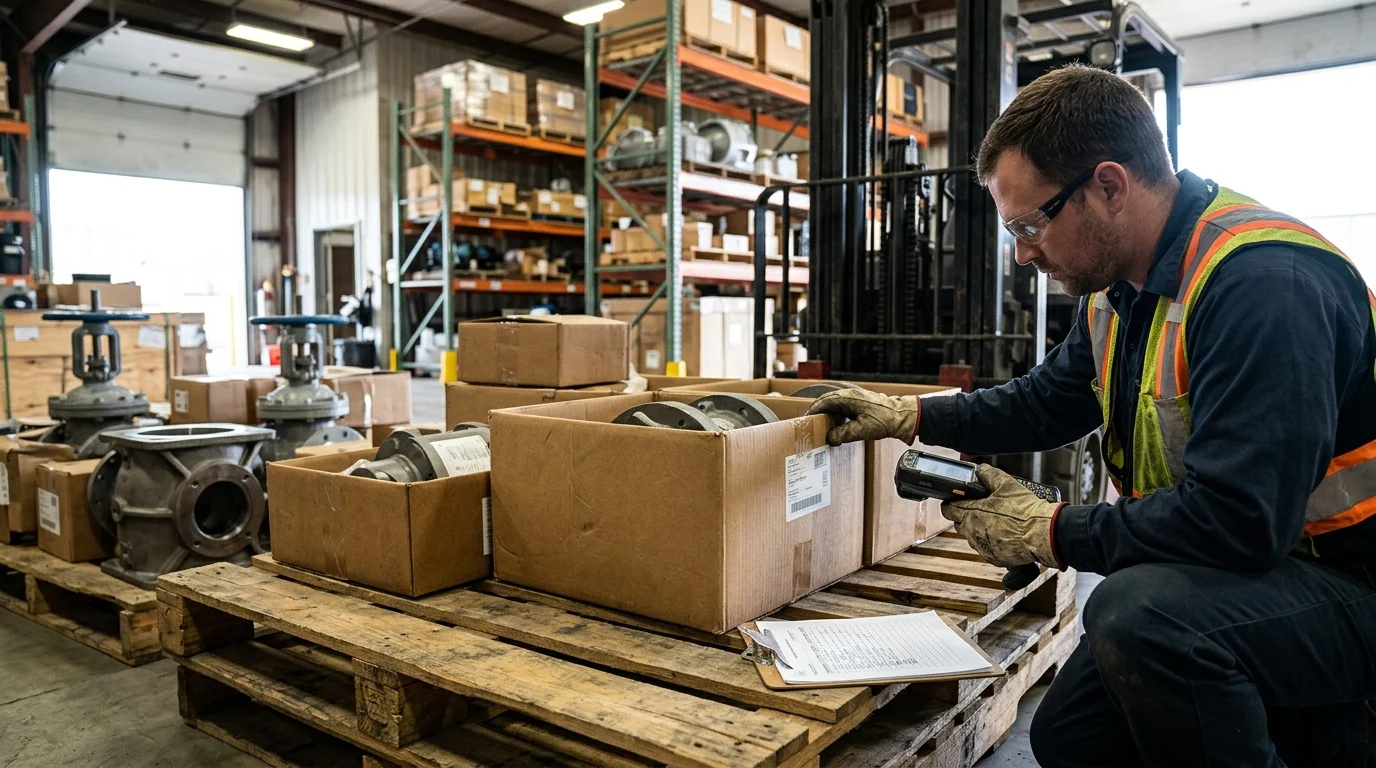
Empirical data collection is the foundation of mechanical seal specification. Relying on assumptions or generalized pump curves inevitably leads to suboptimal sealing architectures and premature failure. Transitioning from a reactive maintenance culture to a proactive reliability model requires rigorous documentation of the exact fluid dynamics and mechanical stresses the seal will endure.
Engineering teams must collaborate closely with process metallurgists to map the rheological profile of the slurry and the operational parameters of the pumping circuit. Gathering precise, quantitative operating data can extend the Mean Time Between Repair (MTBR) from a typical baseline of three to six months in severe applications to well over 18 months, dramatically improving the total cost of ownership.
Slurry Characteristics
The physical and chemical composition of the slurry dictates the seal’s metallurgy and geometry. The specific gravity (SG) of the solids, which typically ranges from 1.1 for coal to over 4.5 for iron ore, influences the centrifugal forces and settling rates within the stuffing box. Particle size distribution (PSD), specifically the d50 and d80 metrics, determines the likelihood of particles penetrating the seal face fluid film.
Hardness is equally critical: ores containing high quartz fractions frequently exceed 7 on the Mohs scale, requiring ultra-hard seal faces to resist abrasive grooving. Furthermore, the chemical profile must be documented. Slurries from heap leaching operations may possess highly acidic pH levels of 1 to 3, while bauxite processing slurries can be highly alkaline with pH levels of 10 to 12. These extremes dictate the selection of secondary elastomers and the corrosion resistance of the seal’s metallic hardware.
Pump and Process Conditions
Beyond the fluid itself, the mechanical conditions imposed by the pump and the broader process circuit must be quantified. Shaft speed is a primary variable; tip speeds in heavy-duty slurry pumps routinely exceed 15 meters per second (m/s), generating significant centrifugal forces and frictional heat at the seal faces. Stuffing box pressure, which fluctuates based on impeller design and the presence of expeller vanes, determines the required closing force of the seal springs.
Engineers must also evaluate suction and discharge pressures under both steady-state and transient conditions, such as water hammer events during pump startup or valve closures. Operating temperatures are another vital metric. While many mining slurries run at ambient temperatures, processes like the Bayer alumina process can subject seals to temperatures exceeding 120°C, necessitating specialized high-temperature elastomers and advanced thermal management strategies.
Maintenance History and MTBR
A critical review of the pump’s maintenance history provides invaluable forensic evidence for future seal selection. Analyzing the root causes of past failures—whether they were driven by bearing deflection, flush water contamination, or dry running—allows reliability engineers to specify a seal design that addresses the specific operational weaknesses of the asset.
Establishing a baseline MTBR is essential for setting realistic performance targets and justifying the capital expenditure for upgraded seal technologies. By categorizing the severity of the application, plants can benchmark their current performance against industry standards.
| Slurry Severity Level | Typical Particle Size (d50) | Solids Concentration (by weight) | Baseline MTBR | Target MTBR with Optimized Seal |
|---|---|---|---|---|
| Light | < 50 µm | < 15% | 12 – 18 Months | 24 – 36 Months |
| Medium | 50 – 150 µm | 15% – 30% | 9 – 12 Months | 18 – 24 Months |
| Severe | 150 – 500 µm | 30% – 50% | 3 – 6 Months | 12 – 18 Months |
| Extreme | > 500 µm | > 50% | < 3 Months | 9 – 12 Months |
Seal Designs and Materials to Compare
Translating operational data into physical hardware requires a meticulous comparison of mechanical seal architectures and material properties. The design geometry defines how the seal handles solids and manages pressure, while the metallurgy dictates its resistance to physical and chemical destruction. Selecting the optimal combination is a balancing act between maximizing resilience and minimizing complexity.
Advancements in tribology and materials science have significantly expanded the options available to mining engineers. Upgrading from standard materials to engineered composites or employing advanced face treatments can fundamentally alter the wear characteristics of the sealing interface. For example, implementing specialized face topographies or diamond coatings can reduce friction coefficients by up to 70%, significantly mitigating heat generation in marginal lubrication scenarios.
Single, Double, and Tandem Seal Designs
The choice between single, double, and tandem seal configurations is dictated by the toxicity of the fluid, the concentration of solids, and the availability of support systems. Single mechanical seals are typically deployed in mild to moderate slurries where minor weepage is acceptable and external flush water is available to keep the stuffing box clear of heavy solids. To survive, single seals in mining often feature heavy-duty, open-architecture designs that resist clogging.
Double pressurized mechanical seals are mandated for severe slurry applications, hazardous chemicals (like cyanide solutions in gold processing), or when zero process leakage is an absolute environmental requirement. These seals utilize a pressurized barrier fluid that prevents slurry from penetrating the seal faces. Tandem (unpressurized double) seals offer a middle ground, providing a secondary safety containment layer for volatile fluids without requiring a high-pressure barrier system, though they are less common in heavy abrasive slurries compared to fully pressurized double seals.
Face Materials, Elastomers, and Springs
A mechanical seal’s durability is intrinsically linked to its face materials. Silicon Carbide (SiC) is widely used due to its excellent thermal conductivity and extreme hardness, though it is inherently brittle. In high-impact slurry applications, Tungsten Carbide (WC) with a nickel or cobalt binder is often preferred; while slightly less hard than SiC, WC offers superior fracture toughness, allowing it to absorb mechanical shocks without shattering.
Secondary sealing elements, specifically the elastomers, must be matched to the chemical and thermal environment. Fluoroelastomers (FKM) and Ethylene Propylene Diene Monomer (EPDM) are common, but extreme applications may require Perfluoroelastomers (FFKM), which can maintain elasticity at temperatures up to 315°C and resist aggressive solvents. Furthermore, the spring mechanism must be protected. Standard coil springs quickly clog with slurry. Consequently, heavy-duty mining seals utilize encapsulated springs, elastomeric bellows, or large cross-section wave springs isolated from the process fluid to ensure continuous face loading.
Abrasion and Reliability Comparison
Comparing the abrasion resistance and long-term reliability of different material combinations is critical for optimizing the seal’s lifecycle. While harder materials inherently resist scratching and grooving, they often carry a higher capital cost and demand more precise alignment to prevent brittle failure.
The following table provides a comparative analysis of primary seal face materials used in mining environments, highlighting the trade-offs between hardness, toughness, and cost.
| Material Grade | Hardness (Vickers HV) | Fracture Toughness (MPa·m½) | Typical Cost Premium | Best Application Profile |
|---|---|---|---|---|
| Sintered Silicon Carbide (SSiC) | ~2,800 | 3.0 – 4.0 | Baseline | Highly corrosive slurries, fine particles, steady-state pumping |
| Nickel-Bound Tungsten Carbide | ~1,500 | 12.0 – 15.0 | +20% to 30% | High-impact slurries, heavy vibration, large particle sizes |
| Reaction Bonded Silicon Carbide | ~2,500 | 4.0 – 4.5 | +10% to 15% | Moderate slurries with thermal shock risks |
| Diamond-Coated SiC | >8,000 | 3.0 – 4.0 (Base) | +150% to 200% | Extreme abrasion, dry-running risks, zero-flush mandates |
Support Systems, Standards, and Installation Controls
Even the most robust mechanical seal will suffer premature failure if its operating environment lacks rigorous control. A mechanical seal should be viewed not as a standalone component, but as the focal point of an integrated sealing system. The longevity of the faces depends entirely on the reliability of the support systems providing lubrication, cooling, and debris removal.
Industry data indicates that improper flush arrangements or poor installation practices account for up to 40% of premature mechanical seal failures in heavy industry. Adhering to strict engineering standards and implementing precise installation controls are non-negotiable practices for achieving targeted reliability metrics and safeguarding personnel in high-pressure pumping environments.
Flush, Quench, and Barrier Systems
Environmental control systems are categorized by standardized piping plans that dictate how flush, quench, or barrier fluids are delivered to the seal chamber. In mining, API Plan 32 is frequently used for single seals, injecting clean external water into the stuffing box at a higher pressure than the process fluid to keep solids away from the faces. A general rule of thumb for Plan 32 is to supply 2 to 4 liters per minute per inch of shaft diameter, though this must be strictly regulated to prevent excessive dilution of the process slurry.
For double mechanical seals, API Plan 53A or 53B barrier systems are utilized to provide a clean, pressurized fluid film between the inner and outer seal faces. Plan 53B, which uses a bladder accumulator, is particularly favored in remote mining locations because it does not rely on a continuous supply of plant nitrogen. Quench systems (API Plan 62) may also be employed on the atmospheric side of the seal to wash away crystallized salts or prevent oxidation of process leakage, utilizing low-pressure water or steam.
Engineering Standards and Site Safety Rules
Mechanical seal selection and support system design must comply with recognized engineering standards and site-specific safety protocols. While API 682 and ISO 21049 were originally developed for the petroleum and chemical industries, their rigorous testing protocols and design frameworks are increasingly adopted by top-tier mining operations to standardize reliability expectations.
Furthermore, environmental regulations heavily influence system design. Many modern mines operate under Zero Liquid Discharge (ZLD) policies, strictly prohibiting the use of high-volume Plan 32 flush systems that dilute the ore slurry and increase the burden on downstream tailings thickeners. In these jurisdictions, safety rules dictate the use of self-contained Plan 53 barrier systems or specialized waterless slurry seals, ensuring compliance with environmental permits while protecting operators from high-pressure process blowouts.
Alignment, Piping Layout, and Installation Checks
The mechanical integrity of the pump itself represents the final variable in the sealing equation. Mechanical seals are precision instruments operating within tolerances of microns; they cannot compensate for severely degraded pump hardware. Before installation, technicians must verify that shaft runout does not exceed 0.05 mm Total Indicator Reading (TIR) and that the shaft end play is restricted to less than 0.08 mm.
Concentricity of the stuffing box to the shaft is equally critical; excessive misalignment will cause the seal faces to open dynamically, allowing slurry particles to instantly destroy the fluid film. Piping layouts for the flush and barrier systems must be carefully engineered, ensuring that lines are sloped at least 10 mm/m to prevent vapor locking, and that tubing diameters are sufficient to handle the required flow rates without excessive pressure drops. Comprehensive installation checklists, signed off by qualified reliability personnel, are essential to guarantee these physical controls are met prior to commissioning.
Procurement and Reliability Decision Framework
The culmination of the mechanical seal selection process bridges technical engineering and commercial procurement. Identifying a mechanically viable seal is only half the objective; the solution must also align with the operational expenditure (OPEX) budgets and the logistical realities of the mining facility. A structured decision framework ensures that lifecycle costs, rather than just initial purchase prices, drive the final procurement strategy.
Total Cost of Ownership (TCO) models consistently demonstrate that the initial capital cost of a heavy-duty slurry seal represents only 15% to 20% of its total lifecycle cost over a five-year operating period. Maintenance labor, barrier fluid consumption, process dilution, and the staggering cost of unpredicted downtime constitute the vast majority of the financial burden, necessitating a rigorous supplier evaluation and lifecycle analysis.
Supplier Evaluation Criteria
Selecting the right original equipment manufacturer (OEM) or seal vendor is as critical as selecting the seal itself. Mining operations require suppliers with a robust global support footprint and localized inventory capabilities to minimize lead times for critical spares. Vendors should be evaluated on their technical support infrastructure, specifically their ability to deploy field engineers to remote sites for troubleshooting and installation supervision.
Furthermore, the supplier’s testing and quality assurance capabilities must be scrutinized. Leading manufacturers possess dynamic spin testing facilities capable of simulating the exact pressures, speeds, and barrier fluid conditions of the specific mining application. ISO 9001 certification and a transparent track record of successful deployments in similar rheological conditions are mandatory criteria for shortlisting potential seal partners.
Lifecycle Cost and Rebuild Intervals
A comprehensive TCO calculation must incorporate the capital cost, installation expenses, ongoing maintenance, support system energy consumption, and the financial impact of anticipated rebuilds. Rather than maximizing the lifespan of the seal indefinitely, reliability engineers often aim to synchronize seal rebuild intervals with major plant shutdown schedules, which typically occur every 8,000 to 12,000 operating hours.
By standardizing seal platforms across multiple pump sizes—utilizing modular cartridge designs—plants can drastically reduce their on-site inventory carrying costs. Cartridge seals, which are pre-assembled and pressure-tested at the factory, also reduce installation time by up to 50% compared to component seals, lowering maintenance labor costs and minimizing the risk of installation errors during critical path shutdown windows.
Final Seal Selection Checklist
Before issuing the final purchase order, cross-functional teams comprising reliability engineers, process operators, and procurement specialists should execute a final validation checklist. This ensures no critical parameter has been overlooked during the transition from theoretical design to commercial procurement.
The checklist must verify chemical compatibility of all wetted O-rings with the specific slurry pH, confirm that the physical dimensions of the cartridge fit the existing pump stuffing box without interference, and validate that the selected barrier fluid plan is supported by the plant’s current utility infrastructure. Finally, the procurement contract should define clear performance guarantees and establish a framework for analyzing the seal during its first scheduled rebuild, ensuring continuous improvement of the sealing strategy.
Key Takeaways
- Assess slurry solids content, particle size, abrasiveness, pressure, temperature, and shaft speed before specifying any mechanical seal.
- Use hard, abrasion-resistant seal face materials and designs that prevent solids from packing around springs or bellows.
- Consider low-flush, waterless, or double seal arrangements where water scarcity, leakage control, or environmental compliance is a priority.
- Avoid dry running because loss of lubrication can cause heat checking and seal face cracking within seconds.
- Evaluate total lifecycle cost, not just seal purchase price, because slurry pumps can represent up to 60% of rotating equipment maintenance costs in mineral processing plants.
Frequently Asked Questions
Why are mechanical seals preferred over gland packing in mining slurry pumps?
Mechanical seals reduce leakage, water consumption, friction losses, and maintenance compared with gland packing. In abrasive slurry service, the right seal can improve uptime and help control rotating equipment maintenance costs.
What slurry conditions should be reviewed before selecting a seal?
Review solids concentration, particle size, abrasiveness, viscosity, temperature, pressure, shaft speed, pH, and whether the pump may run dry. These factors determine seal face materials, flush requirements, and single or double seal configuration.
When should a double mechanical seal be used?
A double mechanical seal is often preferred for highly abrasive, toxic, crystallizing, or high-solids slurry where leakage control is critical. It also supports barrier or buffer fluid systems that protect seal faces from direct slurry attack.
How does dry running damage slurry pump seals?
Dry running removes the lubricating film between seal faces, causing rapid heat buildup. In severe cases, thermal cracking can begin within seconds, especially with brittle face materials such as silicon carbide.
What seal face materials are common for abrasive mining slurry?
Hard face combinations such as silicon carbide versus silicon carbide are commonly used because they resist abrasive wear. Material choice should still account for thermal shock, chemical compatibility, and lubrication conditions.

Post time: Aug-13-2026