


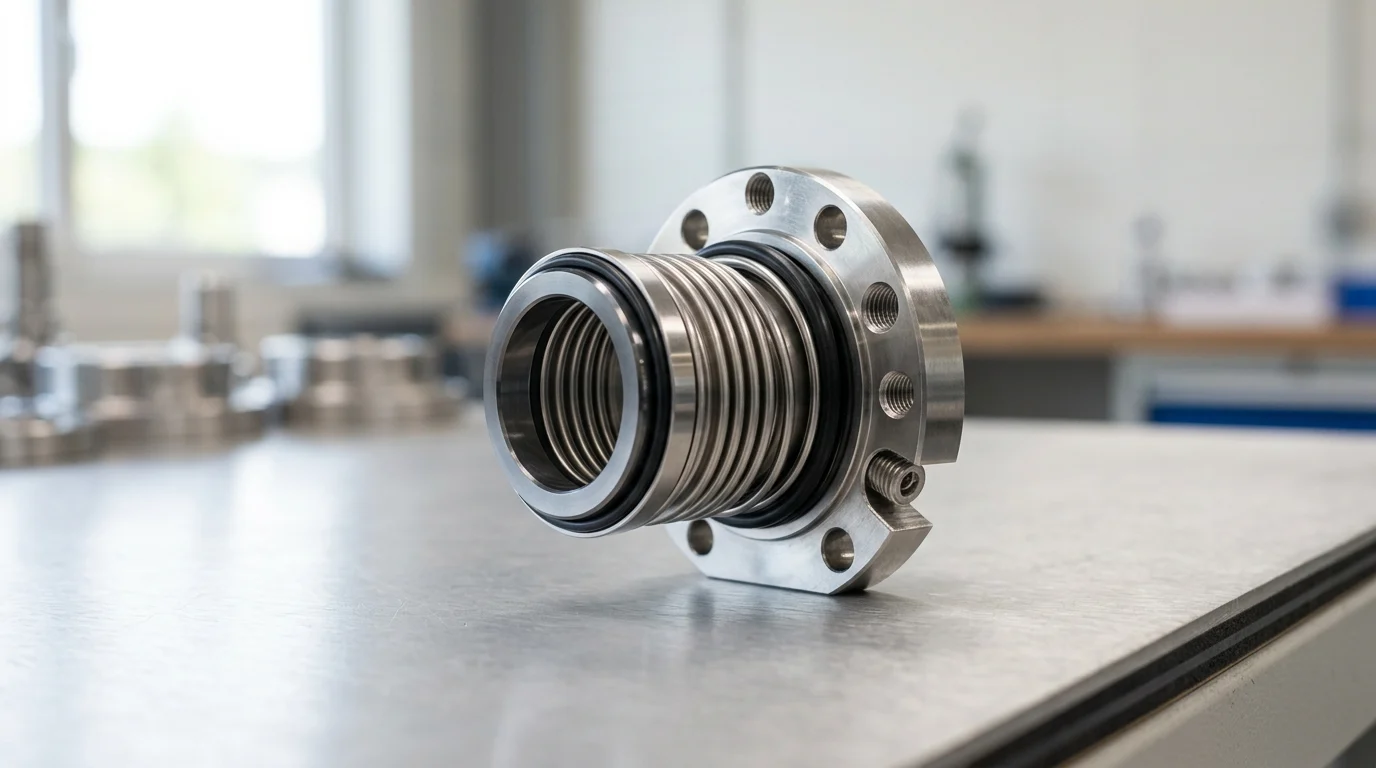
Why Mechanical Seals Matter for Acid and Alkali Pumps
Mechanical seals operating in acid and alkali pump applications face some of the most unforgiving process conditions in industrial fluid handling. The aggressive nature of fluids such as 98% sulfuric acid, concentrated sodium hydroxide, and hydrochloric acid requires engineered sealing solutions to prevent catastrophic leaks. The financial and environmental stakes are exceptionally high; fugitive emission regulations dictate strict thresholds, often mandating that volatile organic compound (VOC) and hazardous air pollutant (HAP) emissions remain below 500 parts per million (ppm).
Consequently, standard utility seals are entirely inadequate for these chemical processing environments. A specialized approach to seal design, metallurgy, and environmental controls is mandatory to maintain plant integrity and continuous production.
Reliability and Safety Benefits
The primary reliability and safety benefits of engineered mechanical seals in corrosive environments revolve around complete fluid containment and personnel protection. By utilizing advanced face topographies and chemically inert secondary elastomers, modern seals can extend the Mean Time Between Failures (MTBF) from a historically accepted 12 months to well over 36 months, even in severe chemical services.
Furthermore, robust sealing prevents highly reactive chemicals from interacting with atmospheric moisture—a scenario that can cause rapid crystallization or highly exothermic reactions. This containment directly ensures compliance with Occupational Safety and Health Administration (OSHA) and Environmental Protection Agency (EPA) regulations, minimizing the risk of severe chemical burns, inhalation injuries, or reportable environmental releases.
Key Process Variables to Review
Selecting the correct mechanical seal requires a rigorous review of process variables, starting with the exact chemical composition, including trace impurities that can act as catalysts for rapid corrosion. Temperature and pressure profiles are equally critical; for instance, sulfuric acid at 20°C (68°F) may be handled with certain stainless steels, but elevating the temperature to 120°C (248°F) exponentially increases the corrosion rate, necessitating exotic alloys like Hastelloy C-276.
Additionally, engineers must evaluate the fluid’s specific gravity and dynamic viscosity, which in acid and alkali applications typically ranges from 0.5 to over 50.0 centipoise (cP). The vapor pressure margin—the difference between the fluid’s vapor pressure and the stuffing box pressure—must be maintained to prevent the fluid from flashing into a gas at the seal faces, a phenomenon that immediately compromises the fluid film required for hydrodynamic lubrication.
Seal Types and Material Selection
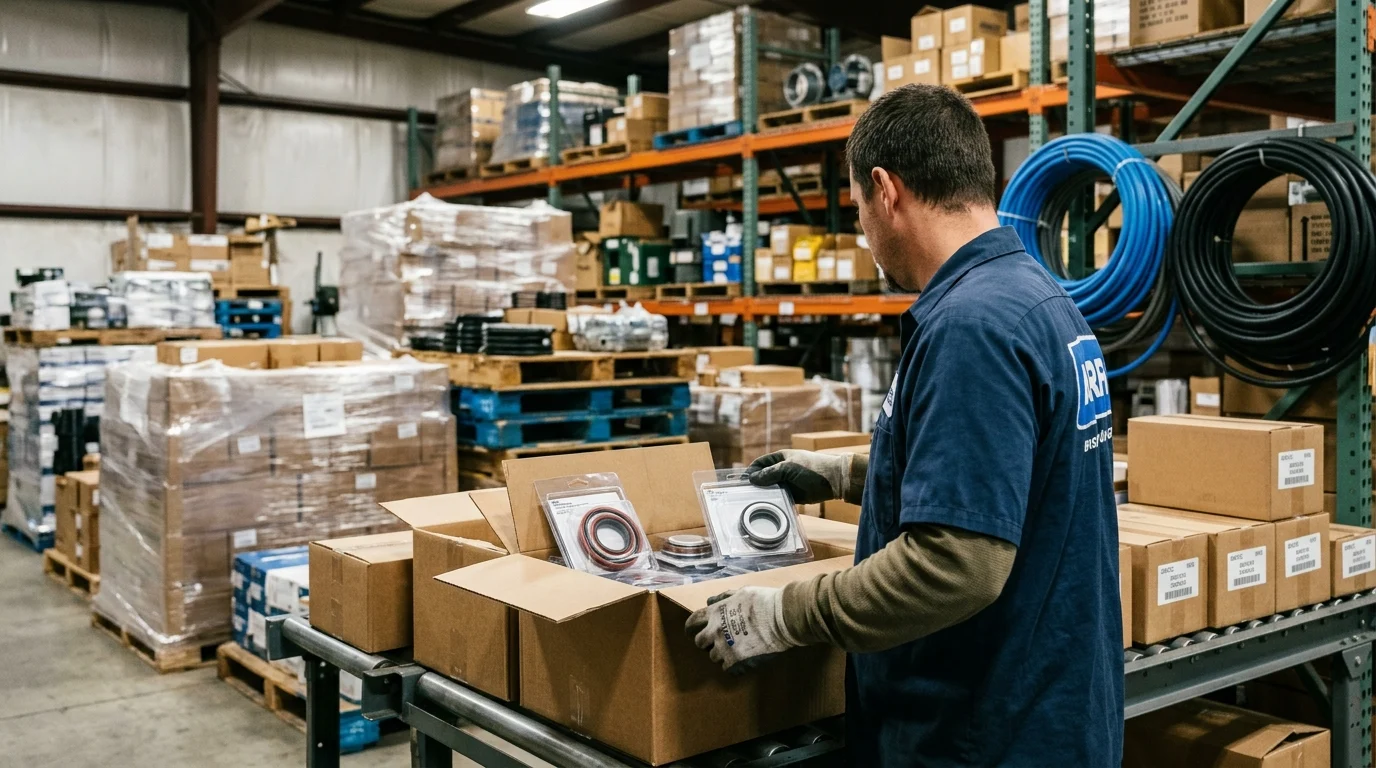
The architectural design of the mechanical seal and the precise selection of its wetted materials dictate its operational lifespan in corrosive environments. Because acids and alkalis attack materials through different chemical pathways—such as pitting, crevice corrosion, or elastomer swelling—the specification process must match the seal type and metallurgy to the exact fluid chemistry.
Single, Double, and Cartridge Seals
Single seals feature one set of mating faces and are typically deployed for less hazardous, moderate-concentration alkalis or acids where minor vapor leakage is environmentally acceptable. Double mechanical seals utilize two sets of faces and a pressurized barrier fluid, making them mandatory for lethal, highly toxic, or volatile chemicals like hydrofluoric acid, ensuring zero process emissions reach the atmosphere.
Cartridge seals, which package the seal faces, springs, and gland plate into a single pre-assembled unit, have become the industry standard for chemical pumps. By eliminating the need to manually set the seal spring compression (working length) on the pump shaft, cartridge designs reduce installation errors by an estimated 70% compared to traditional component seals.
| Seal Type | Primary Application | Relative Upfront Cost | Emission Containment |
|---|---|---|---|
| Single Seal | Dilute alkalis, non-toxic acids | Base (1.0x) | Moderate (allows trace vapor) |
| Double Seal | Toxic, lethal, or highly volatile acids | High (2.5x – 3.0x) | Absolute (zero process emissions) |
| Cartridge Seal | Standardized plant-wide upgrades | Medium (1.5x) | Dependent on single/double configuration |
Seal Face, Elastomer, Spring, and Metal Materials
Seal face materials must withstand both chemical attack and mechanical wear. Silicon Carbide (SiC) is universally preferred for its extreme hardness and broad chemical resistance, though specialized grades, such as alpha-sintered SiC, are required for strong alkalis that might otherwise leach free silicon from the matrix. Elastomer selection is equally critical; while Fluoroelastomers (FKM) suffice for mild chemicals, Perfluoroelastomers (FFKM) are frequently specified for harsh acids and alkalis, offering universal chemical resistance and thermal stability up to 327°C (620°F).
The metallurgical components, including springs, drive pins, and the gland plate, must resist the specific corrosive medium. While 316 Stainless Steel is an industry standard, corrosion rates exceeding 0.1 mm/year in aggressive acids necessitate upgrades to Alloy 20, Titanium, or Hastelloy C-276. For highly concentrated hydrochloric acid, even these premium metals may fail rapidly, requiring non-metallic components or specialized engineered ceramics.
Seal Type Comparison Criteria
When comparing seal types for a specific application, reliability engineers must evaluate the Life Cycle Cost (LCC) rather than the initial purchase price. A double seal system requires a supporting fluid reservoir and instrumentation, increasing the initial capital expenditure by up to 300%, but it drastically reduces the Mean Time To Repair (MTTR) and mitigates the risk of catastrophic environmental fines in hazardous services.
Pressure and speed limits also differentiate these configurations. Standard single cartridge seals typically operate reliably up to 300 psig (20 bar), whereas heavily engineered double seals can manage stuffing box pressures exceeding 600 psig (41 bar) when supported by an adequately pressurized barrier fluid system.
Specification Requirements for Corrosive Services
Procuring a mechanical seal for corrosive services requires comprehensive engineering specifications to ensure the hardware interfaces seamlessly with the pump and process piping. Relying on basic dimensional data without addressing the operational environment invariably leads to premature face failure or chemical releases.
Design Parameters Before Selection
Before a seal can be selected, precise design parameters of the pump’s stuffing box and rotating assembly must be documented. Critical dimensions include the shaft diameter—commonly ranging from 1.0 to 5.0 inches in chemical process pumps—and the radial clearance available within the seal chamber to accommodate the gland and flush ports.
Dynamic parameters such as rotational speed, which typically operates between 1450 and 3600 RPM, dictate the frictional heat generated at the seal faces. Engineers must also verify the radial runout of the shaft; tolerances must remain strictly below 0.002 inches (0.05 mm) Total Indicator Reading (TIR) to prevent excessive movement that could fracture brittle silicon carbide faces or rapidly degrade secondary O-rings.
Flush, Quench, Barrier, and Buffer Fluids
To survive in aggressive environments, mechanical seals often rely on API 682 piping plans to modify the environment within the seal chamber. Plan 11 is common for clean fluids, utilizing a bypass from the pump discharge, while Plan 32 injects a clean, compatible external flush to keep highly abrasive or crystallizing acids completely away from the delicate seal faces.
For double mechanical seals, Plan 53A or Plan 54 is utilized to provide a clean barrier fluid. To ensure process fluids do not migrate across the inboard faces into the barrier system, this barrier fluid must be maintained at a pressure strictly between 1.5 to 2.0 bar (22 to 29 psi) above the maximum stuffing box pressure. Quench fluids (Plan 62) using steam or water are also deployed on the atmospheric side of single seals to wash away crystallized caustic soda (sodium hydroxide) before it destroys the dynamic elastomer.
Standards and Documentation
Specifications must mandate adherence to internationally recognized standards, most notably API 682 (4th Edition) for heavy chemical applications, or ISO 21049. These standards dictate rigorous qualification testing, ensuring the seal design has been proven under simulated extreme conditions before being deployed in a live plant.
Documentation requirements for corrosive services are extensive. Purchasers must require Material Test Reports (MTRs) according to EN 10204 3.1 for all metallic components to verify the exact alloy composition. If the acid or alkali is mixed with flammable solvents, the seal documentation must also include ATEX certification to guarantee the mechanical seal will not act as an ignition source in explosive atmospheres.
Installation, Operation, and Maintenance Practices
The operational longevity of a mechanical seal is heavily dependent on the precision of its installation and the discipline of plant maintenance teams. Even the most metallurgically advanced seal will fail rapidly if subjected to mechanical abuse or improper operational sequencing.
Pump Condition and Shaft Alignment
The mechanical condition of the pump directly dictates the survivability of the seal. Bearings must be in optimal condition to prevent axial end-play and radial deflection. Industry best practices mandate that dynamic shaft deflection at the seal face must not exceed 0.002 inches (0.05 mm) during operation to maintain face tracking.
Proper shaft alignment between the pump and the motor is equally critical. Laser alignment techniques should be employed to ensure angular and offset misalignment are minimized, keeping overall pump vibration velocity strictly below 0.1 in/s (2.5 mm/s) RMS. Excessive vibration accelerates the wear of drive pins and fatigues the metal bellows or springs, leading to sudden leakage of hazardous chemicals.
Practices That Prevent Dry Running
Dry running is the most common and destructive operational error in chemical pumping. When process fluid is absent, the lubricating film between the seal faces disappears, causing friction to spike instantaneously. This thermal shock can elevate face temperatures beyond 400°C (752°F) in seconds, resulting in the thermal cracking or shattering of silicon carbide components.
To prevent dry running, operators must implement strict venting protocols to bleed all trapped air from the seal chamber prior to startup. Additionally, active protection systems such as power monitors—which detect the drop in motor load characteristic of dry running—or flow switches on external flush lines (Plan 32) should be integrated into the pump’s control logic to trigger an automatic shutdown before seal damage occurs.
Failure Analysis and Spare Parts Planning
When a seal fails in a corrosive application, a structured failure analysis is vital to prevent recurrence. Maintenance teams must examine the wear track on the seal faces; a wide or uneven track indicates severe pump misalignment, while pitting on the metal components points to an incorrect alloy specification for the acid concentration. Elastomer degradation, such as extrusion or swelling, clearly signals chemical incompatibility or thermal overload.
Effective spare parts planning minimizes downtime for critical chemical processes. Facilities should maintain a minimum strategic inventory of replacement seals, typically stocking one complete spare cartridge for every five active pumps in highly corrosive services. For custom-engineered alloys like Titanium or Hastelloy, which can carry manufacturing lead times exceeding 12 weeks, maintaining an on-site inventory is mandatory to avoid devastating production losses.
How to Choose a Mechanical Seal Supplier
Partnering with the right mechanical seal manufacturer is a strategic decision that extends far beyond the initial procurement phase. In the highly specialized realm of acid and alkali processing, the supplier must act as a technical consultant, providing metallurgical expertise, application engineering, and responsive aftermarket support to ensure plant safety.
Key Supplier Capabilities
A competent seal supplier must possess robust in-house engineering capabilities, including Finite Element Analysis (FEA) to model thermal distortion and mechanical stress on seal faces under specific high-pressure chemical loads. Furthermore, their manufacturing process must be governed by strict Quality Assurance and Quality Control (QA/QC) frameworks, certified to ISO 9001 standards, ensuring absolute traceability of exotic alloys.
Aftermarket support is another critical capability. Chemical plants require suppliers with localized repair and testing facilities capable of refurbishing contaminated seals safely. A highly capable supplier can reduce the turnaround time for a complex Hastelloy double seal repair from a standard 4 to 6 weeks down to under 5 days during a critical plant emergency.
Chemical Compatibility and Cost Decision Matrix
The final selection often comes down to navigating a complex matrix of chemical compatibility versus life cycle cost. Upgrading materials exponentially increases the upfront price, but it acts as a necessary insurance policy against catastrophic downtime. For example, specifying an FFKM (perfluoroelastomer) O-ring may cost 10 to 15 times more than a standard FKM component, but it entirely eliminates the risk of elastomer failure in concentrated sulfuric acid.
| Material Upgrade | Typical Cost Multiplier | MTBF Extension Potential | Justification in Corrosive Service |
|---|---|---|---|
| 316SS to Hastelloy C-276 | 3.0x – 4.0x | +24 to 36 months | Prevents rapid pitting in hot acids/chlorides |
| FKM to FFKM Elastomers | 10.0x – 15.0x | +12 to 48 months | Universal resistance to aggressive alkalis/solvents |
| Carbon to SiC Faces | 1.2x – 1.5x | +18 months | Prevents blistering in highly viscous or abrasive chemicals |
Ultimately, the chosen supplier must help plant operators quantify these trade-offs. By analyzing the cost of lost production—which can easily exceed $50,000 per hour in continuous chemical processing—against the premium paid for optimized metallurgy and advanced cartridge designs, facilities can make data-driven decisions that prioritize long-term reliability and environmental safety over short-term savings.
Key Takeaways
- Review chemical concentration, impurities, temperature, pressure, viscosity, and vapor pressure margin before specifying a seal for acid or alkali pump service.
- Use engineered mechanical seals instead of standard utility seals when handling aggressive chemicals such as 98% sulfuric acid, concentrated sodium hydroxide, or hydrochloric acid.
- Maintain an adequate vapor pressure margin at the stuffing box to prevent flashing at the seal faces and loss of the lubricating fluid film.
- Select seal face, elastomer, and metal materials according to the exact corrosion mechanism, because acids and alkalis can cause pitting, crevice corrosion, swelling, or rapid degradation.
- Consider double or cartridge seal arrangements for hazardous or high-consequence chemical services where leakage, emissions, and personnel exposure must be tightly controlled.
- A properly specified chemical-duty mechanical seal can help extend MTBF from about 12 months to more than 36 months in severe services.
Frequently Asked Questions
Why are standard mechanical seals unsuitable for acid and alkali pumps?
Standard utility seals often lack the corrosion-resistant faces, elastomers, metallurgy, and environmental controls needed for chemicals such as sulfuric acid, sodium hydroxide, and hydrochloric acid. In aggressive services, poor seal selection can cause leakage, crystallization, emissions, equipment damage, and safety incidents.
When should a double mechanical seal be used?
A double mechanical seal is recommended for hazardous, toxic, high-value, or highly corrosive fluids where leakage cannot be tolerated. It uses a barrier or buffer fluid system to improve containment, protect the seal faces, and support compliance with strict emissions limits.
What process data is needed before selecting a seal?
Engineers should review chemical concentration, trace impurities, temperature, pressure, viscosity, specific gravity, vapor pressure margin, pump speed, and operating cycles. Small changes, such as higher acid temperature, can dramatically change corrosion rates and material requirements.
Which materials are commonly considered for corrosive chemical seals?
Material selection depends on the chemical and operating conditions. Options may include carbon, silicon carbide, tungsten carbide, PTFE, FKM, EPDM, stainless steels, and exotic alloys such as Hastelloy C-276 for severe hot acid service.
Can mechanical seals help reduce chemical emissions?
Yes. Properly engineered seals help contain hazardous fluids and vapors, supporting fugitive emission targets such as VOC or HAP thresholds below 500 ppm where applicable. This reduces environmental risk and helps facilities meet regulatory obligations.

Post time: Sep-10-2026