


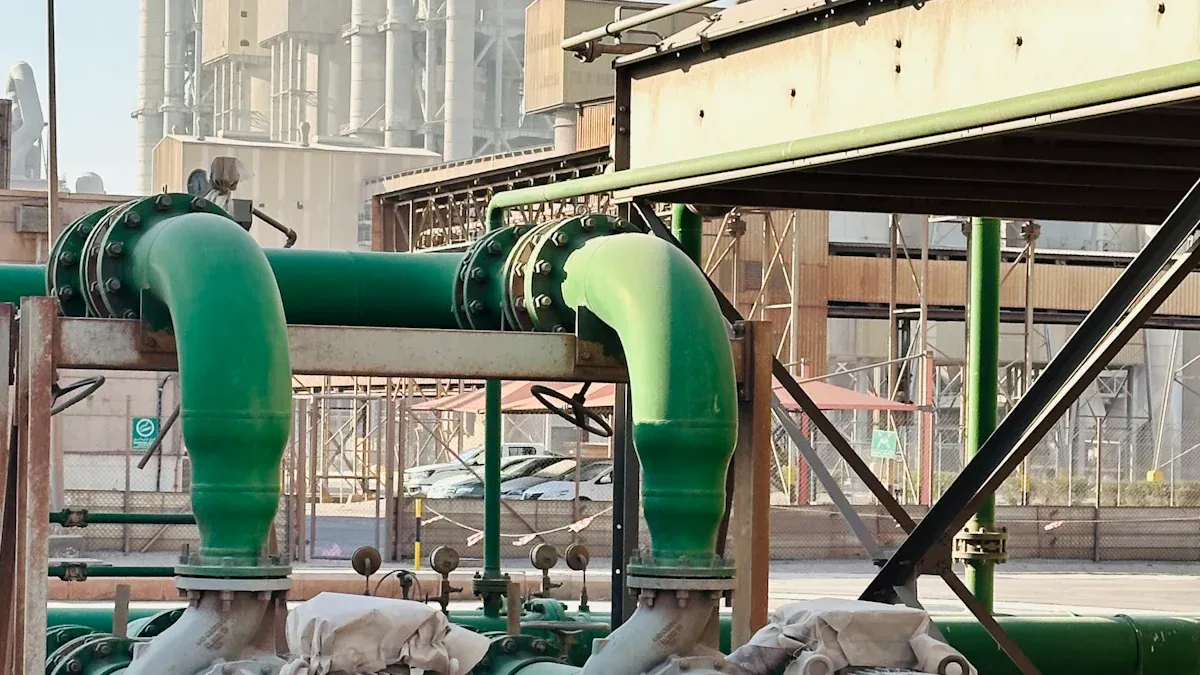
Metal bellow seals are engineered to endure extreme pressure conditions, making them essential for high pressure sealing applications. Their unique design incorporates flexibility and durability, which is particularly beneficial in high-pressure environments. These seals play a crucial role in maintaining system integrity across various demanding applications, including industries such as oil and gas, chemical processing, and power generation. The resilience of welded metal bellows enhances their functionality, ensuring reliable performance even in challenging situations. Additionally, when comparing bellows seal vs spring seal, metal bellow seals often provide superior performance in high temperature mechanical seals and chemical bellows seal applications.
Key Takeaways
- Metal bellow seals excel in high-pressure environments, providing reliable sealing solutions for industries like oil and gas, chemical processing, and power generation.
- Their unique design features, such as welded metal bellows, enhance flexibility and durability, reducing the need for auxiliary seals and maintenance.
- Regular inspections and proper maintenance are crucial for maximizing the lifespan and performance of metal bellow seals, helping to prevent leaks and operational downtime.
- Choosing the right materials, like stainless steel or exotic alloys, ensures that metal bellow seals can withstand harsh conditions and maintain integrity over time.
- Investing in metal bellow seals may have higher upfront costs, but their long service life and reduced maintenance needs lead to significant savings in the long run.
Engineering Principles of Metal Bellow Seals
Design Features
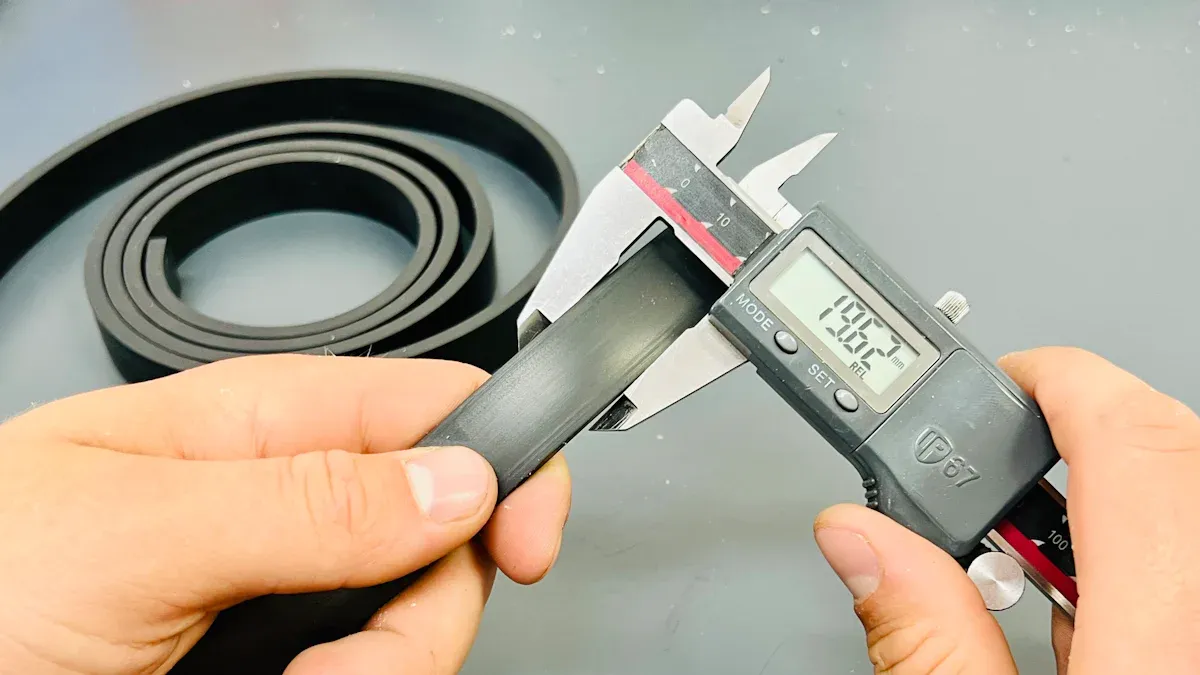
Metal bellow seals possess several unique design features that set them apart from traditional sealing solutions. These features enhance their performance in high-pressure environments. Key characteristics include:
- Elastic Element: Metal bellow seals utilize welded metal bellows as the elastic element. This design eliminates the need for auxiliary seals, which can complicate installation and maintenance.
- Compensation Mechanism: The seals provide excellent floating and random compensation for wear, axial movement, and vibration. This adaptability is crucial in dynamic applications where conditions frequently change.
- Friction Resistance: Reduced friction resistance improves sealing performance. Unlike other seals that may have higher friction due to auxiliary components, metal bellow seals maintain a smooth operation.
- Temperature Range: These seals operate effectively across a wide temperature range, from -178.6°F to 798.8°F. This versatility allows them to function in various industrial settings.
- Pressure Resistance: Metal bellow seals can withstand pressures up to 7MPa with appropriate design. This capability makes them suitable for demanding applications where traditional seals may fail.
- Durability: Enhanced durability and service life distinguish metal bellow seals from ordinary mechanical seals. They can endure harsh conditions, reducing the frequency of replacements.
| Feature | Metal Bellow Seals | Other Seals |
|---|---|---|
| Elastic Element | Utilizes welded metal bellows as the elastic element, eliminating the need for auxiliary seals. | Often requires auxiliary seals for compensation. |
| Compensation Mechanism | Provides good floating and random compensation for wear, axial movement, and vibration. | Limited compensation capabilities. |
| Friction Resistance | Reduced friction resistance improves sealing performance. | Higher friction due to auxiliary components. |
| Temperature Range | Operates effectively in a wide temperature range (-117 C to 426 C). | Limited temperature tolerance. |
| Pressure Resistance | Can withstand pressures up to 7MPa with appropriate design. | Generally lower pressure ratings. |
| Durability | Enhanced durability and service life compared to ordinary mechanical seals. | Shorter service life. |
Material Selection
The choice of materials significantly impacts the durability and performance of metal bellow seals under high pressure. Various materials offer distinct advantages, making them suitable for specific applications:
| Material Type | Advantages | Applications |
|---|---|---|
| Carbon | Excellent thermal conductivity, self-lubricating properties | Water-based applications, light hydrocarbons |
| Silicon Carbide | Superior hardness, chemical resistance | Abrasive or corrosive applications |
| Tungsten Carbide | Unmatched durability in extreme conditions | High-pressure, high-temperature applications |
| Stainless Steel | Excellent corrosion resistance | Most industrial applications |
| Exotic Alloys | Superior performance in highly corrosive environments | Chemical processing, power generation |
Selecting the right material ensures that metal bellow seals can withstand the rigors of their operating environment. For instance, high-grade stainless steels and nickel-based superalloys provide the necessary strength and flexibility. The unique geometric design, featuring multiple convolutions, optimizes pressure distribution and maintains structural integrity. This design allows the seals to adapt to fluctuating pressures without permanent deformation, which is crucial for applications involving rapid pressure changes.
Pressure Resistance Mechanisms
Metal bellow seals exhibit exceptional strength and stiffness, which prevent deformation under extreme pressure. Their bellows geometry effectively distributes pressure loads, enhancing their ability to maintain sealing integrity even under rapid pressure variations. This design is vital in high-pressure applications, where the seals can operate under pressures exceeding 200 bar, ensuring safety and environmental protection.
Key Applications of Metal Bellow Seals
Oil and Gas Industry
Metal bellow seals play a vital role in the oil and gas industry, where they provide robust sealing solutions for extreme temperatures and pressures. Their effectiveness is evident in several key areas:
- Processing Facilities: These seals are essential in oil and gas processing facilities, where they handle aggressive media like hydrogen sulfide and crude oil derivatives.
- Petroleum Refining: In petroleum refining operations, metal bellow seals maintain integrity under high pressures, accommodating shaft speeds up to 20 m/s. This capability makes them ideal for centrifugal pumps and compressors.
- Corrosion Resistance: Materials such as SS316 and Hastelloy C ensure long-term reliability in harsh environments. Metal bellow seals significantly reduce the risk of premature failure compared to standard seals, which often succumb to corrosion.
- Maintenance Efficiency: The design of these seals eliminates the risk of chemical degradation associated with elastomeric components. This feature leads to reduced maintenance intervals and unplanned downtime, resulting in significant operational cost savings.
Chemical Processing
In chemical processing plants, metal bellow seals ensure safety and reliability while handling aggressive chemicals. Their applications include:
- Hermetic Sealing: These seals provide hermetic sealing, preventing contamination and leakage, which is vital for maintaining product quality and safety.
- Handling Hazardous Chemicals: Metal bellow seals are essential for managing strong acids, bases, and organic solvents. They effectively resist chemicals like sulfuric acid and hydrochloric acid, which can cause severe corrosion.
- Pressure Cycling: Their ability to maintain integrity under varying pressure conditions is crucial for pressure cycling and vacuum operations. This capability ensures that chemical reactions proceed without contamination.
- Thermal Stability: The thermal stability of metal bellow seals allows reliable operation in elevated temperature applications, making them suitable for advanced manufacturing processes.
Power Generation
Metal bellow seals are indispensable in power generation facilities, particularly in high-pressure steam systems. Their applications include:
- Critical Pumping Applications: These seals are vital in reactor coolant pumps and radioactive waste handling equipment in nuclear power plants, where safety and leak-tight performance are paramount.
- High-Temperature Environments: In fossil fuel plants, metal bellow seals are used in boiler feed pumps and flue gas desulfurization systems, ensuring reliability in high-temperature and corrosive conditions.
- Renewable Energy Systems: Renewable energy applications, such as geothermal and solar power plants, benefit from the seals’ ability to handle extreme conditions.
- Operational Lifespan: Compared to traditional seals, metal bellow seals have a longer expected lifespan. For example, they typically last between 3 to 5 years, while single spring seals last only 1 to 2 years.
Power generation facilities rely on metal bellow seals for their ability to withstand extreme temperatures and pressures, ensuring operational efficiency and minimizing maintenance needs.
Maintenance Strategies for Metal Bellow Seals
Regular Inspection Protocols
Regular inspections of metal bellow seals are crucial for ensuring their reliability in high-pressure systems. Technicians should conduct visual checks for signs of corrosion, fatigue cracking, and mechanical damage, especially in high-stress areas. Advanced techniques, such as dye penetrant testing and ultrasonic thickness measurement, allow for thorough assessments without disassembly. Monitoring operating parameters like pressure and temperature also helps identify maintenance needs early.
Common Issues and Solutions
Metal bellow seals can face several challenges, including leakage and deformation. Proven solutions exist to address these issues effectively:
- The EagleBurgmann system was successfully implemented in a refinery pump to tackle sealing problems caused by high temperatures and abrasive materials in crude oil.
- Utilizing API Plan 66A allowed for the integration of two throttles in the seal housing, enhancing operational reliability and preventing leakage.
- Since its installation in October 2015, this seal has operated reliably without complaints, significantly improving plant availability and safety.
Best Practices for Longevity
To extend the service life of metal bellow seals, consider the following best practices:
- Clean Environment: Maintain a clean area around the seals to prevent contamination and wear.
- Lubrication: Follow lubrication guidelines to reduce friction and enhance seal performance.
- Inspection: Conduct regular checks for wear or damage to identify issues early.
- Seal Replacement: Replace worn seals promptly to prevent leaks and inefficiencies.
- Training and Expertise: Ensure personnel receive proper training for effective maintenance and repairs.
Adhering to manufacturer-recommended maintenance schedules significantly impacts the reliability of metal bellow seals. Regular inspection and maintenance help detect and prevent potential problems, ensuring optimal performance.
Advantages of Metal Bellow Seals Over Traditional Seals
Performance in Extreme Conditions
Metal bellow seals excel in extreme temperature and pressure conditions. Their robust design allows them to operate effectively in temperature ranges from -103°F to 797°F. They can handle pressures from vacuum up to 25 bar(g). In fact, welded metal bellow seals can function in cryogenic temperatures as low as -418°F and high temperatures exceeding 500°C. This versatility makes them ideal for demanding applications, particularly in oil and gas exploration.
Reduced Leakage Risks
Leakage poses significant risks in high-pressure systems. Metal bellow seals maintain leak rates below 1 × 10⁻⁹ cc/sec at 10,000 psi, which is 40–65% lower than hydroformed seals. Several design aspects contribute to this impressive performance:
| Design Aspect | Contribution to Leakage Minimization |
|---|---|
| Sealing Performance | Ensures effective sealing under various conditions. |
| High-Temperature Resistance | Maintains integrity at extreme temperatures, preventing leaks. |
| Wear Resistance | Reduces degradation over time, ensuring long-term sealing effectiveness. |
| Chemical Corrosion Resistance | Protects against leaks caused by chemical exposure. |
| Ability to Maintain Hermetic Seals | Essential for dynamic applications to prevent leakage during movement. |
Constructed from robust materials like stainless steel, Inconel, and Hastelloy, metal bellow seals ensure reliability and leak-free performance even in extreme conditions. Their ability to create hermetic seals significantly enhances safety and performance, making them a preferred choice over traditional packing seal valves.
Cost-Effectiveness in the Long Run
While metal bellow seals may have a higher upfront cost, they offer significant savings over time. Their maintenance frequency is typically once every 2–3 years, compared to more frequent maintenance for traditional seals. This reduced downtime leads to lower labor costs and fewer interruptions in operations.
| Aspect | Metal Bellow Seals | Traditional Seals |
|---|---|---|
| Maintenance Frequency | Once every 2–3 years | More frequent maintenance |
| Downtime | Reduced due to less maintenance | Higher due to frequent maintenance |
| Labor Costs | Lower due to less maintenance | Higher due to frequent maintenance |
Ultimately, the longevity and reliability of metal bellow seals lead to lower total ownership costs over a typical equipment lifecycle.
Metal bellow seals are essential for high-pressure applications across various industries. Their unique design offers significant advantages, such as enhanced operational safety and long service life. These seals excel in hermetic sealing, which is crucial for handling toxic chemicals and ensuring compliance with environmental regulations.
Proper maintenance plays a vital role in maximizing the reliability and longevity of metal bellow seals. Regular inspections and condition monitoring help prevent potential issues, ensuring these seals perform optimally in demanding environments.
In summary, metal bellow seals stand out as superior sealing solutions, providing unmatched performance and reliability.
FAQ
What are metal bellow seals?
Metal bellow seals are sealing devices designed to withstand high pressure and temperature. They utilize welded metal bellows to provide flexibility and durability, making them ideal for demanding industrial applications.
How do metal bellow seals differ from traditional seals?
Metal bellow seals offer superior performance in extreme conditions. They provide better pressure resistance, reduced leakage risks, and longer service life compared to traditional seals, which often require more frequent maintenance.
What industries commonly use metal bellow seals?
Industries such as oil and gas, chemical processing, and power generation frequently use metal bellow seals. Their ability to handle aggressive media and extreme conditions makes them essential in these sectors.
How can I maintain metal bellow seals?
Regular inspections, proper lubrication, and prompt replacement of worn seals are key maintenance strategies. Following manufacturer guidelines ensures optimal performance and longevity of metal bellow seals.
What materials are used in metal bellow seals?
Common materials include stainless steel, carbon, and exotic alloys. Each material offers unique advantages, such as corrosion resistance and durability, tailored to specific industrial applications.
Post time: Jan-05-2026