


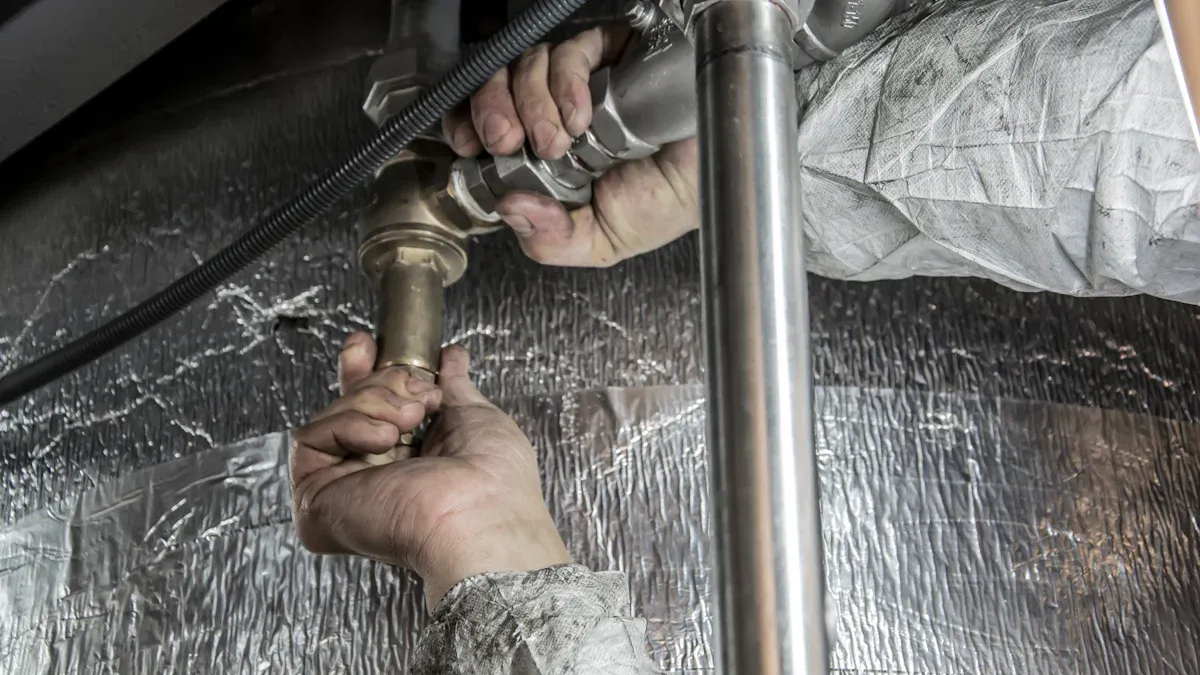
Selecting the right mechanical seals is crucial for maintaining operational efficiency across various industries. The choice directly influences safety, cost, and compliance with regulations. Several key factors affect the selection process, including fluid compatibility, operating conditions, and specific mechanical seal types in power plants.
Proper selection of mechanical seals prevents leaks and reduces downtime. It ensures that equipment operates under optimal conditions, which can extend the service life of machinery. Ultimately, choosing mechanical seals for the chemical industry or suitable mechanical seals for food processing significantly enhances overall performance. Additionally, understanding the different types of mechanical seals for mining is essential for applications in that sector. When considering which mechanical seal type is suitable for the chemical industry, it is important to evaluate the specific requirements to ensure optimal functionality.
Key Takeaways
- Choosing the right mechanical seal is essential for operational efficiency and safety. It can prevent leaks and reduce downtime.
- Consider fluid compatibility and operating conditions when selecting seals. This ensures optimal performance and longevity.
- Regular maintenance is crucial. Neglecting it can lead to overheating, wear, and costly failures.
- Consulting with experts can help you select the best mechanical seal for your application, enhancing reliability and performance.
- Avoid common mistakes like ignoring manufacturer specifications. Following guidelines ensures proper installation and seal longevity.
Types of Mechanical Seals

Single Mechanical Seals
Single mechanical seals are the most common type used in various industrial applications. They consist of two primary components: a rotating face and a stationary face. These seals effectively prevent fluid leakage in rotating shaft applications. Their design allows for easy installation and maintenance, making them a popular choice for many industries.
Some advantages of single mechanical seals include:
- Cost-effectiveness: They are generally less expensive than other types of seals.
- Simplicity: Their straightforward design facilitates easier installation and maintenance.
- Versatility: They can be used in a wide range of applications, including pumps and mixers.
However, single mechanical seals may not be suitable for all applications, especially those involving hazardous or high-pressure fluids.
Double Mechanical Seals
Double mechanical seals consist of two sets of sealing faces, which provide an additional layer of protection against leakage. They are particularly effective in applications involving hazardous fluids. The design allows for a barrier fluid between the two seals, which helps manage pressure and temperature fluctuations.
The advantages of double mechanical seals include:
- Designed to handle lethal, explosive, carcinogenic, hazardous, adhesive, or extremely viscous fluids.
- Capable of withstanding high pressure with barrier fluid.
- The outboard seal provides a full pressure backup, making it ideal for sealing toxic or dangerous fluids and gases.
- Effectively manages solids and contaminated media.
- Widely used in oil refinery applications.
These seals are essential in industries where safety and environmental compliance are critical.
Cartridge Mechanical Seals
Cartridge mechanical seals offer a pre-assembled design that simplifies installation and maintenance. They consist of all necessary components packaged together, which reduces the risk of human error during installation. This design is particularly beneficial in complex applications where precision is crucial.
| Evidence | Explanation |
|---|---|
| Pre-assembled design | Reduces installation time and complexity, minimizing human error. |
| Integrated components | Simplifies inventory management by eliminating the need for multiple individual parts. |
| Standardized installation | Reduces the need for specialized tools and extensive training, ensuring consistent results. |
| Time savings | Installation can be completed in a fraction of the time compared to traditional seals, reducing downtime. |
| Effective maintenance | Simplified design allows for better focus on critical equipment components and accurate maintenance scheduling. |
Cartridge mechanical seals are widely used in the chemical processing industry due to their reliability in managing corrosive and hazardous fluids. They provide enhanced containment compared to traditional sealing methods, improving safety and environmental compliance. Their consistent performance is crucial in processes involving toxic or environmentally sensitive materials.
Magnetic Drive Seals
Magnetic drive seals represent an innovative solution for applications requiring a high level of containment. These seals utilize magnetic forces to create a barrier between the rotating and stationary components. This design eliminates the need for traditional sealing methods, which often involve physical contact and can lead to wear and tear over time.
Key Features of Magnetic Drive Seals:
- No Leakage: The absence of a physical connection between the rotating and stationary parts significantly reduces the risk of leakage. This feature is crucial in industries where fluid containment is paramount.
- Reduced Maintenance: With fewer moving parts and no contact between the sealing surfaces, magnetic drive seals require less maintenance compared to conventional mechanical seals. This aspect can lead to lower operational costs over time.
- Versatile Applications: These seals are suitable for various applications, including pumps, mixers, and agitators. They excel in handling corrosive and hazardous fluids, making them ideal for chemical processing and oil refining.
Tip: When considering magnetic drive seals, assess the specific requirements of your application. Factors such as fluid type, pressure, and temperature will influence the effectiveness of the seal.
Advantages of Magnetic Drive Seals:
- Enhanced Safety: By preventing leaks, these seals contribute to a safer working environment. They minimize the risk of spills and exposure to hazardous materials.
- Energy Efficiency: The design of magnetic drive seals reduces friction, leading to improved energy efficiency in machinery. This efficiency can result in lower energy costs and a reduced carbon footprint.
- Longer Lifespan: The lack of wear due to contact between sealing surfaces extends the lifespan of magnetic drive seals. This longevity translates to fewer replacements and reduced downtime.
Key Considerations for Mechanical Seals Selection
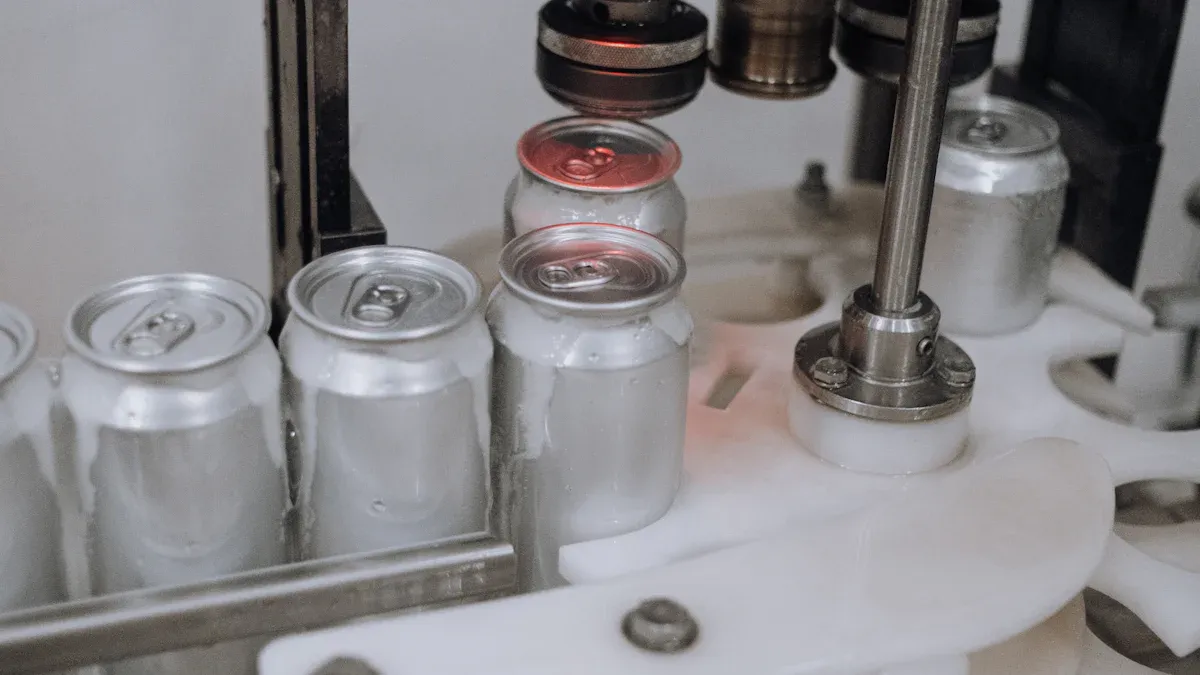
Fluid Compatibility
Fluid compatibility is a critical factor in selecting mechanical seals. The material and configuration of the seal must align with the specific fluid type to ensure optimal performance and longevity. For instance, corrosive chemicals require seals made from materials that can withstand harsh environments.
| Factor | Description |
|---|---|
| Fluid Type | The material and configuration of the seal depend on the fluid, especially for corrosive chemicals. |
| Pressure and Temperature | Operating conditions affect seal choice; high-pressure environments require specific seal types. |
| Shaft Speed | High-speed applications need seals designed to reduce friction and heat generation. |
| Environmental Considerations | Corrosion resistance is crucial in harsh environments, necessitating specific materials. |
Selecting the right materials can significantly impact the lifespan of mechanical seals. For example, silicon carbide offers excellent hardness and wear resistance, while elastomers like Viton™ provide chemical compatibility. Understanding these properties helps in making informed decisions.
Operating Conditions
Operating conditions such as speed and load play a vital role in mechanical seal selection. High shaft speeds can generate significant friction and heat, necessitating seals designed to maintain a stable fluid film.
| Operating Condition | Influence on Mechanical Seal Selection |
|---|---|
| Shaft Speed | Affects friction, heat generation, and lubrication at seal faces. Higher speeds necessitate designs that maintain a stable fluid film and limit wear. |
| System Pressure | Determines the load on seal faces. High-pressure applications often require balanced or dual seals to manage leakage and reduce wear, while lower pressures can use simpler unbalanced seals. |
In high-pressure applications, balanced or dual mechanical seals are often recommended. These seals help control leakage and reduce wear, ensuring reliable operation in demanding environments.
Temperature and Pressure Ratings
Temperature and pressure ratings are essential for maintaining the performance of mechanical seals. Correct temperature ratings ensure stable sealing performance. Excessive heat can shorten the lifespan of seals if materials are not properly selected.
- High-pressure applications require mechanical seal components with exceptional strength and pressure resistance.
- High temperatures can cause thermal expansion of seal components and deterioration of elastomers.
- Suboptimal temperatures may lead to brittleness and cracking of certain seal materials.
- Excessive pressure can deform sealing surfaces or disrupt the balance between seal faces, resulting in premature failure.
Understanding these factors allows for better selection of mechanical seals that can withstand the specific demands of an application.
Environmental Factors
Environmental factors play a significant role in the selection of mechanical seals. These factors can impact the performance, durability, and overall effectiveness of seals in various applications. When choosing mechanical seals for outdoor installations or harsh environments, consider the following aspects:
- High Humidity: Elevated moisture levels can lead to corrosion of metal components. This corrosion can compromise the integrity of the seal, leading to potential leaks.
- Temperature Variations: Fluctuations in temperature can cause materials to expand and contract. This cycling can weaken seals over time, especially if they are not designed to handle such changes.
- UV Radiation: Prolonged exposure to ultraviolet light can degrade rubber materials. This degradation may result in cracking and loss of elasticity, reducing the seal’s effectiveness.
- Ozone Exposure: Ozone can react with rubber, causing damage that affects the seal’s performance. Seals made from ozone-resistant materials are essential in environments where ozone is prevalent.
- Abrasive Particles: The presence of abrasive particles can significantly reduce the service life of mechanical seals. These particles cause accelerated wear and tear, compromising the seal’s integrity. Increased friction from trapped particles generates heat, further degrading the seal material.
When selecting mechanical seals, it is crucial to evaluate their resistance to environmental factors. Key properties to consider include:
- Corrosion Resistance: Materials should withstand corrosive environments without degrading.
- Moisture Resistance: Seals must resist moisture absorption to prevent swelling and softening.
- UV and Ozone Resistance: Selecting materials that can withstand UV radiation and ozone exposure is vital for outdoor applications.
- Mechanical Properties: Ensure that the seals maintain their mechanical integrity under varying environmental conditions.
By carefully assessing these environmental factors, engineers can select mechanical seals that provide reliable performance and longevity in their specific applications.
Common Mistakes to Avoid with Mechanical Seals
Ignoring Manufacturer Specifications
Many users overlook the importance of adhering to manufacturer specifications when selecting mechanical seals. Each seal comes with specific guidelines regarding installation, operating conditions, and maintenance. Ignoring these specifications can lead to improper installation and premature seal failure. Following the manufacturer’s recommendations ensures optimal performance and longevity of the seal.
Overlooking Maintenance Requirements
Neglecting maintenance requirements can have serious consequences for mechanical seals. Poor maintenance practices often lead to:
- Overheating and accelerated wear of mechanical seals.
- Premature failures that result in increased downtime.
- Higher operational costs due to frequent seal replacements.
Additionally, issues such as bearing wear, shaft vibration, or misalignment can negatively impact seal performance. Ignoring these upstream problems can result in repeated seal failures, further complicating operations.
Failing to Consult with Experts
Consulting with mechanical seal experts can significantly reduce the risk of seal failure. Experts begin by understanding client needs and objectives, followed by detailed evaluations to determine the ideal seal for the application. This thorough approach ensures that selected seals are reliable and safe.
Engaging with experts helps in making informed decisions about seal materials and designs, ensuring compatibility with specific process fluids. Approximately 40-50% of mechanical seal failures stem from improper assembly, installation errors, or component interaction issues. This statistic highlights the importance of adhering to expert recommendations to avoid nearly half of all seal failures.
Seal reliability consulting services involve comprehensive evaluations, including laboratory tests and failure analysis. These assessments help identify obstacles to high performance, ensuring the selection of the most suitable seal materials and technologies for specific applications.
By avoiding these common mistakes, users can enhance the reliability and efficiency of their mechanical seals, ultimately leading to improved operational performance.
Choosing the right mechanical seal is vital for ensuring operational efficiency and reducing long-term costs. Proper selection can lead to significant energy savings, as mechanical seals consume only 1/6 of the electricity compared to packing, translating to annual savings of over $1,700.
Engineers should assess specific application needs, including fluid characteristics and operating conditions.
Tip: Consult with industry experts to tailor solutions that meet unique operational requirements. Their insights can help identify the best seal for your application, enhancing reliability and performance.
FAQ
What is a mechanical seal?
A mechanical seal is a device that prevents fluid leakage between rotating and stationary parts in machinery. It consists of two faces that create a barrier, ensuring efficient operation and reducing maintenance needs.
How do I choose the right mechanical seal?
Selecting the right mechanical seal involves assessing fluid compatibility, operating conditions, temperature, and pressure ratings. Understanding these factors helps ensure optimal performance and longevity in specific applications.
What are the common materials used in mechanical seals?
Common materials for mechanical seals include carbon, ceramic, silicon carbide, and various elastomers. The choice of material depends on the fluid type, temperature, and environmental conditions.
How often should mechanical seals be replaced?
The replacement frequency of mechanical seals varies based on application and operating conditions. Regular inspections can help identify wear and determine when replacement is necessary to prevent leaks and failures.
Can I install mechanical seals myself?
While some mechanical seals allow for DIY installation, it is advisable to consult with experts for complex applications. Proper installation is crucial for ensuring optimal performance and preventing premature failures.
Post time: May-22-2026