



Custom mechanical seals play a pivotal role in addressing unique engineering challenges across various industries. They enhance reliability and performance through bespoke sealing solutions tailored to specific applications. By focusing on custom seal design, companies can significantly improve operational efficiency. For instance, these high-pressure custom seals reduce friction losses, leading to lower power consumption and operational costs. Their precision manufacturing ensures reliable operation even under extreme conditions, making them essential for demanding environments. If you’re wondering, “Can I get a custom mechanical seal?” the answer is yes, as we specialize in OEM mechanical seals and large diameter seals to meet your specific needs.
Key Takeaways
- Custom mechanical seals enhance reliability and performance by addressing unique engineering challenges in various industries.
- Choosing the right materials for mechanical seals is crucial for chemical compatibility and durability in harsh environments.
- Implementing custom seals can significantly reduce downtime and maintenance costs, leading to improved operational efficiency.
- Custom mechanical seals help industries comply with environmental regulations, minimizing emissions and fluid leakage.
- Tailored seal designs optimize performance under specific conditions, ensuring consistent functionality and reducing energy consumption.
Challenges in the Chemical Processing Industry
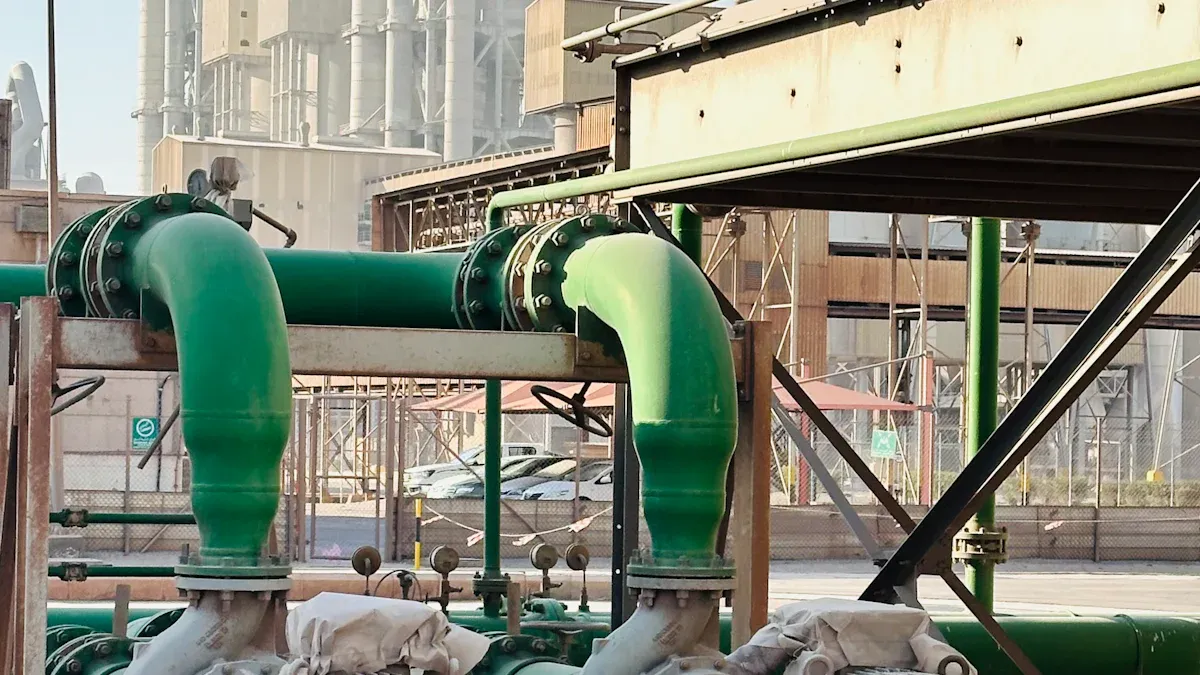
The chemical processing industry faces numerous challenges that can significantly impact operational efficiency and safety. Mechanical seals play a crucial role in this sector, yet they encounter specific issues that require careful consideration.
One of the primary challenges is chemical compatibility. Mechanical seals must withstand various aggressive chemicals without degrading. The choice of materials is vital. The table below outlines common materials used in mechanical seals and their properties:
| Material Type | Properties | Applications |
|---|---|---|
| Carbon | Good all-around material, lower friction, can handle many fluids. | General applications |
| Silicon Carbide | Extremely hard and wear-resistant, used in abrasive or high-speed apps. | High-speed applications |
| Tungsten Carbide | Hard, robust material suitable for demanding environments. | Heavy-duty applications |
| Ceramics | Cost-effective, chemical-resistant option, less robust than carbides. | General chemical applications |
| Diamond Coatings | Advances in adhesion and dry running ability for seal faces. | High-performance applications |
| Viton® (FKM) | Good chemical resistance, rated to 400°F (204°C) or lower. | Oils and hydrocarbons |
| Aflas® (TFE/P) | Strong resistance to bases and amines, rated to 400°F (204°C) or lower. | Steam applications |
| EPDM | Commonly used for water-based and certain chemical applications. | Water-based applications |
| Kalrez® (FFKM) | Excellent chemical and heat resistance, rated to 600°F (204°C) or lower. | Aggressive media applications |
Another significant challenge is the frequency of mechanical seal failures. Common causes include:
- Incorrect installation
- Operating condition mismatches
- Material selection issues
- Inadequate maintenance practices
These failures can lead to severe consequences, such as:
- Inability to meet emission regulations
- Mechanical damage
- Deterioration of material
- Mishandling of components
Mechanical seals must also endure extreme temperature and pressure ranges. The following table illustrates typical ranges for various materials:
| Material | Temperature Range | Pressure Range |
|---|---|---|
| 316 Stainless Steel | -425°F to 1500°F | General applications |
| Carbon Steel | High-temperature services | 300-600 psi+ |
| Alloy 20 | < 150°F | Chemical processing |
| Hastelloy C-276 | Extreme environments | High-pressure applications |
| Ceramic (SiC) | -58°F to 2,912°F | High-temp environments |
| Tungsten Carbide | -100°C to 800°C | High-pressure systems |
Regulatory requirements also impact the design of mechanical seals. Compliance is essential in chemical manufacturing, where even minor leaks can result in significant penalties. Regulations from agencies like the EPA compel facilities to minimize their environmental impact. This drives the design of mechanical seals to control emissions effectively.
Finally, the cost implications of seal failures are substantial. Direct costs include replacement parts and labor, while hidden costs can arise from lost production and energy waste. For instance, a $1,500 seal failure could lead to $15,000 in lost production. Frequent unscheduled downtimes can halt production lines, leading to significant product losses and high maintenance costs.
Solutions Offered by Custom Mechanical Seals
Custom mechanical seals provide innovative solutions to the challenges faced in various industries. Their design and material selection play a crucial role in enhancing performance and reliability. Here are some key solutions offered by custom mechanical seals:
- Chemical Compatibility: Custom seals are engineered to withstand aggressive chemicals. For instance, in a nitrogen facility, a dual-sealing system was implemented to prevent media accumulation and corrosion. The original gasket failed, leading to corrosion on flange faces. The new design sealed directly at the flange bore, eliminating spaces for media accumulation. This enhancement significantly improved reliability and reduced maintenance cycles.
- Durability in Harsh Conditions: Custom mechanical seals utilize high-strength materials such as Carbon and Silicon Carbide. These materials endure extreme conditions, minimizing the need for frequent replacements. The robust design allows for continuous operation, reducing maintenance interventions and increasing equipment uptime. This reliability helps maintain production efficiency and reduces downtime.
- Regulatory Compliance: Custom mechanical seals also contribute to compliance with industry-specific regulations. The following table outlines the compliance requirements for various industries:
| Industry | Compliance Requirements |
|---|---|
| Food & Beverage | Must comply with FDA regulations for materials in contact with consumable products. |
| Pharmaceutical & Biotechnology | Must meet 3A Sanitary Standards, requiring smooth surfaces and materials that withstand sterilization. |
| Chemical Processing | May need certifications like ATEX or compliance with API 682 for sealing in various industries. |
| Water & Wastewater | Focus on corrosion resistance and durability in contaminated media, using materials like stainless steel. |
- Enhanced Performance: Custom seal design allows for tailored solutions that meet specific operational needs. By addressing unique challenges, these seals enhance overall system performance. They can be designed to operate efficiently under varying temperature and pressure conditions, ensuring optimal functionality.
Challenges in the Oil and Gas Sector
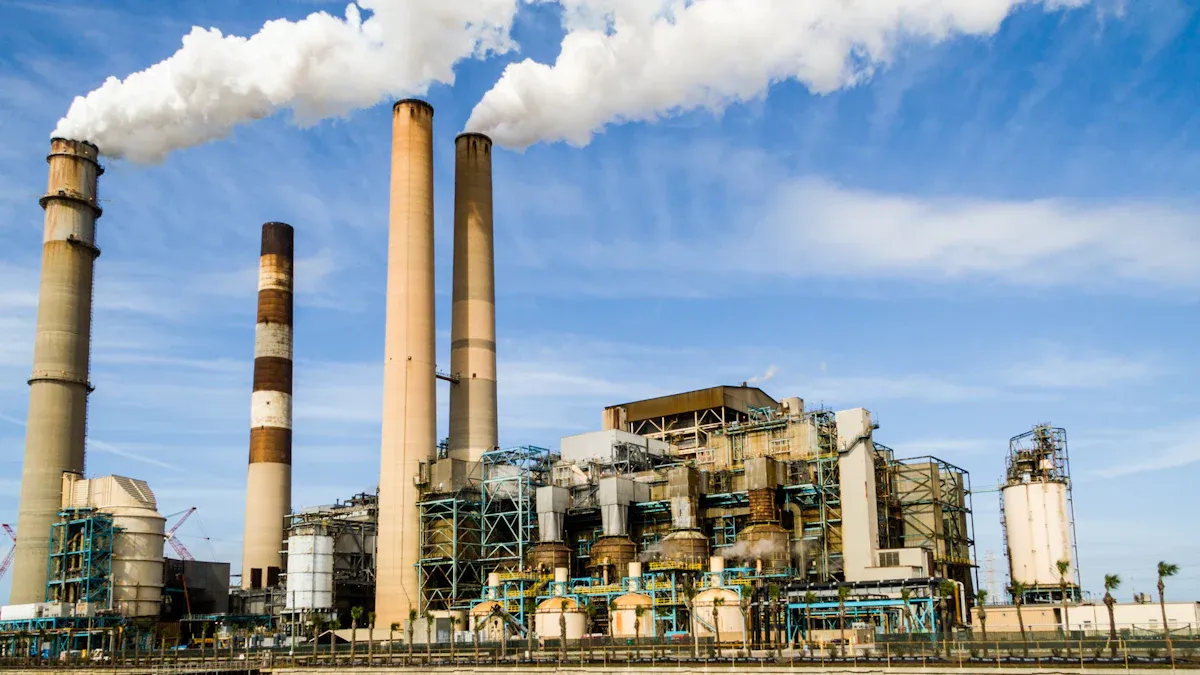
The oil and gas sector presents unique challenges that significantly impact the performance of mechanical seals. One major issue arises from fluctuating pressures and temperatures during extraction processes. These fluctuations can destabilize the gas film in mechanical seals, leading to potential leakage. Material expansion or contraction due to temperature changes can cause misalignment of sealing faces, increasing the risk of gas escape. Additionally, changes in temperature can alter the viscosity of the gas, affecting lubrication properties and potentially leading to increased wear on sealing components.
Another challenge is the average lifespan of mechanical seals in this sector. Compared to seals used in other industries, those in oil and gas applications often face harsher conditions. The following table illustrates the differences:
| Feature | AES Mechanical Seals | Other Mechanical Seals |
|---|---|---|
| High Pressure and Temperature | Up to 400°C and 150 bar | Varies, generally lower limits |
| Enhanced Durability | Longer lifespan due to material quality | Typically shorter lifespan |
| Maintenance | Low maintenance required | Higher maintenance needs |
Frequent seal failures can lead to significant operational disruptions. For instance, a major oil and gas terminal experienced seal failures within three months due to blistering on the carbon primary ring. By switching to a diamond-coated mating ring, the terminal resolved the issue, reporting no failures for over a year. This case highlights how custom seal design can effectively mitigate the risk of leaks in oil and gas processing equipment.
Real-World Applications of Custom Seals
Custom mechanical seals find extensive applications across various industries, addressing specific challenges and enhancing operational efficiency. Here are some notable real-world examples:
- Nuclear Power Plants: In a nuclear facility, chronic leakage and maintenance issues plagued screen wash pumps. The implementation of the Flexaseal Style 85 Split Cartridge Mechanical Seal resolved these persistent problems. This custom seal design improved reliability, reduced maintenance downtime, and enhanced workplace conditions.
- Oil and Gas Industry: Custom seals play a vital role in ensuring safety and reliability in high-risk environments. The following table outlines the benefits of using custom mechanical seals in this sector:
| Benefit | Description |
|---|---|
| Proper Sealing | Ensures effective sealing under extreme conditions, minimizing the risk of leaks. |
| Compliance with Regulations | Enhances adherence to industry standards, crucial for safety in high-risk environments. |
| Tailored Designs | Custom designs allow seals to withstand harsh chemicals, high pressures, and temperatures. |
| Reduced Downtime | Properly engineered seals can significantly decrease operational downtime and environmental risks. |
- Chemical Processing: In chemical manufacturing, custom seals help meet stringent regulatory requirements. They ensure compliance with industry standards, which is essential for maintaining safety and operational integrity.
The adoption of custom mechanical seals has led to quantifiable benefits. Companies have reported reduced downtime costs by up to 12% within the first year. Maintenance expenses have decreased, leading to a total reduction of up to 25% in overall costs. Early adopters often experience an average payback period of 9-12 months due to optimized designs that lower maintenance and operational costs.
These examples illustrate how custom seal design effectively addresses unique challenges in various sectors, enhancing reliability and performance.
Benefits of Implementing Custom Mechanical Seals
Implementing custom mechanical seals offers numerous advantages that enhance operational efficiency and reduce costs across various industries. These benefits stem from the tailored nature of custom seal design, which addresses specific challenges faced by organizations.
- Enhanced Reliability: Custom mechanical seals significantly reduce downtime and maintenance costs. By minimizing the risk of leaks and failures, these seals improve operational uptime, allowing facilities to maintain consistent production levels.
- Customization: Tailored solutions ensure optimal performance for specific applications. Custom seals can be designed to meet unique operational requirements, which enhances their effectiveness in various environments.
- Environmental Compliance: Custom seals help industries minimize emissions and fluid leakage. This capability aids in meeting stringent regulatory standards, reducing the risk of penalties associated with non-compliance.
- Energy Efficiency: These seals reduce friction losses, which lowers energy consumption during operation. This efficiency not only contributes to cost savings but also supports sustainability initiatives.
- Quality Consistency: Custom mechanical seals provide predictable performance, simplifying inventory management. This consistency allows companies to maintain high-quality standards in their processes.
The following table summarizes how custom mechanical seals contribute to overall equipment effectiveness in manufacturing plants:
| Benefit | Contribution to Equipment Effectiveness |
|---|---|
| Enhanced Reliability | Reduces downtime and maintenance costs, improving operational uptime. |
| Customization | Tailored solutions for specific applications ensure optimal performance. |
| Environmental Compliance | Minimizes emissions and fluid leakage, aiding in regulatory compliance. |
| Energy Efficiency | Reduces friction losses and maintenance energy requirements. |
| Quality Consistency | Predictable performance and simplified inventory management. |
Additionally, custom mechanical seals reduce the frequency of unplanned maintenance events. Their robust construction and self-contained unit design simplify installation and replacement, leading to fewer disruptions. The following table illustrates how these seals impact maintenance needs:
| Evidence Point | Description |
|---|---|
| Self-contained unit | Cartridge seals combine all necessary components for effective sealing, simplifying installation and replacement, which reduces maintenance time. |
| Enhanced reliability | Standardized design minimizes human error and ensures consistent performance, leading to fewer unplanned maintenance events. |
| Robust construction | Engineered to withstand harsh conditions, extending seal life and reducing replacement frequency, thus lowering maintenance needs. |
| Operational efficiency | Prevents leakage and allows for scheduled inspections, minimizing the risk of sudden failures and unscheduled downtime. |
Custom mechanical seals are essential for addressing complex engineering challenges across various industries. Their tailored nature provides several advantages:
- Specialty seals tackle unique challenges in specific applications.
- They offer a precise fit, enhanced durability, and resistance to harsh conditions.
- By preventing leaks, they ensure consistent performance and reduce equipment wear.
Investing in custom sealing solutions leads to improved operational outcomes. Enhanced reliability and reduced maintenance costs result from a custom seal design that meets specific performance requirements. This investment not only minimizes downtime but also contributes to overall cost reductions, making it a strategic choice for businesses aiming for efficiency.
FAQ
What are custom mechanical seals?
Custom mechanical seals are specially designed sealing solutions tailored to meet specific operational requirements. They enhance reliability and performance in various industries by addressing unique challenges such as chemical compatibility and extreme environmental conditions.
How do I know if I need a custom mechanical seal?
If standard seals frequently fail or do not meet your operational needs, consider a custom mechanical seal. Assess factors like chemical exposure, temperature fluctuations, and pressure variations to determine if a tailored solution is necessary.
What materials are used in custom mechanical seals?
Common materials include carbon, silicon carbide, tungsten carbide, and various elastomers like Viton® and EPDM. The choice depends on the application, chemical compatibility, and environmental conditions to ensure optimal performance and durability.
How can custom mechanical seals improve efficiency?
Custom mechanical seals reduce leaks and failures, leading to less downtime and lower maintenance costs. Their tailored design ensures they operate effectively under specific conditions, enhancing overall system efficiency and reliability.
What industries benefit from custom mechanical seals?
Industries such as chemical processing, oil and gas, pharmaceuticals, and food and beverage benefit significantly from custom mechanical seals. These seals address unique challenges, ensuring compliance and enhancing operational performance in demanding environments.
Post time: Feb-07-2026