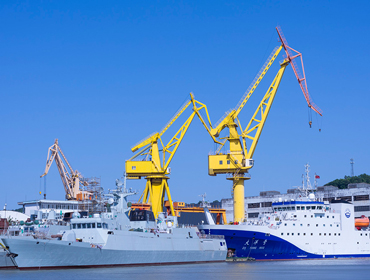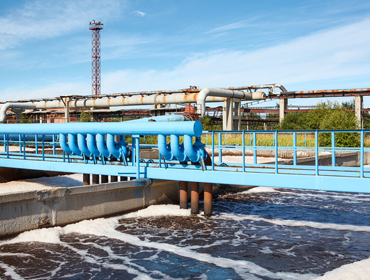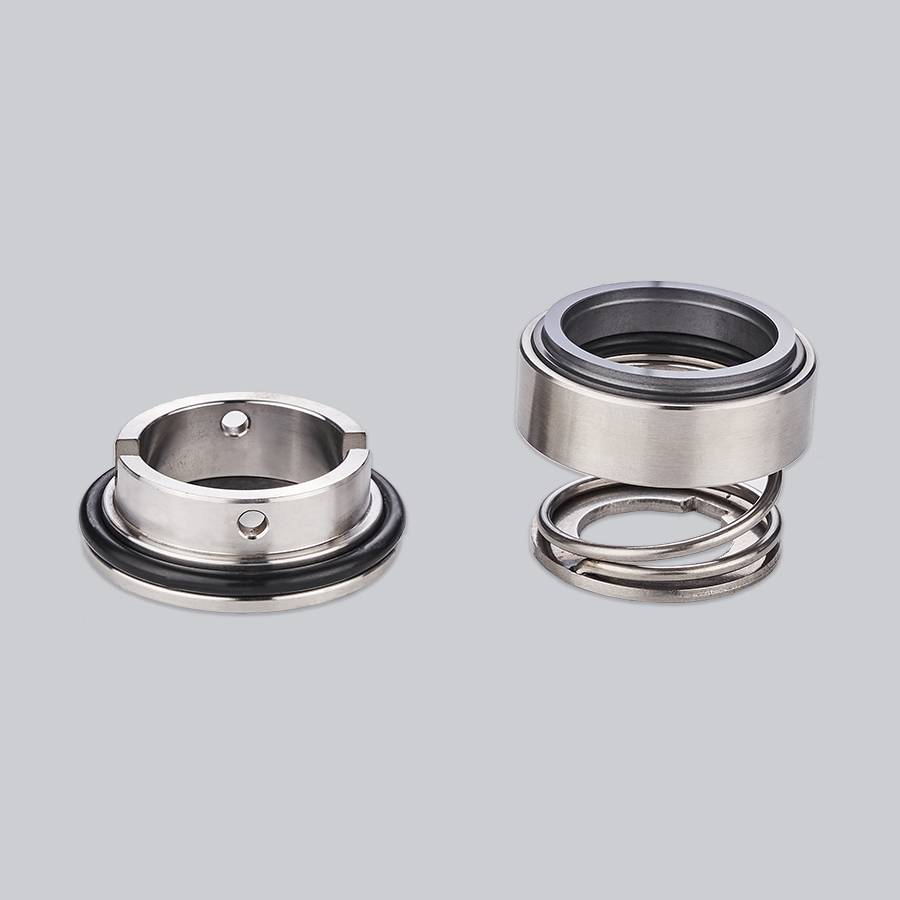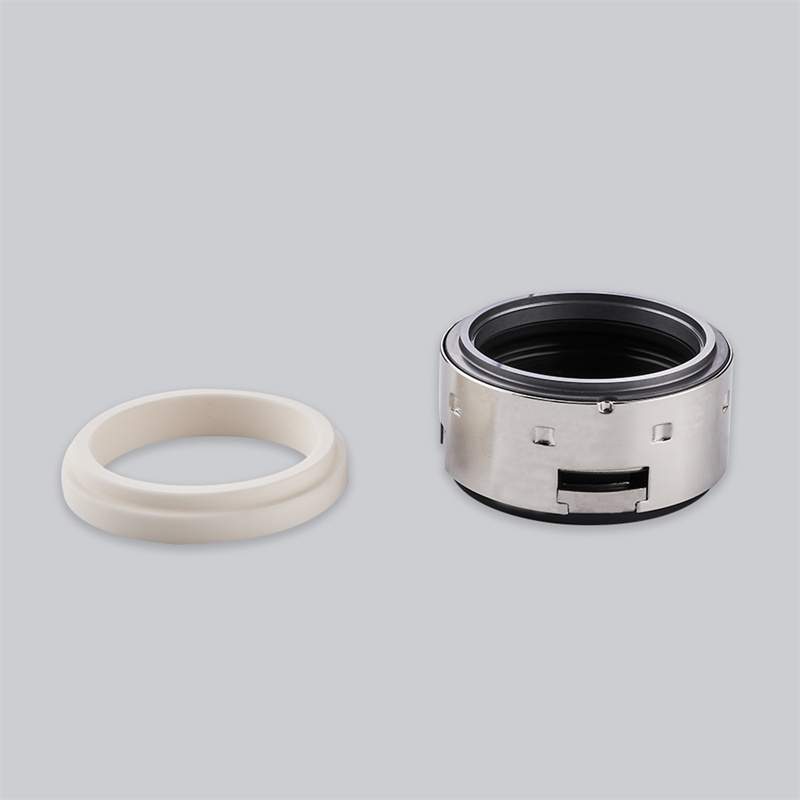


In the modern maritime and offshore industries, the reliability of rotating machinery is paramount. Marine seals for mechanical rotor sealing represent the frontline defense against fluid leakage, environmental contamination, and catastrophic mechanical failure. Whether installed in massive container ships, dynamic offshore drilling platforms, or specialized naval vessels, these seals operate under some of the most hostile conditions on Earth.
The commercial status of the marine sealing market is characterized by a rapid shift toward high-efficiency, low-emission technologies. Global regulations, such as the US Environmental Protection Agency's Vessel General Permit (VGP) and the Vessel Incidental Discharge Act (VIDA), place strict limits on oil-to-sea interfaces. Consequently, ship operators and marine engineers are transitioning away from traditional compression packing to advanced mechanical seals. These modern rotor sealing systems ensure zero or near-zero emissions, directly reducing operational compliance risks.
From an economic standpoint, the cost of mechanical seal failure in marine applications extends far beyond the price of the replacement component. Dry-docking a vessel for unscheduled propeller shaft or cargo pump seal repairs can cost shipowners tens of thousands of dollars per day in lost charter rates and labor costs. As a result, there is a growing demand for high-durability materials such as reaction-bonded silicon carbide (SiC), tungsten carbide (TC), and advanced elastomer bellows that can withstand high PV (pressure-velocity) limits and abrasive marine sediments.
Ningbo Victor Seals Co., Ltd has positioned itself at the forefront of this industrial demand. By manufacturing replacement seals for world-renowned brands like Eagle Burgmann, John Crane, and Vulcan, we enable global fleet managers to access OEM-quality sealing technology at optimized cost points, ensuring minimal downtime and maximum operational efficiency.
Mechanical rotor sealing is critical across multiple onboard systems. Below, we explore the specific challenges and requirements of these distinct operational environments.
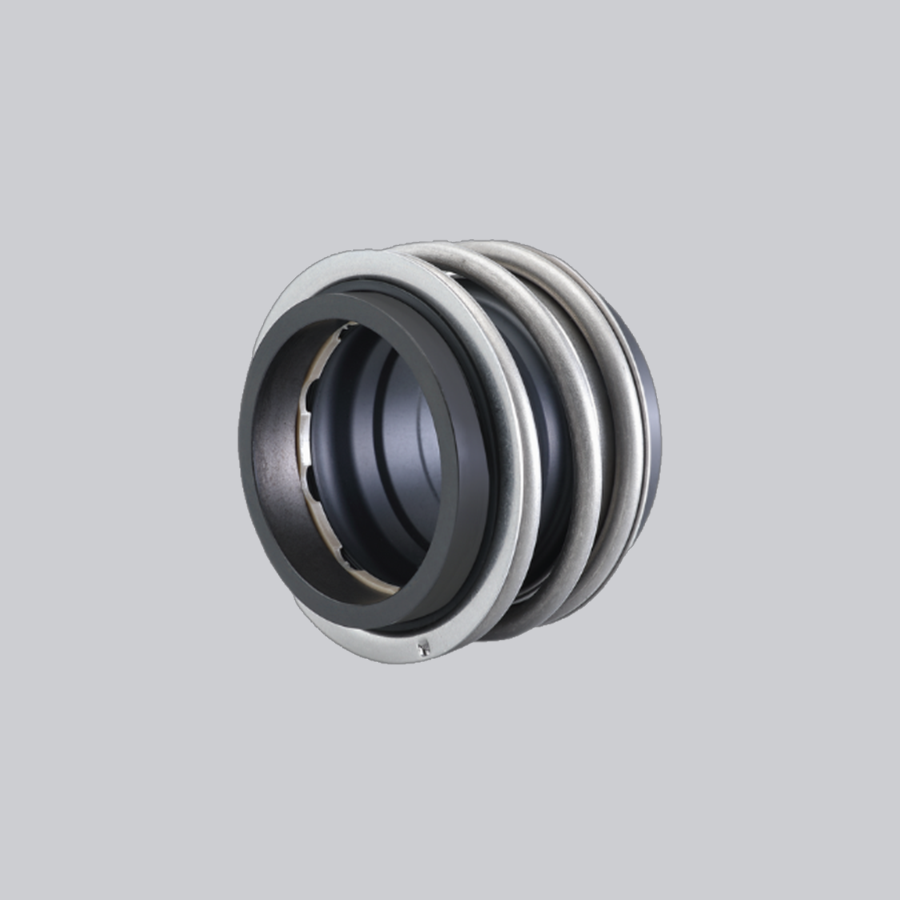
The propeller shaft is the most critical rotating component on any vessel. Stern tube seals must prevent seawater from entering the engine room while retaining lubricating oil within the bearing housing. These seals must accommodate significant axial play, radial shaft runout, and severe vibrations caused by heavy seas and propeller cavitation. High-performance elastomer bellows and segmented metal bellows seals are commonly deployed here to provide the necessary flexibility and structural integrity.
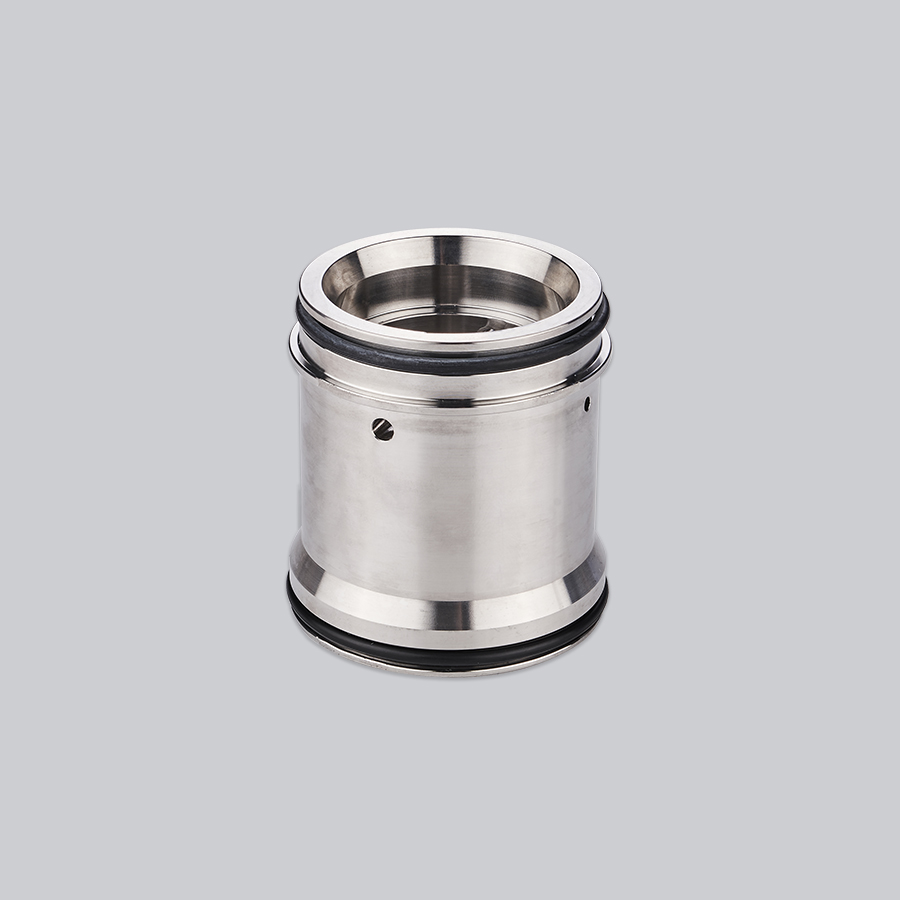
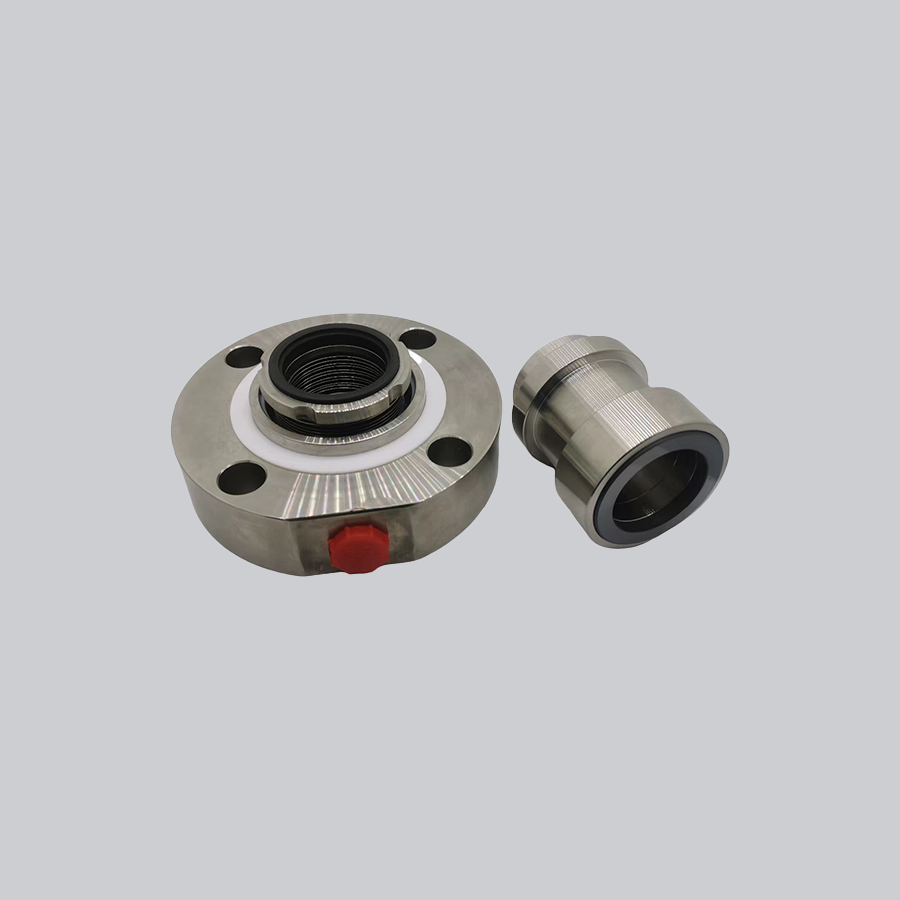
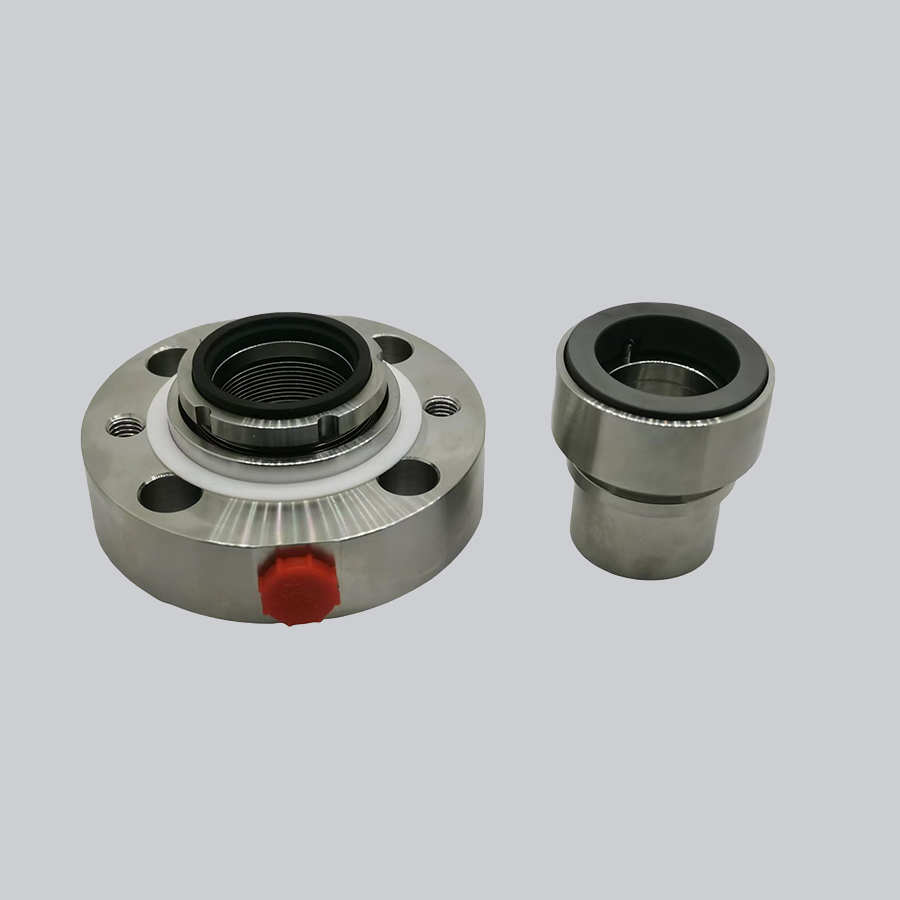
Vessels rely on a complex network of pumps for ballast water management, bilge pumping, boiler feed water, and cargo transfer. Cargo pumps on chemical tankers handling corrosive or volatile fluids require highly specialized mechanical seals. Single or double balanced cartridge seals, utilizing chemical-resistant materials like Hastelloy and silicon carbide faces, prevent hazardous fluid escapes and protect the vessel's crew and the surrounding marine ecosystem.
Azimuth thrusters and bow thrusters provide maneuverability for modern cruise ships, tugboats, and dynamic positioning (DP) offshore vessels. The gearboxes and rotor shafts in these systems operate under high pressure and variable speeds. Sealing solutions must be compact yet robust enough to handle rapid pressure spikes and continuous exposure to cold, high-salinity deep-sea water, ensuring continuous thruster availability.
Historically, replacing a marine mechanical seal required dismantling the entire pump or rotor shaft assembly, leading to prolonged maintenance windows. The industry trend is moving decisively toward cartridge mechanical seals. Pre-assembled and preset at the factory, cartridge units eliminate installation errors and significantly reduce replacement time. Concurrently, metal bellow seals are gaining traction in high-temperature applications (such as boiler feed systems) due to their lack of dynamic O-rings, which eliminates shaft fretting and seal hang-up.
Under VGP guidelines, ships must use Environmentally Acceptable Lubricants (EALs) in all oil-to-sea interfaces. However, some synthetic ester-based EALs can cause standard fluorocarbon (FKM) and nitrile elastomers to degrade, swell, or crack prematurely. Sealing manufacturers are now engineering advanced fluorocarbon compounds and specialized hydrogenated nitrile butadiene rubber (HNBR) to ensure long-term chemical compatibility with modern biodegradable lubricants.
The seal faces are the heart of any mechanical seal. In marine applications where seawater contains abrasive suspended solids (such as sand and silt in shallow harbors), standard carbon faces wear out rapidly. The integration of hard-on-hard face combinations, specifically Silicon Carbide (SiC) vs. Silicon Carbide or Tungsten Carbide (TC) vs. Tungsten Carbide, has dramatically extended seal life. Furthermore, diamond-like carbon (DLC) coatings are increasingly applied to minimize friction coefficient and prevent dry-running failures during dry start-ups.
As shipping fleets embrace digitalization, mechanical seals are being integrated into Internet of Things (IoT) frameworks. Smart sealing systems equipped with miniature sensors can monitor seal face temperature, barrier fluid pressure, and vibration levels in real time. By analyzing this data, predictive maintenance algorithms can alert engineers to potential seal wear long before a failure occurs, allowing maintenance to be scheduled during routine port calls.
Ningbo Victor Seals Co., Ltd was founded in 1998, more than 20 years ago, and is strategically located in Ningbo, Zhejiang province, China. Our modern manufacturing facility covers a total area of 3800 square meters, with a construction area of 3000 square meters. Backed by a dedicated team of more than 40 highly skilled employees, we have grown into a professional and leading mechanical seals manufacturer in China.
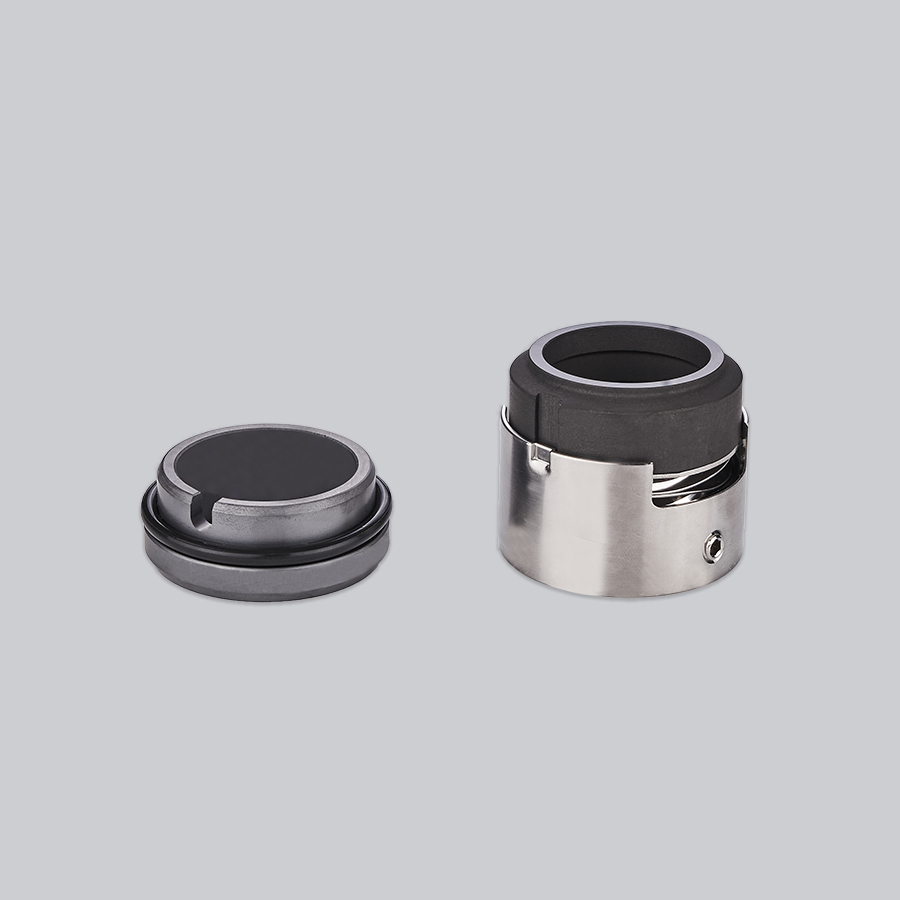
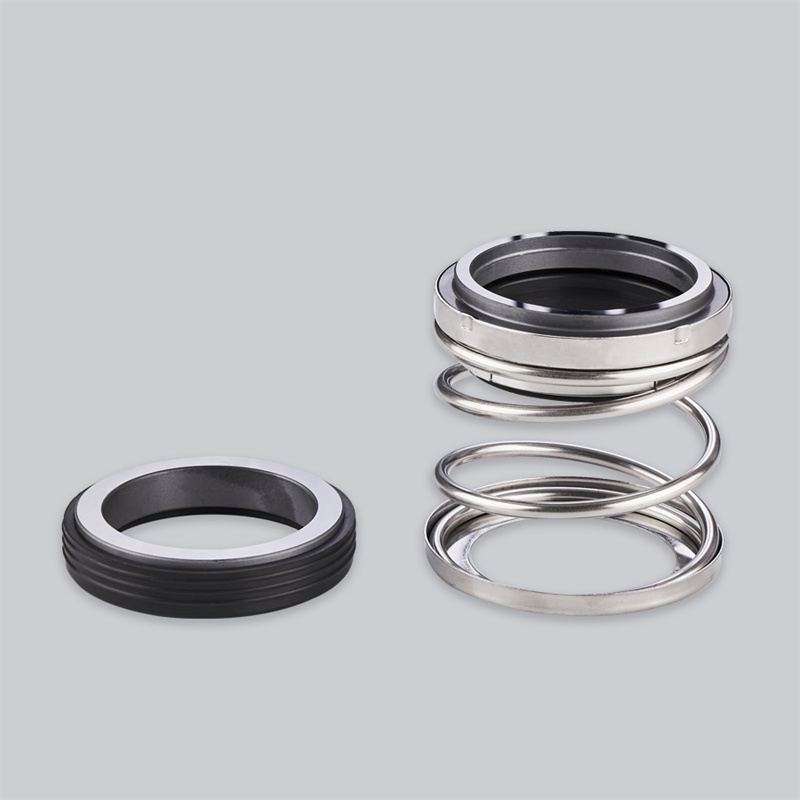
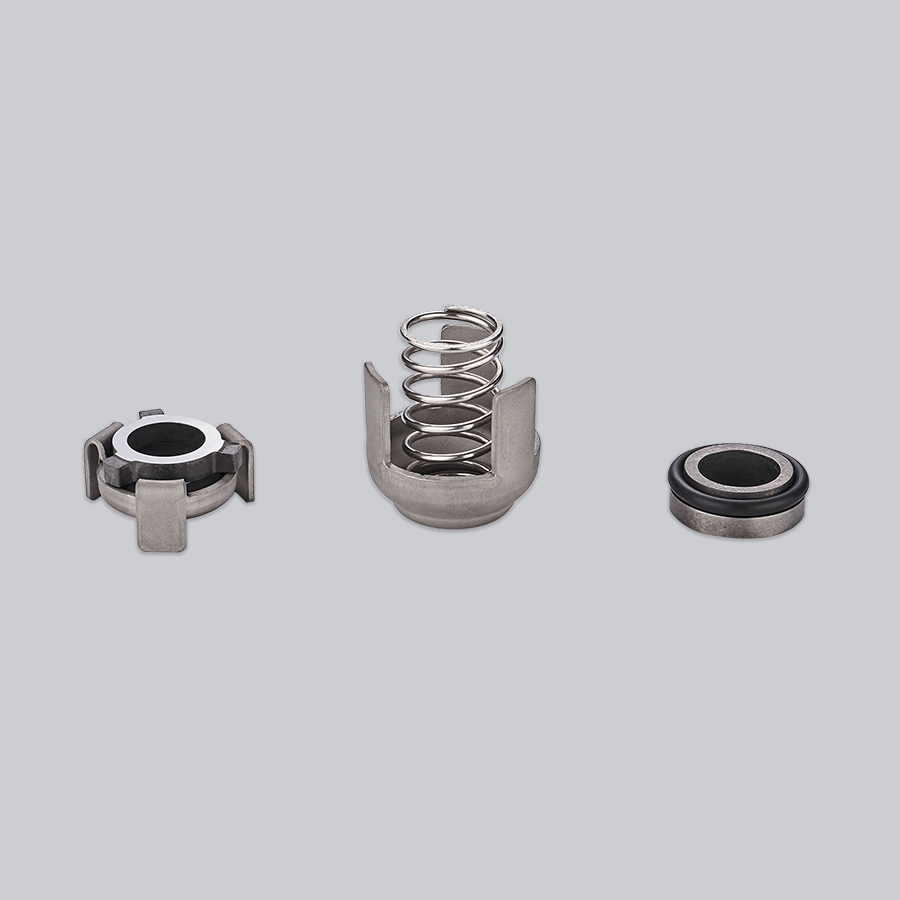
Our registered brand "Victor" is recognized globally, with registrations spanning more than 30 countries. We specialize in the design, engineering, and manufacturing of complete sets of mechanical seals, including cartridge seals, rubber bellow seals, metal bellow seals, and O-ring seals. These products are engineered to perform under diverse and demanding working conditions.
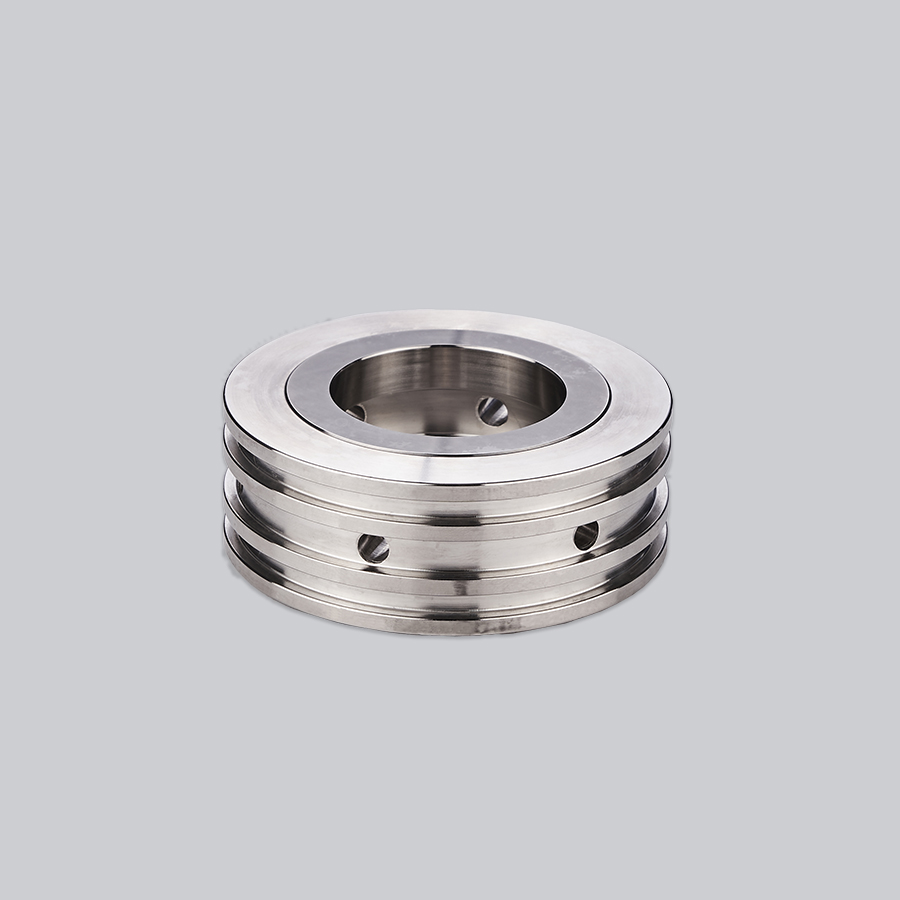
In addition to our standard product catalog, we offer comprehensive OEM mechanical seals tailored to specialized operational parameters according to customer demands. To support our seal assemblies, we manufacture high-precision spare parts using premium materials such as Silicon Carbide, Tungsten Carbide, Ceramic, and Carbon for seal rings, bushings, and thrust discs.
All our products are rigorously designed and manufactured in compliance with international standards, including DIN24960, EN12756, ISO3069, API610, API682, and GB6556-94. Our sealing solutions are widely utilized in petroleum, chemical processing, power generation, metallurgy, shipbuilding, sewage treatment, food processing, pharmaceuticals, and automotive industries worldwide.
We provide direct, high-performance replacements for major international brands, including Eagle Burgmann, John Crane, Vulcan, and more, matching or exceeding OEM specifications.
Our facility is fully equipped to repair and refurbish all categories of mechanical seals, restoring worn components to original operating tolerances.
If you have unique operating conditions or lack technical drawings, our engineering team can design and prototype bespoke sealing systems tailored to your machinery.
Deep domain expertise in mechanical sealing technology since 1998.
Typically offering up to 10% lower pricing compared to other global suppliers.
State-of-the-art manufacturing equipment and strict QA protocols.
Large stock of standard mechanical seals for immediate dispatch.
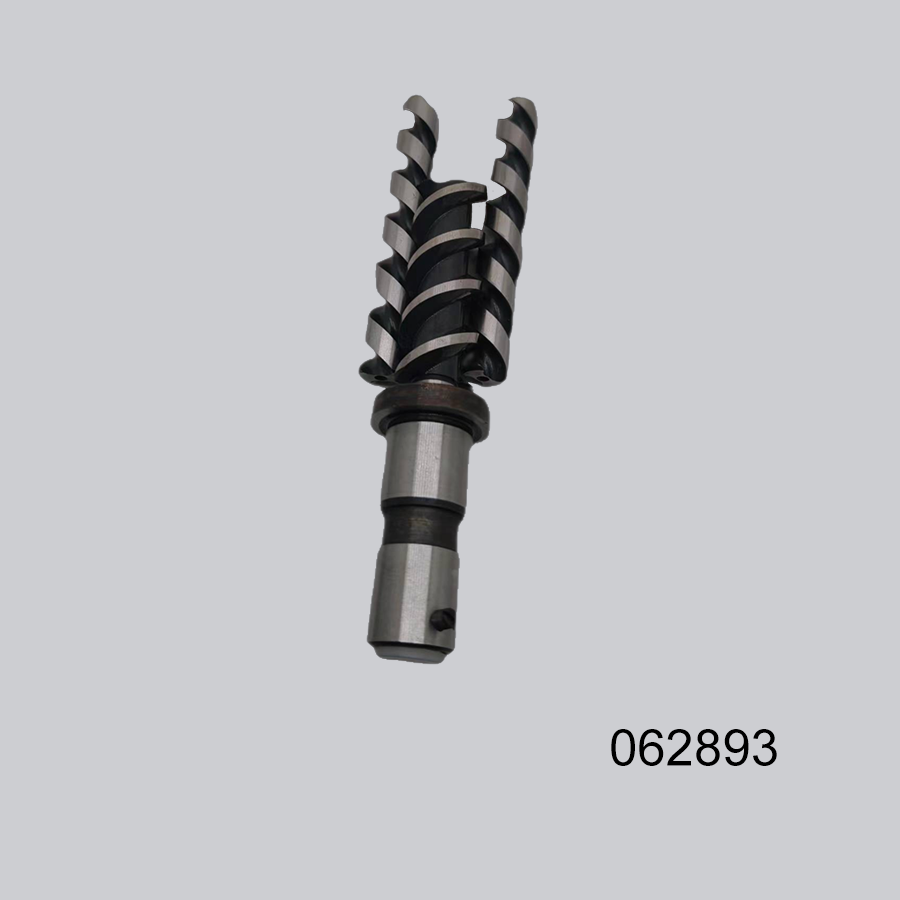
Explore our comprehensive range of high-precision rotor sets and replacement mechanical shaft seals compatible with global pump manufacturers.