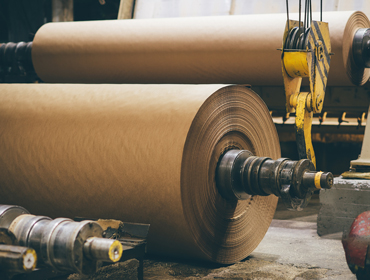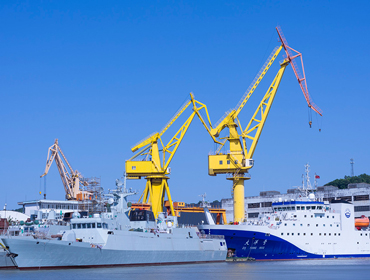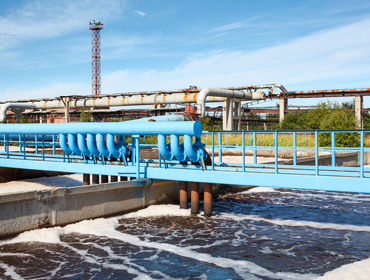


Engineered for high-dynamic rotary stability, superior hydrodynamic lubrication, and strict containment across demanding hydraulic loops.
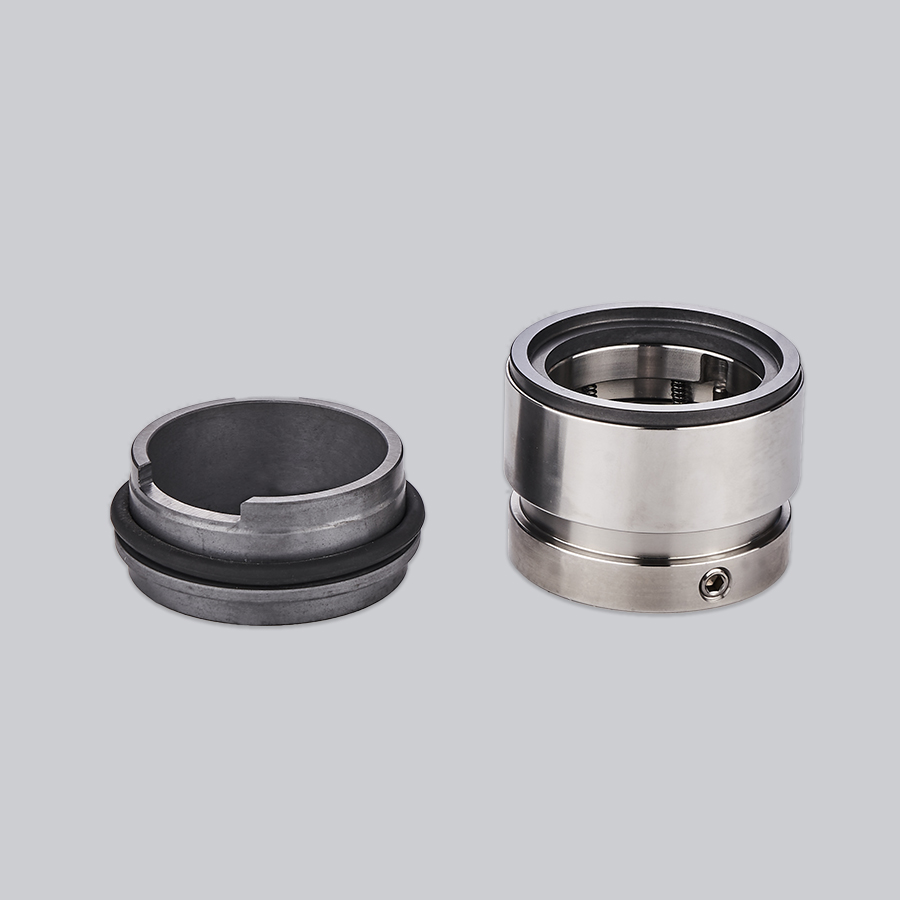
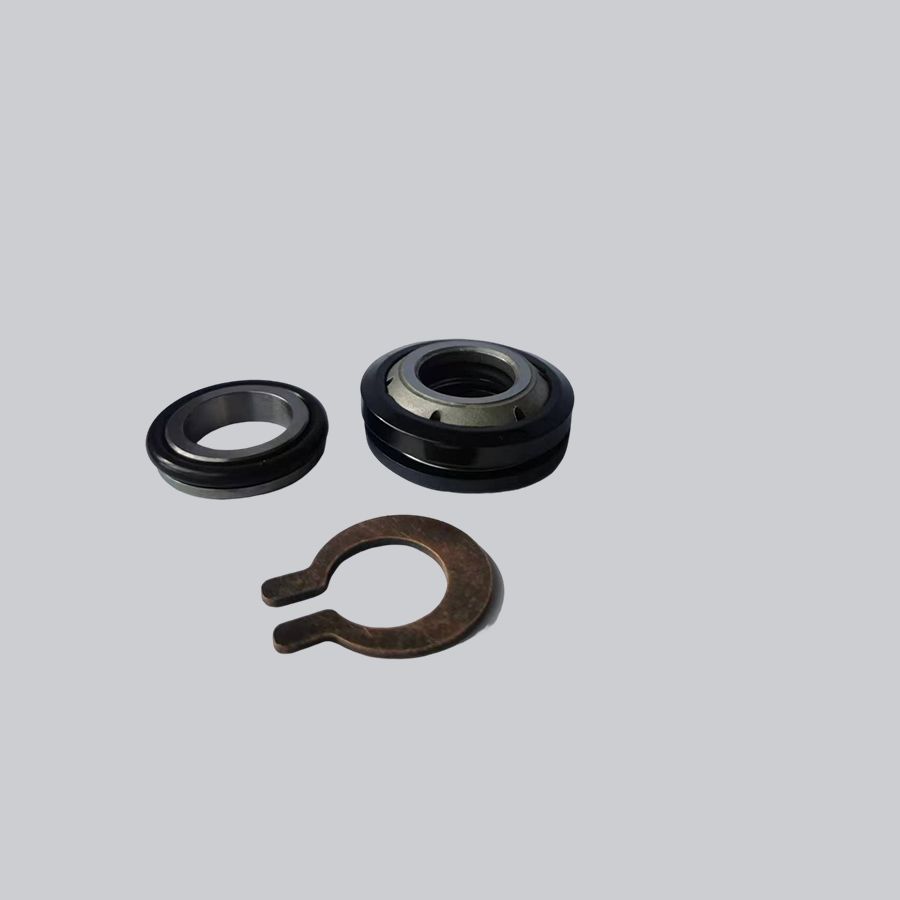
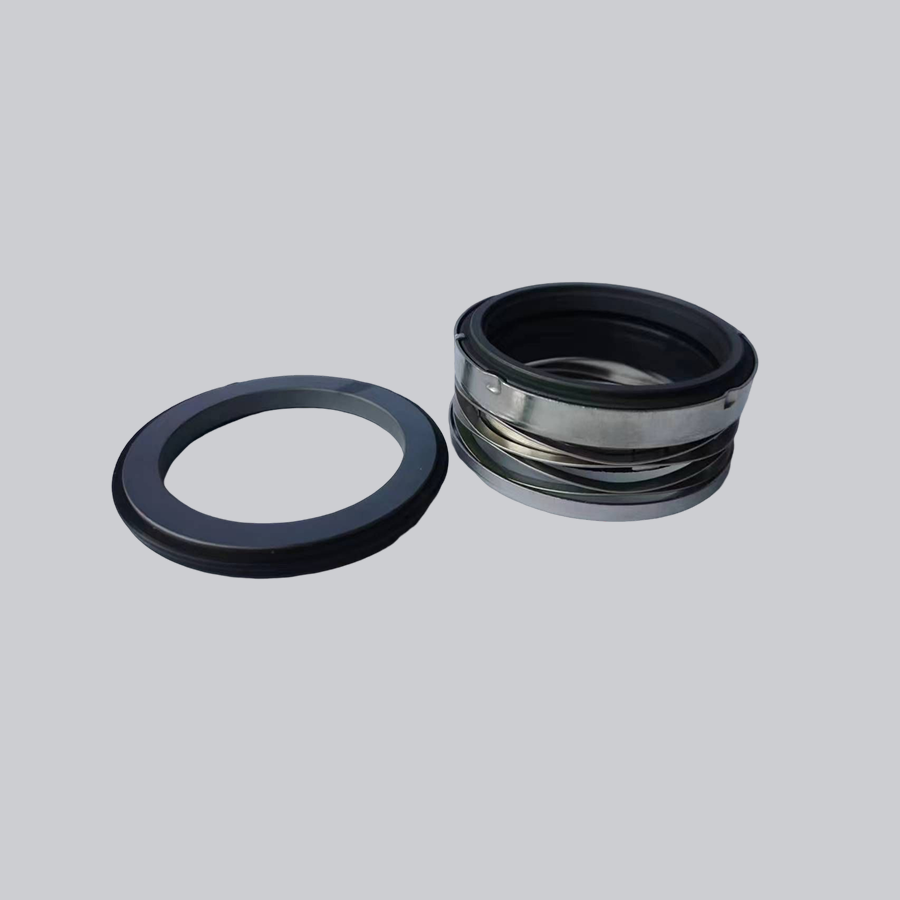
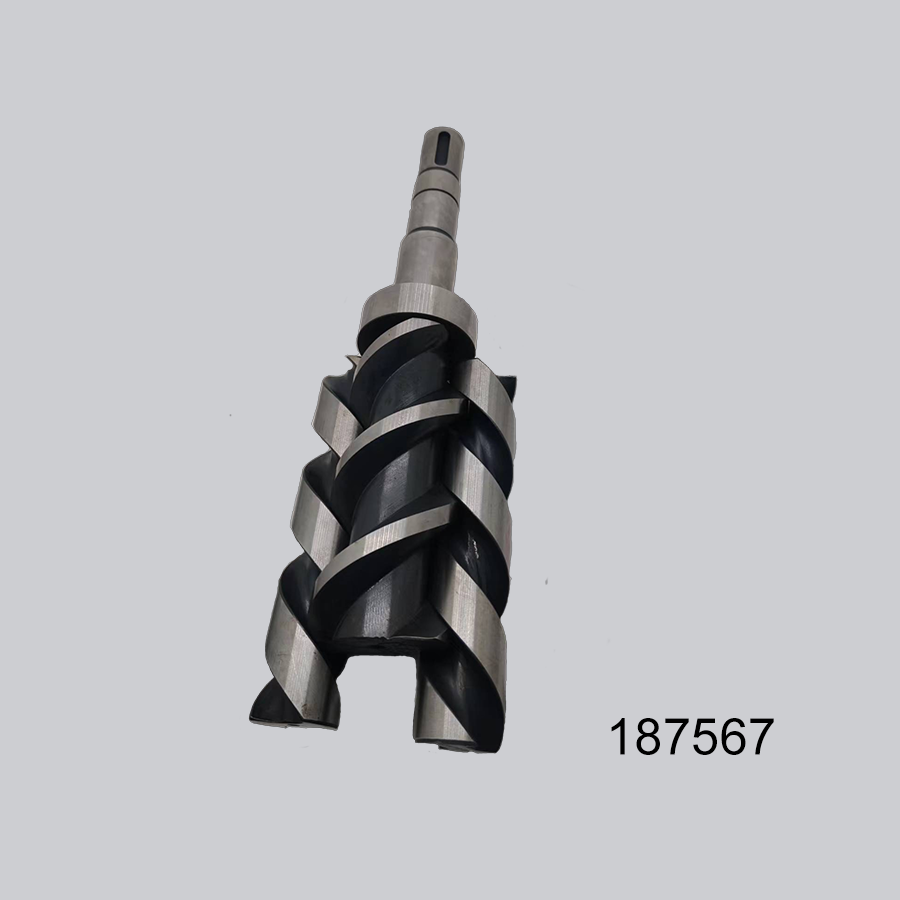
Modern industrial equipment demands robust sealing in oil circuits under escalating pressure-velocity (PV) limits, shifting away from conventional elastomer degradation toward micro-engineered mechanical faces.
Environmental regulations like EPA and REACH demand absolute zero-leakage containment in hydraulic power plants, lubrication oil circuits, and volatile petrochemical media circulation loops.
Finite element modeling, computational fluid dynamics (CFD), and real-time thermographic feedback optimize seal contact geometry, predicting wear cycles before catastrophic oil blowouts occur.
The contemporary landscape of industrial fluid handling has placed unprecedented operational stress on fluid circuit containment. As heavy machinery, marine propulsion systems, power generation turbines, and precision hydraulic systems push operational envelopes, standard sealing elements often experience accelerated thermal breakdown, elastomer swelling, and localized cavitation. Modern Auto Seal engineering for oil circuit sealing represents the critical technological paradigm shift designed to counteract dynamic pressure fluctuations, chemical degradation from synthetic ester fluids, and excessive frictional drag.
In high-pressure oil circuits, an auto seal does not merely function as a physical barrier. Instead, it serves as a highly calibrated tribological interface. The system balances microscopic hydrodynamic fluid films—often between 0.5 to 1.5 micrometers—between sliding rings made of reaction-bonded silicon carbide (SiC), tungsten carbide (TC), and resin-impregnated electro-graphite carbon. By actively generating fluid wedge lift during rotational torque, these precision mechanical seals maintain near-zero boundary friction while preventing pressurized lubricant from migrating into atmospheric cavities or motor windings.
Engineering Core: Mechanical oil circuit integrity relies on balancing hydrodynamic lifting forces against spring-loaded hydraulic closing pressures. A deviation of mere nanometers in contact flatness (measured via monochromatic helium light bands) dictates whether an auto seal achieves 50,000 hours of continuous run-time or experiences premature blistering.
Furthermore, the automotive and heavy-duty transmission sectors have introduced high-temperature synthetic automatic transmission fluids (ATFs) that aggressively degrade general-purpose nitriles. Addressing this challenge requires modern auto seal configurations that leverage balanced metal bellows, wave springs, and ultra-chemically resistant perfluoroelastomers (FFKM) or fluorocarbon (FKM) secondary O-rings. By removing dynamic elastomeric hang-up along the shaft sleeve, wave spring and metal bellow auto seals eliminate shaft fretting, compensate automatically for axial shaft play, and preserve uniform face pressure even during thermal shock cold starts.
Sealing oil circuits demands nuanced engineering configurations based on kinematic dynamics, operating fluid rheology, and ambient environmental conditions. Below is a rigorous analysis of the primary engineering domains relying on auto seal technology:
Installed inside 2-stroke and 4-stroke marine diesel crankshaft lubrication blocks, Allweiler, IMO, and Taiko marine pumps circulate high-viscosity fuel oil (HFO) and crankcase lubricants under high temperatures (up to 160°C). Specialized auto seals prevent oil vapor migration, resist sulfurous particulate abrasion, and guarantee uncompromised propulsion reliability at open sea.
Electric drive units (EDUs) combine high-speed electric motors (spinning beyond 20,000 RPM) with integrated reduction gears lubricated by low-viscosity dielectric transmission oils. High-speed auto seals isolate dry electrical stator chambers from the wet oil circuit, utilizing carbon-graphite faces to eliminate parasitic torque losses.
Excavator booms, underground tunnel-boring hydraulic packs, and rock crushers rely on closed-loop hydraulic oil circuits enduring transient pressure shocks exceeding 350 bar. Cartridge auto seals with secondary debris deflectors prevent atmospheric quartz dust ingress while sealing extreme pressure surges.
One of the most pressing engineering problems within high-velocity oil circuits is localized friction heating. When an auto seal operates in continuous duty cycles, boundary friction generates an intense thermal spike at the sealing interface. If the interface temperature surpasses the boiling or flash point of the circulating lubricating oil, vapor flashing takes place. This phenomenon strips away the micro-hydrodynamic lubricating layer, leading directly to dry run conditions, catastrophic thermal stress cracking, and eventual ring shattering.
To overcome this failure mode, advanced manufacturing utilizes finite-element-optimized face topologies containing laser-etched micro-dimples or spiral hydrodynamic grooves. These micro-features mechanically pump cooling oil into the interface, forming an ultra-thin, continuous fluid barrier that dissipates frictional energy while driving micro-leakage down to undetectable volumetric thresholds (less than 0.01 ml/hr, meeting ISO 1988-1 class criteria). Combined with silicon carbide rings enriched with free spherical graphite pores (SiC-C), the mating faces retain lubricating fluid pockets during sudden pressure losses or prolonged dry start-up phases.
Decades of Precision Manufacturing, Certified Quality, and Comprehensive Sealing Systems.
Ningbo Victor Seals Co., Ltd was founded in 1998, more than 20 years ago, located in Ningbo, Zhejiang province. Our factory covers an area of 3800 square meters with a total construction footprint of 3000 square meters, employing more than 40 dedicated experts to date. We are widely recognized as a highly professional mechanical seals manufacturer and engineering pioneer in China.
Our globally recognized brand "Victor" has been registered in more than 30 countries across the Americas, Europe, Asia, and the Middle East. Our core product portfolio encompasses full assemblies and specialized spare components of high-precision mechanical seals, including cartridge seals, rubber bellow seals, metal bellow seals, and o-ring seals engineered for demanding operating parameters.
Alongside standardized offerings, we provide custom OEM mechanical seals engineered specifically for extreme conditions based on precise customer drawings and client fluid parameters. Furthermore, we directly manufacture world-class structural spare components from premium friction pairings: Silicon Carbide, Tungsten Carbide, Ceramic, and Carbon seal rings, bushings, and thrust discs. All our designs and production processes adhere to rigorous international codes, including DIN24960, EN12756, ISO3069, API610, API682, and GB6556-94. Our products demonstrate superior sealing reliability across the petroleum, chemical, power plant, machinery, metallurgy, shipbuilding, sewage treatment, printing and dyeing, food, pharmaceutical, and automotive sectors.
From initial CAD modeling and material analysis to lifetime refurbishment programs.
Reliable manufacturing capacity combined with cost competitiveness and engineering expertise.
Over two decades of dedicated R&D and production excellence in fluid dynamic sealing systems.
Streamlined internal supply chain and direct factory pricing outmatching traditional intermediaries.
Precision CNC machining, automatic optical face lappers, and helium leak detection facilities.
100% flatness verification under sodium monochromatic light bands before packing and dispatch.
Immediate availability of standard metric and inch mechanical seals for pumps and hydraulic gear.
Rapid dispatch via express couriers (DHL, TNT, FedEx, UPS) and reliable ocean/air consolidation.
Victor auto seals and rotor assemblies serve mission-critical equipment globally.
Technical guidance on procurement, custom fabrication, and oil circuit compatibility.
For stock items, we can ship them immediately after payment is received. For other items, mass production typically requires 15-20 days depending on material specifications.
We are a direct manufacturing factory with 3,800 square meters of facility area located in Ningbo, Zhejiang Province, China.
Our production facilities are situated in Ningbo, Zhejiang province—giving us direct proximity to world-class seaport shipping infrastructure.
Yes, of course. We can offer free samples for customers to check quality before full-scale production runs, with freight collected.
We usually ship goods via express couriers like DHL, TNT, FedEx, and UPS. We also coordinate air freight and ocean container shipments based on volume requirements.
We accept T/T (Telegraphic Transfer) before qualified goods are ready for final shipment dispatch.
Yes, customized products are available. We tailor dynamic seals, materials, and geometries to meet your specific hydraulic pressure-velocity needs.
Yes, our engineering team can create the best suitable design in complete accordance with your exact application parameters and cavity constraints.
Explore our precision-machined mechanical seals, pump rotor sets, and heavy-duty cartridges.
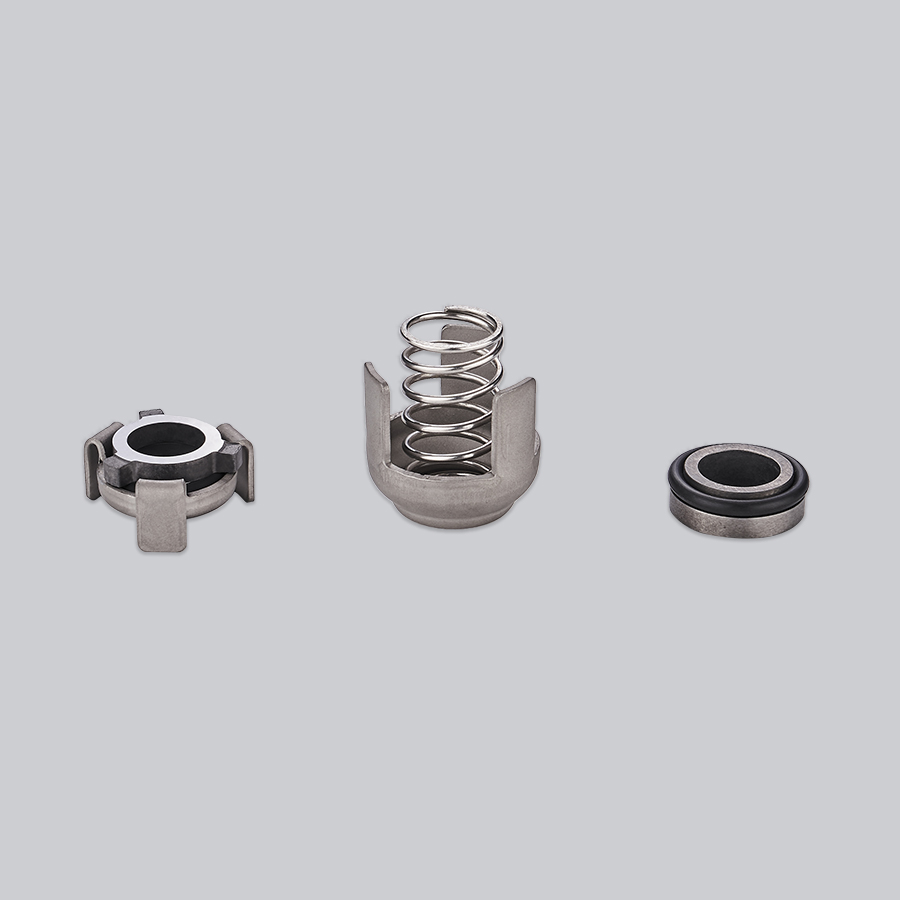


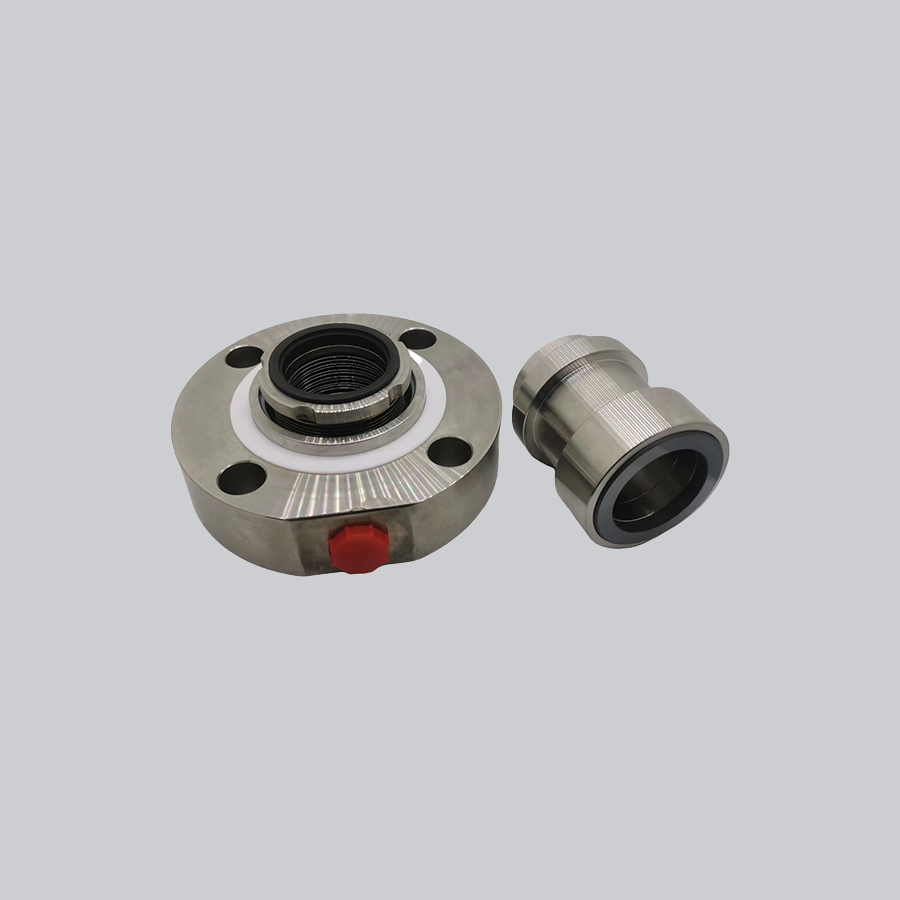

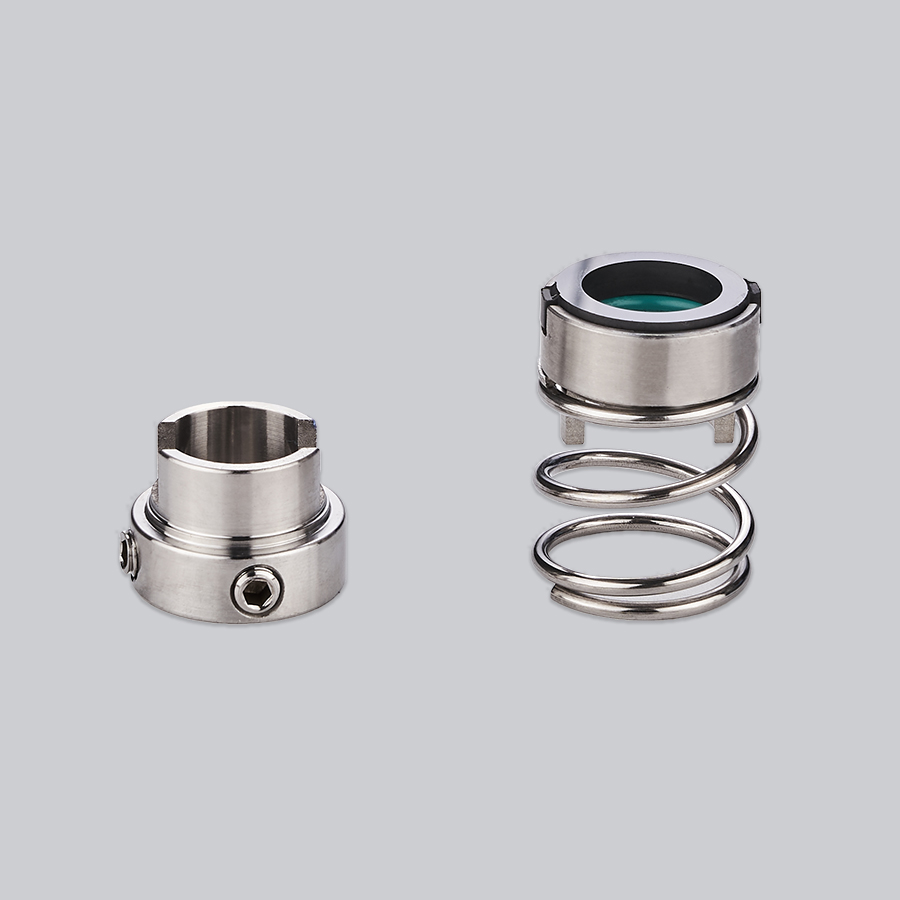 Grundfos-5 High-Temp Corrosive Seal CNP-CDL
 Allweiler SPF10 38 Rotor Set 55292
 IMO ACG 52 K7 Rotor Set 187559
 IMO ACG 52 Rotor Set G012 N7 179507
 IMO Rotor G012 ACG 45 K7 187542
 IMO ACG 45 N7 Rotor Set 178913
 IMO ACE 38 N3 Rotor Set 190483
 IMO ACE 25 L3 Rotor Set 190486
 IMO ACE 25 L3 Rotor Set 190487
 IMO ACD/ACP 025 N6 Rotor 062893
 IMO ACD/ACP 025 L6 Rotor 062885
 IMO ACE 32 L3 Rotor Set 190485
 IMO ACE 32 N3 Rotor Set 190484
 Grundfos Mechanical Seal Shaft 32mm
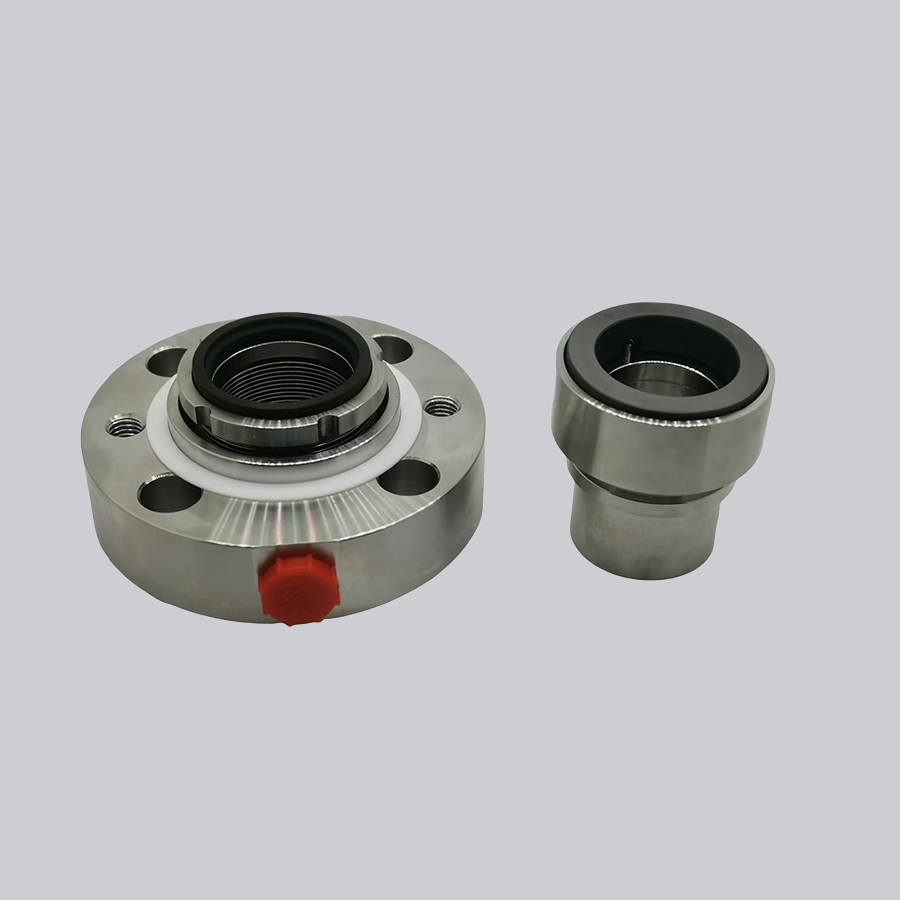 Taiko Kikai Marine Cartridge 35mm
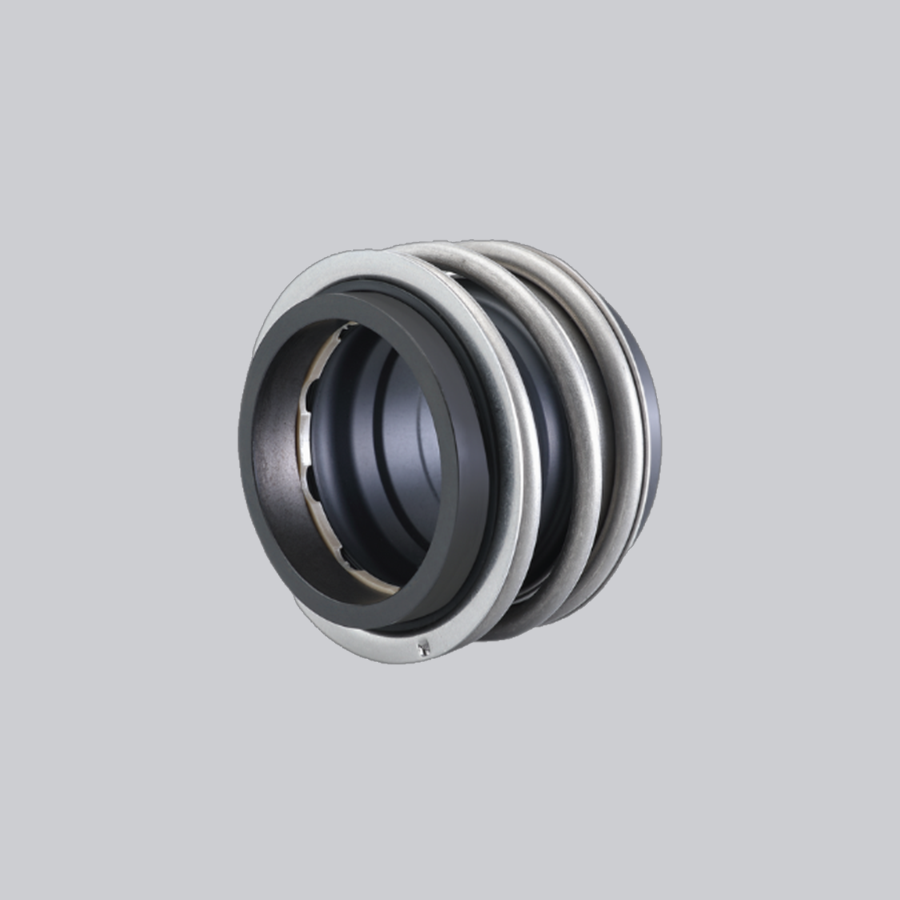 WeMG1 Rubber Bellow Shaft Seal