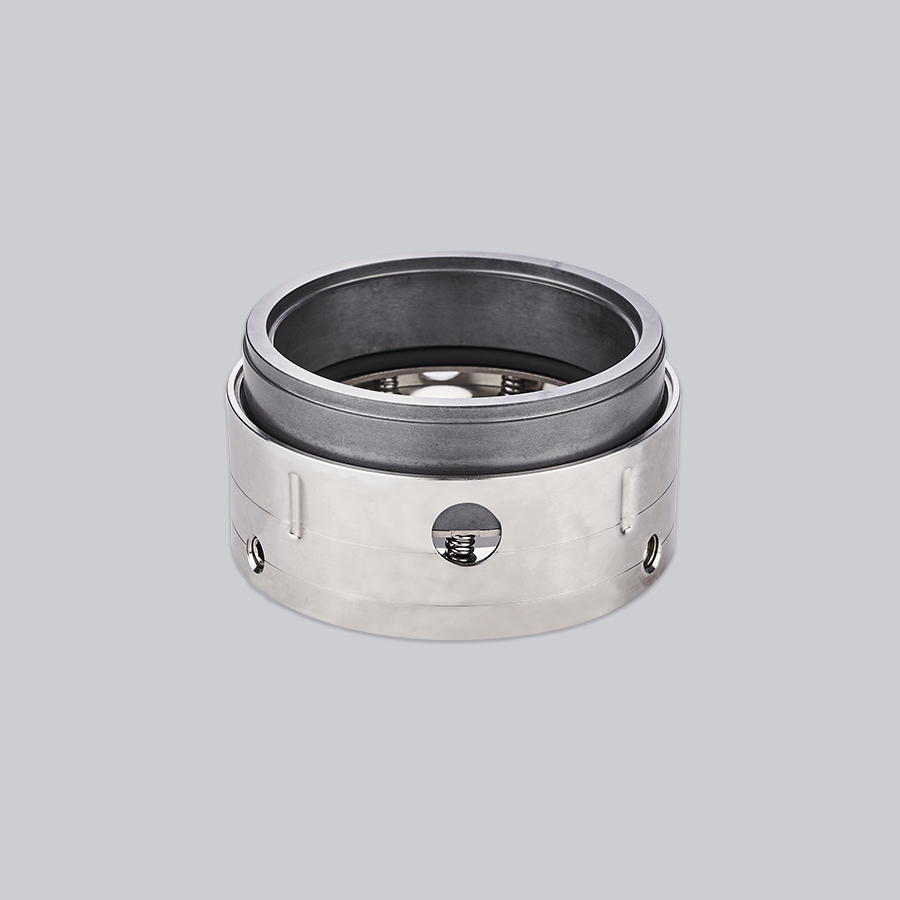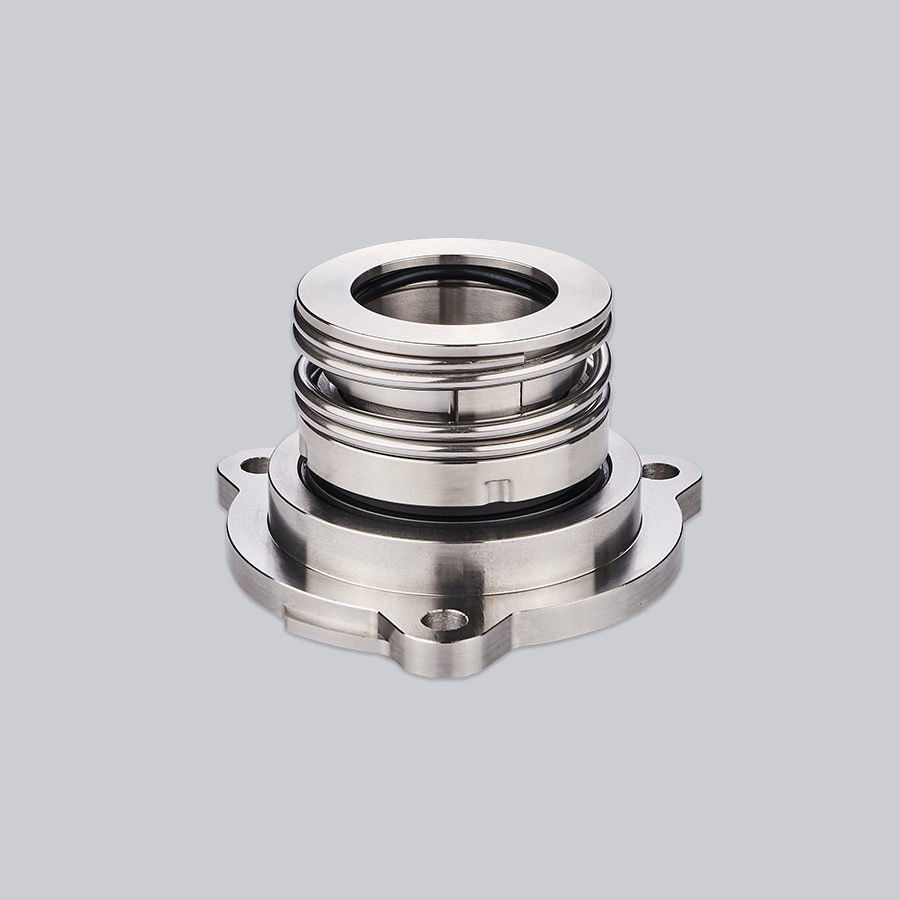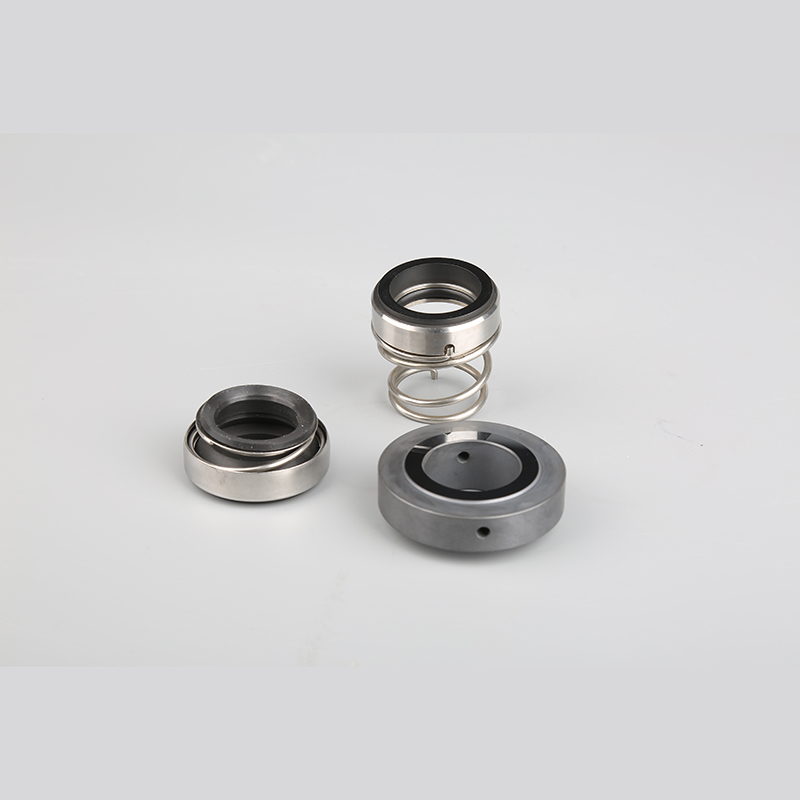


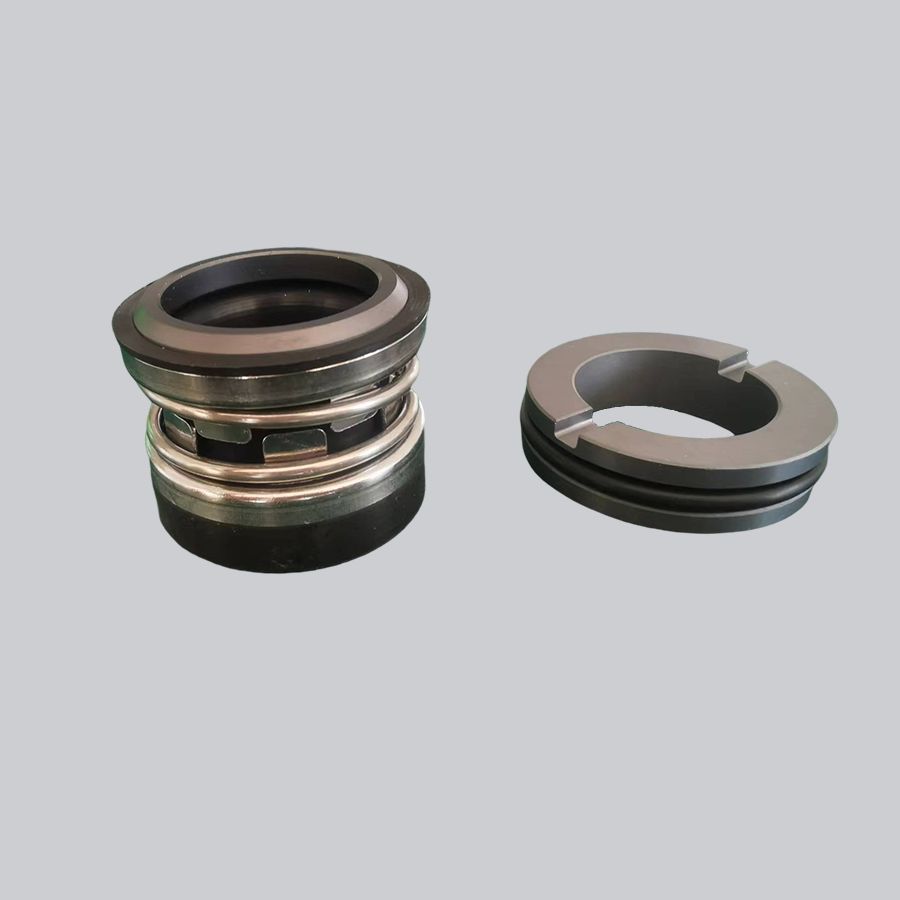
In the demanding world of modern chemical processing, the integrity of sealing systems is paramount. The Sic Seal Ring (Silicon Carbide Seal Ring) has emerged as the gold standard for high-performance mechanical seals, specifically engineered to withstand the most aggressive environments. From volatile organic compounds (VOCs) to highly concentrated acids, Sic seal rings provide the thermal stability, chemical inertness, and mechanical hardness required to ensure zero-leakage operations and long-term reliability.
The chemical industry is currently undergoing a massive transformation toward higher efficiency and stricter environmental compliance. Traditional sealing materials like carbon or alumina ceramic often fail when exposed to high-pressure slurries or rapid temperature fluctuations. This is where Silicon Carbide (SiC) shines. As a ceramic material with diamond-like hardness, SiC offers a unique combination of properties that make it indispensable for Chemical Process Sealing.
When selecting a Sic Seal Ring for chemical applications, engineers must choose between two primary types:
Ningbo Victor Seals Co., Ltd was found 1998. more than 20 years ago, located in Ningbo Zhejiang province. Our factory covers an area of 3800 square meters and the construction area is 3000 square meters, totally have more than 40 employees so far. We are very professional mechanical seals manufacturer in China.
Our brand "victor" has been registered in the world more than 30 countries. Our main products are the complete sets of the mechanical seals, include cartridge seals, rubber bellow seals, metal bellow seals and o-ring seals, those products are applicable to different working condition. At the same time, we also provide OEM mechanical seals for the special working condition according to customer demand. Meanwhile, we produce different spare parts with the material Silicon Carbide, Tungsten Carbide, Ceramic, and Carbon in seal rings, bushings, thrust disc. The products are designed according to DIN24960, EN12756, IS03069, AP1610, AP1682 and GB6556-94 standards.
Direct replacement for major international brands with 100% compatibility.
All categories of mechanical seals repair and refurbishment to OEM specs.
Bespoke sealing solutions developed for unique chemical process challenges.
In chemical processes involving crystallization or catalysts, the presence of solid particles can quickly erode softer seal faces. The extreme hardness of Sic seal rings (approaching 2800 kg/mm²) ensures that particles are crushed rather than embedding into the seal face, significantly extending the Mean Time Between Failure (MTBF).
Chemical reactions often occur at elevated temperatures. Silicon carbide maintains its mechanical strength and oxidation resistance at temperatures where metals would creep and plastics would melt. Its high thermal conductivity (exceeding 100 W/mK) effectively dissipates heat from the seal interface, preventing thermal distortion.
For chemical processes in the life sciences sector, purity is non-negotiable. Sintered SiC is chemically inert and does not leach contaminants into the process stream. Its low porosity prevents bacterial growth, making it ideal for CIP (Clean-In-Place) and SIP (Steam-In-Place) protocols.
The next decade of Sic Seal Ring development is focused on "Smart Sealing." We are seeing the integration of sensors within the seal housing to monitor temperature and vibration in real-time. Furthermore, Diamond-Coated SiC is becoming more prevalent, offering even lower friction coefficients and the ability to survive dry-running conditions—a traditional nemesis of mechanical seals.
For stock items, we can ship immediately. Mass production typically takes 15-20 days.
Yes, we offer free samples for quality checks before production (freight collect).
Absolutely. We specialize in OEM and R&D for custom sealing requirements based on your application.



 OEM shaft mechanical seals for IMO ACD 192691
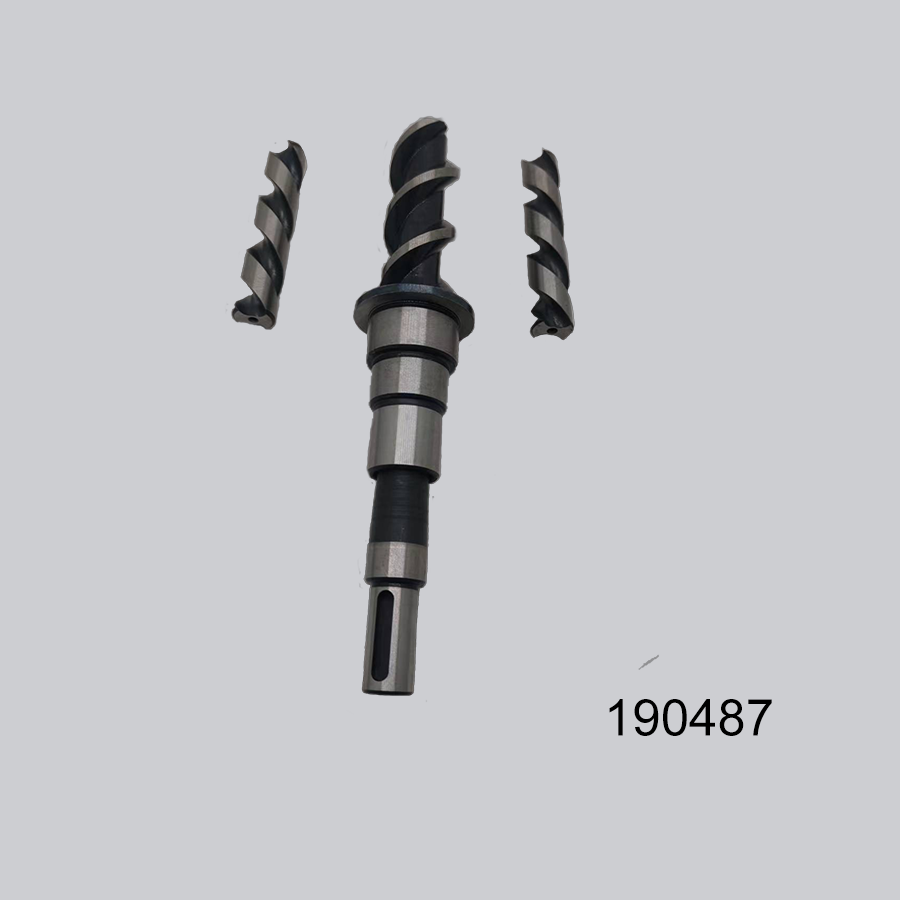 IMO PUMP ROTOR SET G012 ACE 25 L3 190487
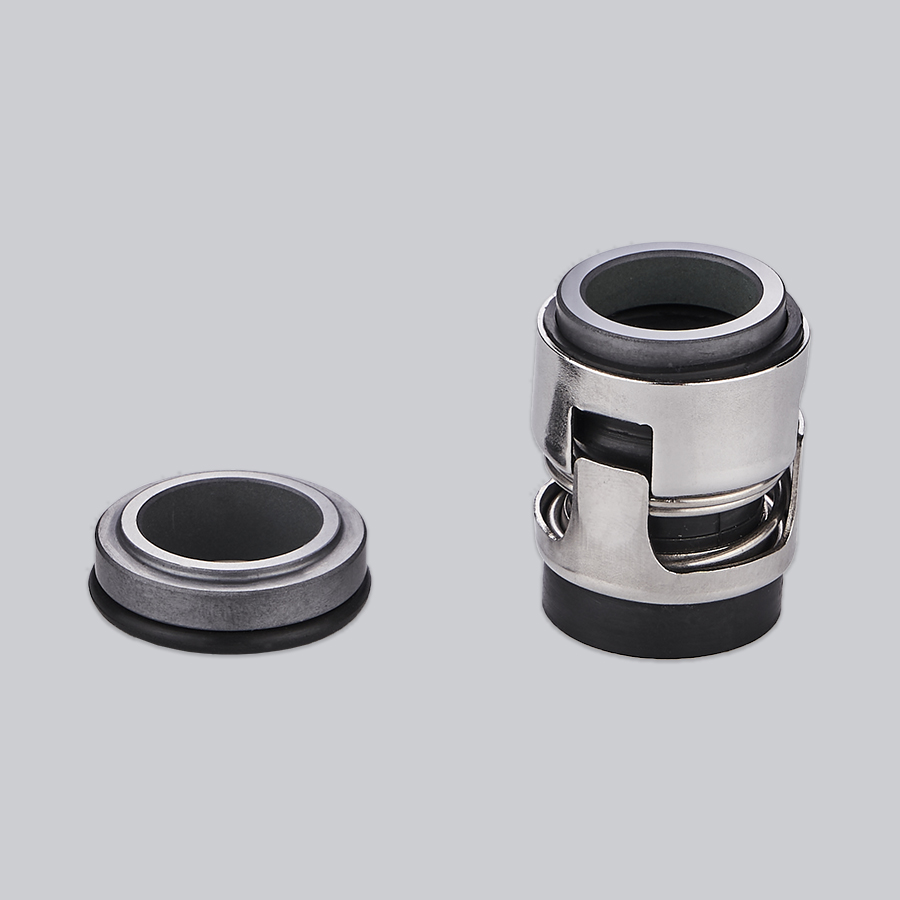 Grundfos-4 pump seals suitable for Grundfos Type B
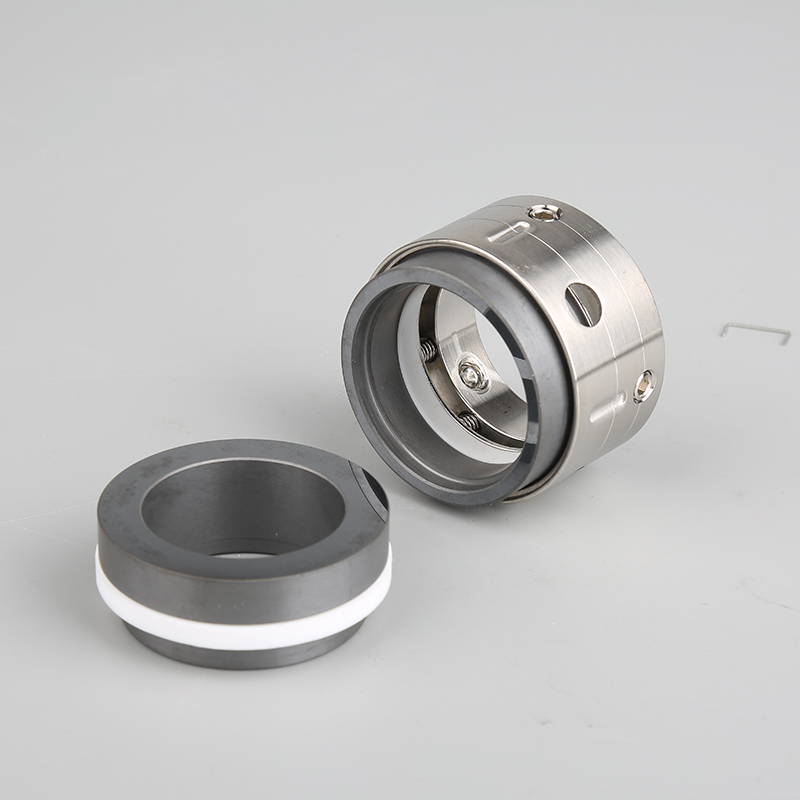 W59U General Purpose DIN PTFE Wedge Seal
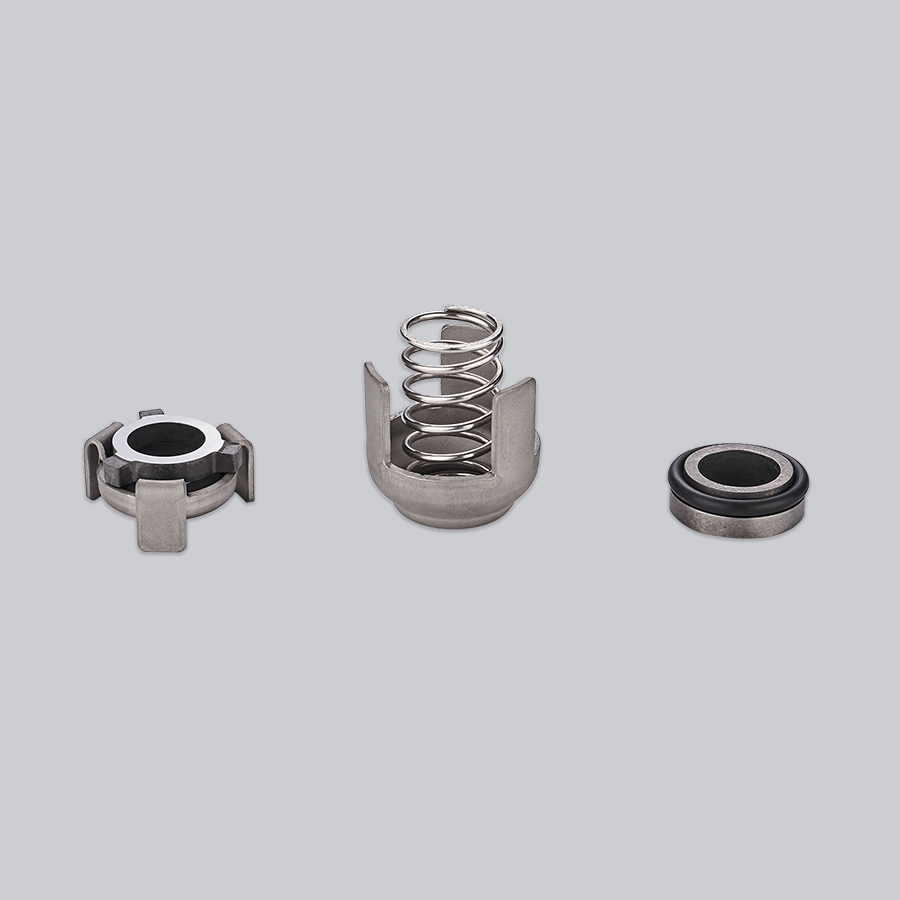 Grundfos-3 Single spring mechanical seals for Grundfos
 Allweiler pump SPF 20 56 rotor set 500598
 Allweiler SPF 20 46 rotor pump set 553122
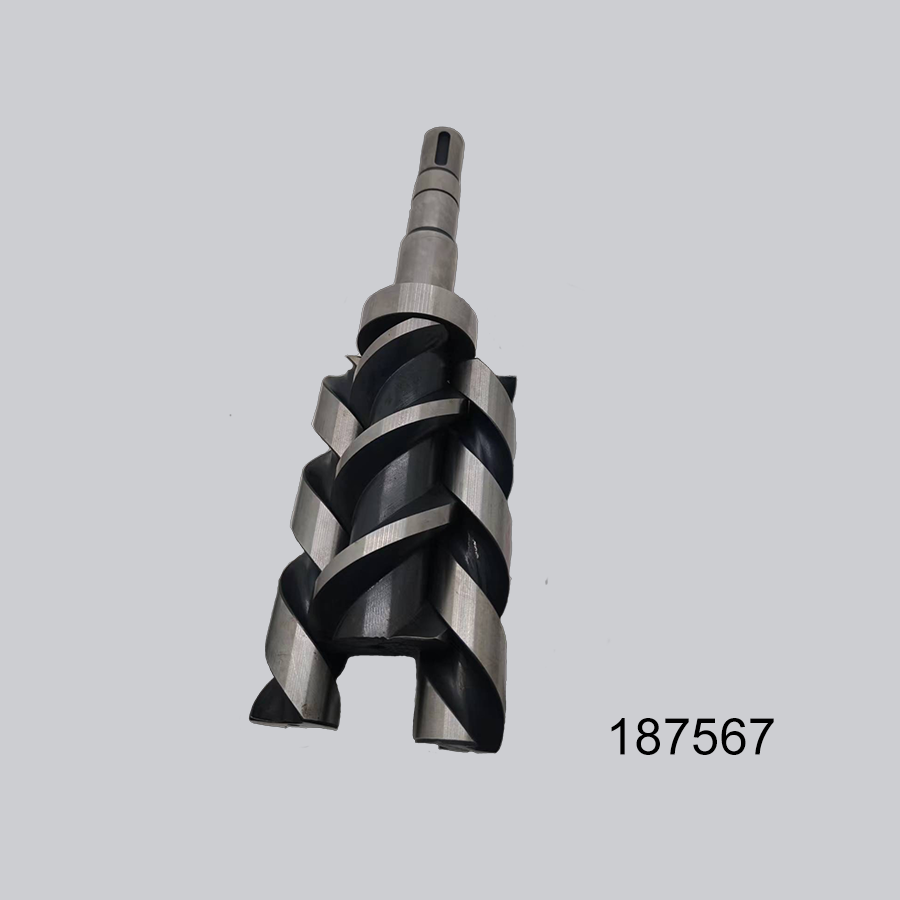
 Allweiler pump rotor set SPF10 56 618877
The selection of a Sic Seal Ring for Chemical Process Sealing is not merely a purchasing decision; it is a critical engineering choice that affects the safety and profitability of a chemical plant. By leveraging the superior material properties of Silicon Carbide—hardness, thermal conductivity, and chemical resistance—Ningbo Victor Seals provides solutions that minimize environmental impact and maximize operational uptime. As chemical processes become more complex and regulations tighter, the role of high-performance SiC sealing will only continue to grow.
For over two decades, Victor Seals has remained at the forefront of this evolution, combining traditional manufacturing excellence with modern material science to serve the global chemical industry.