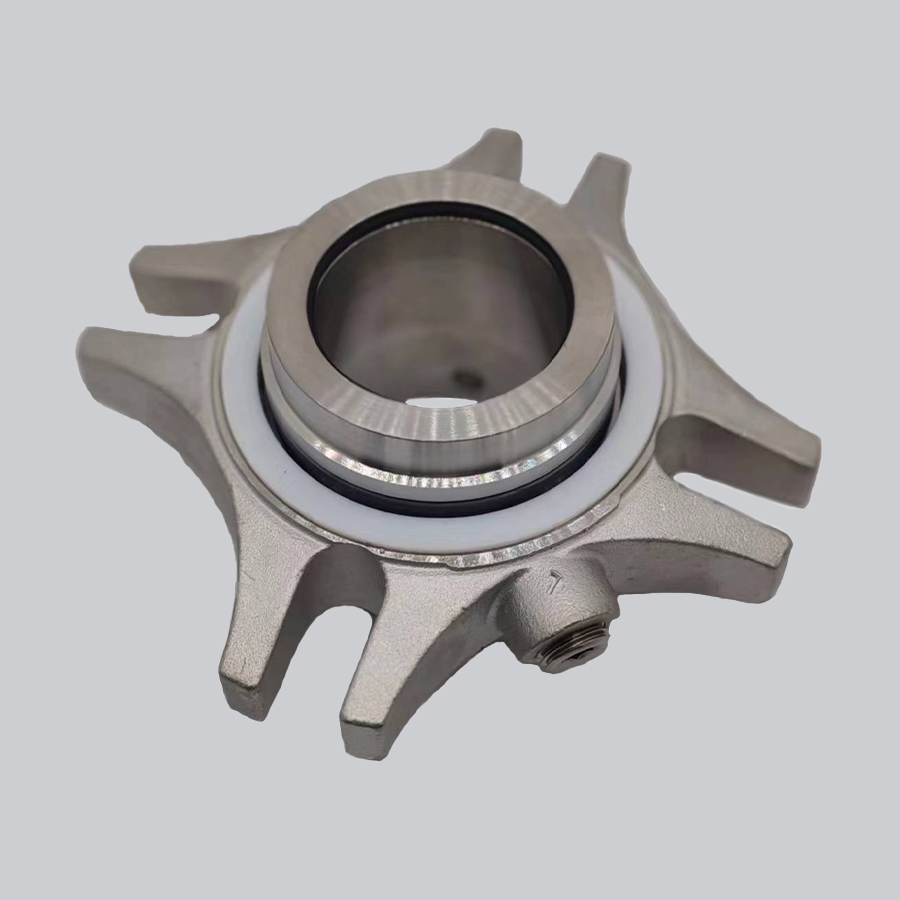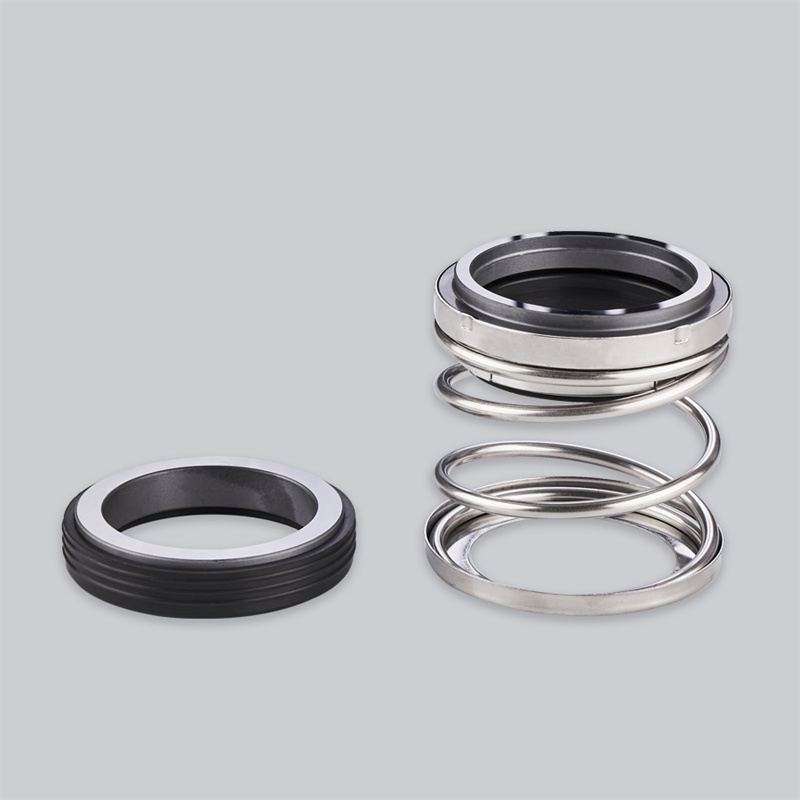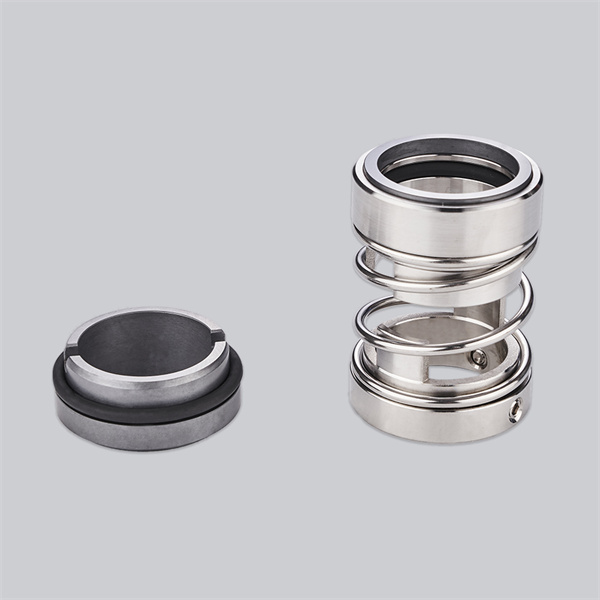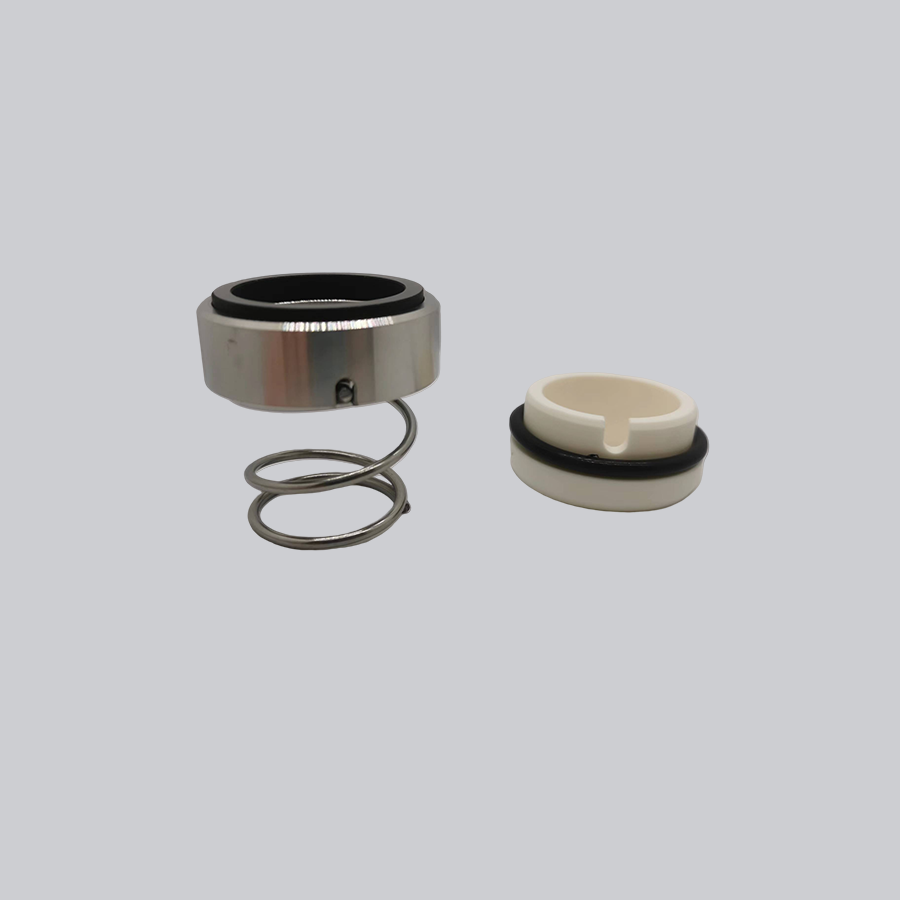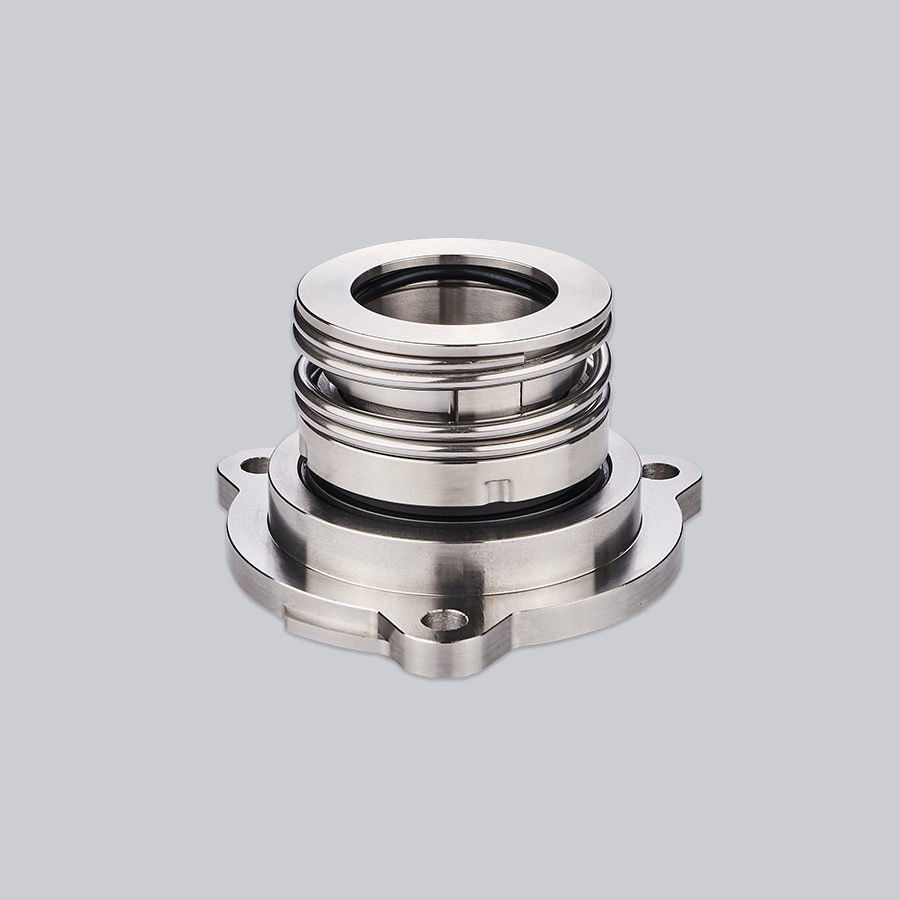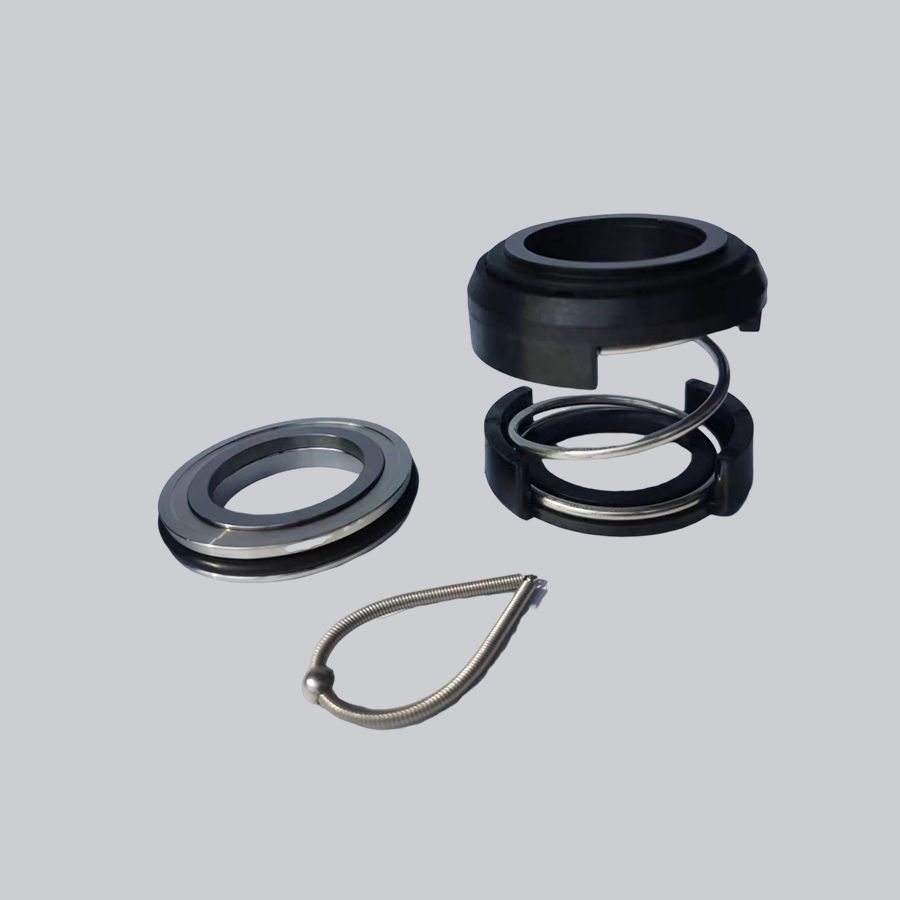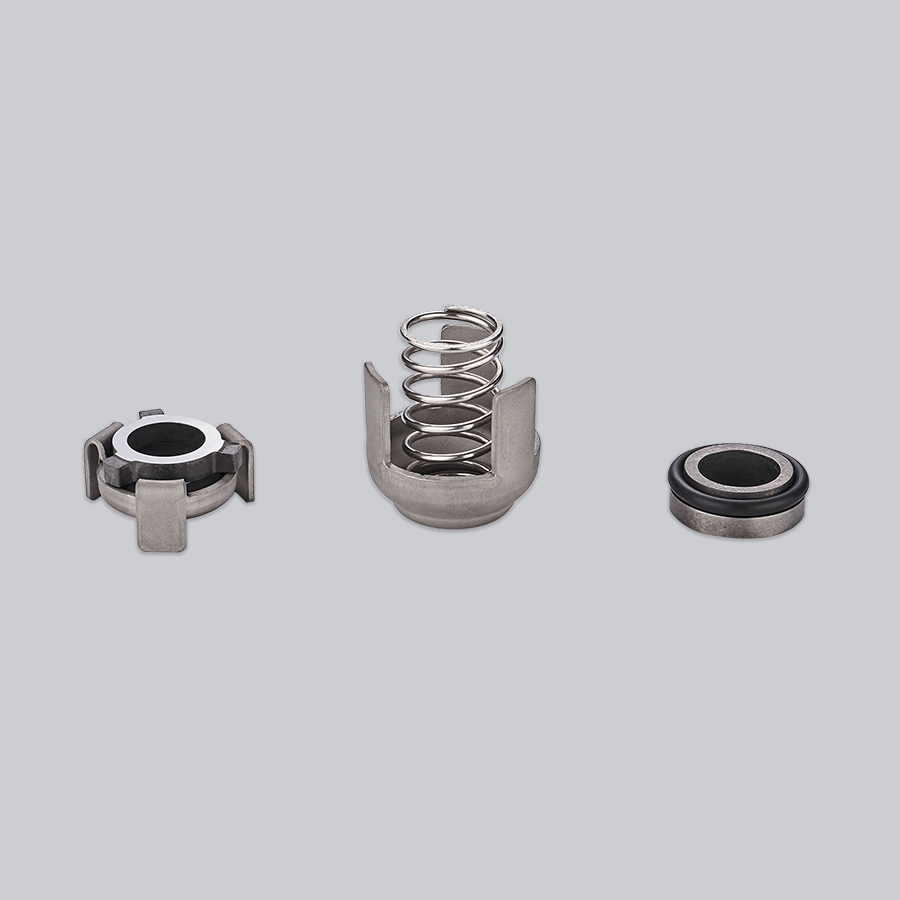


High-performance standard and OEM replacement mechanical seals engineered to handle heavy radial shaft deflection, pressure fluctuations, and aggressive media.
In modern chemical processing, pharmaceutical synthesis, food manufacturing, and heavy biotechnology, process seals for agitator shaft sealing represent a vital frontier of fluid containment technology. Unlike standard centrifugal pumps operating at high rotational speeds with fixed axial alignment, industrial agitators, mixers, and reactors present exceptionally complex mechanical and fluid-dynamic environments. Agitator shafts are long, often top-entry or bottom-entry suspended structures subjected to severe bending moments, radial runout, thermal expansion, and erratic multi-phase fluid dynamics.
Sealing an agitator shaft is fundamentally different from sealing a conventional rotating pump shaft. Agitators frequently process high-viscosity slurries, shear-sensitive polymers, volatile organic compounds (VOCs), and highly corrosive acids under vacuum or high-pressure gas blankets. Achieving absolute process containment requires mechanical sealing systems capable of absorbing large dynamic shaft movements—often up to several millimeters of radial wobble—without compromising face contact or micro-lubrication integrity.
Advanced cartridge agitator seals incorporate heavy-duty drive keys and flexible stationary designs to compensate for shaft wobble and dynamic runout.
Double balanced gas or liquid barrier fluid systems ensure zero harmful VOC leakages, fulfilling strict EPA and environmental directives.
FDA-compliant elastomer seals, SiC face pairs, and Hastelloy metallurgies optimized for Clean-in-Place (CIP) and Sterilize-in-Place (SIP) procedures.
The global demand for specialized process seals in agitator applications is expanding at a rapid CAGR. Key economic drivers include stringent environmental mandates governing fugitive emissions, the surge in fine chemical production, and the exponential growth of biopharmaceutical manufacturing. Facility operators can no longer afford uncontained shaft leakage. A single seal breakdown in a 50,000-liter chemical batch reactor can result in hundreds of thousands of dollars in wasted feedstock, environmental compliance fines, and catastrophic unscheduled facility downtime.
Consequently, the industry is transitioning rapidly from traditional gland packing and simple single spring seals to fully integrated cartridge mechanical seals equipped with automated barrier fluid management systems (API Plan 52, Plan 53A/B/C, and Plan 54). Modern processing plants prioritize long Mean Time Between Failures (MTBF), energy efficiency, and low life-cycle costs over initial acquisition expenditure.
Selecting the optimal process seal configuration for agitators requires a granular understanding of vessel orientation, operating pressure, temperature limits, and process medium behavior. The table below highlights the key functional seal architectures utilized across industrial mixing equipment:
Because agitator shafts typically rotate at lower speeds (e.g., 20 RPM to 350 RPM) compared to pumps, hydrodynamic fluid film formation between seal faces is significantly reduced. To prevent dry friction, localized thermal distress, and premature face wear, seal engineers utilize precise hydraulic face balancing ratios combined with micro-etched lubrication grooves or laser-textured surfaces.
Material tribology plays an equally vital role. Face pairings such as Premium Reaction-Bonded Silicon Carbide (RBSiC) vs. Direct Sintered Silicon Carbide (SSiC) or Resin-Impregnated Carbon Graphite vs. Tungsten Carbide (TC) provide extremely low coefficients of friction, superior hardness, and robust thermal shock resistance. For highly oxidative process fluids, specialized Diamond-Like Carbon (DLC) coatings are applied to maximize service life.
Bioreactors and fermenters require agitator shaft seals that maintain uncompromising sterility. Mechanical seals used in these sterile environments must eliminate all dead spaces where media or bacteria could accumulate. Engineered dry-running single or double cartridge seals utilize FDA and USP Class VI compliant elastomers (such as EPDM or Kalrez FFKM) alongside electropolished stainless steel surfaces (Ra < 0.4 µm). These seals endure frequent steam sterilization cycles (SIP) up to 135°C without face distortion or elastomeric degradation.
In high-pressure polymerization reactors (e.g., polypropylene or polyethylene synthesis), operating pressures often exceed 30 to 60 bar, accompanied by extreme heat and explosive atmospheres. Double metal bellow mechanical seals paired with API Plan 53C dynamic tracking barrier systems maintain positive differential pressure over the vessel pressure at all times. This prevents hazardous gaseous monomer ingress into the seal chamber and guarantees zero atmospheric release.
Mining leach tanks and FGD slurry agitators handle abrasive solid particles with concentrations exceeding 40% by weight. Standard mechanical seals rapidly suffer face erosion or spring clogging in these harsh conditions. Specialized heavy-duty process seals feature outward-acting springs protected from the process fluid, hard-faced SSiC materials, and heavy tungsten carbide cladding to resist solid particle impact.
The industrial landscape is undergoing a digital transformation. Next-generation process seals for agitator shaft sealing are increasingly integrated with AI-driven condition monitoring sensors. Embedded micro-sensors measure face temperature, vibration frequencies, acoustic emissions, and barrier fluid pressure real-time. Cloud-based machine learning algorithms analyze these telemetry streams to predict seal face wear rates, detect early barrier fluid contamination, and alert operators weeks before catastrophic seal failure occurs—realizing true Predictive Maintenance 4.0.
Founded in 1998, Ningbo Victor Seals Co., Ltd is located in Ningbo, Zhejiang province. Over more than two decades of dedicated manufacturing excellence, our modern facility spans a total site area of 3,800 square meters with a construction area of 3,000 square meters. Operating as a premier mechanical seal manufacturer in China, our trademark brand "Victor" is globally registered across more than 30 countries.
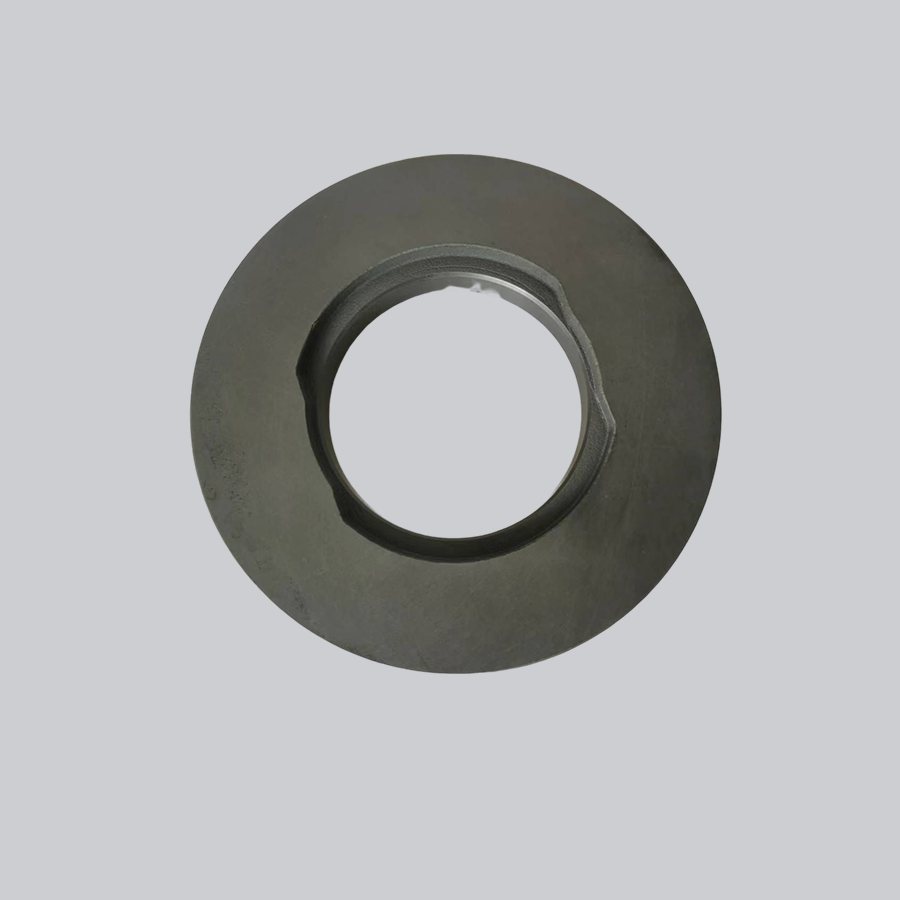
Our expansive product portfolio encompasses complete mechanical seal assemblies, including cartridge seals, rubber bellow seals, metal bellow seals, and o-ring seals engineered for diverse, severe industrial environments. We excel in custom OEM mechanical seal R&D tailored specifically to client operating parameters. Additionally, we manufacture premium spare parts utilizing high-purity Silicon Carbide, Tungsten Carbide, Technical Ceramics, and Carbon Graphite for seal rings, bushings, and thrust discs.
All Victor products are rigorously engineered according to global international standards, including DIN24960, EN12756, ISO3069, API610, API682, and GB6556-94. Our products deliver exceptional reliability across petroleum refining, chemical processing, power generation, heavy machinery, metallurgy, shipbuilding, sewage treatment, textile printing, food processing, pharmaceuticals, and automotive industries.
Decades of deep domain engineering in mechanical fluid sealing applications.
Up to 10% lower pricing than alternative Tier-1 suppliers without quality compromise.
Precision lapping machines, optical flatness testers, and 100% inspection before dispatch.
High-grade SiC, Tungsten Carbide, SS316L, Hastelloy, and certified fluoropolymers.
Huge inventory of standard seals ensuring immediate off-the-shelf delivery.
Rapid air/express delivery via DHL, TNT, FedEx, UPS, or ocean freight worldwide.
For standard stock items, we can ship immediately after payment receipt. For non-stock items or customized mass production orders, our typical lead time is 15 to 20 days.
We are a direct original manufacturer with our own dedicated 3800m² factory located in Ningbo, Zhejiang Province, China.
Yes! We offer free samples for standard items so customers can verify technical quality prior to volume production (freight collect).
We routinely ship via international express couriers including DHL, TNT, FedEx, and UPS. Depending on customer urgency and cargo volume, air freight and sea freight container shipping are also fully supported.
We accept T/T (Telegraphic Transfer) prior to shipment once qualified goods pass our internal QA testing and are prepared for dispatch.
Yes. Custom mechanical seal design and bespoke R&D represent one of our core specialties. We tailor dimensional standards, metallurgy, and face materials to match your specific equipment constraints.
Absolutely. Our engineering team can develop an optimized seal design based on your operating parameters, including shaft diameter, vessel pressure, operating temperature, media properties, and agitator mounting orientation.
Agitator shaft seals utilize enlarged internal radial clearances, floating stationary ring designs, robust cartridge sleeves, and heavy-duty torque transmission pins specifically designed to absorb significant dynamic shaft deflection without losing face contact.
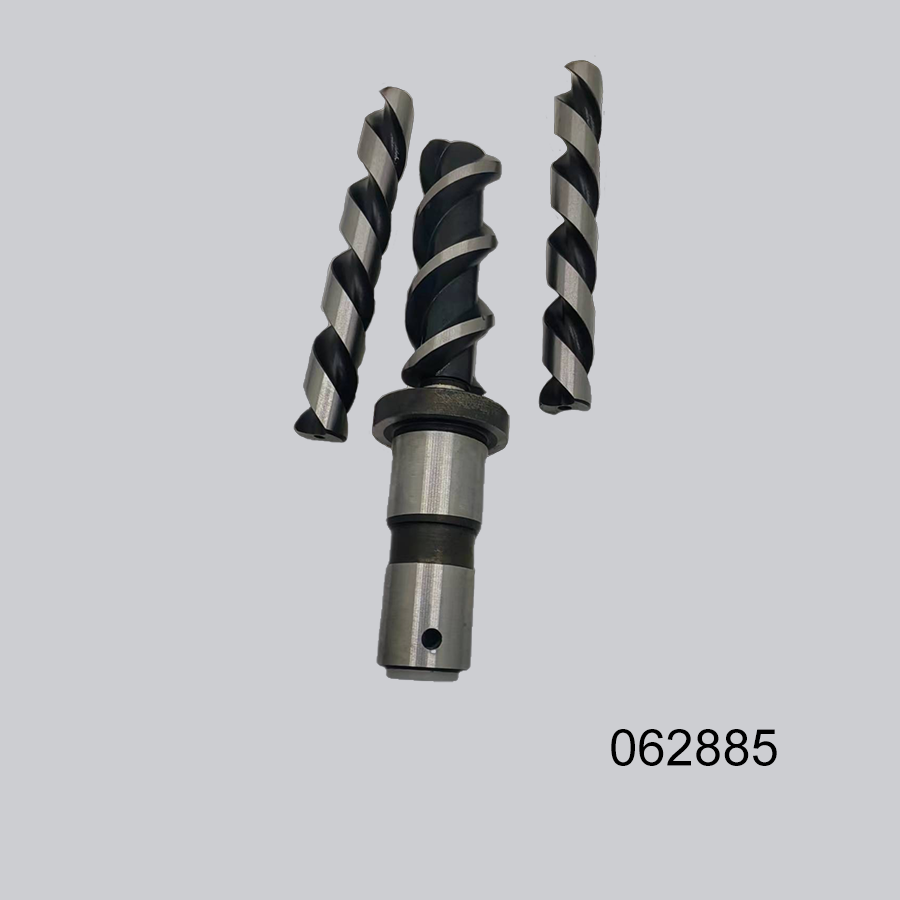
Explore our broader selection of high-reliability mechanical seals, rotor sets, and replacement components.