


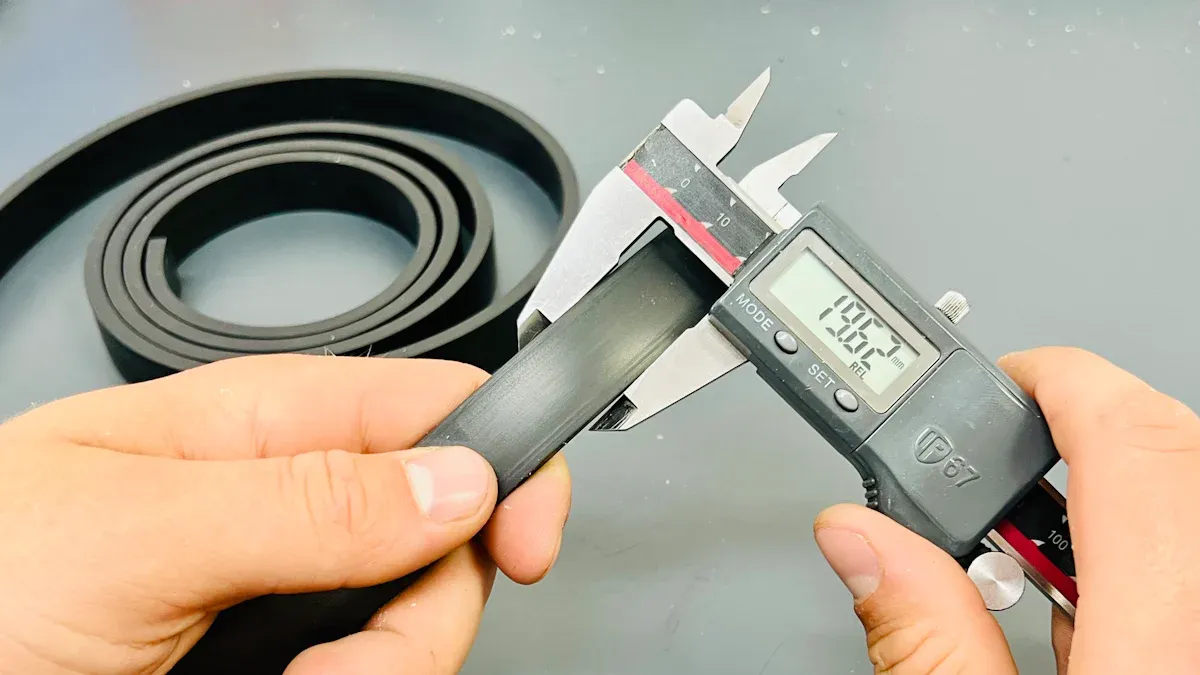
Cartridge mechanical seals play a crucial role in minimizing plant downtime by enhancing reliability and reducing maintenance needs. Their innovative design allows for quick installation and replacement, which leads to less operational disruption. The technology behind these mechanical seals ensures consistent performance throughout their lifecycle, significantly reducing the likelihood of failures. When considering single vs double cartridge seals, it’s important to evaluate the specific requirements of your application. Additionally, understanding which pump models are best suited for cartridge seal retrofitting can further optimize your operations. The benefits of pre-assembled mechanical seals, such as those offered by Victor Seals, include reduced installation time and increased reliability. Victor Seals also provides custom cartridge designs to meet unique operational demands, ensuring a reliable solution for various industrial applications.
Key Takeaways
- Cartridge mechanical seals simplify installation, reducing downtime and maintenance costs significantly.
- These seals can lower energy consumption by up to 25% and leakage rates by up to 90%, enhancing operational efficiency.
- Switching to cartridge seals can decrease maintenance downtime by an average of 30%, allowing for more productive operations.
- Implementing best practices during installation and maintenance maximizes the benefits of cartridge mechanical seals.
- Cartridge mechanical seals are versatile and suitable for various industries, ensuring reliability and safety in demanding applications.
Understanding Cartridge Mechanical Seals
Cartridge mechanical seals represent a significant advancement in sealing technology. These seals are designed for demanding applications and offer several advantages over conventional seals. One of the key features of cartridge mechanical seals is their all-in-one design. All components are housed in a single unit, which minimizes the risk of leaks. This design reduces the likelihood of component contact, thereby decreasing potential damage.
Cartridge mechanical seals come in various configurations, including single-unit, double-unit, and split cartridge seals. Each design caters to different pump applications, enhancing efficiency and reliability. This versatility makes them suitable for both general and heavy-duty operations.
The installation process for cartridge mechanical seals is notably simpler than that of traditional seals. Users benefit from pre-assembled and pre-set components, allowing for quick installation with minimal handling. The only requirement is to attach the seal housing and secure it, which significantly reduces installation time and complexity. In contrast, traditional mechanical seals necessitate the assembly of multiple components, which involves precise alignment and adjustment. This complexity can lead to longer installation times and increased chances of errors.
The major benefits of cartridge seals include easy installation, higher functional security due to pre-assembled components, and reduced installation costs. These features contribute to minimized downtime during maintenance and improved overall performance. As industries continue to seek ways to enhance operational efficiency, the adoption of cartridge mechanical seals becomes increasingly advantageous.
Operational Advantages of Cartridge Mechanical Seals
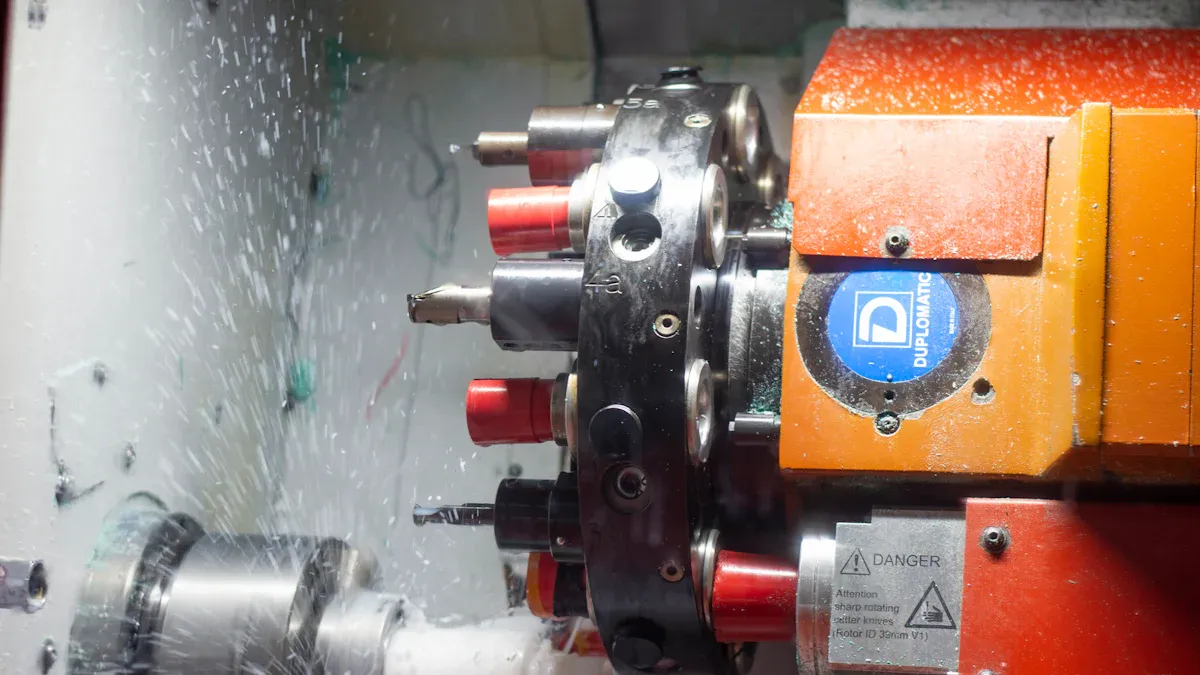
Cartridge mechanical seals offer numerous operational advantages that enhance the efficiency and reliability of industrial equipment. Their design and functionality contribute to improved performance metrics, which ultimately lead to reduced downtime and increased productivity.
One significant advantage is the reduction in energy consumption. Studies show that using cartridge mechanical seals can decrease energy usage by up to 25%. This reduction not only lowers operational costs but also supports sustainability initiatives within organizations.
Another critical benefit is the substantial decrease in leakage rates. Cartridge mechanical seals can reduce leakage by up to 90%. This improvement minimizes environmental impact and enhances safety in the workplace. By preventing leaks, companies can avoid costly cleanup operations and potential regulatory fines.
Additionally, maintenance downtime decreases by an average of 30% when utilizing cartridge mechanical seals. This reduction stems from their simplified installation process and the reliability of their design. The following table summarizes these operational reliability metrics:
| Metric | Improvement |
|---|---|
| Energy consumption | Reduced by up to 25% |
| Leakage rates | Reduced by up to 90% |
| Maintenance downtime | Decreased by an average of 30% |
Cartridge mechanical seals also play a vital role in preventing unplanned equipment failures. Their pre-assembled nature simplifies installation, reducing the risk of human error. This design ensures that all critical measurements are factory-set, enhancing reliability. The following points highlight how these seals contribute to operational stability:
- Preventive maintenance allows for early detection of issues before they escalate into failures.
- Regular inspections can identify early warning signs such as minor leaks and abnormal vibrations.
- Addressing these issues proactively helps avoid unexpected equipment failures and costly shutdowns.
Furthermore, cartridge mechanical seals maintain consistent performance under varying operational conditions. Their advanced materials, such as silicon carbide and tungsten carbide, provide exceptional wear resistance. This durability allows them to operate effectively in extreme temperatures, corrosive environments, and high-pressure situations. The following table illustrates the features that contribute to their operational capabilities:
| Feature | Description |
|---|---|
| Design | High-performance leak-proof mechanical seals are designed to prevent fluid leakage in rotating equipment. |
| Materials | Utilizes advanced materials like silicon carbide and tungsten carbide for wear resistance. |
| Operational Capabilities | Capable of operating under extreme temperatures, corrosive chemicals, and high pressures. |
| Maintenance | Features that facilitate maintenance and replacement, ideal for critical uptime applications. |
| Monitoring | Integrated systems provide real-time performance data for predictive maintenance. |
Maintenance Benefits of Cartridge Mechanical Seals
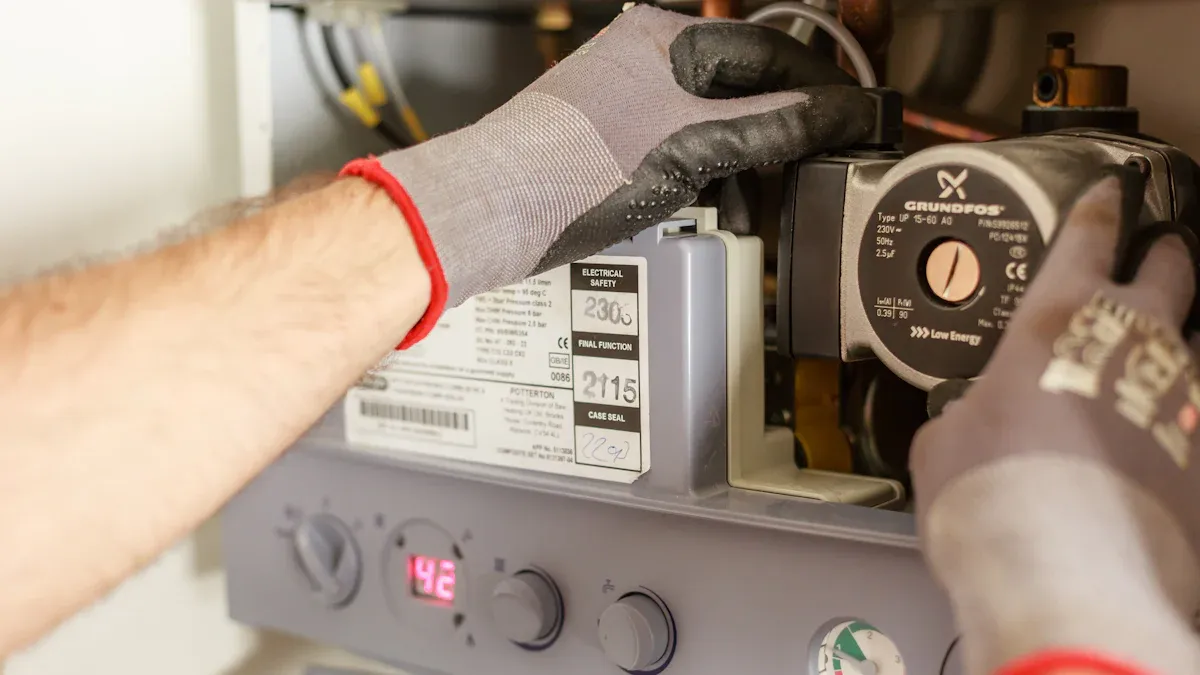
Cartridge mechanical seals simplify routine maintenance procedures significantly compared to traditional component seals. Their pre-assembled design allows for quick replacements, minimizing the need for extensive disassembly. This streamlined approach not only saves time but also reduces the risk of errors during installation. The following table highlights the key differences in maintenance features between cartridge mechanical seals and component seals:
| Feature | Cartridge Mechanical Seals | Component Seals |
|---|---|---|
| Installation | Pre-assembled, reducing installation time and errors | Requires meticulous assembly |
| Maintenance | Easily replaced without pump disassembly | Often requires disassembly for replacement |
| Lubrication | Sealed bearings, permanently lubricated | Requires ongoing lubrication |
| Reliability | Factory-tested design, optimal alignment | Higher risk of installation errors |
| Downtime | Minimizes downtime due to easier maintenance | Potential for longer downtime |
| Standardization | Standardized across types, simplifying inventory | Varied types complicate inventory |
The maintenance cost savings associated with cartridge mechanical seals are noteworthy. Facilities that switch to these seals often report significant reductions in overall maintenance expenses. Key factors contributing to these savings include:
- Lower labor costs due to simplified installation and replacement processes.
- Reduced downtime during in-service seal replacement, which enhances productivity.
- Long-term savings that outweigh the higher initial costs of cartridge seals compared to traditional seals.
In contrast, traditional seals incur substantial ongoing maintenance costs. They require regular adjustments and repacking, leading to frequent replacements. Equipment downtime due to leakage further adds to operational expenses, making cartridge mechanical seals a more economical choice in the long run.
The average reduction in maintenance time per seal replacement is another compelling advantage. The following table illustrates the time savings associated with cartridge mechanical seals:
| Seal Type | Installation Time |
|---|---|
| Cartridge Mechanical Seal | 30 to 60 minutes |
| Component Seal Assembly | Several hours |
Additionally, cartridge mechanical seals impact the frequency of scheduled maintenance shutdowns positively. Advanced detection systems integrated into these seals provide early warning capabilities for potential failures. These systems utilize methods such as ultrasonic sensors and vibration analysis, allowing for planned maintenance. Early warnings typically range from 48 to 168 hours before a leak occurs, enabling facilities to address issues proactively.
Economic Impact of Cartridge Mechanical Seals
Cartridge mechanical seals offer significant economic advantages that can enhance the financial performance of industrial operations. Although these seals may have a higher upfront cost compared to traditional component seals, they provide substantial savings over their lifecycle.
The following table illustrates the differences in costs and installation features between cartridge seals and component seals:
| Feature | Cartridge Seal | Component Seal |
|---|---|---|
| Installation | Easy | Complex |
| Cost | Higher upfront | Lower upfront |
| Maintenance | Lower | Higher |
While the initial investment in cartridge mechanical seals is greater, the overall cost of ownership tends to favor this option. Facilities experience significant savings due to reduced installation time, lower skill requirements, and decreased inventory complexity. These factors contribute to lower operational costs throughout the seal’s lifespan.
Facilities using cartridge mechanical seals have reported a 40-60% reduction in seal-related downtime compared to traditional seals. The installation process is faster and less complex, which minimizes maintenance time. Additionally, advanced monitoring capabilities enable predictive maintenance, allowing for scheduled replacements and reducing unexpected failures.
Industry-Specific Applications of Cartridge Mechanical Seals
Cartridge mechanical seals find extensive use across various industries due to their reliability and efficiency. Each sector benefits from the unique features of these seals, addressing specific challenges effectively. Below are some key industries that have adopted cartridge mechanical seals and the primary reasons for their adoption:
| Industry | Primary Reasons for Adoption |
|---|---|
| Oil and Gas | Operational efficiency, safety, environmental compliance |
| Chemical Processing | Ease of installation, reliability in high-pressure applications |
| Water Treatment | Preventing contamination, enhancing operational efficiency |
| Pharmaceuticals | Safety and reliability in critical applications |
| Power Generation | Efficiency in preventing leaks in turbines and cooling systems |
In the oil and gas sector, cartridge mechanical seals are engineered to endure extreme operating conditions. They maintain sealing integrity even in challenging environments, such as those involving corrosive fluids and high-pressure gases. The seals resist corrosion, erosion, and chemical attacks, making them ideal for aggressive applications.
The chemical processing industry also benefits significantly from these seals. For instance, a case study involving XYZ Manufacturing highlighted frequent leakage issues in centrifugal pumps. After implementing cartridge mechanical seals, the company experienced a significant reduction in downtime and increased productivity due to precise alignment of seals.
Another example is ABC Petroleum, which faced seal failures in harsh marine environments. The robust design of cartridge mechanical seals led to a considerable reduction in seal failures and maintenance costs.
Overall, the versatility and reliability of cartridge mechanical seals make them a preferred choice across various sectors. Their ability to address specific challenges enhances operational efficiency and safety, proving essential in today’s industrial landscape.
Best Practices for Implementing Cartridge Mechanical Seals
Implementing cartridge mechanical seals effectively requires attention to detail and adherence to best practices. Following these guidelines can enhance performance and longevity:
- Define Fluid Characteristics: Assess the chemical compatibility, physical state, viscosity, and solids content of the fluid. This step ensures that the selected seal can withstand the operating environment.
- Match Operating Conditions: Ensure that the temperature, pressure, and shaft speed align with the seal ratings. This alignment is crucial for optimal performance.
- Consider Equipment Design: Verify that the seal fits the shaft size, seal chamber dimensions, and mounting orientation. Proper fit prevents installation issues.
- Evaluate Seal Type: Choose between cartridge, component, double, or single mechanical seals based on specific application needs. Each type serves different operational requirements.
- Factor in Maintenance Goals: Balance upfront costs with long-term maintenance and total cost of ownership. This consideration helps in making informed decisions.
To ensure optimal performance during installation, follow these practices:
- Conduct a preinstallation checklist, including equipment inspection and cleaning.
- Inspect the shaft and sleeve for imperfections.
- Ensure proper alignment of the shaft before installation.
Additionally, training programs for maintenance staff should focus on key areas:
| Category | Details |
|---|---|
| Purpose | Achieve zero-leak operation in hazardous or high-temperature services. |
| Types | Balanced / Unbalanced, Single / Double, Pusher / Non-Pusher, Cartridge Type. |
| Applicable Standard | API 682 – Shaft Sealing Systems for Centrifugal & Rotary Pumps. |
| Life Expectancy | Average of 2 years under normal service conditions. |
| Maintenance Principles | Always record clearances before dismantling. |
Regular monitoring and inspection protocols are essential for maintaining seal performance. Conduct inspections to detect early signs of wear or leakage. Maintain proper lubrication and cooling to protect seal faces. Replace damaged or worn seals promptly to avoid secondary equipment damage.
By adhering to these best practices, facilities can maximize the benefits of cartridge mechanical seals, ensuring reliability and efficiency in their operations.
Cartridge mechanical seals serve as a strategic investment for reducing downtime and enhancing operational efficiency. Their reliability and ease of maintenance make them a preferred choice across various industries. For instance, companies in the oil and gas sector have reported a 50% reduction in unplanned shutdowns after implementing these seals. Additionally, adopting best practices in implementation can further maximize their benefits. Facilities that follow guidelines for installation and maintenance often experience improved performance and reduced costs. As the market for cartridge mechanical seals continues to grow, organizations can expect enhanced efficiency and sustainability in their operations.
FAQ
What are cartridge mechanical seals?
Cartridge mechanical seals are pre-assembled sealing devices designed to prevent fluid leakage in rotating equipment. Their all-in-one design simplifies installation and enhances reliability.
How do cartridge mechanical seals reduce downtime?
These seals minimize downtime through quick installation and replacement. Their pre-assembled nature reduces the risk of errors, allowing for faster maintenance.
Are cartridge mechanical seals suitable for all industries?
Yes, cartridge mechanical seals are versatile and find applications in various industries, including oil and gas, chemical processing, pharmaceuticals, and water treatment.
What materials are used in cartridge mechanical seals?
Common materials include silicon carbide, tungsten carbide, and ceramic. These materials provide excellent wear resistance and durability under extreme conditions.
How can I ensure the longevity of cartridge mechanical seals?
To maximize longevity, regularly inspect seals for wear, maintain proper lubrication, and follow installation best practices. Early detection of issues can prevent costly failures.
Post time: Apr-22-2026