


Impact on uptime and reliability
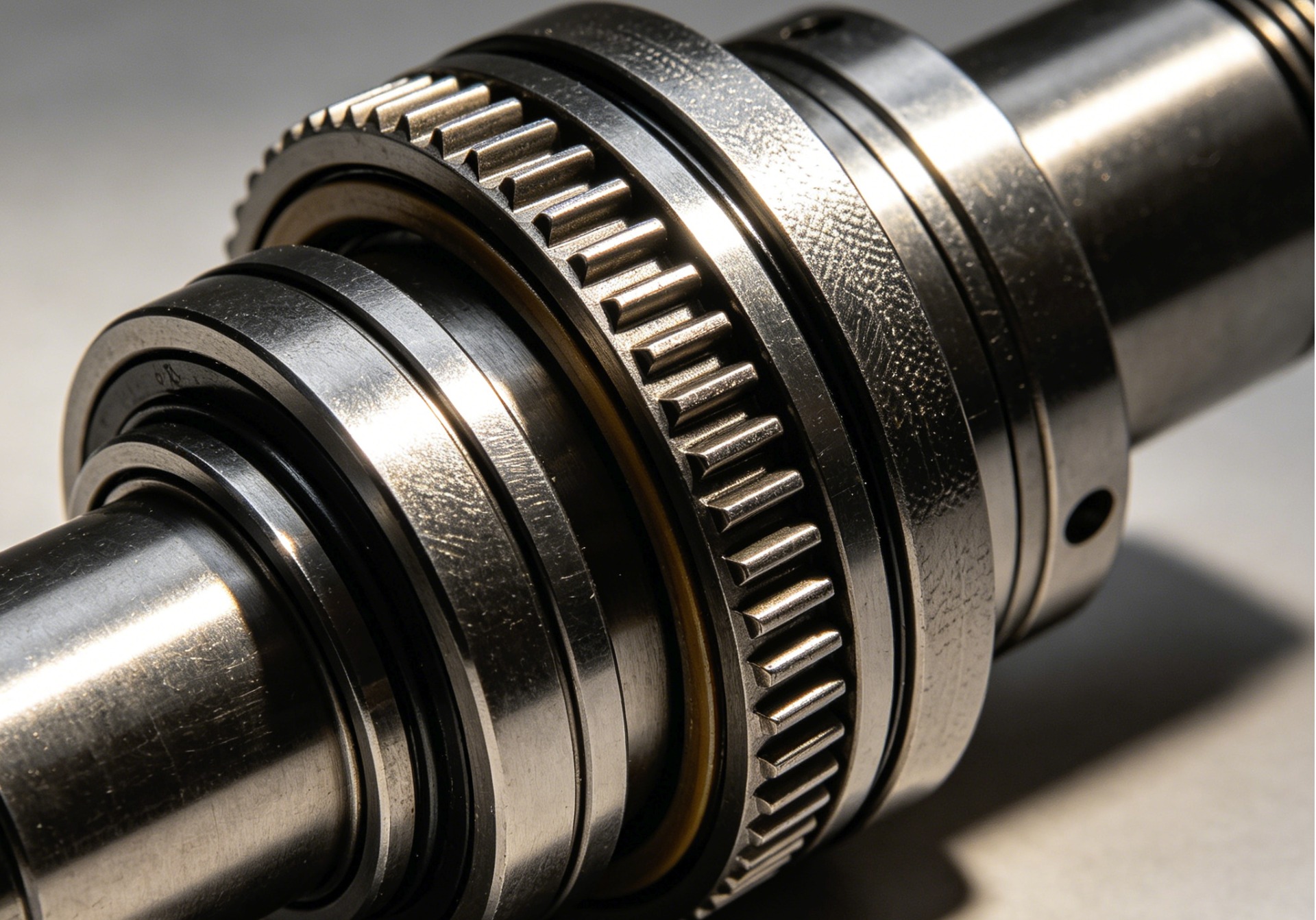
OEM mechanical seals are directly correlated with maximizing Mean Time Between Failures (MTBF) in industrial facilities. Because these seals are dimensionally perfect for the stuffing box or seal chamber they inhabit, they exhibit superior resistance to vibration, shaft runout, and thermal shock.
A well-specified OEM seal operating within its intended continuous process environment can extend a pump’s MTBF from an industry average of 12 to 18 months to well over 36 to 60 months. This extension drastically reduces the frequency of maintenance interventions, lowering labor costs and ensuring that critical production lines remain active without unplanned interruptions.
Role in warranty and compliance
Equipment manufacturers often tie their standard 12- to 24-month operational warranties directly to the use of OEM replacement parts. Installing third-party aftermarket seals can instantly void these warranties, transferring the entire financial risk of a catastrophic pump failure onto the facility operator.
Furthermore, in highly regulated sectors, compliance with international standards is non-negotiable. For the oil and gas sector, OEM seals are rigorously tested to meet API 682 guidelines for shaft sealing systems. In the pharmaceutical and food processing industries, OEM seals provide the necessary FDA and EHEDG material traceability required to prove that no process contamination is occurring.
Critical applications in pumps and rotating equipment
In highly critical applications, such as high-pressure boiler feed pumps, lethal-service chemical transfer, or hydrocarbon processing, the mechanical seal acts as the primary safety barrier. These environments subject the seal to extreme boundary lubrication conditions and aggressive chemical attacks.
For environmental compliance and personnel safety, OEM seals are critical in restricting fugitive emissions. In the United States, for example, precise OEM seal face geometries and advanced barrier fluid systems are required to restrict Volatile Organic Compound (VOC) emissions to below the stringent 500 ppm threshold mandated by EPA Method 21.
How to Compare OEM and Aftermarket Seals
Procurement departments and reliability engineers frequently face the decision of whether to invest in OEM mechanical seals or source aftermarket alternatives. This decision requires a comprehensive analysis of the total cost of ownership, risk tolerance, and supply chain logistics, rather than a simple comparison of initial purchase prices.
Performance and lifecycle cost factors
Total Cost of Ownership (TCO) extends far beyond the initial capital expenditure of the mechanical seal. While an OEM seal may carry a price premium of 30% to 50% over an aftermarket alternative, the long-term cost implications of seal failure heavily favor the OEM route for critical assets.
In continuous process industries like petroleum refining or large-scale chemical manufacturing, an unexpected pump failure can incur downtime costs ranging from $10,000 to over $50,000 per hour in lost production. The superior MTBF of OEM seals effectively acts as an insurance policy against these massive downtime expenditures.
| Feature/Metric | OEM Mechanical Seals | Aftermarket Alternatives |
|---|---|---|
| Initial Capital Cost | Premium (Baseline + 30-50%) | Lower (Baseline) |
| MTBF Expectation | 36 – 60+ months | 12 – 24 months |
| Design Fidelity | Original proprietary blueprints | Reverse-engineered tolerances |
| Downtime Risk | Minimal | Moderate to High |
Lead time and supply considerations
Supply chain logistics and lead times play a critical role in the procurement strategy for mechanical seals. Standard OEM lead times for highly engineered, application-specific seals can range from 4 to 12 weeks, depending on exotic material availability and manufacturing backlogs.
Conversely, aftermarket suppliers often specialize in rapid turnaround, sometimes providing fast-track deliveries within 1 to 3 weeks. To mitigate the longer lead times of OEM components, sophisticated facilities maintain strategic on-site inventory of critical OEM spares or establish consignment agreements with the manufacturer to ensure immediate availability.
When standardization supports aftermarket options
Despite the technical advantages of OEM components, there are distinct scenarios where facility standardization supports the use of aftermarket seals. For balance-of-plant equipment, such as ANSI or DIN standard water pumps operating at pressures below 10 bar and ambient temperatures, high-end proprietary engineering may be unnecessary.
In these low-risk, non-critical applications, standardized aftermarket component seals or simple cartridge seals can provide adequate sealing performance at a fraction of the cost, allowing procurement teams to allocate their budgets toward OEM seals for high-tier, critical process equipment.
What Factors Influence OEM Seal Sourcing
Sourcing OEM mechanical seals requires a comprehensive understanding of plant requirements, supply chain constraints, and operational demands. Procurement and reliability teams must evaluate several technical and logistical factors to ensure the correct seal is acquired for the specific application.
Operating conditions and fluid compatibility
The physical and chemical properties of the pumped fluid dictate the exact seal specification required. Engineers must account for the fluid’s specific gravity, vapor pressure margin, and the presence of abrasive particulates when sourcing an OEM seal.
Viscosity is a particularly critical factor. For example, fluids with dynamic viscosities exceeding 3,000 centipoise (cP) require specialized seal face topographies, heavier spring loads, and robust drive mechanisms to prevent the seal faces from shearing or sticking during startup. OEM manufacturers possess the specific application data to match these fluid dynamics with the correct seal profile.
Quality assurance and traceability
Stringent quality assurance is a primary driver for sourcing OEM components. Plant operators require documented proof that the materials installed in their equipment meet the exact metallurgical and chemical specifications demanded by the process.
Procurement specifications for critical applications typically mandate ISO 9001 manufacturing compliance and EN 10204 Type 3.1 material test reports (MTRs). These OEM-provided certifications guarantee full traceability of the metal alloys and elastomers back to the original foundry or compounding batch, ensuring no substandard or counterfeit materials enter the process stream.
Inventory, repair, and procurement planning
Effective lifecycle management involves balancing inventory holding costs against the risk of stockouts. Procurement teams must navigate OEM Minimum Order Quantities (MOQs) and establish efficient replenishment cycles based on historical MTBF data.
Furthermore, sourcing strategies heavily rely on OEM repair and refurbishment programs. Many facilities implement managed repair cycles where spent seals are returned to the OEM for ultrasonic cleaning, face re-lapping, and dynamic testing. This certified refurbishment cycle typically yields 40% to 60% cost savings compared to purchasing a brand-new OEM seal, while restoring the component to its original zero-hour specification.
How to Decide If OEM Seals Are the Right Choice
Determining whether an OEM mechanical seal is the optimal choice requires a structured approach that balances technical risk with commercial viability. Facilities must implement rigorous evaluation frameworks to ensure that procurement budgets are optimized without compromising plant safety or reliability.
Evaluation process for engineering and procurement
The evaluation process must be a collaborative effort between reliability engineering, maintenance, and procurement teams. Engineers assess the hydraulic loads, thermal transients, and historical failure modes of the equipment to determine the technical necessity of an OEM design.
Simultaneously, procurement evaluates supplier stability, total lifecycle costs, warranty implications, and long-term commercial terms. This cross-functional review prevents siloed decision-making, ensuring that an upfront cost saving does not inadvertently trigger massive maintenance expenditures later in the equipment’s lifecycle.
Decision criteria for value and risk
Decision criteria ultimately hinge on asset criticality and the operational consequences of a seal failure. Assets with a utilization rate exceeding 80%, or those handling hazardous, flammable, or highly valuable materials, should default to OEM solutions to mitigate the severe risks of catastrophic failure.
| Asset Criticality | Operational Conditions | Recommended Sourcing Strategy |
|---|---|---|
| Tier 1 (Critical) | High pressure, toxic/flammable, >80% utilization | Strictly OEM with OEM-certified repair |
| Tier 2 (Essential) | Moderate pressure, continuous duty cycle | OEM preferred; vetted high-tier aftermarket acceptable |
| Tier 3 (Balance of Plant) | Ambient water, low pressure, <50% utilization | Standardization via aftermarket solutions |
By utilizing a risk-based matrix, companies can strategically deploy OEM mechanical seals where they provide the maximum return on investment through extended reliability and safety, while utilizing cost-effective alternatives for non-essential utility applications.
Key Takeaways
- The most important conclusions and rationale for OEM Mechanical Seals
- Specs, compliance, and risk checks worth validating before you commit
- Practical next steps and caveats readers can apply immediately
Frequently Asked Questions
What should buyers compare first when sourcing OEM Mechanical Seals?
Start with airflow/spec range, compliance requirements, installation constraints, and after-sales spare-part policy. These four factors usually determine total risk and margin quality.
How can readers control landed cost for OEM Mechanical Seals?
Break down unit FOB, packaging volume, container utilization, duty/tax, and expected return rate. A simple landed-cost model by SKU tier helps avoid margin surprises.
Which certifications are commonly required for OEM Mechanical Seals in key markets?
Requirements vary by destination market; verify applicable electrical/safety and material compliance standards before PO confirmation, and keep lab reports tied to exact SKU versions.
How should distributors set MOQ and inventory targets for OEM Mechanical Seals?
Use channel demand split and lead time to set tiered MOQ. Keep fast-moving SKUs deeper in stock while limiting long-tail variants with slower turns and higher holding costs.
What is a practical quality-control checklist for OEM Mechanical Seals orders?
Define AQL, critical defect list, function tests, and packaging drop checks. Run pre-shipment inspection and keep a traceable defect feedback loop with the factory.
Post time: Jun-15-2026