


How Mechanical Seal Selection Affects Chemical Pump Reliability
In chemical processing facilities, mechanical seals serve as the primary defense against catastrophic fluid loss, environmental contamination, and process inefficiency. The interface between a rotating pump shaft and a stationary pump casing represents a highly vulnerable boundary where aggressive chemicals can easily escape if improperly contained.
Engineering teams must view mechanical seal specification not as a commodity purchase, but as a critical reliability investment. Advanced sealing technologies are routinely expected to achieve Mean Time Between Failures (MTBF) exceeding 36 months, even in highly volatile or corrosive applications. Failing to select the optimal seal configuration fundamentally compromises the hydraulic integrity of the entire pumping system.
Why the right seal matters for leakage control
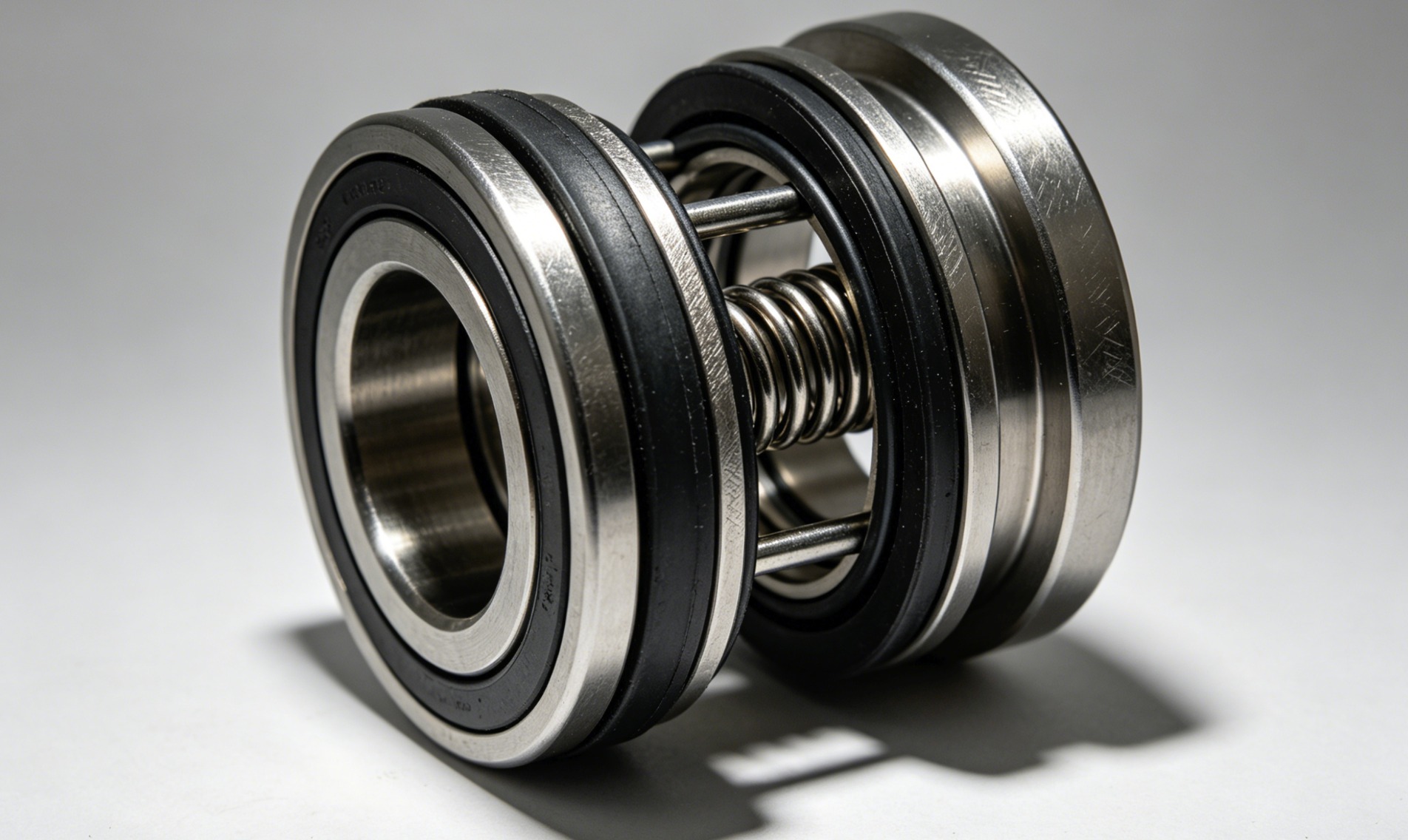
Leakage control is not merely an operational preference but a stringent regulatory mandate. Regulatory bodies enforce strict volatile organic compound (VOC) emission limits, often restricting fugitive emissions to below 500 parts per million (ppm) in chemical manufacturing zones. Achieving and sustaining this level of containment requires highly engineered mechanical seals rather than traditional packing.
To maintain microscopic fluid films without allowing bulk leakage, precision-lapped seal faces must remain flat to within one or two helium light bands, equating to approximately 0.29 to 0.58 microns. When the correct seal is matched to the specific fluid rheology, it maintains this micro-gap dynamically, ensuring that hazardous or toxic chemicals remain isolated from the atmosphere and plant personnel.
Which operating and business risks rise with poor seal selection
The financial ramifications of inadequate seal specification extend far beyond the initial component purchase price. Reliability metrics indicate that mechanical seal failures account for nearly 70% of all centrifugal pump downtime in the chemical sector. A single premature failure can easily incur $5,000 to $15,000 in direct maintenance labor and replacement parts, excluding the often much higher cost of lost production throughput.
Furthermore, catastrophic seal failures introduce severe business risks, including environmental remediation costs, regulatory fines, and safety hazards. Unplanned maintenance demands also force technicians into hazardous exposure zones. By standardizing on appropriate seal metallurgies and face designs, plants mitigate these liabilities and transition from reactive firefighting to predictive asset management.
What Operating Data Should Guide Mechanical Seal Selection
Selecting an optimal mechanical seal mandates a comprehensive analysis of the pump’s operating envelope. Relying on nominal pump specifications rather than actual operating conditions at the seal chamber frequently leads to rapid component degradation.
Engineers must compile an accurate process data sheet that captures steady-state conditions, transient startup phases, and potential upset scenarios to ensure the selected seal can withstand the full spectrum of operational stresses.
Which fluid properties, pressure, temperature, and solids content matter most
Fluid characteristics heavily dictate the mechanical seal’s metallurgical and elastomeric requirements. Key variables include specific gravity, viscosity, and chemical composition across all operating phases. Pressure profiles are equally critical; standard chemical pumps may operate in a vacuum, while high-pressure reactor feed pumps can subject seals to internal pressures exceeding 1,200 psig (82 bar).
Temperature extremes, ranging from cryogenic -40°C to high-heat 400°C applications, dictate the thermal expansion tolerances of the seal faces and the degradation limits of the secondary O-rings. Additionally, total suspended solids (TSS) significantly impact face wear. Fluids with a solids content exceeding 2% by weight typically require hard-on-hard face combinations and specialized environmental controls to prevent abrasive scoring.
How shaft speed, pump type, and seal chamber conditionsaffect selection
Mechanical dynamics within the seal chamber determine the wear rate and thermal generation at the seal faces. Shaft speeds, typically ranging from 1,450 to 3,600 RPM in standard centrifugal pumps, drive the peripheral velocity (V) at the seal interface. This velocity, combined with the sealing pressure (P), establishes the PV factor—a critical threshold that dictates the frictional heat the seal can safely dissipate.
The pump type and stuffing box dimensions also constrain selection. Standard ANSI B73.1 chemical pumps often feature enlarged, tapered bore seal chambers designed to enhance fluid circulation and expel particulates, whereas older or specialized pumps may have restrictive cylindrical boxes. A seal must be dimensionally compatible with these chambers to ensure adequate fluid replacement and cooling around the rotating components.
When corrosion, crystallization, vapor pressure, and dry running become critical
Phase changes within the seal chamber present severe reliability threats. A minimum temperature margin of 10°C (18°F) between the fluid’s operating temperature and its vapor pressure at seal chamber conditions is generally required. If this margin is breached, the fluid will flash into a vapor, causing dry running, catastrophic heat generation, and thermal cracking of the seal faces.
Corrosion and crystallization pose parallel threats. Fluids that crystallize upon contact with atmospheric air, such as sodium hydroxide, will rapidly destroy seal faces if the atmospheric side of the seal is not properly quenched. In highly corrosive environments, the localized corrosion rate on standard 316 stainless steel components can exceed 0.5 mm per year, necessitating the specification of exotic alloys to maintain the seal’s structural integrity.
Which Seal Designs and Materials Best Fit Chemical Pumps
The intersection of mechanical design and material science defines a seal’s capability to withstand aggressive chemical environments. Component geometry determines pressure handling and installation accuracy, while material selection governs chemical resistance and thermal conductivity.
Navigating the myriad of available configurations requires a structured approach to matching seal capabilities with the specific failure modes anticipated in the chemical process.
How single, dual, cartridge, balanced, and unbalanced seals compare
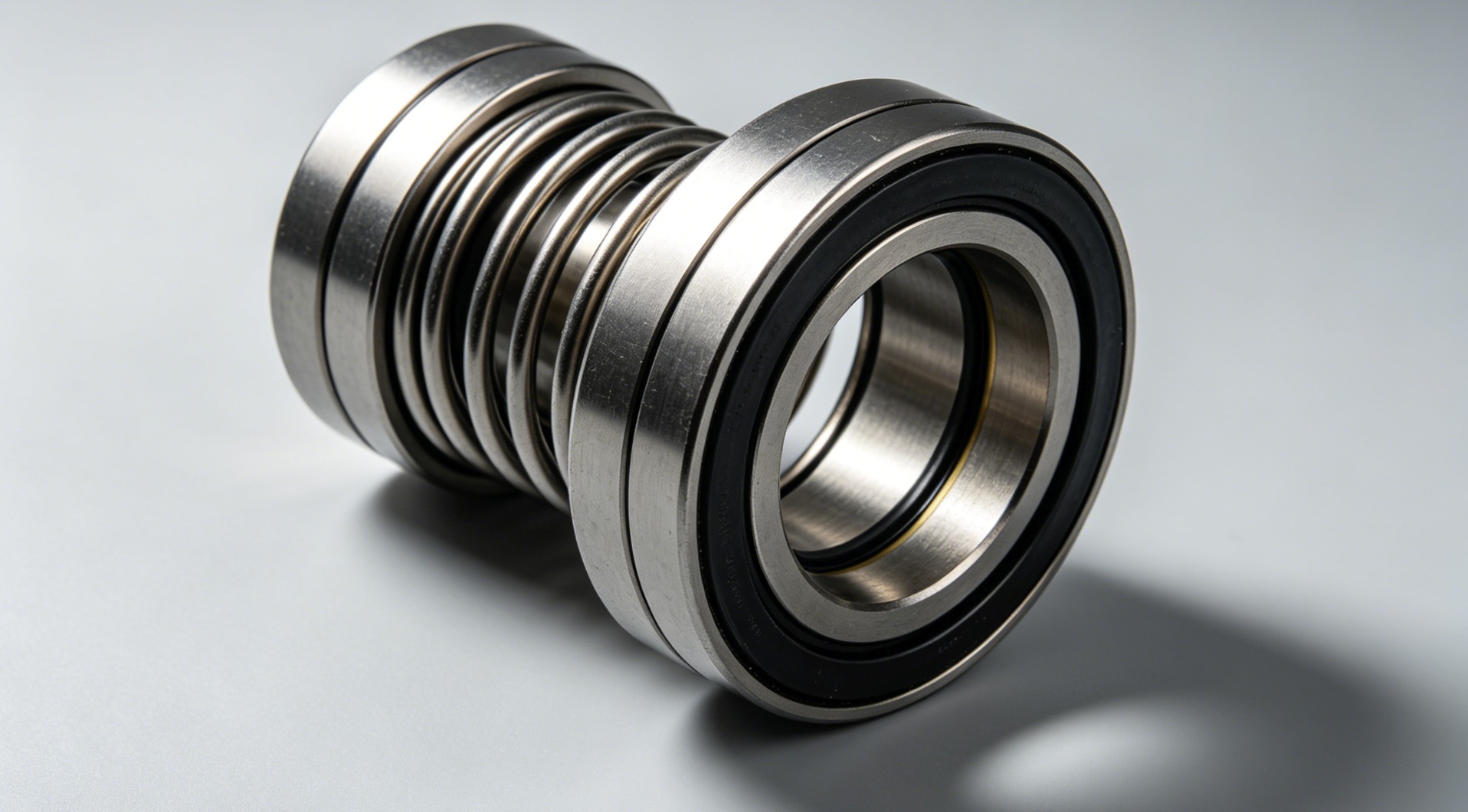
The structural configuration of the seal governs its pressure handling and installation reliability. Unbalanced seals, which subject the entire face area to stuffing box pressure, are typically restricted to pressures below 150 psig (10 barg) to prevent excessive heat generation. Balanced seals alter the geometric ratio to reduce closing forces, allowing them to handle pressures up to 600 psig (41 barg) or higher without rapid face wear.
Single seals offer a cost-effective solution for benign fluids, but toxic or highly volatile chemicals mandate dual seal configurations. Dual pressurized (double) seals utilize a higher-pressure barrier fluid to ensure zero process emissions, while dual unpressurized (tandem) seals provide a safety backup. Regardless of the configuration, transitioning from loose component seals to pre-assembled cartridge seals can reduce installation errors by up to 70%, as cartridge designs eliminate the need for manual spring compression and face alignment.
Which face materials, elastomers, and metal components suit chemical service
Face material pairings are the core of the mechanical seal. Silicon Carbide (SiC) paired with SiC offers universal chemical resistance and excellent thermal conductivity, though it can be brittle. Tungsten Carbide (TC) provides superior fracture toughness for high-torque or heavy slurry applications but is vulnerable to certain acids. Carbon graphite is frequently used as a mating face due to its self-lubricating properties, which provide a buffer against transient dry-running conditions.
Secondary sealing elements (elastomers) are equally vital. Standard FKM (Viton) O-rings are suitable for many chemicals up to 200°C, but highly aggressive solvents, amines, or temperatures approaching 327°C require perfluoroelastomers (FFKM) like Kalrez. For the metallic hardware—including springs, drive pins, and the cartridge gland—metallurgy must be upgraded from standard 316SS to Alloy 20, Hastelloy C-276, or Titanium when handling aggressive acids or chlorides.
What comparison criteria help evaluate seal options
Evaluating these combinations requires a structured comparison of thermal limits, chemical compatibility, and application suitability. Engineers must cross-reference process fluids against material compatibility charts to ensure neither the primary faces nor the secondary elastomers will degrade.
| Material Configuration | Max Temperature | Chemical Resistance | Typical Chemical Application |
|---|---|---|---|
| Carbon vs. Ceramic | 200°C (392°F) | Moderate | Mild aqueous solutions, low toxicity |
| Silicon Carbide (SiC) vs. SiC | 1,400°C (2,552°F)* | Excellent | Highly corrosive acids, abrasive slurries |
| Tungsten Carbide (TC) vs. SiC | 400°C (752°F) | Good to Excellent | High-viscosity polymers, heavy crystallizing fluids |
| FKM Elastomer (Viton) | 204°C (400°F) | Good | General hydrocarbons, water, weak acids |
| FFKM Elastomer (Kalrez) | 327°C (620°F) | Outstanding | Aggressive solvents, strong amines, high-temp chemicals |
*(Note: SiC structural limit; actual seal limit is dictated by the elastomer and metallic components.)
How to Evaluate Standards, Support Systems, and Suppliers
A mechanical seal rarely operates in isolation; its longevity relies heavily on auxiliary support systems and adherence to global engineering standards. The surrounding infrastructure dictates the seal’s operating environment, providing essential cooling, lubrication, and pressure regulation.
Evaluating suppliers and their support ecosystems is just as critical as selecting the seal hardware itself, ensuring long-term operational continuity and compliance.
Which standards, compliance requirements, and plant specifications apply
Specifications such as API 682 (4th Edition) and ISO 21049 provide stringent frameworks for seal categorization, testing, and documentation in the petrochemical and chemical sectors. While standard chemical plants often utilize ANSI/ASME B73.1 guidelines, adopting API 682 principles for critical chemical applications ensures a higher baseline of reliability.
Plant-specific specifications also play a major role. Many facilities enforce internal engineering standards that mandate specific elastomeric compounds, limit the use of certain metals (e.g., prohibiting copper alloys in ammonia service), or require standardized cartridge gland dimensions to minimize inventory complexity.
When flush plans, barrier systems, instrumentation, and auxiliaries are needed
Environmental control systems, defined by API piping plans, are critical for modifying the seal chamber environment. A basic Plan 11 utilizes a bypass line from the pump discharge to flush the seal faces, providing cooling and preventing vapor buildup. For toxic or hazardous fluids requiring dual seals, a Plan 53A system is frequently employed.
A Plan 53A utilizes an external reservoir to supply a pressurized barrier fluid between the dual seal faces. To ensure process fluid does not leak outward, this barrier system must be instrumented and maintained at a minimum of 1.5 bar (22 psi) above the maximum anticipated seal chamber pressure. More complex applications might require a Plan 54, which utilizes a centralized, forced-circulation external lubrication system to handle extreme heat loads.
How to assess supplier testing, support, and lead times
Procurement evaluation must extend to the manufacturer’s operational capabilities. Suppliers should provide documented dynamic testing protocols, proving the seal’s performance under simulated pressure and speed conditions prior to shipment. Hydrostatic testing of the seal gland to 1.5 times the maximum allowable working pressure (MAWP) is a standard safety requirement.
Lead times and localized support are critical logistical factors. While standard ANSI cartridge seals may have lead times of 1 to 2 weeks, highly engineered alloy seals can require 8 to 12 weeks for manufacturing. A supplier’s ability to offer rapid repair turnaround programs, localized inventory of wear parts, and on-site troubleshooting engineering directly impacts the plant’s overall pump availability.
What Practical Process Should Teams Use to Select a Mechanical
Transitioning from theoretical specification to practical procurement requires a disciplined, cross-functional engineering workflow. Operations, maintenance, and reliability teams must collaborate to ensure the chosen seal aligns with both process realities and maintenance capabilities.
A standardized selection process prevents ad-hoc purchasing decisions, reducing inventory bloat and ensuring consistent reliability outcomes across the chemical plant.
Which step-by-step workflow helps match seal type to operating conditions
The selection protocol should initiate with an exhaustive fluid definition, documenting chemical hazards, pH, viscosity, and vapor pressure. Step two involves mapping the operational limits, calculating the pressure-velocity (PV) factor, and verifying dimensional constraints of the stuffing box. Step three requires determining the necessary environmental controls (API Piping Plans) to mitigate identified risks such as crystallization or flashing.
Finally, step four dictates the material selection for faces, elastomers, and metallurgy based on the data gathered. This systematic workflow ensures that constraints are identified early; for instance, recognizing that a fluid’s low vapor pressure margin requires a Plan 53A dual seal before a cheaper, inadequate single seal is mistakenly ordered.
How to balance capital cost against service life and maintenance risk
Financial justification must pivot from initial capital expenditure (CapEx) to Total Cost of Ownership (TCO).
Key Takeaways
- The most important conclusions and rationale for Mechanical Seal
- Specs, compliance, and risk checks worth validating before you commit
- Practical next steps and caveats readers can apply immediately
Frequently Asked Questions
What should buyers compare first when sourcing Mechanical Seal?
Start with airflow/spec range, compliance requirements, installation constraints, and after-sales spare-part policy. These four factors usually determine total risk and margin quality.
How can readers control landed cost for Mechanical Seal?
Break down unit FOB, packaging volume, container utilization, duty/tax, and expected return rate. A simple landed-cost model by SKU tier helps avoid margin surprises.
Which certifications are commonly required for Mechanical Seal in key markets?
Requirements vary by destination market; verify applicable electrical/safety and material compliance standards before PO confirmation, and keep lab reports tied to exact SKU versions.
How should distributors set MOQ and inventory targets for Mechanical Seal?
Use channel demand split and lead time to set tiered MOQ. Keep fast-moving SKUs deeper in stock while limiting long-tail variants with slower turns and higher holding costs.
What is a practical quality-control checklist for Mechanical Seal orders?
Define AQL, critical defect list, function tests, and packaging drop checks. Run pre-shipment inspection and keep a traceable defect feedback loop with the factory.

Post time: Jun-16-2026