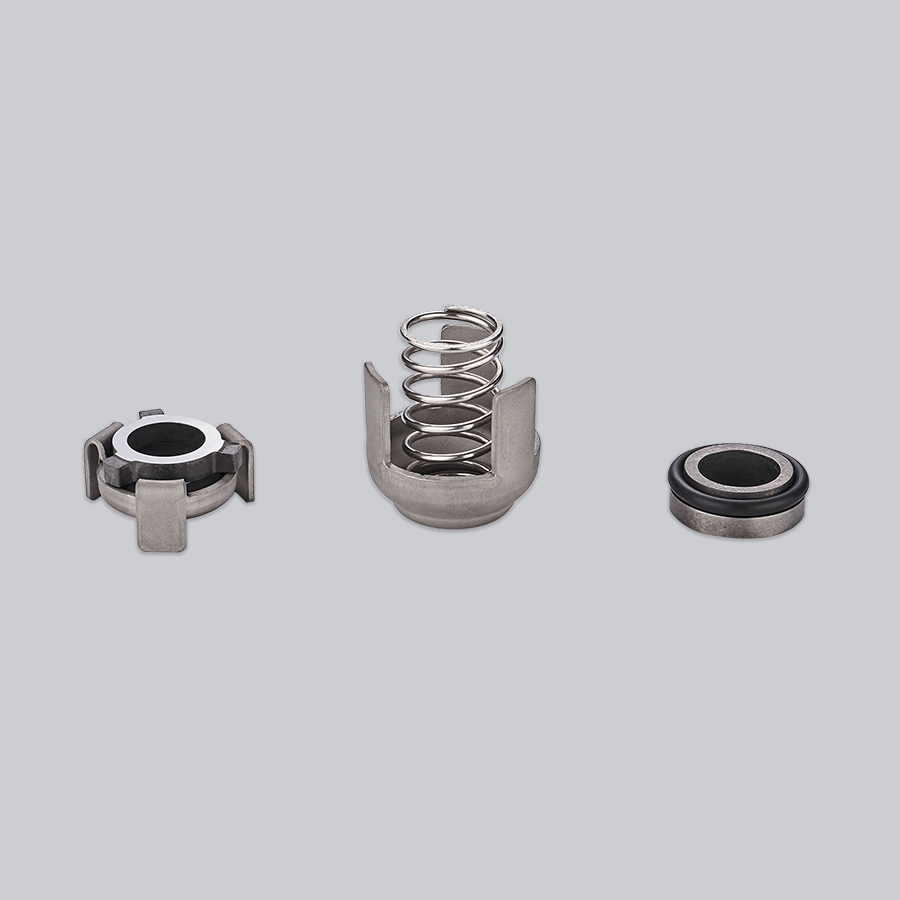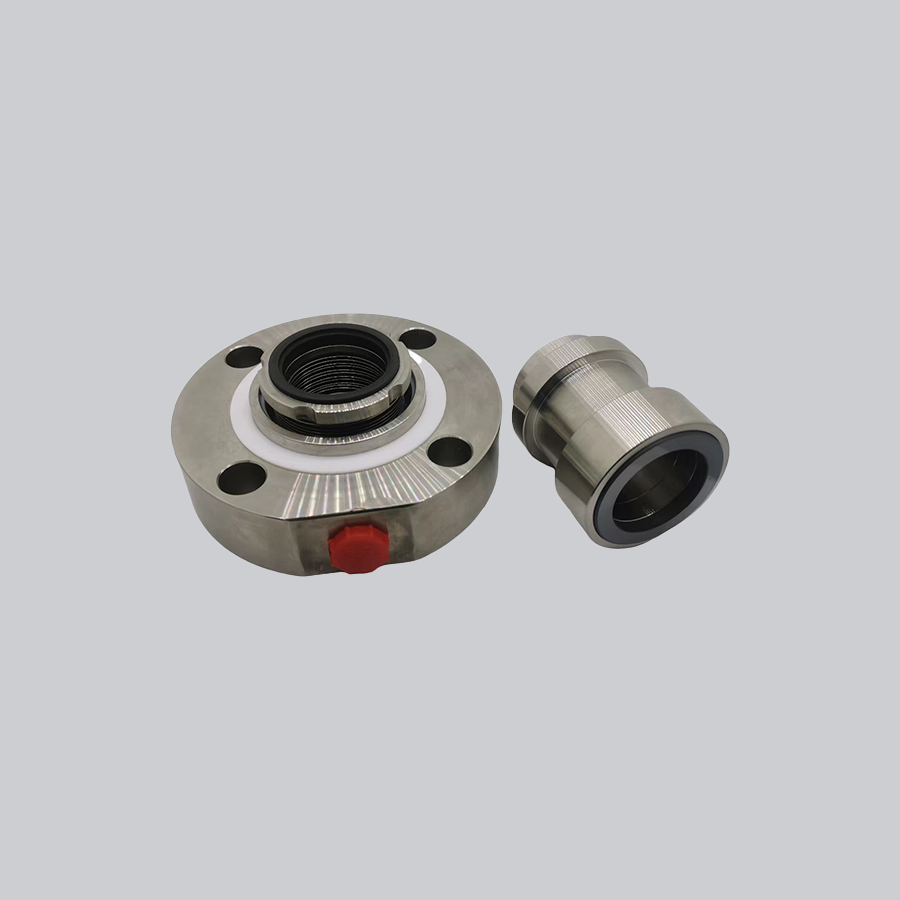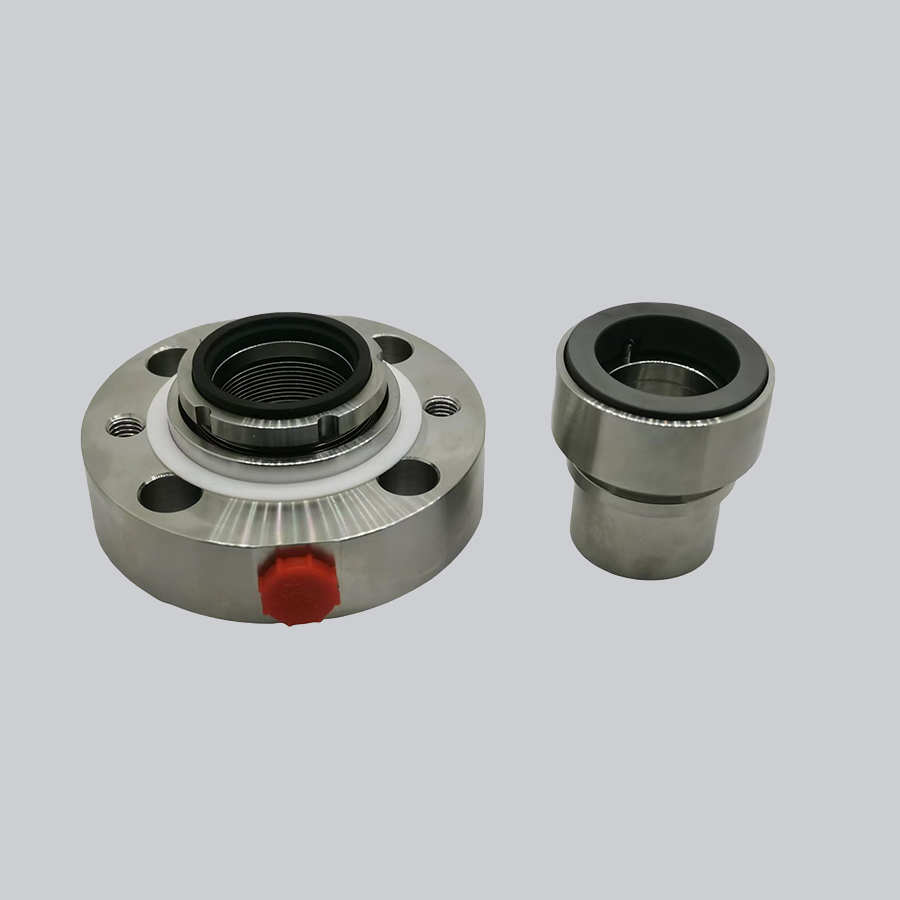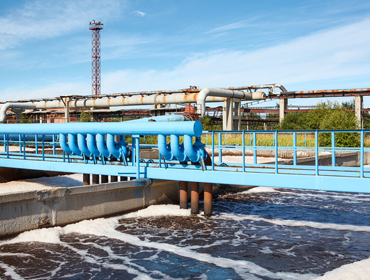


High-performance mechanical seals and precision-engineered replacement rotor sets designed for severe marine pump conditions.
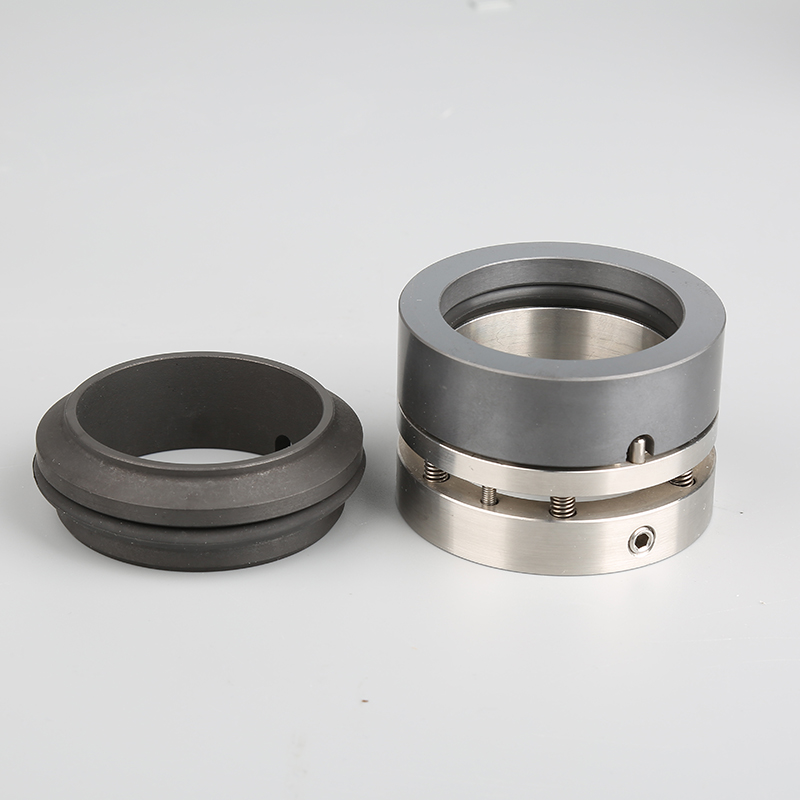
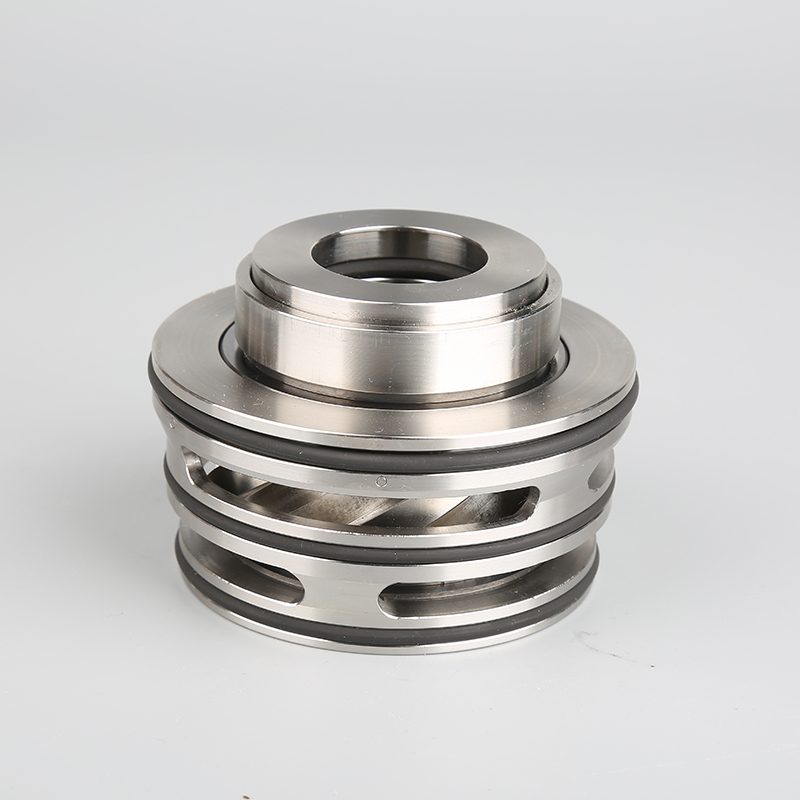
In modern naval architecture and commercial maritime operations, Marine Seals For Pump Shaft Sealing serve as vital safeguards that guarantee operational integrity, environmental safety, and mechanical longevity across a wide array of fluid handling systems. A vessel’s propulsion engine room, bilge water handling network, ballast water management systems (BWMS), and desalination plants rely on centrifugal, positive displacement, screw, and submersible pumps operating continuously under strenuous marine conditions.
Pump shaft sealing in maritime environments presents unique engineering challenges compared to land-based industrial pump applications. Marine mechanical seals are routinely exposed to highly corrosive salt water, abrasive sand and silt, extreme hydraulic pressure spikes, temperature fluctuations, and severe multi-axial mechanical vibrations. Failure of a pump shaft seal onboard a ship can lead to catastrophic engine room flooding, unscheduled downtime, costly port detentions by maritime authorities, and severe environmental fines under international regulations such as MARPOL and the US EPA Vessel General Permit (VGP).
Providing dynamic, zero-leakage shaft isolation while reducing mechanical friction, minimizing face wear under boundary lubrication states, and resisting chemical degradation from marine lubricants, heavy fuel oils (HFO), low-sulfur marine gas oils (LSMGO), and untreated seawater.
The global marine seal market is undergoing a rapid technological evolution driven by strict environmental regulations, fleet decarbonization imperatives, and the digital transformation of ship management. Fleet owners and maritime maintenance engineers are transitioning away from traditional gland packing (braided flax or PTFE packing) toward advanced **cartridge mechanical seals**, **metal bellow seals**, and **balanced dynamic face seals**.
Traditional packing requires constant fluid drip to cool and lubricate the shaft, leading to continuous bilge water accumulation, shaft sleeve scoring, and increased maintenance labor. In contrast, modern Marine Seals For Pump Shaft Sealing offer:
Utilizing high-grade Duplex Stainless Steel (UNS S31803), Super Duplex, Hastelloy C-276, and titanium housings to withstand high-salinity marine environments.
Silicon Carbide (SiC) vs. Tungsten Carbide (TC) and self-lubricating Resin-Impregnated Carbon faces engineered for boundary-layer fluid film stability.
Multiple-spring arrangements and wave springs distribute uniform face pressure, neutralizing hull vibration and shaft misalignment on rough seas.
Marine vessels carry dozens of specialized pumps, each operating under specific hydraulic and fluid chemistry parameters. Selecting the proper Marine Seals For Pump Shaft Sealing requires matching material properties to operational realities:
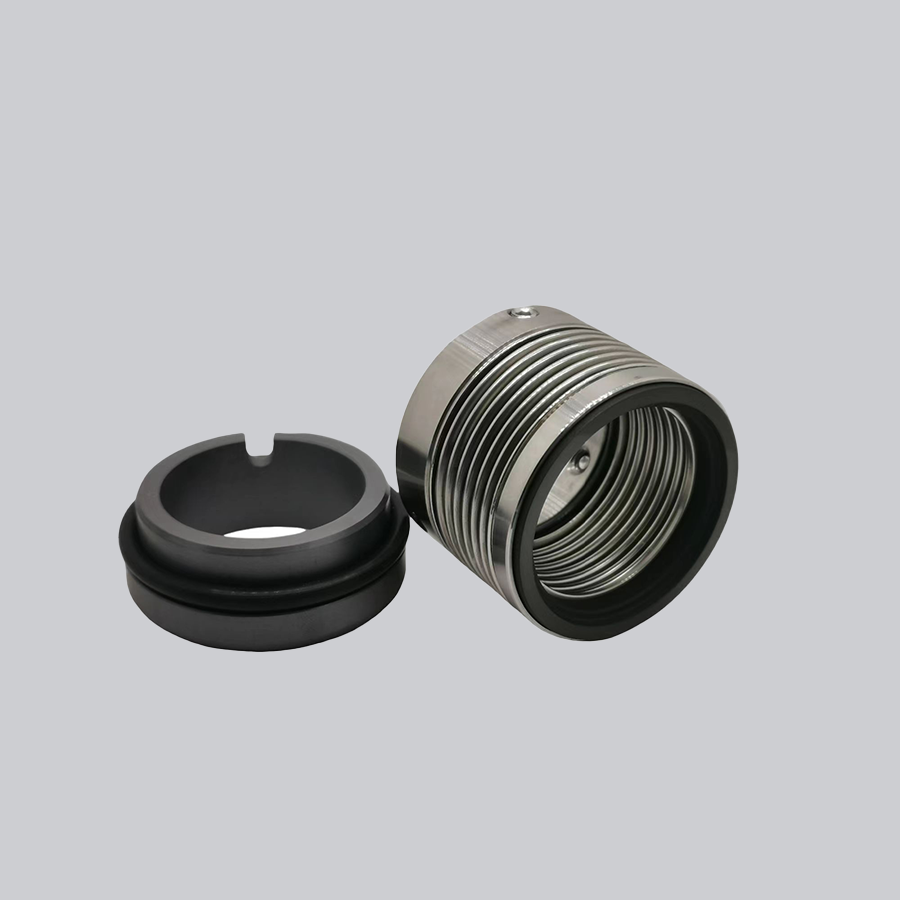
Engine cooling pumps circulate raw seawater through heat exchangers at high flow rates. The fluid contains micro-abrasives (sand, marine organisms, shell fragments). Mechanical seals deployed here utilize hard-on-hard seal faces (e.g., Silicon Carbide vs. Silicon Carbide) combined with elastomeric or metal bellows to prevent abrasive grit from embedding into sealing faces.
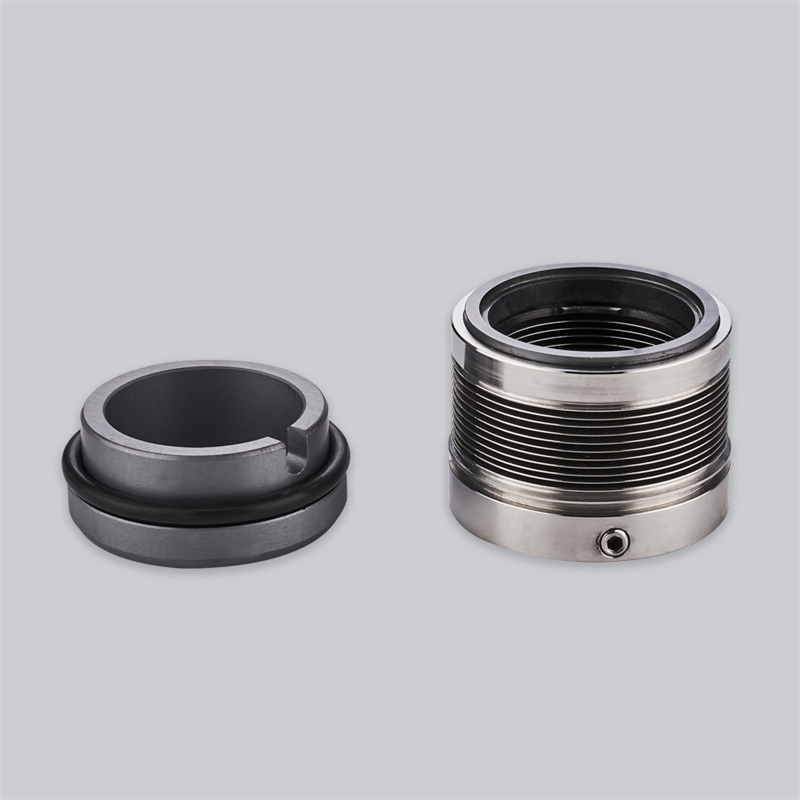
Positive displacement triple-screw pumps (such as IMO ACD/ACP/ACG series and Allweiler SPF series) handle high-viscosity fuels and high-temperature oils. Shaft seals must accommodate thermal expansion and prevent elastomer hardening. Specialized Viton (FKM), FFKM, and balanced metallic bellows are essential for maintaining seal stability up to 180°C.
Ballast water pumps handle untreated seawater, chemical dosing agents, and entrained air. Seals must withstand dry-running conditions during pump priming. Balanced cartridge seals featuring flush plan configurations (API Plan 11, Plan 32, or Plan 54) ensure continuous cooling fluid circulation across seal faces during priming cycles.
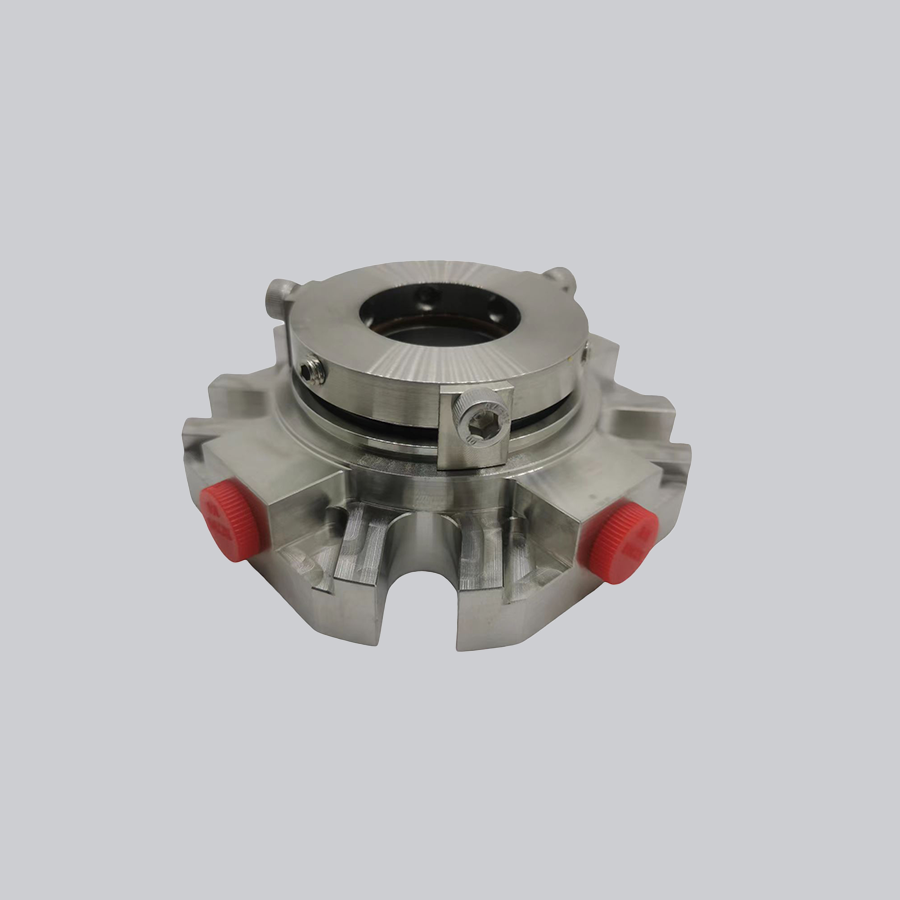
Submersible wastewater pumps operate in harsh sewage, sludges, and gray water. Plug-in cartridge mechanical seals (such as Flygt-4 type replacements) isolate motor chambers against fluid ingress, using double mechanical seal arrangements filled with non-toxic barrier oil chambers.
The core performance of any marine mechanical seal relies on the material composition of its primary rotating face, stationary seat, secondary elastomeric seals, and spring hardware:
As the marine sector embraces Industry 4.0 and autonomous ship technology, Marine Seals For Pump Shaft Sealing are shifting toward smart, sensor-integrated sealing units. Embedded micro-sensors monitor sealing face temperature, vibration harmonics, barrier fluid pressure, and micro-leakage rates in real time. Predictive maintenance algorithms analyze this data onboard to forecast seal degradation weeks before failure occurs, enabling planned maintenance during scheduled dry-dockings rather than emergency mid-ocean repairs.
Furthermore, green shipping initiatives are driving demand for non-polluting barrier fluids and bio-degradable stern tube / marine pump lubricants. Mechanical seals engineered for zero-emission operations ensure that even trace amounts of hydrocarbon lubricants cannot enter marine ecosystems, satisfying global ESG standards for modern commercial fleets.
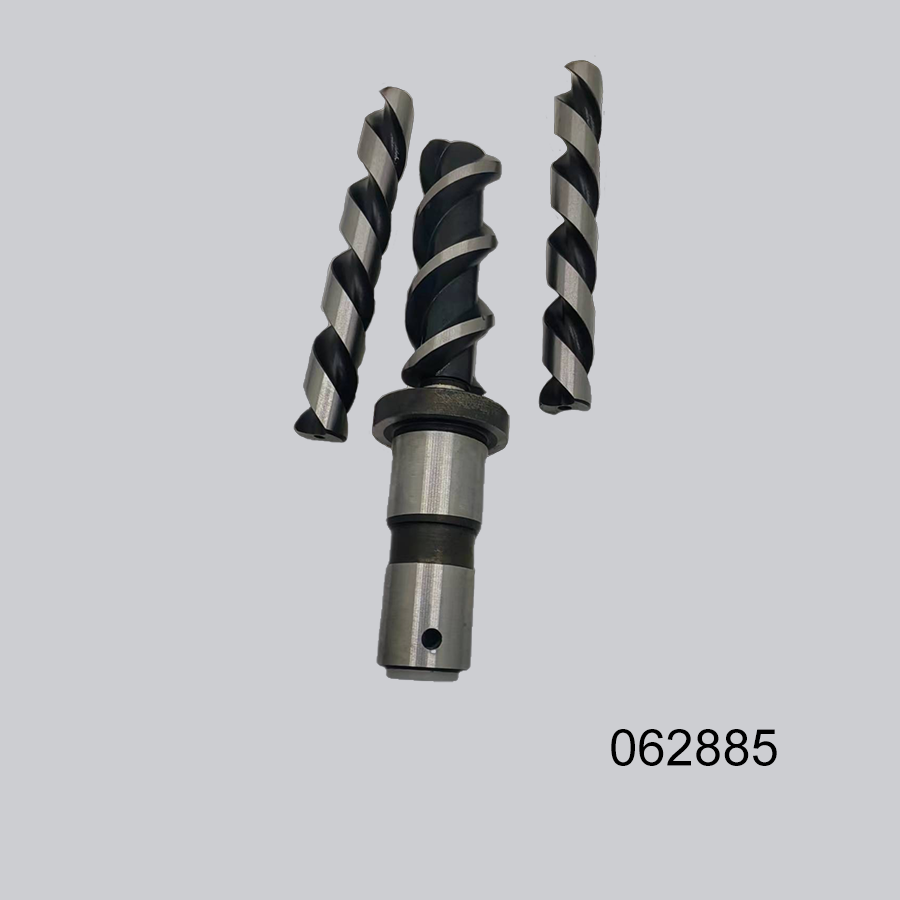
Explore our extended range of standard mechanical seals, OEM replacement shaft seals, and rotor sets engineered for IMO, Allweiler, Naniwa, Taiko Kikai, and Grundfos marine pumps.
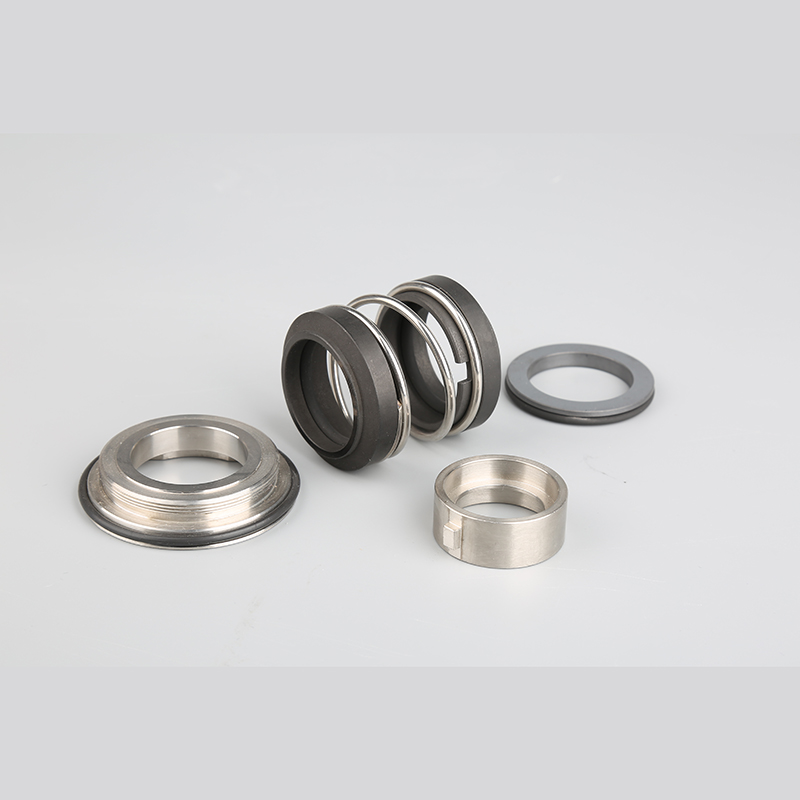
Ningbo Victor Seals Co., Ltd was founded in 1998, more than 20 years ago, located in Ningbo, Zhejiang province, China. Our modern factory covers an operational area of 3,800 square meters with a total construction area of 3,000 square meters, supported by a dedicated team of over 40 highly skilled employees. We are a premier professional mechanical seals manufacturer specializing in high-reliability Marine Seals For Pump Shaft Sealing.
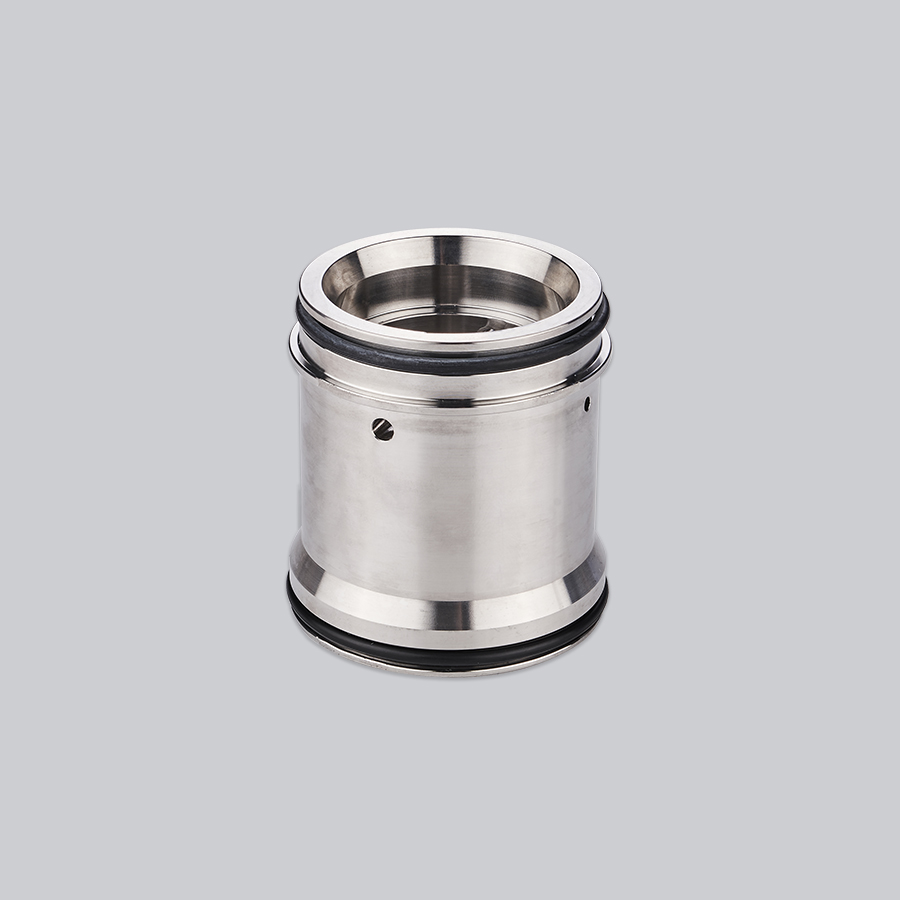
Our proprietary brand "victor" is registered in over 30 countries globally. Our core product portfolio encompasses comprehensive sealing assemblies including cartridge seals, rubber bellow seals, metal bellow seals, and O-ring pusher seals designed to excel under rigorous operational parameters. We provide custom OEM mechanical seals tailored to exact client specifications and fabricate high-precision wear components using premium Silicon Carbide, Tungsten Carbide, Technical Ceramics, and Carbon Graphite.
All engineering designs strictly comply with global industrial standards including DIN24960, EN12756, ISO3069, API610, API682, and GB6556-94.
Deep-rooted technical knowledge in marine seals for pump shaft sealing across diverse vessel types.
Competitive direct-factory pricing offering up to 10% savings compared to standard tier-1 suppliers.
State-of-the-art CNC machining, lapping machines, and computerized testing benches.
Rigorously inspected face flatness, pressure holding capability, and dynamic performance testing.
Comprehensive inventory of replacement seals for fast turnaround times and minimal vessel downtime.
Expedited worldwide dispatch via DHL, TNT, FedEx, UPS, air freight, or ocean freight.
Our high-performance shaft sealing solutions serve critical fluid isolation applications across global marine and industrial sectors.
Technical and commercial answers regarding our marine seals and pump shaft sealing products.
For stock items, we can ship them immediately after payment confirmation. For custom or non-stock production items, mass manufacturing typically requires 15-20 days.
We are a direct manufacturer located in Ningbo, Zhejiang, China, with complete in-house design, machining, quality control, and assembly facilities.
Our manufacturing headquarters is conveniently situated in Ningbo, Zhejiang Province, close to major marine port infrastructure.
Yes, we provide free sample units for clients to verify material quality and mechanical tolerances prior to full production, with freight collect.
We routinely ship products via global express couriers (DHL, TNT, FedEx, UPS). Large orders can also be dispatched via sea freight or air freight based on customer requirements.
We accept T/T (Telegraphic Transfer) prior to qualified goods being dispatched from our factory.
Yes, custom engineered shaft seal designs tailored for specialized working environments and non-standard pump dimensions are readily available.
Yes! Our experienced engineering team can develop an optimal seal design based on your specific pump dimensions, fluid medium, and working parameters.