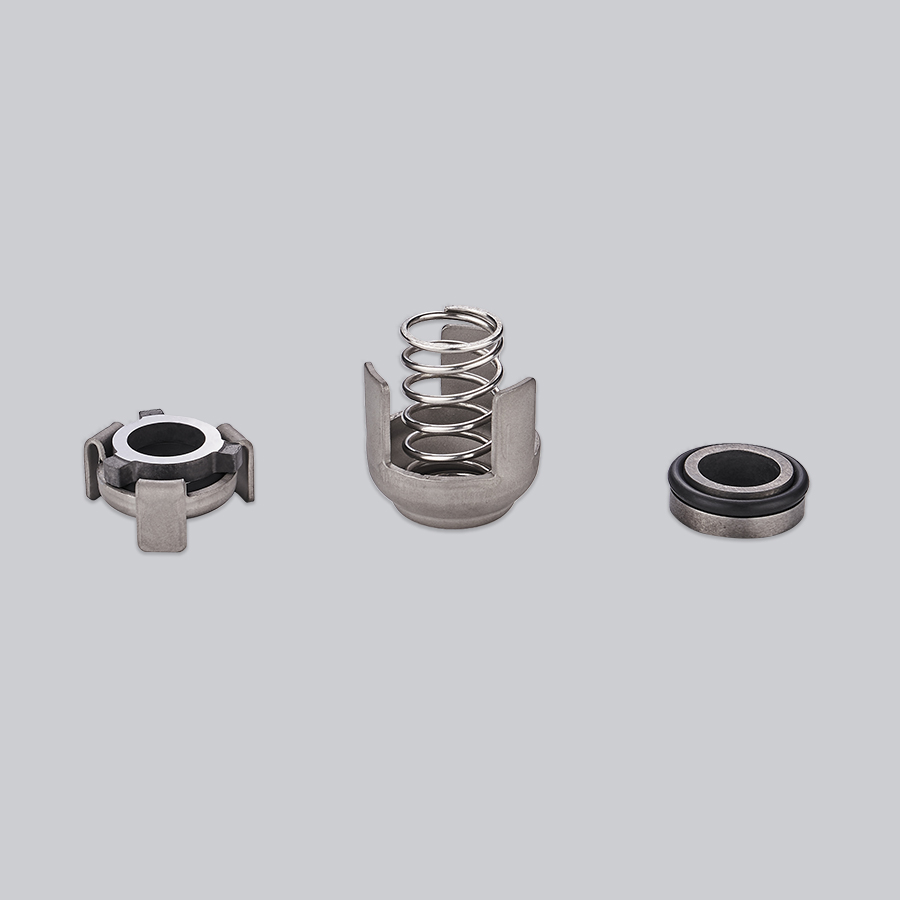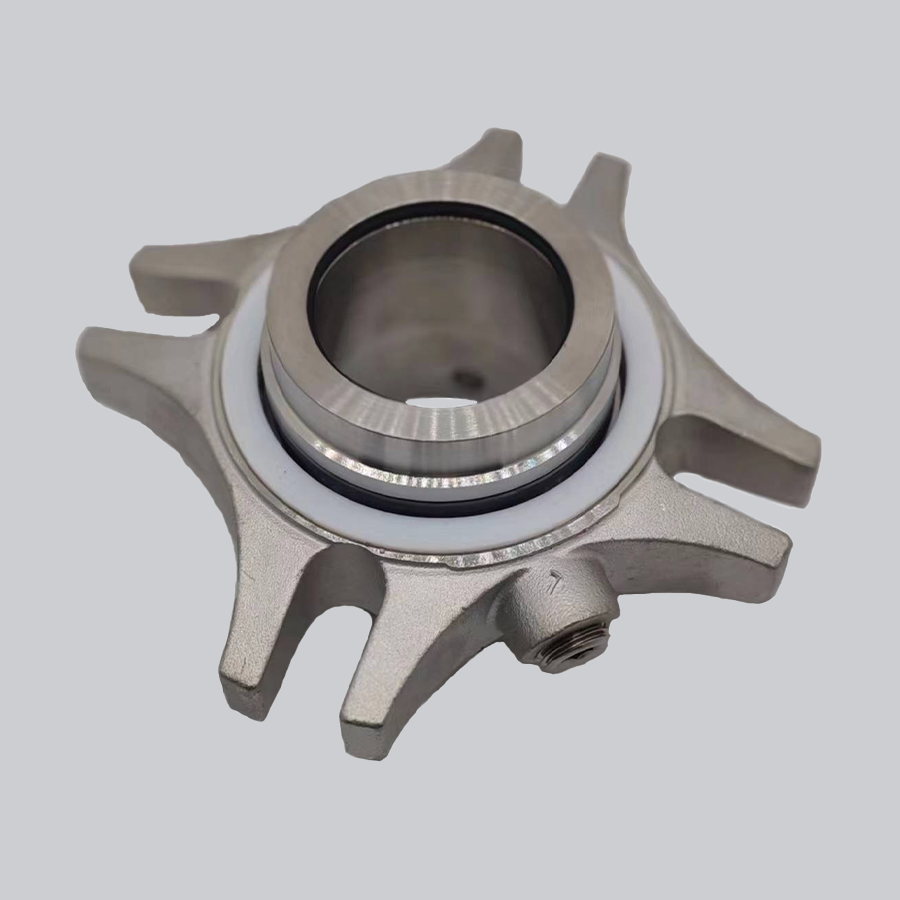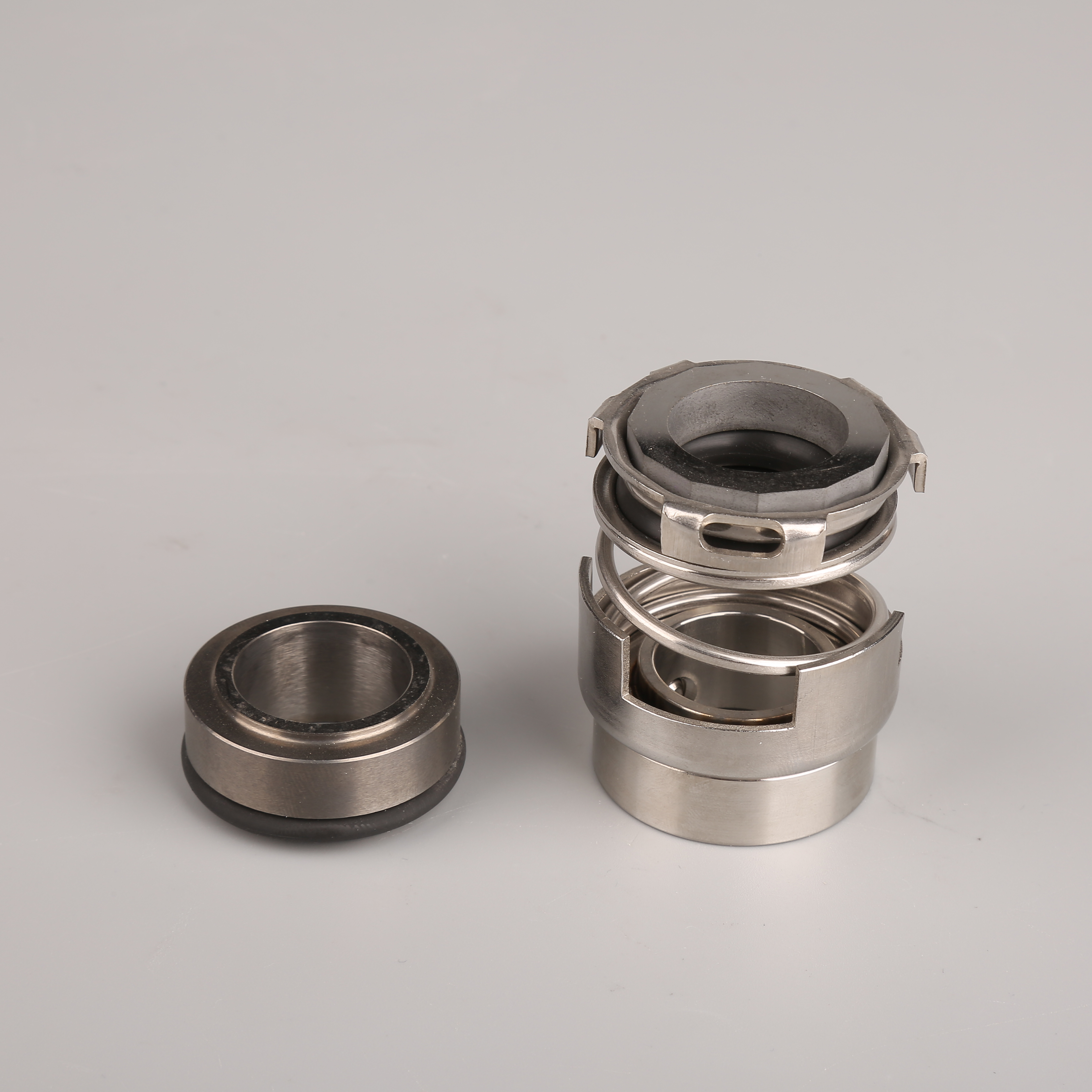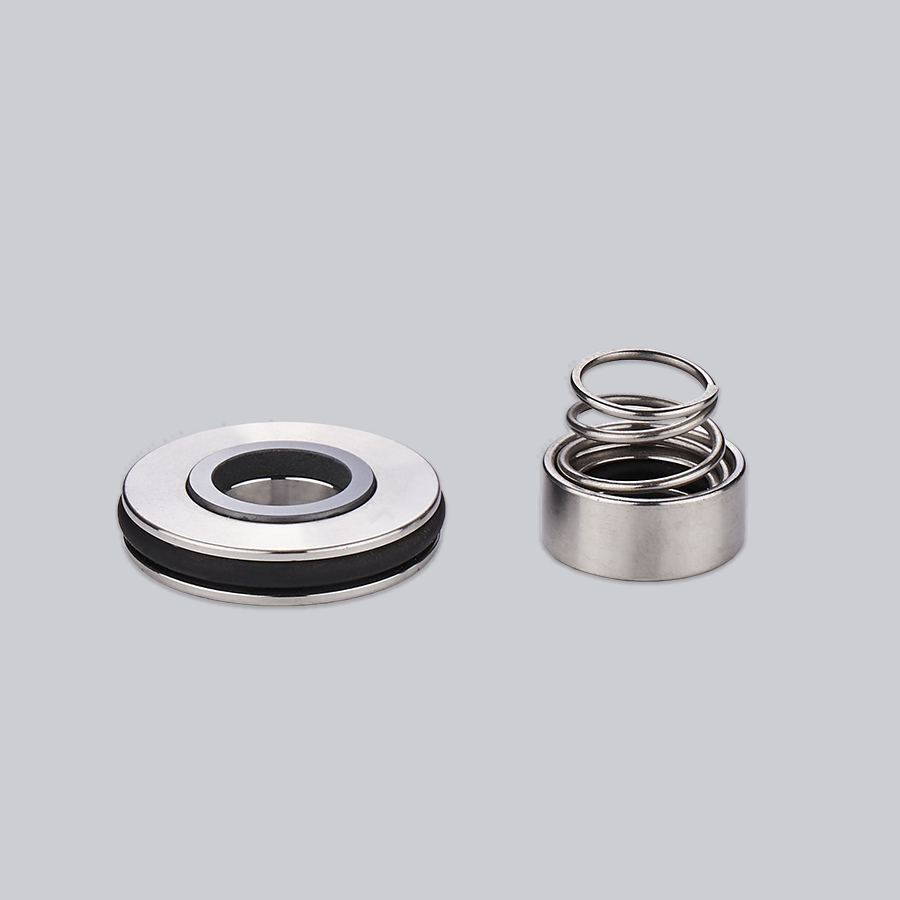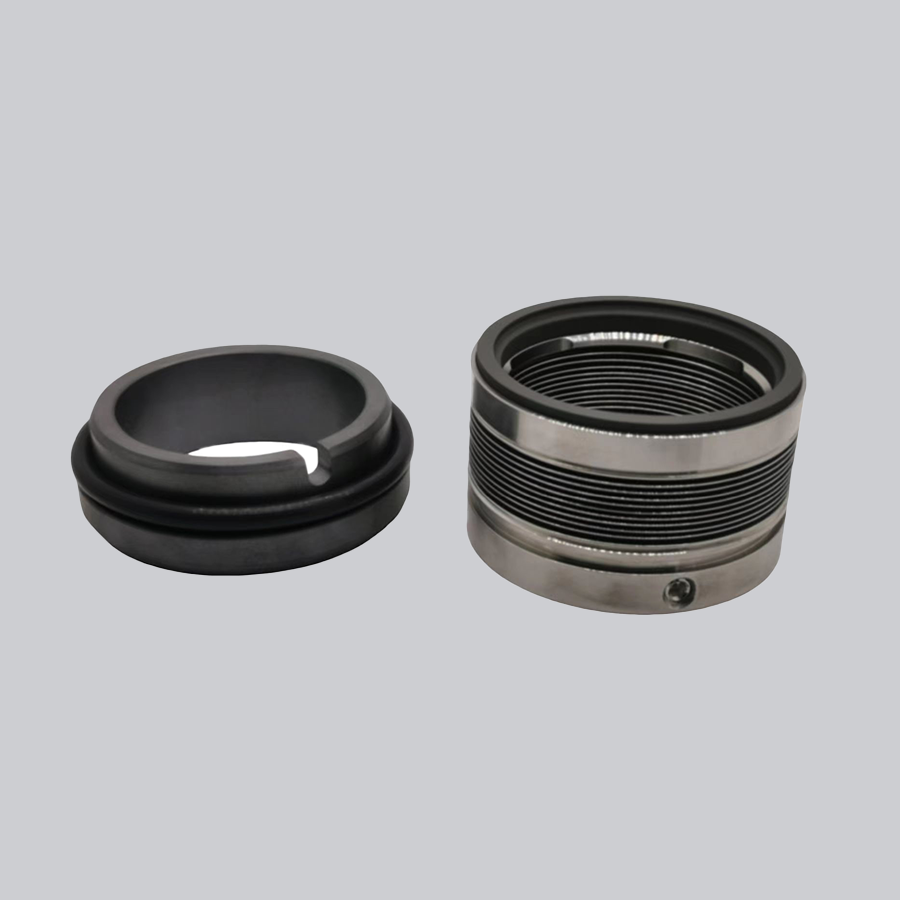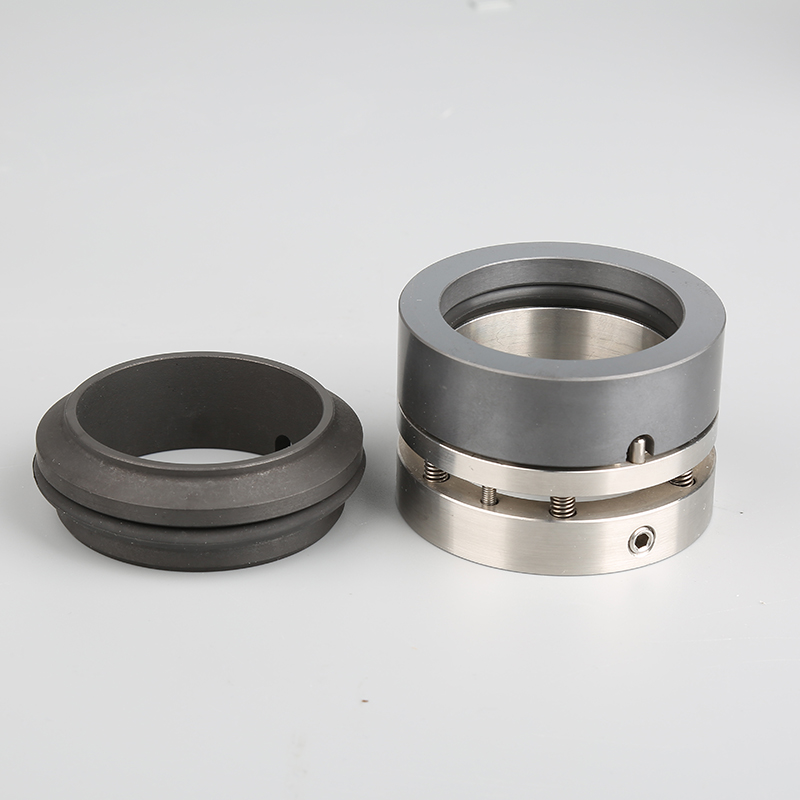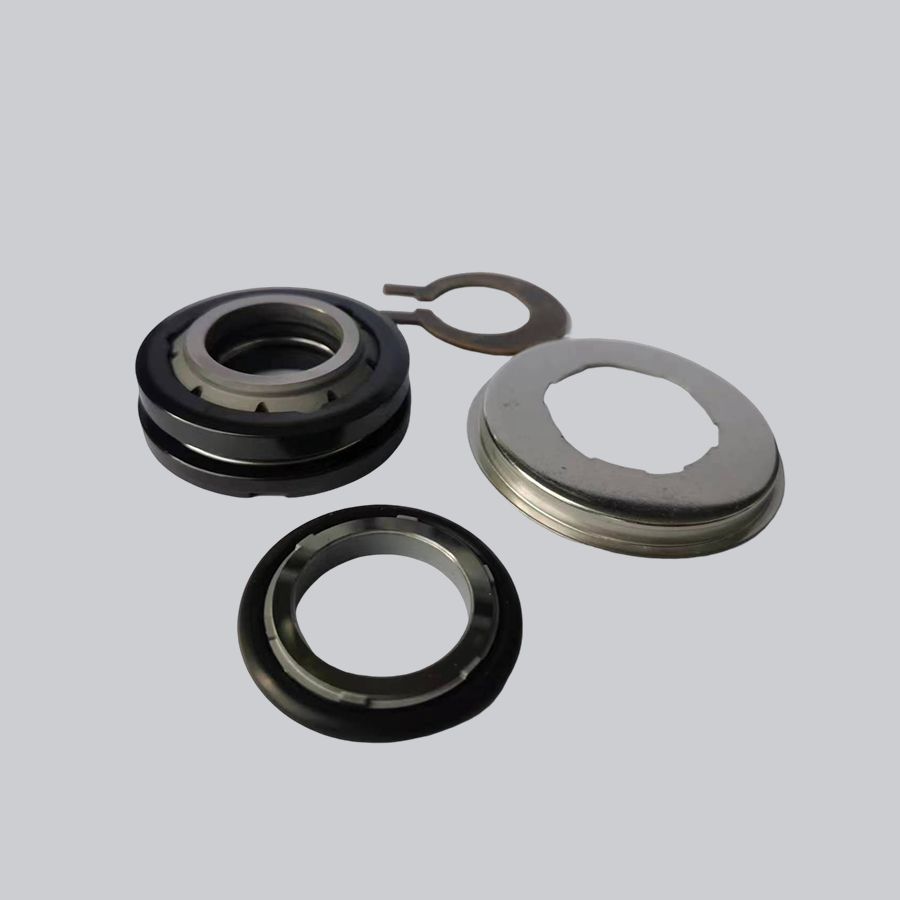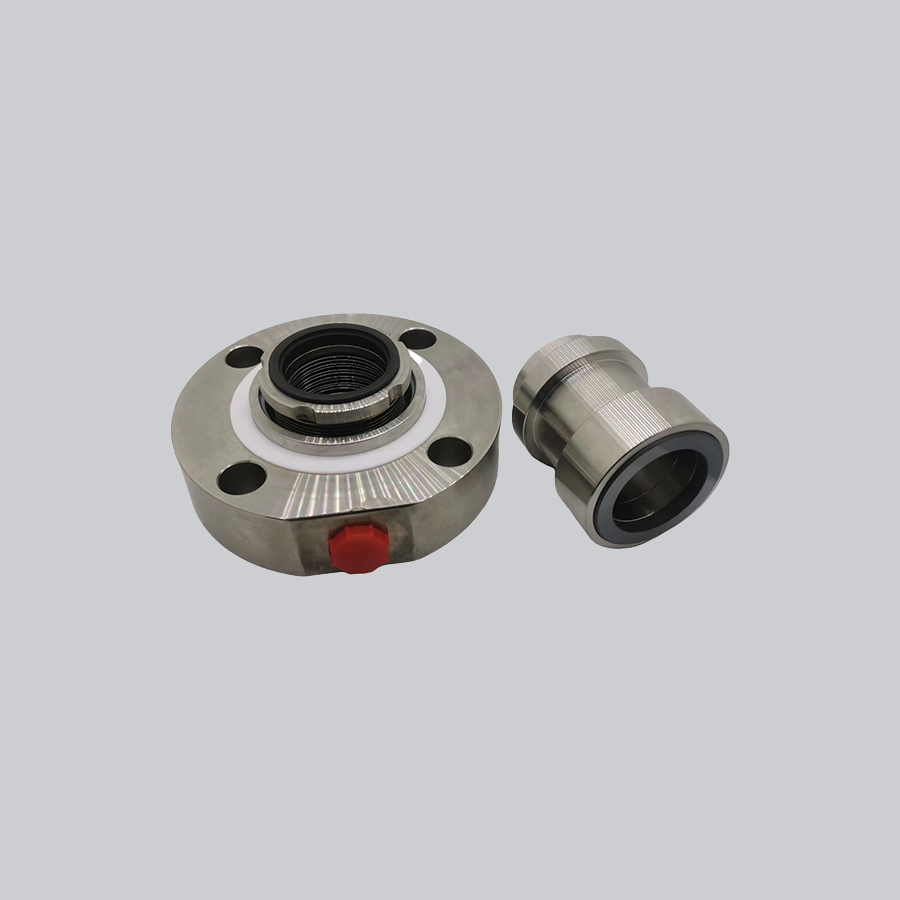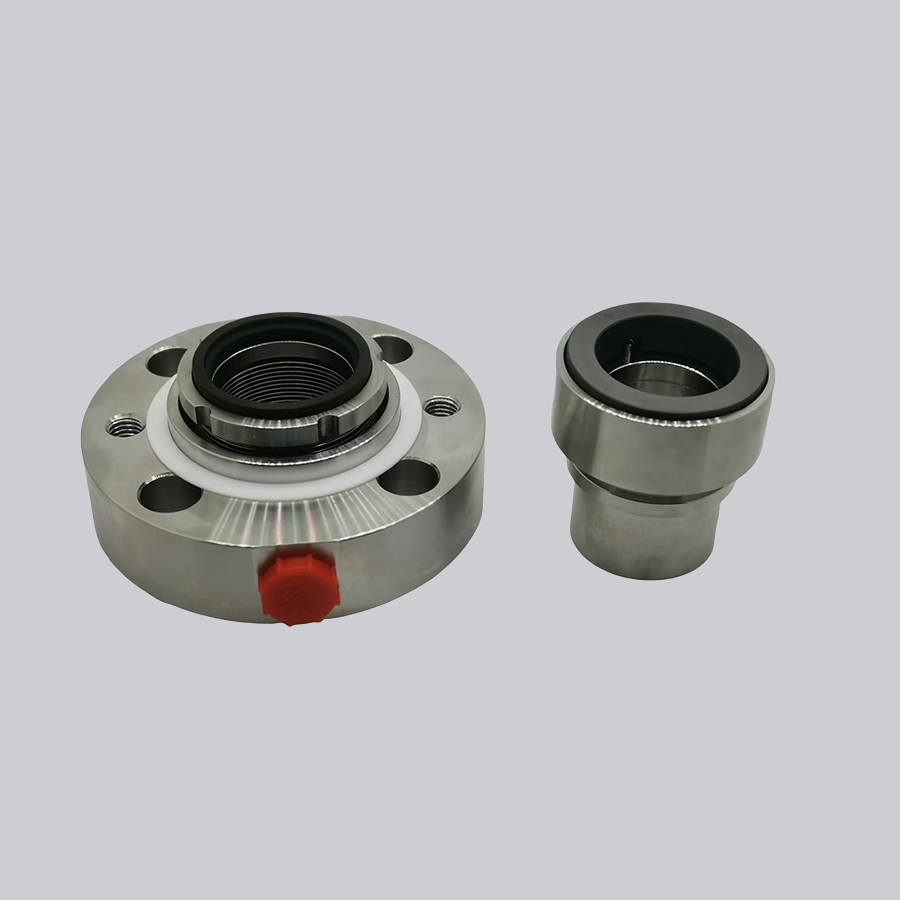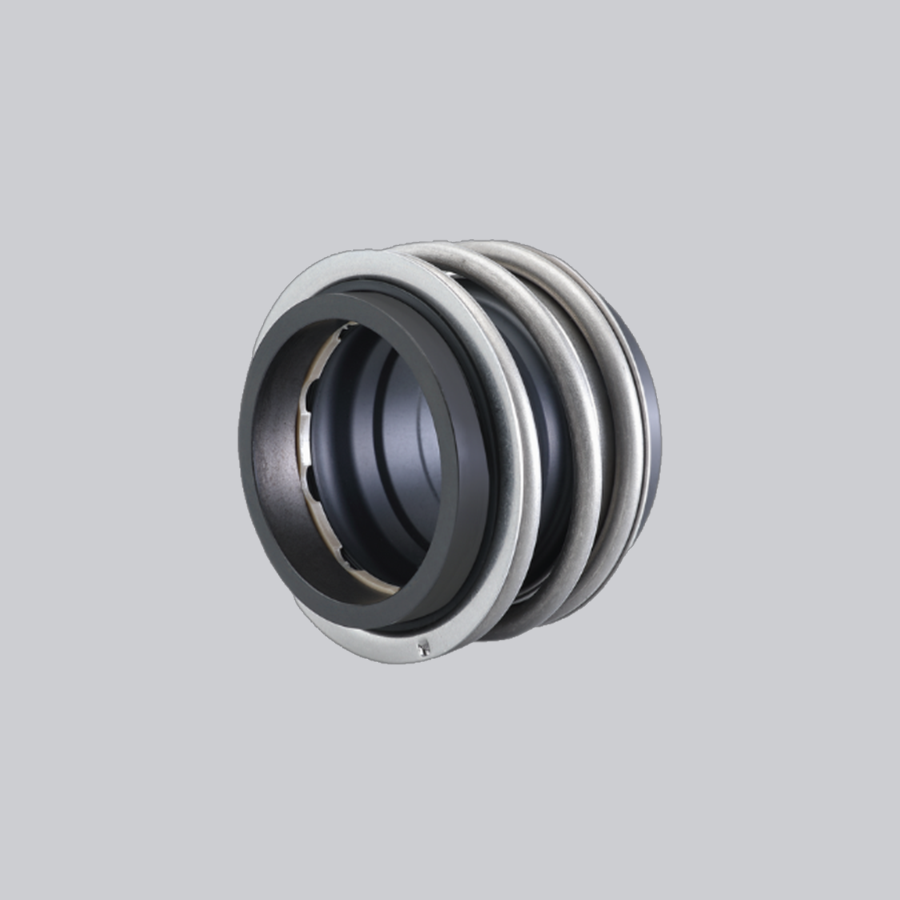


A cartridge seal is a self-contained, pre-assembled mechanical sealing unit that integrates all seal components — including the seal faces, springs, secondary seals, and gland plate — into a single, easy-to-install module. Unlike conventional mechanical seals that require precise, time-consuming assembly on-site, cartridge seals dramatically simplify installation, maintenance, and replacement, making them the preferred choice for industrial cartridge sealing applications worldwide.
The global mechanical seal market, with cartridge seals representing its fastest-growing segment, is projected to exceed USD 5.8 billion by 2028, driven by the accelerating demand from the chemical processing, oil & gas, water treatment, and pharmaceutical industries. Industrial cartridge sealing has become the gold standard for rotating equipment sealing due to its superior reliability, lower total cost of ownership, and compatibility with API and ISO standards.
Major industry players including EagleBurgmann, Flowserve, John Crane, and Chesterton have invested heavily in cartridge seal product lines. However, Asian manufacturers — particularly those based in China's Ningbo and Zhejiang manufacturing hubs — have emerged as highly competitive suppliers, offering OEM-equivalent quality at 10–30% lower cost. This shift has redefined global sourcing strategies for MRO (maintenance, repair, and operations) procurement teams worldwide.
The cartridge sealing industry is evolving rapidly, with several key trends reshaping product development and application:
In upstream and downstream oil & gas operations, cartridge seals are deployed in centrifugal pumps handling crude oil, refined fuels, and LPG. API 682 Category 2 and Category 3 double cartridge seals with barrier fluid systems are the regulatory baseline, preventing volatile organic compound (VOC) emissions. The demand for corrosion-resistant materials such as Hastelloy C276 and PTFE secondary seals has surged with the processing of increasingly aggressive crude grades.
Chemical plants handling acids, solvents, and reactive compounds rely on balanced single or double cartridge seals to maintain process containment. In pharmaceutical manufacturing, polished stainless steel cartridge seals with FDA-compliant elastomers (EPDM, PTFE) are mandatory for CIP (clean-in-place) and SIP (sterilize-in-place) pump applications. The pharmaceutical sector has seen a 15% annual growth in cartridge seal adoption driven by global GMP regulatory requirements.
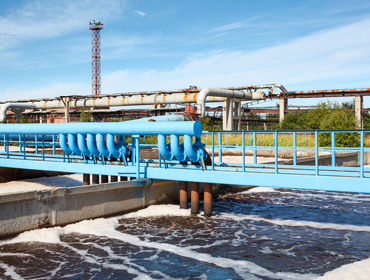
Municipal water treatment facilities and industrial wastewater systems operate large fleets of centrifugal and submersible pumps. Rubber bellow and single spring cartridge seals compatible with Grundfos, Flygt, and Grindex pump platforms are widely deployed. The push for 25-year infrastructure lifecycles is driving adoption of silicon carbide face cartridge seals, which demonstrate 3–5x longer service life compared to conventional ceramic/carbon face seals.
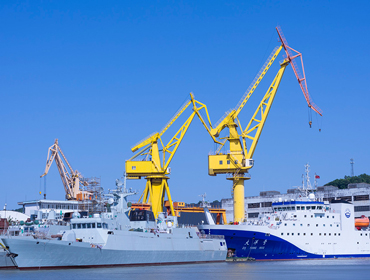
Naval and commercial shipping applications demand cartridge seals capable of withstanding seawater, vibration, and variable pressure conditions. OEM cartridge seals for Taiko Kikai, Naniwa, and similar marine pump brands are engineered with bronze gland plates and specialized elastomer secondary seals. The global merchant fleet expansion and increasing LNG carrier construction are driving sustained demand for marine-grade cartridge sealing solutions.
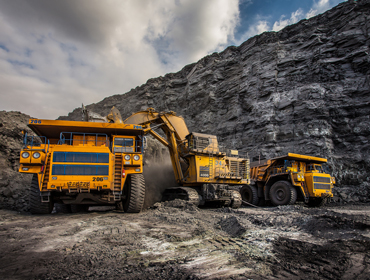
Mining operations present the most demanding sealing environment: abrasive slurries, variable pH, and high solids content. Heavy-duty cartridge seals featuring Tungsten Carbide vs. Silicon Carbide face combinations and hard-metal sleeves are engineered specifically for slurry pump applications. The transition from gland packing to cartridge mechanical seals in mining is projected to accelerate, reducing water consumption and eliminating contamination risks in environmental compliance programs.
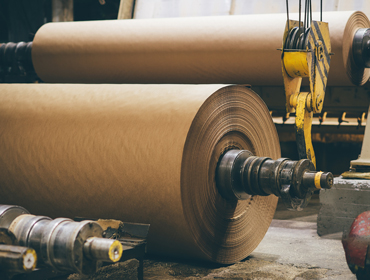
Food-grade cartridge seals comply with EHEDG and 3-A Sanitary Standards, featuring crevice-free designs and NSF-approved materials. In pulp and paper mills, fiber-laden process fluids challenge conventional seals; cartridge designs with flush ports and external seal support systems dramatically extend mean time between replacements (MTBR) in these high-cycle, high-solids environments.
Ningbo Victor Seals Co., Ltd was founded in 1998, located in Ningbo, Zhejiang Province, China. Our factory covers an area of 3800 square meters with a construction area of 3000 square meters, employing a team of more than 40 professionals dedicated to mechanical seal manufacturing.
Our brand "Victor" has been registered in more than 30 countries worldwide. Our main products include the complete sets of mechanical seals: cartridge seals, rubber bellow seals, metal bellow seals, and O-ring seals, designed for diverse working conditions. We also provide OEM mechanical seals engineered to customer-specific requirements.
We produce precision components in Silicon Carbide, Tungsten Carbide, Ceramic, and Carbon for seal rings, bushings, and thrust discs. Products are designed to international standards: DIN24960, EN12756, ISO3069, API610, API682, and GB6556-94.
Our products are widely used in petroleum, chemical industry, power plants, machinery, metallurgy, shipbuilding, sewage treatment, printing & dyeing, food industry, pharmacy, automobile, and many more sectors globally.