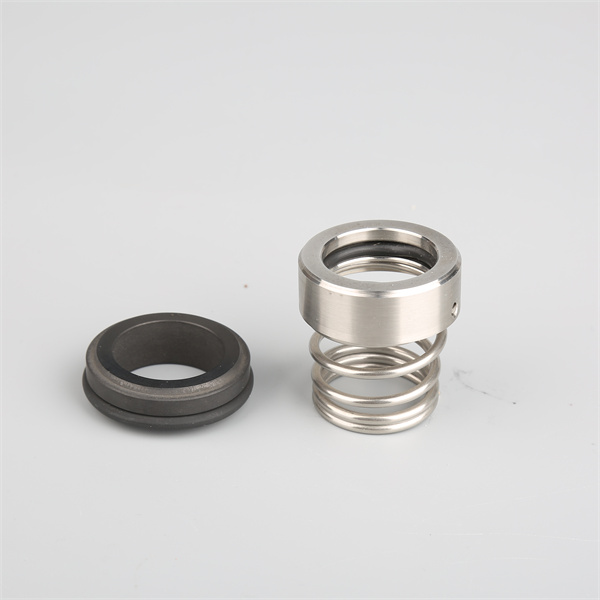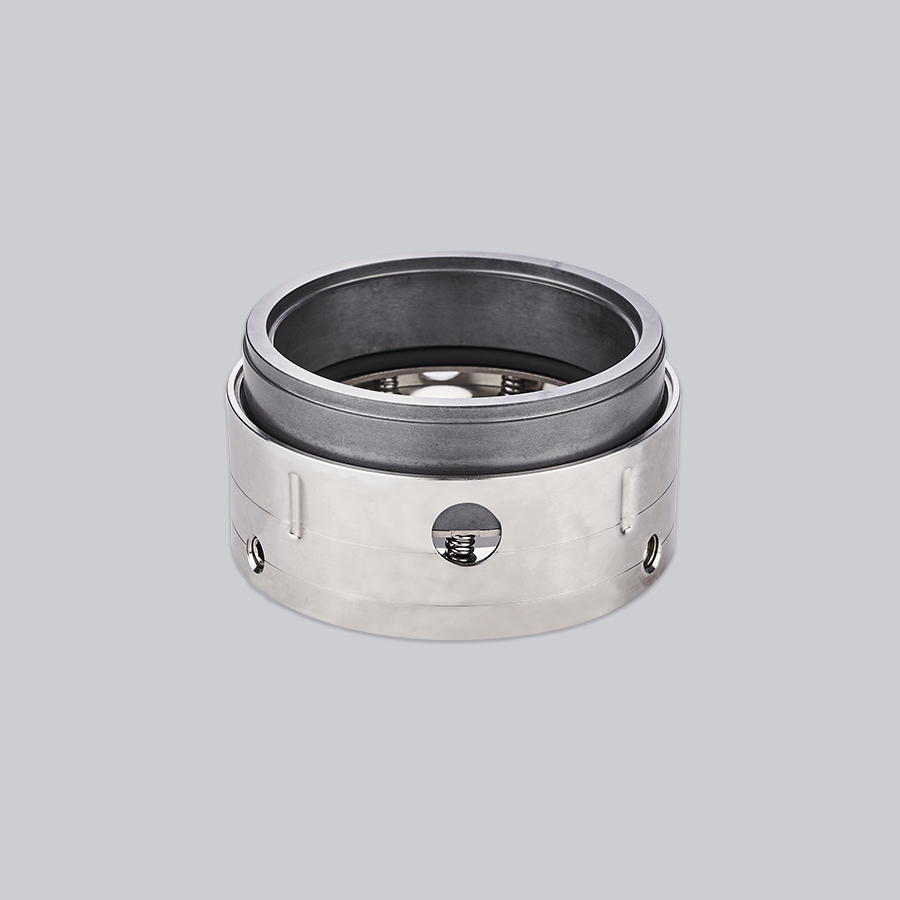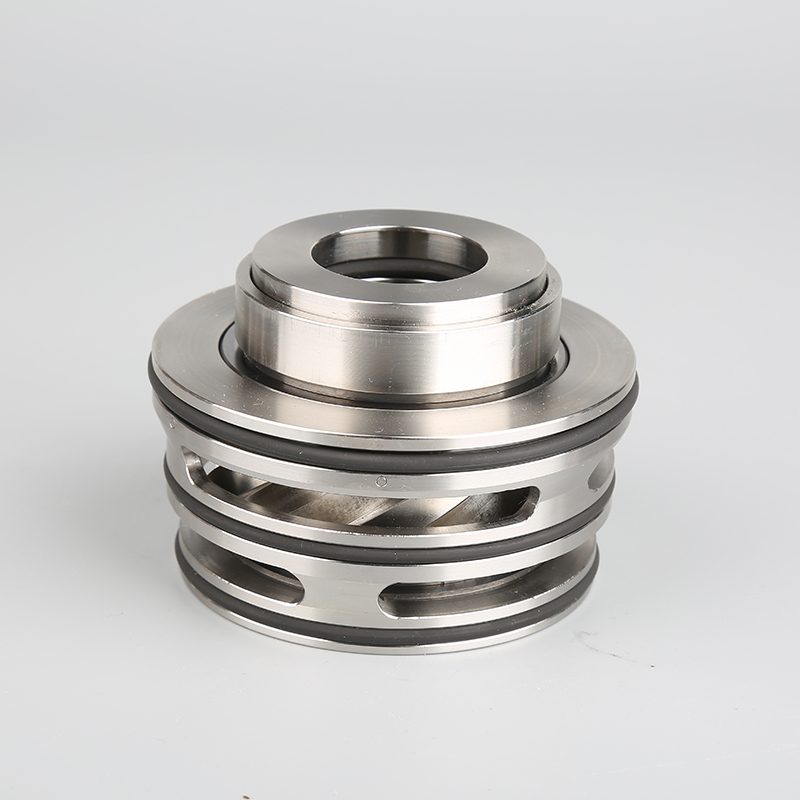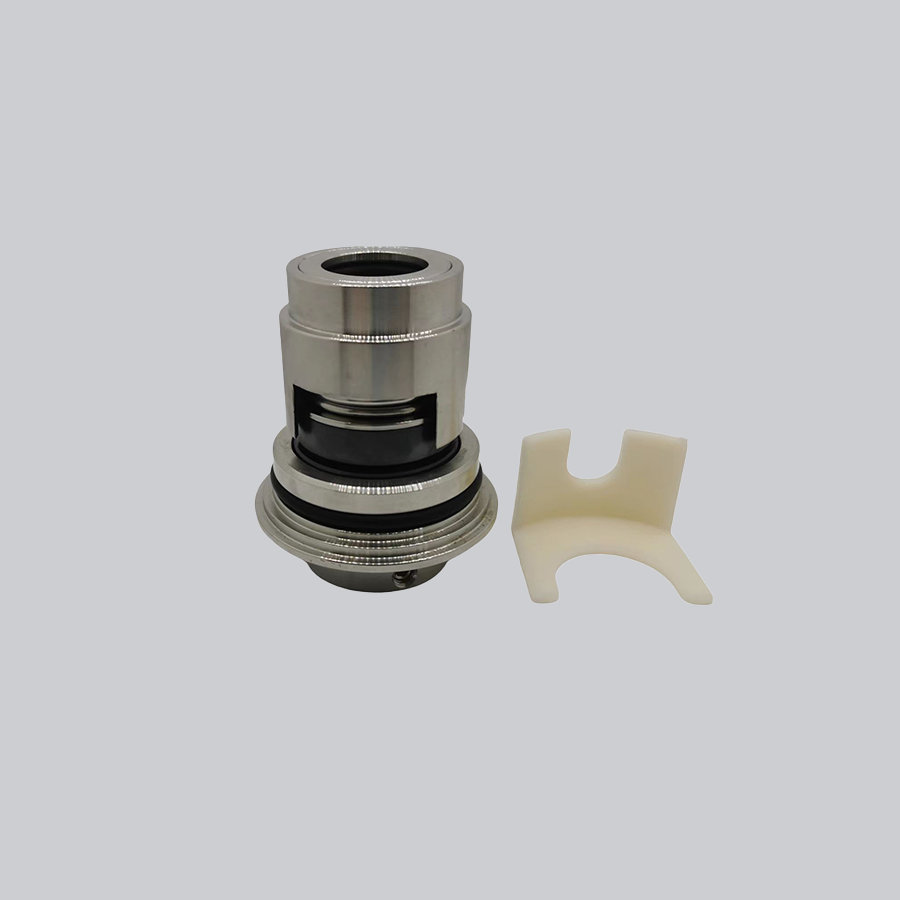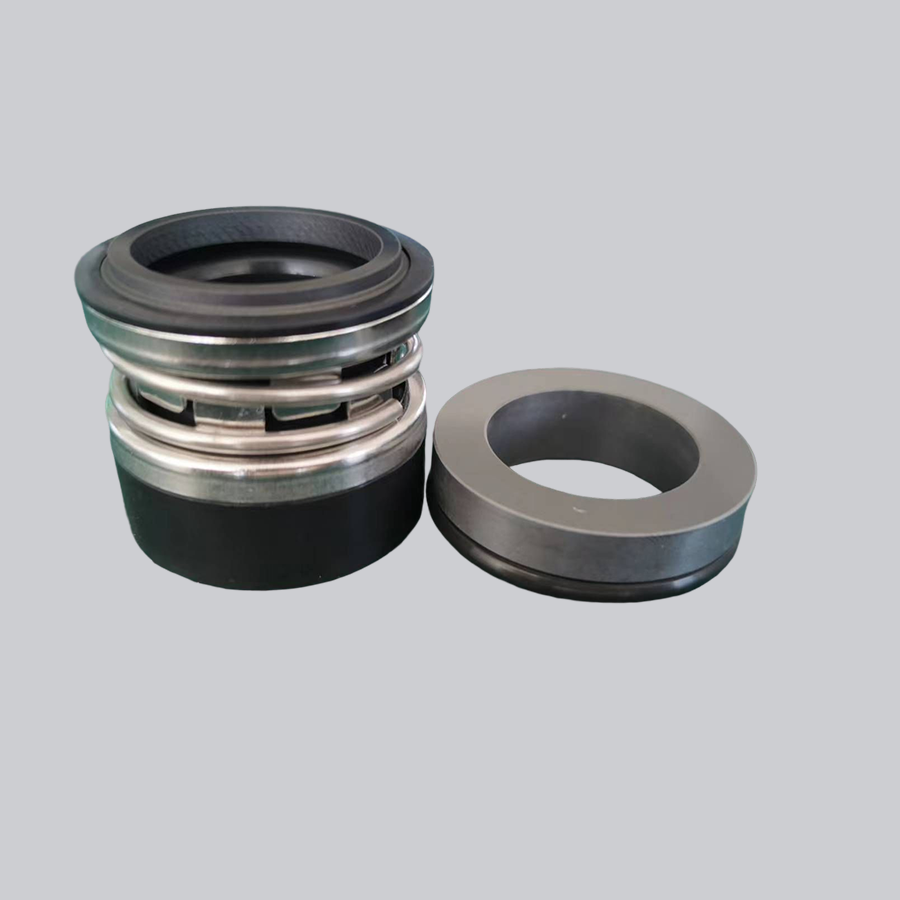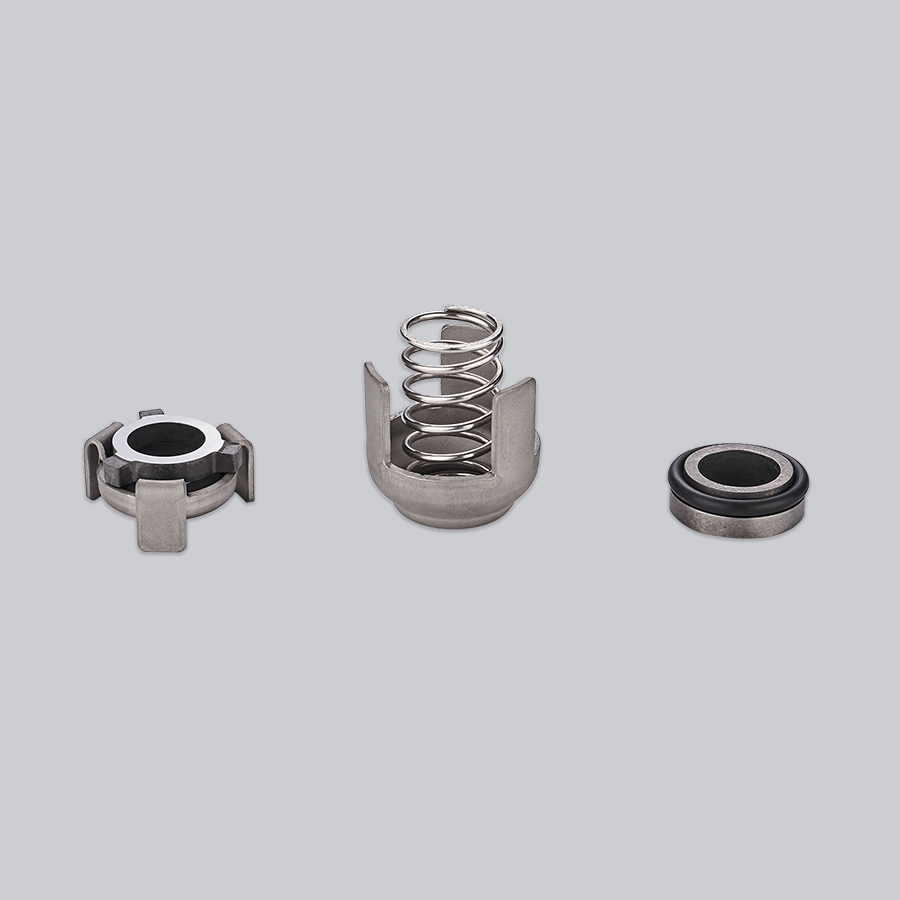


In modern fluid processing operations, the selection of shaft sealing systems remains a critical determinant of system longevity, operational safety, and process purity. The Apv Pump Seal For Industrial Cartridge Sealing represents a pinnacle of engineered sealing technology, specifically designed to address the rigorous demands of sanitary, chemical, and heavy industrial applications. As industrial systems migrate toward zero-tolerance leakage environments, cartridge seals have emerged as the standard configuration for rotary pumps, ensuring consistent performance under fluctuating pressures, high rotational speeds, and aggressive chemical clean-in-place (CIP) regimens.
Ningbo Victor Seals Co., Ltd., leveraging over 20 years of manufacturing excellence, has engineered a comprehensive range of replacement seals and OEM-standard sealing systems that directly align with the mechanical requirements of APV pumps. By replacing component-style seals with unified cartridge configurations, industrial facilities can drastically reduce installation errors, eliminate shaft wear, and achieve a robust barrier that prevents external contamination and hazardous emissions.
Designed to meet strict sanitary guidelines, minimizing product entrapment zones in food, beverage, and dairy processing applications.
Cartridge designs are factory-assembled and pressure-tested, eliminating axial alignment mistakes commonly made during field installation.
Constructed with premium Silicon Carbide, Tungsten Carbide, and high-performance elastomers to resist corrosive media and thermal shock.
The global market for industrial pump seals is undergoing a rapid evolution. Industrial operators are no longer content with standard packing or basic component seals that require frequent adjustments and cause localized shaft damage. Today, the focus is squarely on reducing the Total Cost of Ownership (TCO) and maximizing Mean Time Between Failures (MTBF). In this context, the Apv Pump Seal For Industrial Cartridge Sealing has transitioned from a premium upgrade to a baseline requirement across key process sectors.
From a commercial perspective, fluid leakage is not merely a maintenance issue; it represents product loss, environmental compliance risks, and potential safety hazards. Industries such as pharmaceutical manufacturing and food processing are governed by strict regulatory frameworks (including FDA, 3-A, and EHEDG standards). A single seal failure can contaminate an entire batch, leading to millions of dollars in losses. Consequently, the demand for reliable cartridge seals that offer predictable wear patterns and easy replacement has surged. Cartridge seals enclose all critical components—such as the seal faces, springs, and shaft sleeve—into a single unit, protecting the internal components from dirt, debris, and mechanical misalignment during installation.
Understanding the specific operating environments where APV pump seals excel is crucial for selecting the correct seal face combination and elastomer profiles. Below, we analyze three primary industrial scenarios where these cartridge seals play a vital role:
In sanitary processing, the primary challenge is maintaining microbiological purity while handling highly viscous or sticky fluids such as milk concentrates, syrups, and yeast slurries. Standard component seals often feature exposed springs or dynamic O-rings that can trap product residue, creating breeding grounds for bacteria. The APV-compatible cartridge seal solves this by utilizing smooth-profile designs with flushed stationary seats. Dynamic elastomers are positioned away from the product zone, and the entire assembly is compatible with aggressive Clean-in-Place (CIP) chemicals (such as nitric acid and sodium hydroxide) and high-temperature Steam-in-Place (SIP) sterilization. This ensures that the seal remains hygienic throughout its operating life without requiring daily manual tear-downs.
Chemical plants handle fluids that are highly corrosive, toxic, or prone to crystallization upon contact with the atmosphere. In these environments, single mechanical seals may not provide sufficient protection. Cartridge seals configured as double-balanced systems offer an additional layer of security. By introducing a barrier fluid between the inner and outer seals, the process fluid is completely isolated from the atmosphere. Using advanced seal face materials like reaction-bonded Silicon Carbide (SiC) or sintered Silicon Carbide against premium carbon composites ensures that the faces can withstand dry-running conditions during system start-ups and resist chemical erosion from acids, solvents, and hydrocarbons.
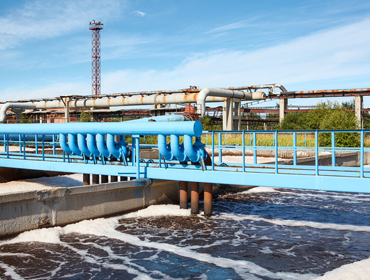
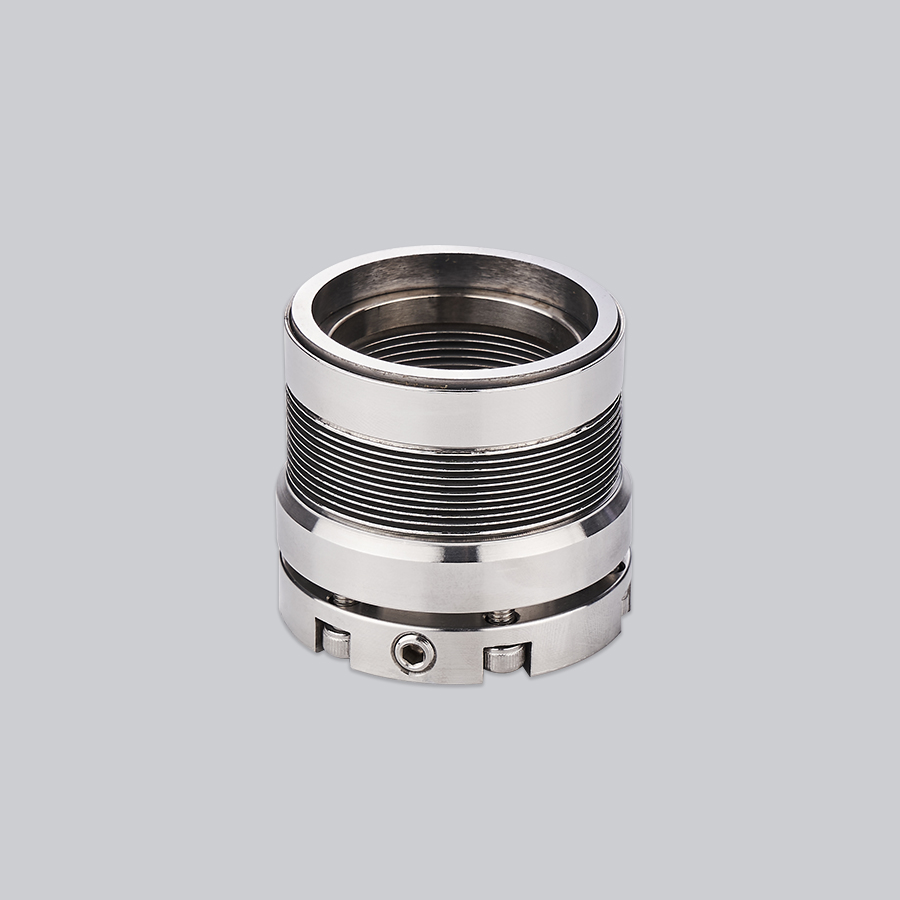
Pumping abrasive slurries, sewage, and media containing suspended solids presents a severe challenge to seal face integrity. Abrasive particles can easily migrate between seal faces, causing rapid wear and premature failure. APV cartridge seals designed for these applications incorporate heavy-duty metal bellows or multi-spring configurations protected from the slurry flow. The cartridge design allows for the integration of environmental controls, such as API plan flushes, which keep the seal faces cool and clean by continuously washing away abrasive particles.
As the industrial sector transitions toward Industry 4.0, fluid sealing technology is keeping pace. The future of cartridge sealing lies in smart monitoring and materials science. We are witnessing the integration of IoT sensors directly into cartridge seal glands. These sensors monitor real-time variables such as seal chamber temperature, pressure fluctuations, and vibration patterns. By analyzing this data, predictive maintenance algorithms can alert operators to potential seal failures weeks before they occur, preventing catastrophic shutdowns.
Simultaneously, environmental regulations regarding water conservation are driving changes in seal support systems. Traditional double mechanical seals require a continuous flow of water to flush the seal faces. Modern cartridge sealing systems are designed to operate with closed-loop thermosiphon systems or gas-barrier technology (using nitrogen), drastically reducing water consumption and aligning processing plants with global sustainability goals.
Ningbo Victor Seals Co., Ltd was founded in 1998, more than 20 years ago, located in Ningbo, Zhejiang province. Our factory covers an area of 3800 square meters and the construction area is 3000 square meters, currently employing more than 40 highly skilled professionals. We are recognized as a leading, professional mechanical seals manufacturer in China.
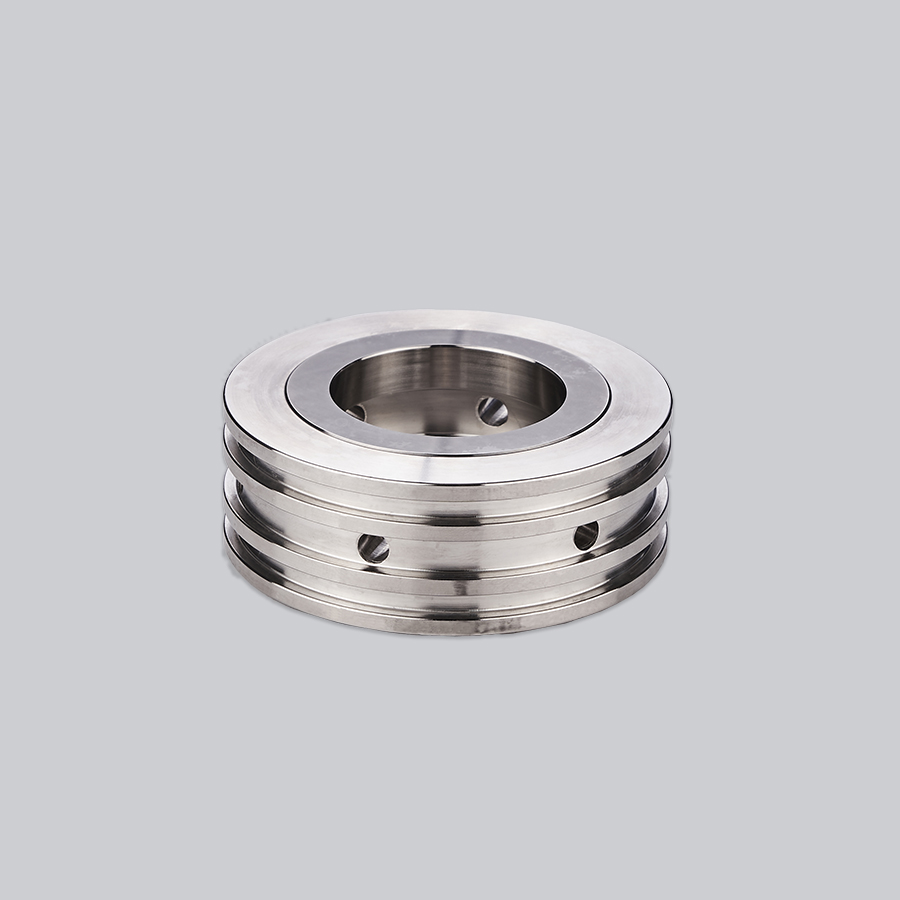
Our registered brand "Victor" has been established globally in more than 30 countries. Our primary product portfolio consists of complete sets of mechanical seals, including cartridge seals, rubber bellow seals, metal bellow seals, and o-ring seals, engineered to perform under diverse and demanding working conditions. In addition to our standardized catalog, we provide high-precision OEM mechanical seals tailored to unique operational parameters based on client requirements. We also manufacture premium-grade spare parts using materials such as Silicon Carbide, Tungsten Carbide, Ceramic, and Carbon for seal rings, bushings, and thrust discs.
All our products are designed and manufactured in strict compliance with international standards, including DIN24960, EN12756, ISO3069, API610, API682, and GB6556-94. Our sealing solutions are widely implemented in petroleum, chemical processing, power generation, metallurgy, shipbuilding, sewage treatment, textile printing, food processing, pharmaceuticals, automotive engineering, and beyond.
At Ningbo Victor Seals Co., Ltd, we complement our manufacturing capabilities with comprehensive engineering services to ensure our clients achieve optimal fluid containment:
Partnering with Ningbo Victor Seals Co., Ltd guarantees reliable performance, cost efficiency, and expert technical support:
Our cartridge seals and mechanical sealing solutions are trusted across global industries to handle critical fluid containment challenges: