


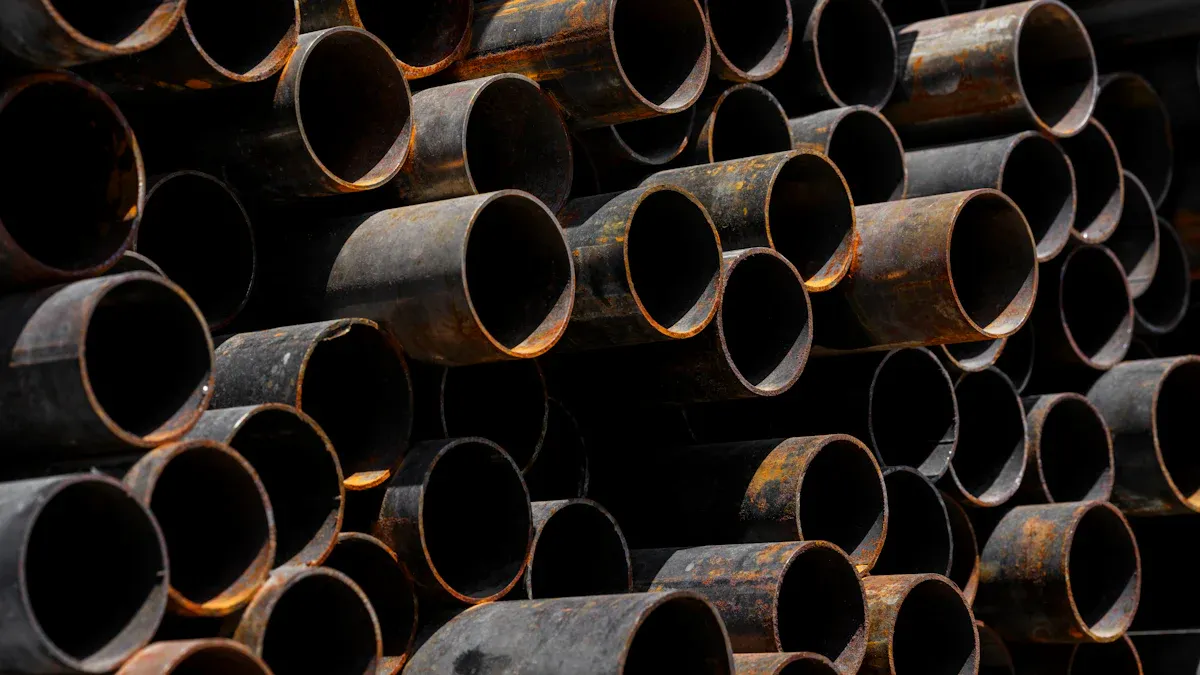
Choosing the right seal face materials for corrosive environments is crucial for maintaining operational efficiency. Seal face materials must resist wear, corrosion, and chemical attack. The selection impacts not only the lifespan of mechanical seals but also their performance in demanding conditions. For example, Silicon Carbide (SIC) offers excellent hardness and thermal conductivity, making it suitable for high-speed applications. When comparing SSIC vs RBSIC properties, it’s important to consider their unique advantages in specific applications. Understanding the chemical resistance of seal materials helps ensure compatibility with pumped fluids and resistance to environmental aggressions. Additionally, the ceramic seal ring benefits include enhanced durability and resistance to wear, making them a preferred choice in many industries. A common question arises: Is SIC better than TC for seals? The answer often depends on the specific application and operating conditions.
Key Takeaways
- Select Silicon Carbide (SIC) for its exceptional hardness and chemical resistance in harsh environments.
- Consider Tungsten Carbide (TC) for its excellent wear resistance, especially in applications with abrasive fluids.
- Use Carbon materials in less demanding applications where cost-effectiveness and good chemical resistance are needed.
- Evaluate chemical compatibility and operating temperature to ensure optimal performance and longevity of seal face materials.
- Regular maintenance and inspections are essential to prevent seal failure and enhance operational efficiency.
Understanding Seal Face Materials
Seal face materials play a vital role in the performance and longevity of mechanical seals. These materials must withstand harsh conditions, including high temperatures, pressures, and corrosive environments. Understanding the properties of different seal face materials helps engineers and maintenance professionals make informed decisions.
- Durability: Seal face materials must resist wear and tear. Harder materials typically offer better durability, which is crucial in applications with high friction.
- Chemical Resistance: The ability to resist chemical attack is essential. Seal face materials should be compatible with the fluids they encounter to prevent degradation.
- Thermal Conductivity: Good thermal conductivity helps dissipate heat generated during operation. This property is particularly important in high-speed applications.
Common seal face materials include Silicon Carbide (SIC), Tungsten Carbide (TC), and Carbon. Each material has unique characteristics that make it suitable for specific applications. For instance, SIC is known for its hardness and thermal stability, making it ideal for high-performance environments. In contrast, TC offers excellent wear resistance and is often used in applications involving abrasive fluids. Carbon, while less durable than SIC and TC, provides good chemical resistance and is often employed in less demanding conditions.
Selecting the right seal face material involves evaluating the operational environment and the specific requirements of the application. By understanding the properties of these materials, professionals can enhance the reliability and efficiency of their sealing solutions.
Silicon Carbide (SIC) Seal Face Materials
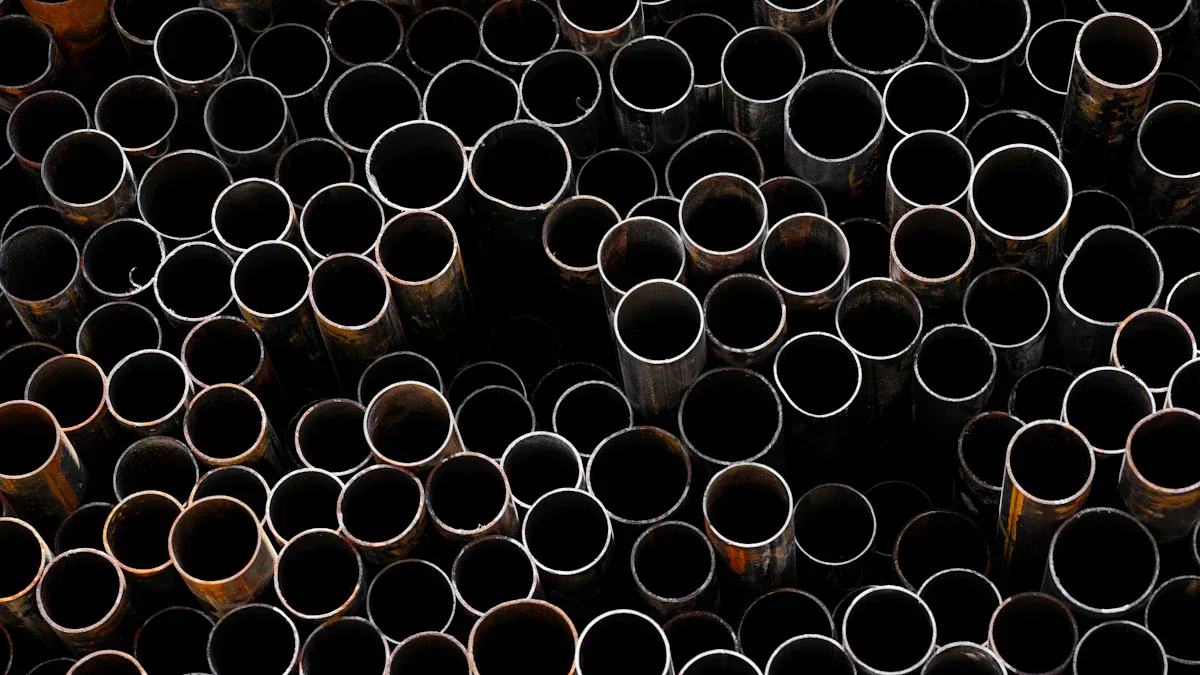
Silicon Carbide (SIC) is a highly regarded material for seal faces, particularly in corrosive environments. Its unique properties make it an excellent choice for various applications. Below are some key characteristics that highlight why SIC is favored in demanding conditions:
| Property | Description |
|---|---|
| Hardness | Exceptional hardness, making it resistant to wear and abrasion. |
| Thermal Conductivity | High thermal conductivity, suitable for extreme temperature applications. |
| Chemical Inertness | Chemically inert, resists chemical attacks and corrosion. |
| Resistance to Wear | High resistance to wear, ideal for abrasive fluids or slurries. |
| Thermal Stability | Performs well in extreme temperatures, up to 1,800°C. |
SIC’s hardness, rated between 9 and 9.5 on the Mohs scale, contributes significantly to its wear resistance. This high hardness translates to a wear resistance increase of over 40% in abrasive media, making SIC an ideal choice for applications involving harsh conditions.
In terms of corrosion resistance, SIC excels in both acidic and alkaline environments. The following table illustrates its performance compared to other common seal face materials:
| Material | Corrosion Resistance in Acidic Environments | Corrosion Resistance in Alkaline Environments |
|---|---|---|
| Silicon Carbide | Excellent | Excellent |
| Tungsten Carbide | Limited | Limited |
SIC’s chemically inert nature allows it to perform well in aggressive fluids, making it a preferred option in many industrial applications. However, it is essential to consider both the advantages and disadvantages of using SIC as a seal face material:
| Advantages | Disadvantages |
|---|---|
| Excellent abrasion and wear resistance | Brittleness |
| Low coefficient of friction | Susceptibility to chipping and fracture |
| High hardness | Limitations in chemical resistance due to free silicon |
| Good chemical resistance (especially sintered) |
It is important to note that reaction bonded silicon carbide contains 8-12% free silicon, which can limit its chemical resistance. Therefore, it is not recommended for use in environments with strong acids or bases, particularly in pH levels below 4 or above 11.
Tungsten Carbide (TC) Seal Face Materials
Tungsten Carbide (TC) is a widely used material for seal faces, particularly in environments that demand high durability and resistance to wear. Its unique properties make it suitable for various industrial applications. Below are some key characteristics that define TC’s performance as a seal face material:
| Property | Tungsten Carbide | Carbon | Silicon Carbide |
|---|---|---|---|
| Hardness | Very high | Low | Extremely high |
| Wear Resistance | Excellent | Moderate | Excellent |
| Corrosion Resistance | Good | Good | Superior |
| Shock Resistance | High | Moderate | Lower |
TC boasts a hardness rating of 8–9 on the Mohs scale, providing significant resistance against abrasion from particles and solids in liquids. This high hardness enhances the durability of TC in seal applications, allowing it to withstand mechanical stress and corrosion effectively.
In terms of corrosion resistance, TC performs well under various conditions. It maintains its structural integrity even when exposed to water, including saltwater. A stable oxide layer forms on its surface when exposed to air or moisture, acting as a barrier against further oxidation. However, certain conditions can lead to corrosion:
- Strong acids like hydrochloric acid and sulfuric acid can cause cobalt, a common binder in TC, to form soluble salts, leading to corrosion.
- High-chloride environments, such as seawater, can trigger corrosion due to the reaction of chloride ions with cobalt.
Despite these challenges, TC shows remarkable chemical stability against most acids and alkalis, making it suitable for harsh environments. Its corrosion behavior improves in environments with a pH level above 9, although prolonged exposure to strong acids or alkalis can lead to degradation over time.
The primary benefits of using TC as a seal face material include:
- High hardness and excellent wear resistance, making it durable in demanding environments.
- Good thermal conductivity, which helps mitigate overheating risks in high-temperature applications.
- Corrosion resistance that enhances longevity in corrosive settings.
However, TC does have limitations. Its cost can be a drawback, and it may exhibit brittleness under certain conditions.
Industries commonly utilizing TC include:
- Pumps: Used in water, chemical, oil, and slurry pumps for wear resistance.
- Compressors: Essential for maintaining tight seals under high pressures in industrial gas systems.
- Mining Equipment: Provides long-term durability for slurry and abrasive fluid pumps.
- Oil & Gas Drilling: Withstands high pressures, heat, and abrasive drilling fluids.
- Chemical Processing: Offers corrosion resistance for acids, alkalis, and solvents.
- HVAC & Wastewater Pumps: Reduces maintenance frequency and prevents leakage in harsh environments.
Carbon Seal Face Materials
Carbon seal face materials serve as a viable option in various sealing applications, particularly in corrosive environments. Their unique properties make them suitable for specific conditions, although they may not match the performance of Silicon Carbide (SIC) or Tungsten Carbide (TC) in all aspects. Below are some key characteristics of carbon seal face materials:
| Property | Description |
|---|---|
| Wear Resistance | Moderate wear resistance compared to SIC and TC. |
| Corrosion Resistance | Good resistance to many chemicals, but less effective in extreme conditions. |
| Thermal Stability | Performs adequately under moderate temperature ranges. |
| Cost-Effectiveness | Generally more affordable than SIC and TC, making it a budget-friendly option. |
Carbon materials exhibit moderate wear resistance, which can be sufficient for less demanding applications. However, they do not outperform SIC or TC in abrasive environments. For instance, a comparison of wear resistance reveals that:
| Material | Wear Resistance | Corrosion Resistance |
|---|---|---|
| Silicon Carbide | Superior | Excellent |
| Tungsten Carbide | Excellent | Good |
| Carbon | Moderate | Good |
Despite their limitations, carbon seal face materials find application in various industries. They are particularly effective in environments where chemical resistance is essential but where extreme wear is not a primary concern. Common failure modes for carbon seals include:
- Blistering: This occurs in high-viscosity fluids, leading to leakage.
- Stress Corrosion: Cracking can happen under stress in corrosive environments.
- Abrasion: High-speed movement can exacerbate wear.
- Gap Corrosion: Stagnant media can accelerate corrosion between components.
- Oxidation and Coking: This results in rapid wear due to varnish or sludge formation.
To mitigate these issues, proper material selection and maintenance practices are crucial. For example, reducing fluid viscosity can help prevent blistering, while regular inspections can identify signs of stress corrosion early.
Comparison of SIC, TC, and Carbon Seal Face Materials
When selecting seal face materials, professionals must consider various factors, including cost, performance, and durability. Below is a comparison of Silicon Carbide (SIC), Tungsten Carbide (TC), and Carbon based on key attributes.
Cost Considerations
| Material | Initial Cost | Long-term Operational Expenses |
|---|---|---|
| Tungsten Carbide | Higher | Considered for superior wear-resistance |
| Silicon Carbide | Lower | More economical in the long run |
Tungsten Carbide often presents a higher initial cost but offers excellent wear resistance, making it a viable option for demanding applications. In contrast, Silicon Carbide may have a higher upfront cost but can lead to savings over time due to its longer service life.
Friction Coefficients
| Material | Friction Coefficient | Efficiency Impact |
|---|---|---|
| Silicon Carbide (SiC) | 0.02–0.1 | Lower energy loss & improved dry-running |
| Tungsten Carbide (TC) | 0.08–0.15+ | Higher, thus requires better lubrication |
Silicon Carbide exhibits a lower friction coefficient, which translates to reduced energy loss and improved efficiency in applications. Tungsten Carbide, while effective, requires more lubrication due to its higher friction coefficient.
Lifespan in Corrosive Environments
- Field tests indicated that silicon carbide seals operated for 15,623 hours with significantly reduced leakage rates (900-1200 cc/hour).
- In applications using low conductive feed water, silicon and tungsten carbide materials experienced severe edge chipping and crater damage, while carbon graphite seals showed considerable loss of binder material, leading to uncontrolled radial flow channels.
SIC demonstrates superior longevity in corrosive environments, outperforming both TC and Carbon in terms of lifespan and reliability.
Thermal Conductivity
- Silicon Carbide (SiC) has a thermal conductivity of 116 W/mK, significantly higher than that of stainless steel.
- SiC’s high thermal conductivity enhances its performance in high-temperature corrosive environments, allowing it to withstand extreme conditions.
- Tungsten Carbide (TC) has moderate thermal conductivity, which may limit its effectiveness in similar environments compared to SiC.
The thermal properties of these materials play a crucial role in their performance, especially in high-temperature applications.
Factors to Consider When Choosing Seal Face Materials
Selecting the appropriate seal face materials for corrosive environments requires careful consideration of several critical factors. These factors ensure optimal performance and longevity of the seals in demanding conditions.
- Chemical Compatibility: Understanding the chemical nature of the medium being sealed is essential. Incompatible materials can degrade quickly, leading to seal failure. For instance, materials resistant to aggressive chemicals like acids and solvents include PTFE and ceramic coatings.
- Material Durability: The durability of the seal face material significantly impacts its performance. Stainless steel and Hastelloy are excellent choices for preventing corrosion in harsh environments.
- Operating Temperature: The temperature limits of different materials play a crucial role in their suitability. For example, carbon can withstand temperatures up to 200°C, while Silicon Carbide and Tungsten Carbide can handle temperatures between 300°C and 400°C.
- Quality Indicator: Choosing reputable manufacturers ensures material traceability and access to test reports. This practice helps verify the quality and reliability of the seal face materials.
- Maintenance Requirements: Regular maintenance is vital for ensuring the longevity of seal face materials. Carbon-graphite blends, known for their chemical inertness, require less frequent maintenance. However, inspections every 3–6 months are advisable for continuous operation.
- Industry Standards: Adhering to industry standards and guidelines is crucial. Different sectors, such as food and beverage or pharmaceuticals, have specific requirements that must be met. For example, FDA regulations apply to food-related applications, while API standards govern oil and gas industries.
By considering these factors, professionals can make informed decisions when selecting seal face materials. This approach minimizes the risk of seal failure and enhances operational efficiency in corrosive environments.
In summary, selecting the right seal face materials is essential for optimal performance in corrosive environments. Silicon Carbide (SIC) offers extreme hardness and excellent wear resistance, making it ideal for chemical processing and power generation. Tungsten Carbide (TC) provides toughness and impact resistance, suitable for oil and gas applications. Carbon materials, while cost-effective, are best for less demanding environments like HVAC and food processing.
Recommendations:
- Use SIC for severe service pumps in petrochemical industries.
- Choose TC for wastewater treatment and slurry pumps.
- Opt for Carbon in applications where chemical resistance is necessary but wear is minimal.
Making informed choices about seal face materials can significantly reduce downtime and maintenance costs, enhancing operational efficiency.
FAQ
What is the best seal face material for corrosive environments?
Silicon Carbide (SIC) is often the best choice due to its exceptional hardness and chemical resistance. It performs well in both acidic and alkaline conditions, making it suitable for various industrial applications.
How does Tungsten Carbide compare to Silicon Carbide?
Tungsten Carbide (TC) offers excellent wear resistance and durability. However, it may not match SIC’s corrosion resistance in highly aggressive environments. TC is ideal for applications involving abrasive fluids.
Are Carbon seal face materials effective in corrosive environments?
Carbon seal face materials provide good chemical resistance but have moderate wear resistance. They are best suited for less demanding applications where extreme wear is not a primary concern.
What factors influence the lifespan of seal face materials?
Key factors include chemical compatibility, operating temperature, and material durability. Proper selection based on these factors can significantly enhance the lifespan of seal face materials in corrosive environments.
How can I ensure the best performance from seal face materials?
Regular maintenance and inspections are crucial. Understanding the specific application requirements and adhering to industry standards will help optimize the performance and longevity of seal face materials.
Post time: May-14-2026