


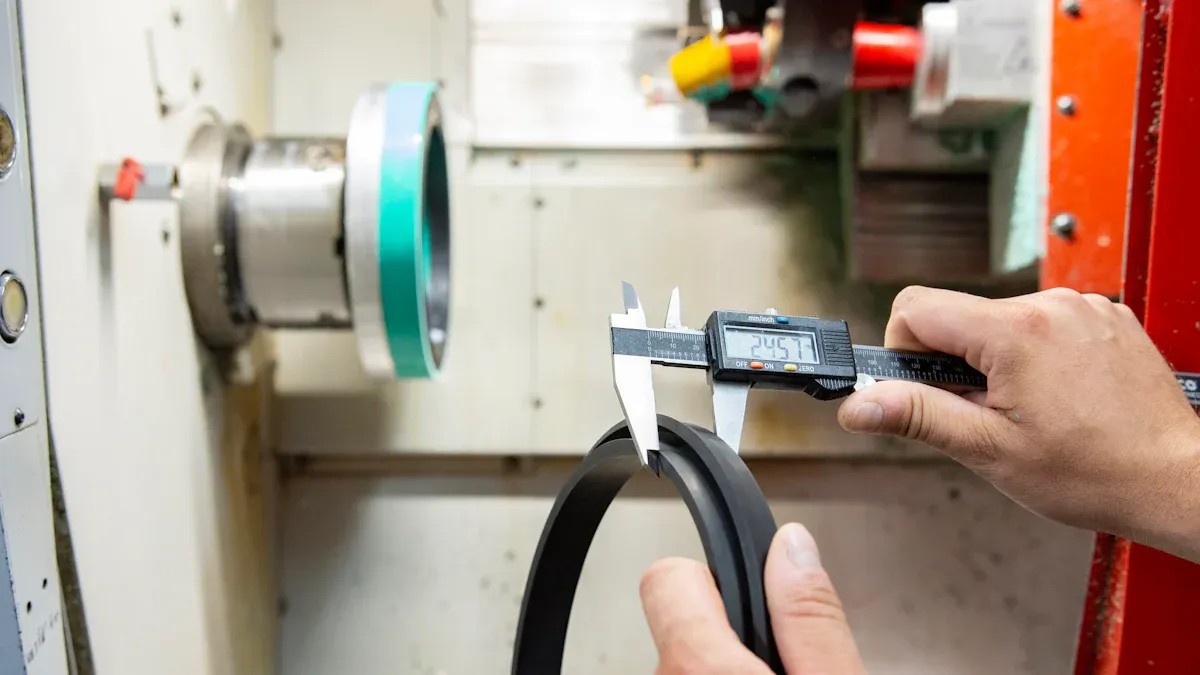
Mechanical seals play a crucial role in equipment reliability, as they are responsible for 60-80% of pump failures. Understanding the common causes of mechanical seal failure, including seal leakage causes, is essential for effective prevention. Seal leakage can lead to significant operational costs and maintenance challenges, prompting the need for thorough pump seal maintenance. Additionally, failures may create safety hazards and environmental compliance issues. To address concerns such as heat checking in mechanical seals, companies must prioritize strategies on how to extend mechanical seal life. By doing so, they can mitigate the reasons why do mechanical seals leak and ensure safety standards are met.
Key Takeaways
- Proper installation is crucial. Follow guidelines to avoid leaks and ensure seal integrity.
- Choose materials wisely. Ensure compatibility with fluids to prevent premature seal failure.
- Monitor operating conditions. Control temperature and pressure to enhance seal performance.
- Regular maintenance is key. Schedule checks and replace worn parts to extend seal life.
- Address contamination risks. Implement filtration systems to keep seals clean and functional.
Improper Installation
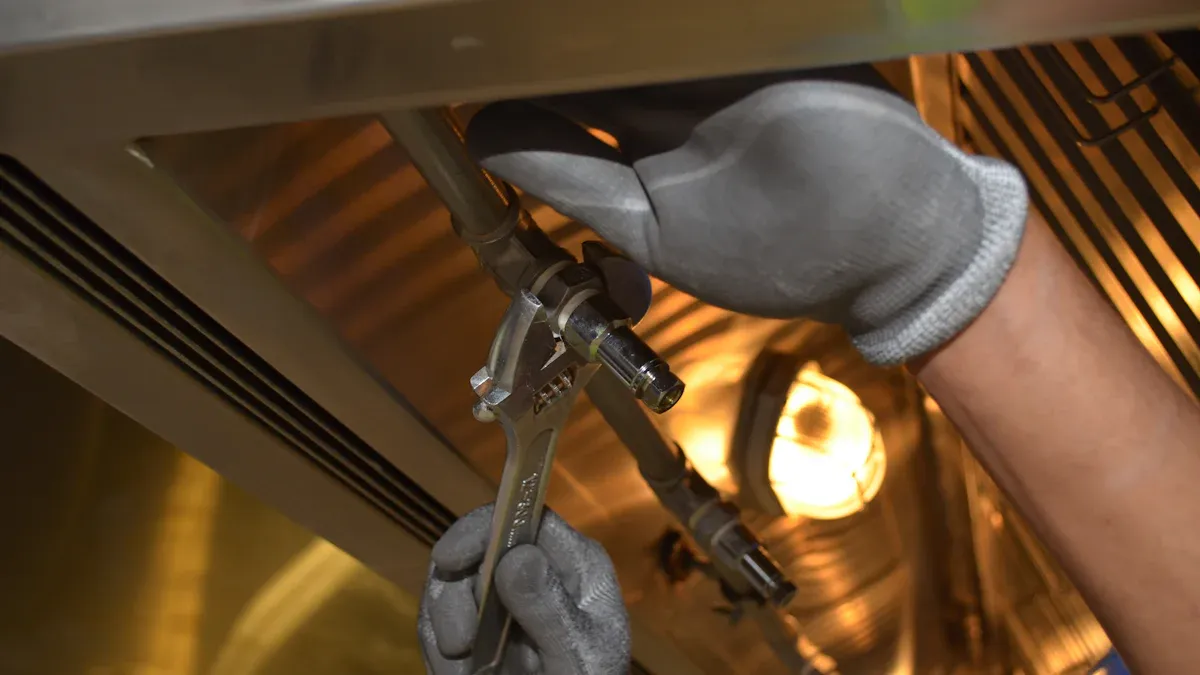
Improper installation is a leading cause of mechanical seal failure. Many technicians overlook critical steps during the installation process, which can lead to significant issues. Common installation errors include:
- Improper assembly and alignment
- Uneven compression of the seal
- Incorrect lubrication practices
- Forgetting to tighten set screws
- Damaging the seal faces during handling
These mistakes can compromise the seal’s integrity, resulting in leaks and operational inefficiencies. To prevent these issues, technicians should follow industry guidelines closely. Recommended practices include:
- Inspect the pump shaft for alignment and surface quality.
- Clean the seal chamber thoroughly to remove debris.
- Lubricate elastomer components with compatible fluids.
- Position stationary seal elements and ensure O-rings are seated correctly.
- Install the rotating assembly while maintaining proper face contact.
- Conduct initial leak tests before full operational status.
Training programs for technicians can significantly reduce installation errors. Staff should receive education on proper installation techniques and the importance of following manufacturer instructions. Many seal failures occur due to incorrect installation, emphasizing the need for thorough training and adherence to guidelines.
By prioritizing proper installation practices, companies can enhance the reliability of their mechanical seals and reduce the risk of failure. This proactive approach not only improves operational efficiency but also minimizes maintenance costs associated with seal replacements.
Material Compatibility Issues
Material compatibility plays a vital role in the performance and longevity of mechanical seals. When selecting materials for seals, technicians must consider the chemical properties of the process fluids. Incompatible materials can lead to premature mechanical seal failure, resulting in costly downtime and repairs.
Several factors influence material selection:
| Factor | Description |
|---|---|
| Temperature | Seal materials must be rated for specific temperatures to prevent exceeding their limits. |
| Viscosity | Knowing the viscosity is crucial as abrasive liquids can cause excessive wear on seals. |
| Chemical Compatibility | Incompatible materials can lead to premature failure, emphasizing the need for proper selection. |
Technicians should also evaluate secondary components like O-rings and gaskets. Elastomers such as Viton™ or EPDM are often chosen for their chemical compatibility and thermal stability. This careful selection is crucial to prevent degradation and ensure longevity in aggressive environments.
Additionally, it is essential to consider the effects of cleaning agents and the pH levels of the fluids. For instance, acidic media can significantly affect material integrity. Concentration levels and variations in pH during operation must also be taken into account.
To mitigate risks, companies can implement several strategies:
- Use external seals to minimize contact with corrosive fluids.
- Implement double-ended seals to further reduce corrosion impact.
By prioritizing material compatibility, organizations can enhance the reliability of their mechanical seals and reduce the likelihood of mechanical seal failure. This proactive approach not only improves operational efficiency but also extends the lifespan of sealing components.
Operating Conditions
Operating conditions significantly influence the performance and longevity of mechanical seals. Factors such as temperature, pressure, and fluid characteristics can lead to mechanical seal failure if not properly managed.
Temperature fluctuations can cause materials to expand or contract, affecting seal integrity. High temperatures may lead to elastomer deterioration, while low temperatures can make materials brittle, increasing the risk of cracking. Pressure variations also play a critical role. Excessive pressure can deform seals, while low pressure may fail to provide sufficient lubrication, leading to increased wear.
The following table summarizes the effects of different operational conditions on mechanical seals:
| Operational Condition | Effect on Mechanical Seals | Consequence |
|---|---|---|
| High Temperature | Expansion & Elastomer Deterioration | Reduced Seal Efficacy |
| Low Temperature | Material Brittle & Cracking | Potential Seal Fracture |
| Excessive Pressure | Deformation & Face Disruption | Premature Seal Failure |
| Low Pressure | Insufficient Lubricating Film | Higher Wear & Tear |
To prevent mechanical seal failure, companies should monitor and control these operating conditions. Implementing temperature and pressure sensors can provide real-time data, allowing for timely adjustments. Regular maintenance checks can also help identify potential issues before they escalate.
By understanding and managing operating conditions, organizations can enhance the reliability of their mechanical seals. This proactive approach not only minimizes the risk of mechanical seal failure but also contributes to overall operational efficiency.
Lack of Maintenance
Neglecting maintenance is a significant contributor to mechanical seal failure. Regular upkeep ensures that seals operate efficiently and last longer. Without proper maintenance, seals can wear out prematurely, leading to leaks and operational disruptions.
To prevent mechanical seal failure due to lack of maintenance, companies should adopt several best practices:
- Balanced Pump Operation: Ensure that pumps operate smoothly to reduce vibration and strain on seals.
- Seal Support Systems: Utilize appropriate systems such as flush plans and barrier fluids to enhance seal performance.
- Fluid Compatibility: Verify that seals are compatible with the fluids they encounter to avoid degradation.
- Preventive Maintenance: Implement a program that includes scheduled checks, cleaning, lubrication, and timely replacement of worn parts.
- Proper Handling: Handle seals carefully during installation and maintenance to prevent damage to sealing surfaces.
- Training and Expertise: Ensure that personnel are trained in proper installation, maintenance, and troubleshooting techniques.
- Documentation and Records: Maintain detailed records of seal installation, maintenance, repairs, and replacements.
- Address Issues Promptly: Respond quickly to any signs of leaks, wear, or reduced performance.
Condition-based monitoring can also enhance maintenance efforts. Using sensors to track temperature, pressure, and vibration provides early warning signals of potential issues. Scheduled inspections based on run hours, rather than just failures, can help identify problems before they escalate.
IoT technology plays a crucial role in predictive maintenance. It enables connectivity and advanced data analytics, which are essential for improving mechanical seal reliability. Performance monitoring systems, temperature trending, and vibration analysis can detect misalignment or wear, allowing for timely interventions.
By prioritizing maintenance, organizations can significantly reduce the risk of mechanical seal failure. This proactive approach not only enhances operational efficiency but also extends the lifespan of sealing components.
Contamination
Contamination poses a significant threat to the performance and longevity of mechanical seals. Solid particles or abrasive materials in the sealed fluid can cause severe damage. These contaminants often become trapped between the seal faces, leading to wear, grooving, and premature leakage. The presence of particulates and water in lubricants can degrade oil quality, resulting in the formation of harmful substances like acid and sludge. Such degradation adversely affects mechanical seal performance.
To effectively manage contamination risks, companies should consider the following strategies:
- Select Appropriate Seals: Choosing the right mechanical seal, such as the Type 5280, can significantly reduce contamination risks.
- Understand Common Threats: Identifying potential contaminants, including wear metals and high oil temperatures, is crucial for effective mitigation.
- Implement Hygienic Designs: Utilizing hygienic seal designs helps meet regulatory expectations and minimizes contamination exposure.
Contamination can also lead to failures in bearings, gears, and other dynamic components within mechanical systems. Assessing the severity of contamination involves identifying particle types and sizes. Additionally, monitoring the percentage of cycle exposure and the maximum percentage of seal submersion can provide insights into contamination risks.
Regular maintenance and monitoring are essential to detect contamination early. Companies can implement filtration systems to remove particulates from fluids and conduct routine inspections to ensure seal integrity. By prioritizing contamination control, organizations can enhance the reliability of their mechanical seals and reduce the likelihood of mechanical seal failure.
Misalignment
Misalignment is a significant factor contributing to mechanical seal failure. It occurs when the pump shaft and the drive mechanism shaft do not align correctly. This misalignment can lead to several issues that compromise seal integrity.
- Misalignment causes many pump seals to fail, making it a critical check between the output shaft of the pump and the output shaft of the drive mechanism.
- It can lead to edge loading conditions, concentrating contact pressure on small areas of the seal face. This concentration results in rapid wear and eventual failure.
- Even minor misalignment can cause the seal faces to operate at angles not designed for optimal performance, compromising the sealing interface.
To prevent misalignment, organizations should adhere to recommended tolerances. The following table outlines the acceptable limits for different types of misalignment:
| Type of Misalignment | Tolerance |
|---|---|
| Angular misalignment | ≤ 0.05 mm per 100 mm of coupling diameter |
| Offset misalignment | ≤ 0.05 mm (0.002 in) |
Regular diagnostic methods can help detect misalignment before it leads to mechanical seal failure. Effective techniques include:
- Vibration Analysis: This method identifies misalignment or imbalance that can affect mechanical seals.
- Visual Inspections: Regular checks can help identify visible signs of misalignment.
By prioritizing alignment checks and employing diagnostic methods, companies can significantly reduce the risk of mechanical seal failure. This proactive approach enhances operational efficiency and extends the lifespan of sealing components.
Excessive Vibration
Excessive vibration significantly contributes to mechanical seal failure. It can arise from various sources, including misalignment, imbalance, looseness, and bearing failure. These factors create instability in the equipment, leading to fatigue damage on the mechanical seal faces. Operating at critical speeds further exacerbates vibration levels, increasing the likelihood of seal failures.
The effects of excessive vibration on mechanical seals can be severe. The following table outlines some of the key impacts:
| Effect | Description |
|---|---|
| Large axial and radial shaft movement | This movement can lead to instability in the seal’s operation. |
| Prevents formation of stable lubricating film | Without a stable film, seal faces can wear more quickly. |
| Creates intermittent contact and wear patterns | This leads to uneven wear and potential failure. |
| Causes seal face misalignment | Misalignment increases the risk of leakage and failure. |
Vibrations hinder proper seal face contact, compromising sealing ability. Unbalanced loads can lead to premature seal failure, as they create additional stress on the sealing surfaces. Furthermore, cavitation-induced pressure fluctuations can damage seal faces, further accelerating wear.
To mitigate the risks associated with excessive vibration, companies should implement regular maintenance checks. Monitoring equipment for signs of misalignment or imbalance can help identify potential issues before they escalate. Additionally, using vibration analysis tools can provide insights into the operational state of the equipment.
By addressing excessive vibration proactively, organizations can enhance the reliability of their mechanical seals. This approach not only minimizes the risk of mechanical seal failure but also contributes to overall operational efficiency.
Seal Wear and Tear
Seal wear and tear is a common issue that can lead to mechanical seal failure. Over time, seals experience degradation due to various factors, including temperature fluctuations, pressure changes, and chemical exposure. Recognizing the signs of wear and tear is crucial for preventing catastrophic failures.
Some typical indicators of seal wear include:
- Overheated elastomer O-rings that harden, crack, and become brittle.
- Oxidation and coking, which leave varnish or abrasive sludge on the atmospheric side of the seal.
- Erosion of the seal face, often localized in one area.
- Heat checking, characterized by fine to large cracks radiating from the center of the seal ring.
- Popping or blowing of vapors at the seal faces, indicating vaporization.
- Blistering, which appears as small circular raised sections on the carbon seal faces.
- Spalling on surfaces away from the seal face, such as the outside diameter and back side of the seal.
Several factors contribute to seal wear and tear. Excessive heat generation due to lack of lubrication can accelerate degradation. Mishandling during installation or maintenance can also damage the sealing faces. Additionally, vibration and misalignment lead to uneven wear, further compromising seal integrity.
The average service life of mechanical seals varies based on their type and operating conditions. The following table summarizes the expected lifespan of different mechanical seals:
| Type of Mechanical Seal | Expected Lifespan Range |
|---|---|
| Single Spring | 1 – 2 years |
| Cartridge | 2 – 4 years |
| Bellows | 3 – 5 years |
By monitoring these signs and understanding the average lifespan of seals, organizations can take proactive measures to replace worn components before they fail. This approach not only enhances operational efficiency but also minimizes the risk of mechanical seal failure.
Understanding the eight common causes of mechanical seal failure is essential for maintaining operational efficiency. These causes include improper installation, material compatibility issues, and excessive vibration, among others. By implementing preventive measures, organizations can significantly enhance the reliability of their mechanical seals.
Consider the following strategies:
- Ensure proper installation to avoid early degradation.
- Conduct regular maintenance to maximize performance.
- Utilize troubleshooting best practices to quickly resolve issues.
Seeking professional advice can further bolster efforts to prevent failures. Organizations should prioritize these strategies to reduce downtime and operational costs, ultimately leading to improved efficiency.
FAQ
What is a mechanical seal?
A mechanical seal is a device that prevents fluid leakage between rotating and stationary parts in machinery. It maintains pressure and protects against contamination, ensuring efficient operation in various applications.
How can I identify seal wear?
Signs of seal wear include overheating, cracking, and visible erosion on the seal faces. Regular inspections can help detect these issues early, preventing potential failures.
What maintenance practices extend seal life?
Regular maintenance practices include monitoring operating conditions, conducting routine inspections, and replacing worn components promptly. Implementing a preventive maintenance program can significantly enhance seal longevity.
What materials are commonly used in mechanical seals?
Common materials for mechanical seals include carbon, ceramic, tungsten carbide, and various elastomers. The choice depends on the application, fluid compatibility, and operating conditions.
How do I choose the right mechanical seal?
Selecting the right mechanical seal involves considering factors like fluid type, temperature, pressure, and compatibility with other materials. Consulting with a seal manufacturer can provide valuable guidance.
Post time: May-06-2026