


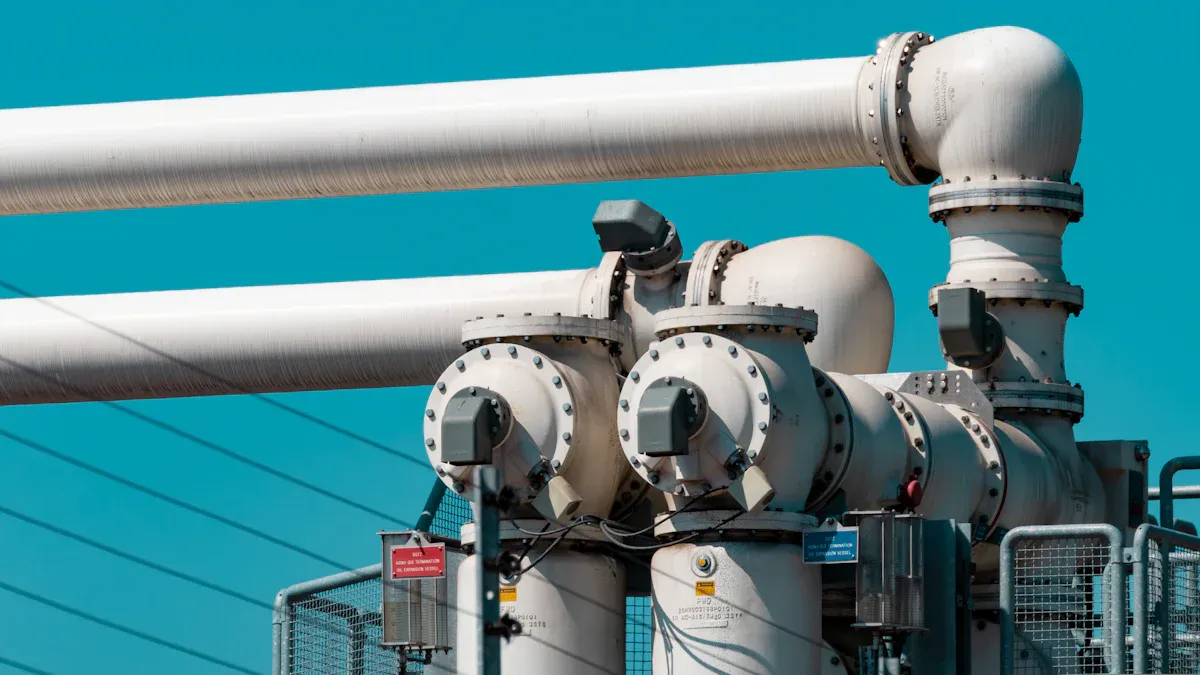
Choosing the right mechanical seal materials is critical for the efficiency and longevity of chemical pump seals. The selection process impacts not only the pump’s performance but also its reliability in handling various fluids.
Key considerations include fluid compatibility, temperature and pressure conditions, and the potential for chemical attack. For instance, using incorrect materials can lead to severe consequences such as material incompatibility, corrosion, and leakage. To address these issues, it is essential to understand what are the best materials for pump seals? Properly assessing these factors ensures optimal performance of acid-resistant pump shaft seals and enhances overall system safety.
Additionally, utilizing high-performance seal faces can significantly improve the durability of seals in harsh environments. To further enhance the lifespan of seals, it is important to implement strategies on how to prevent seal corrosion, ensuring that the mechanical seals maintain their integrity over time.
Key Takeaways
- Choose mechanical seal materials based on fluid compatibility to prevent leaks and ensure pump efficiency.
- Consider temperature and pressure conditions when selecting seals to enhance durability and performance.
- Use dual mechanical seals for added safety when handling hazardous or flammable fluids.
- Regularly inspect and maintain mechanical seals to identify wear and prevent costly failures.
- Consult chemical compatibility charts to select the right materials for specific applications.
Types of Mechanical Seal Materials
Single Mechanical Seals
Single mechanical seals are widely used in various applications due to their simplicity and effectiveness. These seals typically consist of a primary sealing element and a secondary sealing element. The primary sealing elements often include materials such as ceramic, carbon graphite, and cermet. The secondary sealing elements, which can be dynamic or static, utilize elastomers like FKM, EPDM, AFLAS, and NBR. These seals are suitable for non-hazardous fluids and generally operate below 200°C.
Tip: When selecting materials for single mechanical seals, consider the fluid’s compatibility and the operating conditions to ensure optimal performance.
Double Mechanical Seals
Double mechanical seals feature a dual-barrier system that enhances lubrication and cooling. This design allows them to handle higher temperatures and pressures compared to single seals. They are essential for applications involving toxic or flammable fluids. The selection of barrier fluids is crucial for maintaining optimal performance. Materials for double mechanical seals often include robust elastomers and metals, ensuring durability under challenging conditions.
- Key Features of Double Mechanical Seals:
- Enhanced lubrication and cooling
- Suitable for hazardous fluids
- Requires careful selection of barrier fluids
Cartridge Mechanical Seals
Cartridge mechanical seals offer a pre-assembled solution that simplifies installation and maintenance. These seals come as a complete unit, which reduces the risk of installation errors. They typically incorporate both primary and secondary sealing elements, ensuring a reliable seal. The materials used in cartridge seals can vary widely, depending on the application requirements.
| Category | Material Examples |
|---|---|
| Primary Sealing Elements | Ceramic, ceramic-metal composite (cermet), carbon graphite |
| Secondary Sealing Elements | Dynamic (pusher and non-pusher), static elements |
Note: Cartridge seals are particularly advantageous in applications where space is limited or where frequent maintenance is required.
By understanding the differences between these types of mechanical seals, users can make informed decisions that enhance the reliability and efficiency of their chemical pumps.
Factors Influencing Mechanical Seal Materials Selection
Fluid Compatibility
Fluid compatibility is a crucial factor in selecting mechanical seal materials. The characteristics of the process fluid significantly influence the choice of materials. For example, when handling corrosive substances, materials like silicon carbide or specialized alloys are essential. These materials can endure harsh conditions and prevent early degradation of the seal. If there is a mismatch between the seal material and the chemical it encounters, it can lead to operational issues and increased costs.
Additionally, fluids containing abrasive particles require the use of hard-faced materials. Adjustments to the seal chamber design may also be necessary to reduce wear. Understanding the chemical profile of each material is vital for making informed decisions regarding seal selection.
Temperature and Pressure Conditions
Temperature and pressure conditions play a significant role in determining the appropriate mechanical seal materials. Different fluids exhibit varying levels of corrosivity based on their temperature and concentration. For instance, 100% hydrochloric acid can be less corrosive than a lower concentration. High temperatures necessitate pumps made from thermally resistant materials.
The viscosity of liquids also influences pump design. Viscous liquids often require low-speed, high-torque designs to maintain efficiency. Here are some typical materials suited for high-temperature and high-pressure environments:
| Material | Properties |
|---|---|
| Silicon Carbide (SIC) | High hardness, excellent corrosion resistance, high thermal conductivity, low friction coefficient. |
| Tungsten Carbide | Offers better toughness and rigidity characteristics. |
| Perfluoroelastomers (FFKM) | Withstands temperatures up to 325-335°C, highly resistant to aggressive chemicals. |
Abrasiveness of the Fluid
The abrasiveness of the fluid significantly impacts the durability and lifespan of mechanical seal materials. Abrasive particles in fluids cause mechanical wear on seal faces and elastomers. Proper sealing and filtration can reduce abrasive damage and corrosion, enhancing mechanical seal durability.
For applications involving abrasive chemical fluids, the following materials are recommended:
| Material Type | Properties |
|---|---|
| Direct Sintered Silicon Carbide | Superior chemical resistance, suitable for nearly any mechanical seal application. |
| Tungsten Carbide | Extremely resistant to mechanical impact and wear, ideal for high-pressure applications. |
| Chemically-Resistant Carbon Grades | Recommended for specific highly corrosive fluids like hydrofluoric acid. |
By considering these factors, users can select the most suitable mechanical seal materials for their specific applications, ensuring optimal performance and longevity.
Chemical Resistance
Chemical resistance is a critical factor when selecting mechanical seal materials for chemical pumps. The ability of a material to withstand various chemicals without degrading ensures the longevity and reliability of the seal. Different materials exhibit varying levels of resistance to specific chemicals, making it essential to choose the right one based on the application.
When evaluating chemical resistance, consider the following aspects:
- Type of Chemical: Different chemicals interact with materials in unique ways. For example, acids, bases, and solvents can cause significant damage to certain materials. Understanding the chemical composition helps in selecting appropriate seal materials.
- Concentration Levels: The concentration of a chemical can influence its corrosive effects. A highly concentrated acid may be more damaging than a diluted version. Therefore, it is crucial to assess the concentration levels during material selection.
- Temperature Effects: Temperature can accelerate chemical reactions, leading to faster degradation of seal materials. High temperatures may require materials with enhanced thermal stability and resistance to chemical attack.
- Duration of Exposure: The length of time a material is exposed to a chemical also affects its performance. Short-term exposure may not cause immediate damage, but prolonged contact can lead to significant wear and failure.
To assist in selecting the right mechanical seal materials, here is a table summarizing common materials and their chemical resistance properties:
| Material | Chemical Resistance Level | Common Applications |
|---|---|---|
| Silicon Carbide | Excellent | Strong acids, alkalis, and solvents |
| Tungsten Carbide | Very Good | Abrasive and corrosive environments |
| Carbon Graphite | Good | Hydrocarbons and mild acids |
| PTFE (Teflon) | Excellent | Strong acids and bases |
Tip: Always consult chemical compatibility charts or databases when selecting materials. These resources provide valuable insights into how different materials react with specific chemicals.
By prioritizing chemical resistance in the selection process, users can enhance the performance and lifespan of mechanical seals. This proactive approach minimizes the risk of leaks and failures, ensuring safe and efficient operation of chemical pumps.
Common Mechanical Seal Materials
Carbon
Carbon is a widely used material in mechanical seals due to its unique properties. It offers excellent self-lubricating capabilities, which reduce friction and wear during operation. Carbon seals are particularly effective in applications involving mild acids and alkalis. However, they do have some limitations. For instance, pure carbon seals may exhibit relatively low mechanical strength, making them susceptible to cracking under high pressure.
To provide a clearer comparison of the advantages and disadvantages of carbon as a mechanical seal material, consider the following table:
| Type of Seal | Advantages | Disadvantages |
|---|---|---|
| Pure Carbon Mechanical Seals | - Excellent self-lubricating properties | - Relatively low mechanical strength leading to potential cracking under high pressure. |
| - Good chemical resistance to mild acids and alkalis | - Limited thermal conductivity, risking overheating in high-speed applications. | |
| Carbon Graphite Composite Seals | - Enhanced mechanical strength, suitable for high-pressure applications | - May have specific limitations based on the choice of fillers and materials used in the composite. |
| - Improved thermal conductivity, preventing overheating |
Ceramic
Ceramic materials are known for their exceptional hardness and thermal stability. They provide excellent wear and corrosion resistance, making them suitable for harsh chemical environments. In applications where corrosive chemicals are present, ceramics outperform many other materials. For example, Hexoloy® Silicon Carbide demonstrates remarkable resistance to various aggressive chemicals, as shown in the following table:
| Material | 98% H2SO4 (mg/cm2 yr) | 50% NaOH (mg/cm2 yr) | 53% HF (mg/cm2 yr) | 85% H3PO4 (mg/cm2 yr) | 45% KOH (mg/cm2 yr) | 25% HCl (mg/cm2 yr) |
|---|---|---|---|---|---|---|
| Hexoloy® Silicon Carbide | 1.8 | 2.6 | <0.2 | <0.2 | <0.2 | <0.2 |
| Reaction Bonded SiC | 55.0 | >1000 | 7.9 | 0.5 | >1000 | 0.9 |
| Tungsten Carbide | >1000 | 5.0 | 8.0 | >1000 | 3.0 | 85.0 |
| Aluminium Oxide | >65.0 | 75.0 | 20.0 | 7.0 | 60.0 | 72.0 |
Ceramics are ideal for applications in cutting tools, electronics, and aerospace due to their durability and resistance to wear.
Elastomers
Elastomers are another critical category of mechanical seal materials. They provide flexibility and resilience, making them suitable for various sealing applications. Different types of elastomers offer varying levels of chemical compatibility, which is essential for ensuring effective sealing in chemical pumps. The following table summarizes some commonly used elastomers and their chemical compatibility ratings:
| Elastomer | Chemical Compatibility | Applications |
|---|---|---|
| Viton (FKM) | Excellent resistance to acids, oils, and solvents; ideal for high-temperature use. | Chemical processing industries, sealing applications to prevent leaks. |
| EPDM | Resistant to ozone, UV, acids, and alkalis; versatile in various chemical applications. | Water treatment, steam systems, and chemical processing applications. |
| Neoprene | Balanced chemical resistance and temperature stability; general-purpose use. | Fluid handling systems in industrial and automotive sectors. |
| Natural Rubber | Cost-effective with excellent flexibility; suitable for less aggressive chemicals. | Low-impact applications involving water or less aggressive chemicals. |
Metal Alloys
Metal alloys play a significant role in the selection of mechanical seal materials for chemical pumps. These materials combine the beneficial properties of different metals to enhance performance in demanding environments. The use of metal alloys can improve strength, corrosion resistance, and thermal stability, making them suitable for various applications.
Common Types of Metal Alloys
- Stainless Steel:
- Stainless steel is a popular choice due to its excellent corrosion resistance and mechanical strength. It is particularly effective in environments where exposure to moisture and chemicals occurs.
- Common grades include 304 and 316 stainless steel, with 316 offering better resistance to chlorides and acids.
- Nickel Alloys:
- Nickel alloys, such as Inconel and Monel, provide exceptional resistance to high temperatures and corrosive environments.
- These alloys are ideal for applications involving aggressive chemicals, such as sulfuric acid and hydrochloric acid.
- Titanium Alloys:
- Titanium alloys are known for their lightweight and high strength-to-weight ratio. They exhibit excellent resistance to corrosion, particularly in seawater and other harsh environments.
- These alloys are often used in aerospace and marine applications, where weight savings are crucial.
- Copper Alloys:
- Copper alloys, including bronze and brass, offer good corrosion resistance and thermal conductivity.
- They are suitable for applications involving water and mild chemicals but may not perform well in highly corrosive environments.
Advantages of Using Metal Alloys
- Enhanced Durability: Metal alloys typically exhibit greater wear resistance compared to single metals. This durability extends the lifespan of mechanical seals, reducing maintenance costs.
- Improved Performance: The combination of different metals allows for tailored properties, such as increased strength and resistance to specific chemicals. This customization ensures optimal performance in various applications.
- Versatility: Metal alloys can be engineered to meet specific requirements, making them suitable for a wide range of industries, including petrochemical, pharmaceutical, and food processing.
Tip: When selecting metal alloys for mechanical seals, consider the specific chemical environment and operating conditions. This assessment ensures that the chosen material will withstand the demands of the application.
Best Practices for Installation of Mechanical Seal Materials
Preparation of Seal Faces
Proper preparation of seal faces is crucial for ensuring effective sealing. Cleanliness is paramount; any debris or contaminants can compromise the seal’s integrity. Operators should follow these steps for optimal preparation:
- Inspect seal faces for damage or wear.
- Clean the surfaces using a suitable solvent.
- Ensure that the faces are free from scratches and imperfections.
Taking these steps helps to create a smooth contact surface, which enhances the sealing performance.
Proper Alignment Techniques
Proper alignment of mechanical seal materials significantly affects pump performance and seal longevity. Misalignment can lead to premature wear and leakage. To achieve correct alignment, technicians should:
- Use alignment tools to ensure that the pump shaft and seal are in line.
- Regularly check for installation errors, thermal expansion, and vibration, as these factors can negatively impact alignment.
- Understand the importance of maintaining alignment to minimize mechanical seal failure.
By following these guidelines, operators can enhance the reliability of their sealing systems.
Torque Specifications
Torque specifications play a vital role in the installation of mechanical seals. Applying the correct torque ensures that the seal remains securely in place without causing damage. Operators should:
- Refer to the manufacturer’s guidelines for specific torque values.
- Use a calibrated torque wrench to achieve the desired specifications.
- Avoid over-tightening, which can lead to seal distortion and failure.
Adhering to these torque specifications helps maintain the integrity of the mechanical seal materials, ensuring optimal performance in chemical pumps.
Maintenance Requirements for Mechanical Seal Materials

Regular Inspection Protocols
Regular inspections are vital for maintaining the integrity of mechanical seal materials. Operators should conduct inspections at least monthly, especially under varying system loads and operating conditions. The following table outlines essential maintenance protocols:
| Maintenance Protocol | Description |
|---|---|
| Proper Lubrication | Ensure seals are flushed and lubricated with compatible lubricants to prevent friction and heat. |
| Clean Sealing Surfaces | Regularly clean surfaces to avoid contamination and ensure effective sealing. |
| Regular Inspections | Conduct inspections to detect wear, damage, or leakage early. |
| Proper Sealing Pressure | Maintain manufacturer-specified sealing pressure to avoid leaks and excessive wear. |
| Temperature Control | Keep operating temperatures within recommended limits to prevent seal deformation and failure. |
| Vibration Monitoring | Monitor vibration levels to prevent misalignment and premature seal failure. |
| Timely Repair and Replacement | Address any signs of wear or damage promptly to avoid more serious issues and downtime. |
Signs of Wear and Tear
Identifying signs of wear and tear in mechanical seal materials is crucial for preventing failures. Operators should be vigilant for the following indicators:
| Type of Wear and Tear | Description |
|---|---|
| Contamination and Particulate Damage | Particulates can cause surface scoring, pitting, and premature failure of the seal. |
| Chemical Incompatibility | Incompatible chemicals can lead to swelling, softening, or corrosion of seal materials. |
| Temperature and Pressure Extremes | Excessive heat can harden elastomers, while high pressure can deform components, causing leaks. |
| Aging and Natural Deterioration | Normal friction leads to wear, necessitating regular inspection and replacement. |
Replacement Guidelines
When it comes time to replace mechanical seal materials, following proper guidelines ensures optimal performance. Operators should:
- Establish comprehensive safety protocols before starting work on pump mechanical seals.
- Use specialized tools such as seal pullers and torque wrenches for replacement.
- Conduct pre-installation inspections to ensure all components are in good condition.
- Optimize long-term performance by analyzing seal performance trends and implementing predictive maintenance strategies.
By adhering to these maintenance requirements, operators can significantly enhance the reliability and lifespan of mechanical seal materials in chemical pumps.
Selecting the right mechanical seal materials is vital for ensuring the efficiency and longevity of chemical pumps. Key factors to consider include:
- Fluid compatibility with seal materials.
- Temperature and pressure conditions.
- The abrasiveness of the fluid being pumped.
- The use of dual seals for enhanced safety with hazardous liquids.
Consulting with experts can provide tailored advice for specific applications. This approach helps avoid premature seal failure and ensures optimal performance. By prioritizing these considerations, operators can enhance the reliability of their pumping systems.
FAQ
What is a mechanical seal?
A mechanical seal is a device that prevents fluid leakage between stationary and rotating parts in pumps. It consists of two primary sealing faces that create a barrier, ensuring efficient operation and minimizing environmental contamination.
How do I know which seal material to choose?
Selecting the right seal material depends on factors like fluid compatibility, temperature, pressure, and abrasiveness. Assessing these factors ensures optimal performance and longevity of the mechanical seal in your specific application.
How often should I inspect mechanical seals?
Regular inspections should occur at least monthly. Operators should check for signs of wear, leakage, and proper alignment. Early detection of issues can prevent costly downtime and extend the lifespan of the seals.
Can I replace mechanical seals myself?
While it is possible to replace mechanical seals independently, proper training and tools are essential. Following manufacturer guidelines and safety protocols ensures a successful installation and minimizes the risk of errors.
What are the common causes of mechanical seal failure?
Common causes of mechanical seal failure include improper installation, misalignment, chemical incompatibility, and excessive temperature or pressure. Regular maintenance and inspections can help identify and mitigate these issues.
Post time: Apr-28-2026