


Mechanical seal failure can stem from various issues, significantly impacting operational efficiency. Common causes include improper installation, contamination, and inadequate lubrication, which can lead to seal face wear and ultimately seal leakage. Addressing these root causes is crucial for effective seal leakage troubleshooting and preventing future failures. Approximately 40-50% of mechanical seal failures arise from installation errors, emphasizing the need for meticulous assembly and alignment. Understanding why do mechanical seals leak is essential in developing effective strategies to mitigate these issues. Additionally, identifying what causes seal face cracking can help in implementing permanent solutions. By using advanced materials and ensuring regular maintenance, we can greatly enhance reliability and extend mechanical seal life.
Key Takeaways
- Proper installation is crucial. Follow recommended steps to ensure seals are aligned and free from contamination.
- Regular maintenance prevents failures. Schedule routine inspections and monitor operating conditions to catch issues early.
- Choose the right seal material. Assess the specific application needs to avoid costly leaks and equipment damage.
- Address excessive vibration. Use tools like vibration analysis to detect and correct misalignment before it leads to seal failure.
- Train technicians on best practices. Enhanced skills in installation and maintenance can significantly reduce mechanical seal failures.
Improper Installation
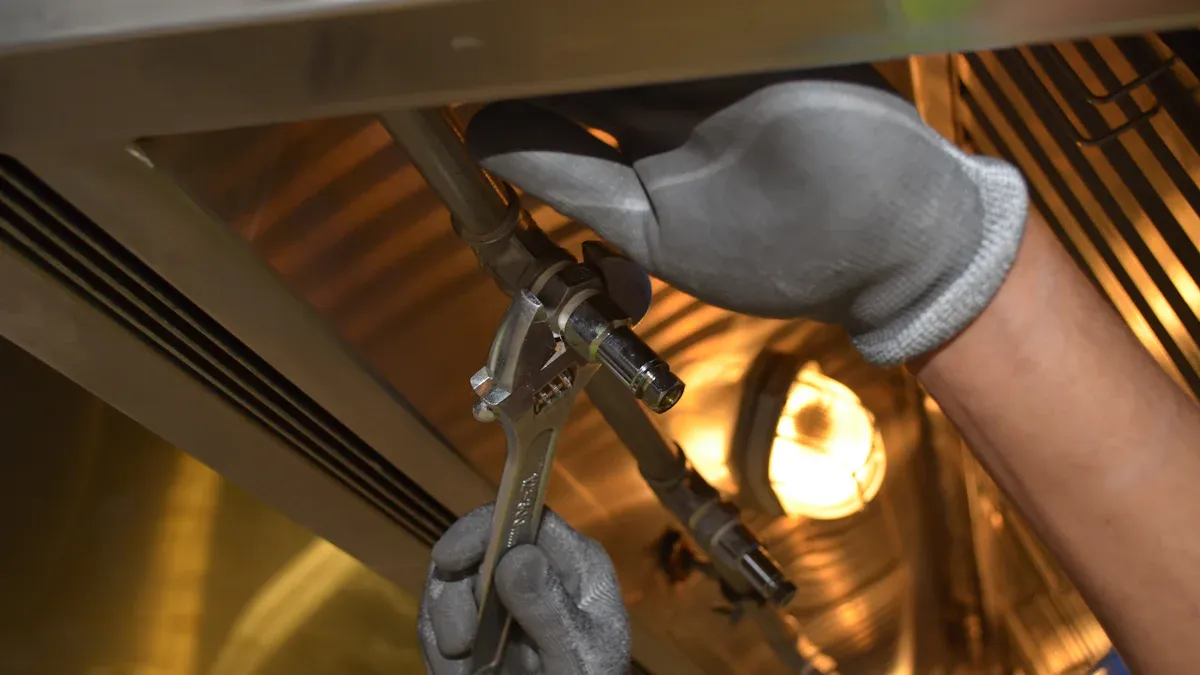
Improper installation ranks as one of the leading causes of mechanical seal failure. When technicians neglect proper procedures, they risk misalignment and premature wear. This can lead to significant leakage and operational inefficiencies. To avoid these issues, manufacturers recommend following key steps during installation:
- Pre-Installation Preparation: Verify compatibility, clean all components, and inspect for damage.
- Precision Assembly: Ensure coaxiality, set proper compression, align the seal faces, and tighten bolts evenly.
- Post-Installation Verification: Conduct a manual rotation test, check for leakage and temperature, and record installation data.
Common installation errors include:
- Improper Alignment: Misalignment can cause uneven wear on the seal faces, leading to early failure.
- Contamination: Foreign particles can damage the seal faces, reducing sealing effectiveness.
- Seal Face Damage: Mishandling or debris can compromise the integrity of the seal faces.
- Dry Running: Operating without sufficient lubrication can lead to overheating and rapid wear.
To mitigate these risks, technicians should receive training on best practices for mechanical seal installation. Training programs often cover topics such as the principle of operation, seal designs, and maintenance practices. By enhancing their skills, technicians can significantly reduce the likelihood of mechanical seal failure.
Misalignment
Misalignment is a significant contributor to mechanical seal failure. When the shaft is not properly aligned, it creates instability in motion. This instability leads to increased vibration, which can cause uneven wear and overheating of the seal faces. The result is often leakage, which may lead to repeated failures even after replacing the seal.
Misalignment generates reactive forces that stress seals and other components. These forces can produce vibration, noise, and heat, all of which contribute to premature wear. Proper alignment minimizes these issues, extending the life of mechanical components.
To detect and correct misalignment, technicians can use several effective tools and techniques:
- Thermography: This method identifies temperature increases due to friction in machines, indicating misalignment.
- Vibration analysis: This technique assesses micro-vibrations to detect misalignment before it leads to significant wear.
- Oil analysis: Although more complex, this method measures wear and contaminants in oil, which can indicate misalignment.
- Laser shaft alignment: This precise method measures coupling offsets to correct misalignment accurately.
- Motion Amplification: This innovative technique visually demonstrates misalignment, making it accessible for non-experts.
By employing these tools, technicians can effectively address misalignment issues, thereby reducing the risk of mechanical seal failure. Regular alignment checks should be part of a comprehensive maintenance program to ensure optimal performance and longevity of mechanical seals.
Excessive Vibration
Excessive vibration poses a significant threat to the integrity of mechanical seals. It can lead to premature wear and eventual failure, resulting in costly downtime and repairs. Vibration often originates from various sources within pumps and compressors, which can disrupt the stability of mechanical components.
The primary sources of vibration include:
- Pump Bearing Issues: Bearing failures due to overload, excessive wear, or poor selection can lead to significant vibration.
- Misalignment of the Shaft: Shaft misalignment can cause excessive axial or radial vibration, affecting pump performance.
- Poor Equipment Conditions: Conditions like excessive shaft runout or vibration can lead to mechanical seal failures.
Operating at critical speeds exacerbates these issues. Engineering studies indicate that the primary failure mechanism in vertical pumps is fatigue damage to mechanical seal faces. Operating above 1750 rpm increases vibrations and leads to a higher incidence of failures. The correlation between seal failures and increased vibration is consistent, as it reduces fluid film integrity.
Keeping vibration levels below critical thresholds can result in a 75% increase in seal life.
To mitigate excessive vibration, regular maintenance and monitoring are essential. Technicians should conduct vibration analysis to identify and rectify issues before they escalate. Implementing proper alignment techniques and ensuring optimal equipment conditions can significantly enhance the longevity of mechanical seals. By addressing excessive vibration proactively, organizations can reduce the risk of mechanical seal failure and improve overall operational efficiency.
Incorrect Seal Material
Selecting the correct seal material is crucial for preventing mechanical seal failure. Using inappropriate materials can lead to various issues, including reduced seal life and increased maintenance costs. In chemical processing environments, the consequences of incorrect seal materials can be severe.
When choosing seal materials, consider the following criteria:
- Wear resistance
- Low leakage and friction properties
- Good thermal properties
- Corrosion resistance
Additionally, assess the specific conditions the seal will face. Factors such as exposure to water, oil, gas, or harsh chemicals play a significant role. Determine the minimum and maximum temperature resistances and evaluate the required compression strength.
The table below outlines the consequences of using incorrect seal materials:
| Consequence | Description |
|---|---|
| Reduced seal life | Materials degrade faster when exposed to incompatible fluids. |
| Increased maintenance costs | Frequent seal replacement leads to higher labor and downtime expenses. |
| Equipment damage | Leaks can damage bearings, pumps, housings, or adjacent components. |
| Safety and environmental risks | Chemical leaks may pose hazards to operators or violate environmental regulations. |
Incorrect seal materials can lead to significant operational challenges. For instance, if a seal fails due to material incompatibility, it can result in leaks that compromise equipment integrity. This not only increases repair costs but also poses safety risks to personnel.
To mitigate these risks, manufacturers must prioritize the selection of appropriate materials based on the specific application requirements. By doing so, they can enhance the reliability of mechanical seals and reduce the likelihood of mechanical seal failure.
Operating Conditions
Operating conditions play a crucial role in the performance and longevity of mechanical seals. Variations in temperature and pressure can significantly impact seal integrity. For instance, thermal expansion and contraction may lead to critical component failures. Rapid temperature changes can cause thermal shock, resulting in fractures of seal faces. Additionally, high temperatures can increase chemical aggression towards seal materials, leading to premature degradation.
Consider the following factors that can contribute to mechanical seal failure:
- Excessive Heat: High temperatures can cause O-rings to suffer thermal damage. This damage may lead to brittleness or warping of seal faces.
- Inadequate Lubrication: Insufficient lubrication can result in increased friction and wear, ultimately compromising the seal’s effectiveness.
- Pressure Variations: Changes in inlet pressure directly influence the load on seal faces. This variation can affect the stability of the gas film, altering flow behavior within the groove.
Moreover, improper installation and misalignment can exacerbate these issues. Uneven or over-tightening of fasteners can create stress points that lead to seal failure. Regular monitoring of operating conditions is essential to identify potential risks early.
To mitigate these risks, organizations should implement the following best practices:
- Regular Maintenance: Schedule routine inspections to assess seal performance and operating conditions.
- Temperature Control: Monitor and regulate temperatures to prevent excessive heat buildup.
- Lubrication Management: Ensure adequate lubrication is maintained to reduce friction and wear.
By addressing these operating conditions proactively, companies can significantly reduce the risk of mechanical seal failure and enhance overall operational efficiency.
Contamination
Contamination significantly contributes to mechanical seal failure. Solid particles, impurities, and corrosive liquids often infiltrate the working fluid, leading to severe damage. These contaminants can scratch the contact surfaces of seals, diminishing their effectiveness and resulting in significant leakage. Corrosive materials can accumulate in the gap between the stationary housing and the rotating shaft, causing corrosion damage. This corrosion can weaken the seal and ultimately lead to failure.
To prevent contamination, organizations should implement effective filtration and protection methods. Recommended practices include:
- Smooth, drainable surfaces to prevent microbial traps
- FDA- and USP-compliant materials, especially for elastomers
- Resistance to chemicals and high temperatures
- Seal face exposure to cleaning and sterilization agents
By adopting these measures, companies can significantly reduce the risk of contamination. Regular inspections and maintenance also play a crucial role in identifying potential contamination sources early.
In addition, proper training for personnel on handling fluids and maintaining equipment can further minimize contamination risks. Ensuring that all components are clean and free from debris before installation is essential.
Ultimately, addressing contamination proactively can enhance the reliability of mechanical seals and reduce the likelihood of mechanical seal failure. Organizations that prioritize cleanliness and proper handling of fluids will experience fewer operational disruptions and lower maintenance costs.
Wear and Tear
Wear and tear is a common issue that affects mechanical seals over time. As seals operate, they experience friction and pressure, leading to gradual degradation. This deterioration can result in mechanical seal failure if not addressed promptly.
During inspections, technicians often observe several typical signs of wear and tear, including:
- Grooves or scratches on the seal surface
- Worn or flattened areas on the seal
- Increased leakage from the equipment
- Reduced efficiency of the equipment
- Pitting or holes on the surface of the seal
- Discoloration or rust on the seal surface
These indicators signal that the seal may no longer function effectively. If left unchecked, wear and tear can lead to significant operational issues, including leaks and equipment damage.
To combat wear and tear, organizations should implement proactive maintenance practices. Consider the following strategies to extend the service life of mechanical seals:
- Adjust spring compression to ensure optimal sealing performance and prevent damage.
- Ensure proper tightness of dynamic and static ring seals to avoid premature wear and leaks.
- Replace old seals with new ones when necessary to maintain sealing effectiveness.
- Maintain stable process conditions to prevent overheating and excessive wear.
By adopting these practices, companies can significantly reduce the risk of mechanical seal failure due to wear and tear. Regular inspections and timely replacements are essential to maintaining the integrity of mechanical seals and ensuring efficient operation.
Lack of Maintenance
Lack of maintenance is a critical factor contributing to mechanical seal failure. Regular maintenance ensures that seals operate efficiently and last longer. Neglecting maintenance can lead to unexpected breakdowns, costly repairs, and operational downtime.
Organizations should establish a proactive maintenance program to prevent these issues. Here are some recommended maintenance intervals for mechanical seals in high-demand industrial settings:
| Maintenance Interval | Tasks |
|---|---|
| Daily Checks | Check suction & discharge pressure, verify pump vibration and noise, check for leakage, monitor bearing temperature, ensure cooling water flow, confirm motor current. |
| Weekly Checks | Inspect coupling alignment, check oil level, tighten loose nuts/bolts, check strainers/filters, inspect foundation. |
| Monthly Checks | Check pump and motor alignment, inspect mechanical seal condition, check belt tension, inspect cooling system. |
| Quarterly Checks | Drain and refill lubricating oil, verify coupling condition, test vibration, inspect electrical connections. |
| Half-Yearly Checks | Remove and clean suction Y-strainer, check impeller clearances, inspect bearing housing, check NPSH condition. |
| Yearly Maintenance | Conduct a full inspection during planned shutdown. |
Implementing effective strategies for maintenance can further enhance seal performance. Consider the following approaches:
- Understanding environments: Recognizing the types of fluids handled by pumps is crucial for selecting appropriate seal materials, preventing rapid wear and leakage.
- Lubrication management: Ensuring proper lubrication reduces friction and prevents seal failure. Regular checks on lubrication quality can help anticipate issues.
- Temperature control: Monitoring and managing temperature can prevent material degradation of seals, thus maintaining their performance.
- Vibration and alignment: Regular checks for alignment and vibration can prevent premature wear and leakage, ensuring system stability and efficiency.
- Regular inspections: Conducting routine inspections helps identify early signs of wear, allowing for timely repairs or replacements to avoid major failures.
By prioritizing maintenance, organizations can significantly reduce the risk of mechanical seal failure. Regular inspections and timely interventions can lead to improved operational efficiency and reduced costs.
Mechanical seal failure can arise from various causes, including improper installation, contamination, and excessive vibration. Addressing these issues through proactive maintenance is essential. Regular inspections and adherence to best practices can significantly reduce the risk of failure.
Organizations should implement the following best practices:
- Routine monitoring for leakage and vibration.
- Preventive maintenance checks on temperature and pressure.
- Planned shutdown inspections for complete evaluations.
By prioritizing these strategies, companies can enhance reliability and reduce costs associated with mechanical seal failure.
Tip: Organizations that adopt comprehensive failure analysis programs can reduce seal-related downtime by 40-60%.
Emphasizing proactive maintenance ensures long-term operational efficiency and safety.
FAQ
What is a mechanical seal?
A mechanical seal is a device that prevents fluid leakage between rotating and stationary parts in machinery. It consists of two faces that create a barrier, ensuring efficient operation in various applications.
How can I identify seal failure?
Signs of seal failure include visible leaks, unusual noises, increased vibration, and overheating. Regular inspections can help detect these issues early, preventing further damage.
What maintenance practices extend seal life?
Regular maintenance practices include routine inspections, proper lubrication, and monitoring operating conditions. Addressing wear and tear promptly can significantly enhance seal longevity.
Can I replace a mechanical seal myself?
While some individuals may attempt to replace a mechanical seal, it is advisable to consult a professional. Proper installation requires specific skills and knowledge to ensure optimal performance.
What materials are commonly used for mechanical seals?
Common materials for mechanical seals include carbon, ceramic, and various elastomers. The choice depends on the application, operating conditions, and compatibility with the fluids involved.
Post time: Apr-30-2026