


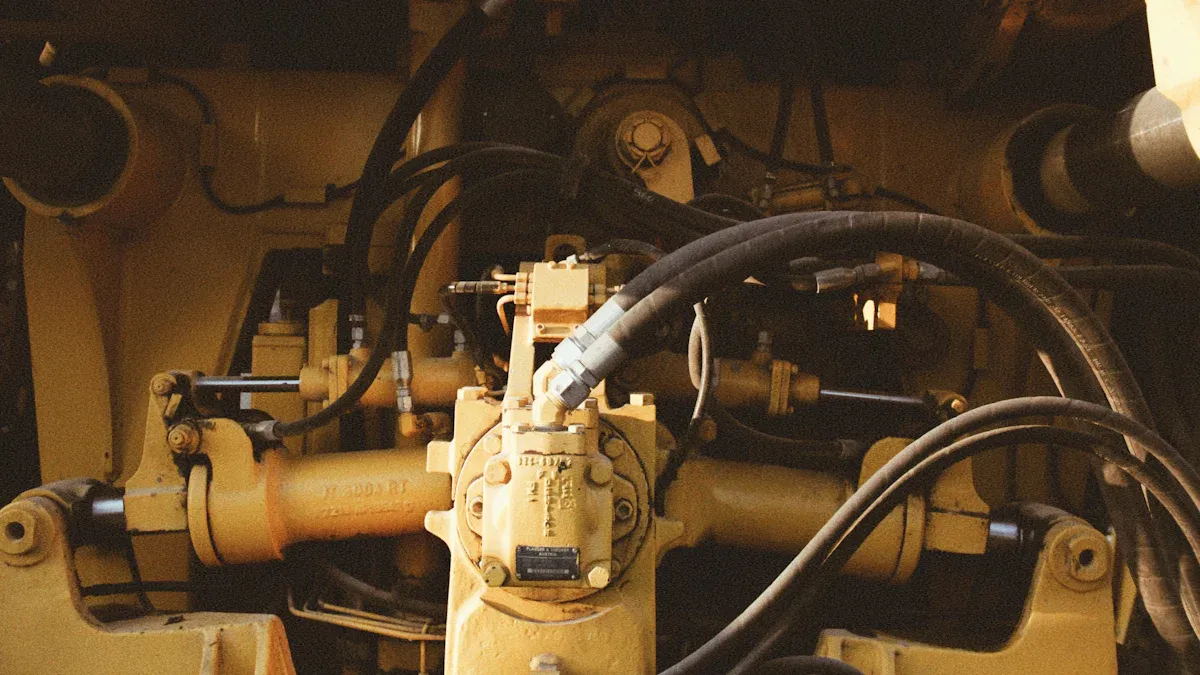
Mechanical seal failures significantly disrupt operations in industrial pumps. Recent studies reveal that 60% of refinery pump failures initiate at the mechanical seal, contributing to 69% of all pump maintenance issues. Understanding these failures is crucial for effective pump seal troubleshooting. Identifying the root causes helps prevent costly downtime and ensures reliable performance. Operators must grasp why do mechanical seals leak to implement solutions effectively. Additionally, awareness of high temperature seal failure can lead to improved industrial sealing solutions and enhanced operational efficiency. It’s also important to consider why does a new mechanical seal leak, as this knowledge can further aid in preventing future issues.
Key Takeaways
- Proper installation of mechanical seals is crucial. Train personnel to reduce errors and follow manufacturer guidelines to enhance reliability.
- Contamination is a major cause of seal failure. Implement effective filtration and cleaning methods to maintain fluid quality and prevent leaks.
- Avoid dry running by ensuring pumps are fully primed and maintaining adequate fluid flow. Monitor conditions to prevent severe damage.
- Temperature extremes can compromise seal integrity. Regularly inspect seals and use appropriate materials for the specific temperature range.
- Material compatibility is key to preventing failures. Choose seal materials based on chemical properties and operational conditions for optimal performance.
Improper Installation of Mechanical Seals
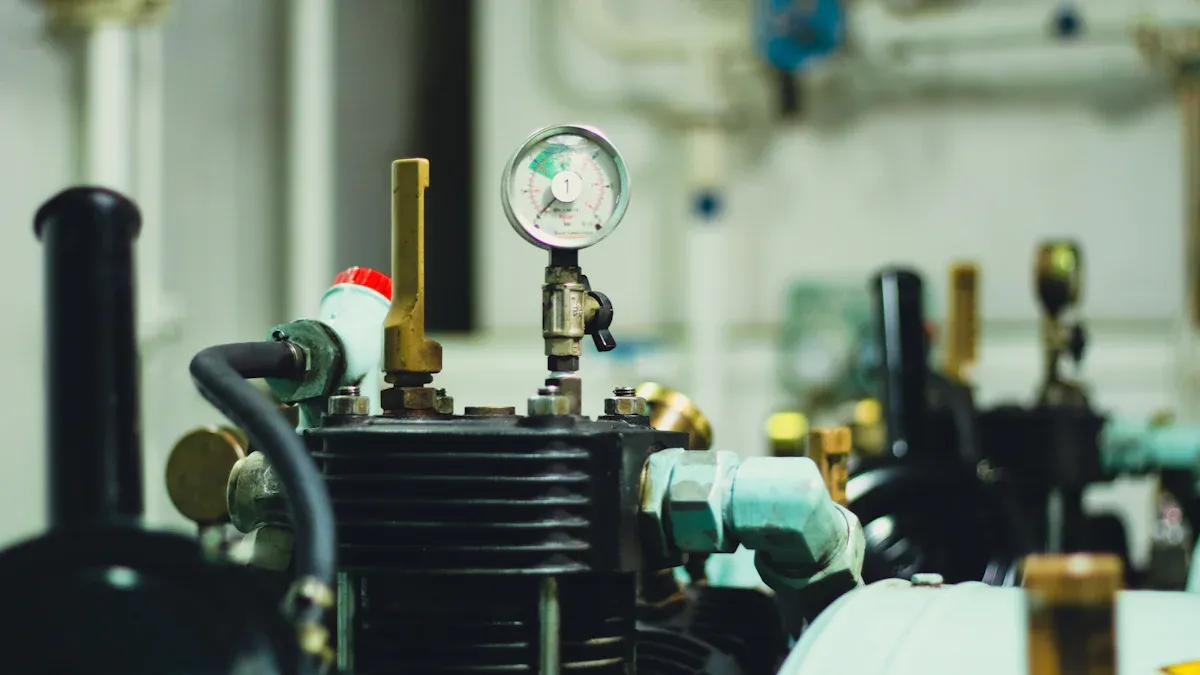
Improper installation of mechanical seals poses a significant risk to the reliability of industrial pumps. When seals are not installed correctly, they can lead to excessive leakage. This leakage is a primary cause of pump failures, resulting in immediate operational issues. Furthermore, it can cause premature failures of the mechanical seal itself and damage other pump components. Consequently, this significantly reduces the reliability and lifespan of the pump.
To mitigate the risks associated with improper installation, organizations should prioritize proper training for personnel involved in the installation process. Effective training can reduce human errors during installation and maintenance. Key benefits of enhanced training programs include:
- Reduction of misalignment, contamination, and excessive vibration, which are common causes of seal failures.
- Prevention of many mechanical seal failures attributed to human errors rather than material wear.
- Promotion of best practices in installation and maintenance, addressing issues beyond normal wear and tear.
Industry standards emphasize the importance of correct installation procedures. Common installation issues include improper shaft runout, incorrect setting length, uneven tightening, and contamination of seal faces. To ensure successful installation, operators should:
- Verify equipment dimensions, alignment, and surface finishes before installation.
- Follow manufacturer instructions for torque and assembly order.
- Ensure flushing, quenching, or barrier fluid systems are correctly set up.
Involving trained personnel in the installation process can significantly reduce errors. Additionally, seeking manufacturer-provided installation support enhances reliability and performance. By adhering to these guidelines, organizations can prevent mechanical seal failure and improve the overall efficiency of their industrial pumps.
Contamination Leading to Mechanical Seal Failure

Contamination is a leading cause of mechanical seal failure in industrial pumps. Various contaminants can infiltrate the seal cavity, resulting in significant operational issues. Abrasive or foreign particles often contribute to rapid wear of the seal faces. This wear diminishes the sealing effectiveness, leading to leaks and potential pump failures.
Common sources of contamination include:
- Harmful solid particles present in the fluid being pumped.
- Dust and debris from the surrounding environment.
- Residual chemicals from previous operations.
Fluid contamination can force the seal faces apart or score them, exacerbating wear and increasing the likelihood of mechanical seal failure. Operators must implement effective filtration and cleaning methods to mitigate these risks.
Several methods can help prevent contamination-related failures:
| Method | Description |
|---|---|
| Seal Gas Filtration | Ensures that contamination does not enter the seal by maintaining quality seal gas flow. |
| Seal Gas Conditioning | Prepares the seal gas to prevent contamination, critical when pressure is present in the compressor. |
Additionally, techniques such as Cleaning-in-Place (CIP) and Sterilisation-in-Place (SIP) can effectively remove residues without disassembly. CIP uses circulated solutions to clean, while SIP employs steam or hot water to eliminate microbial life.
By prioritizing cleanliness and implementing robust filtration systems, organizations can significantly reduce the risk of mechanical seal failure. Regular monitoring of fluid quality and proactive maintenance practices will enhance the reliability of industrial pumps and extend their operational lifespan.
Dry Running and Its Impact on Mechanical Seals
Dry running occurs when a pump operates without sufficient lubrication or cooling fluid. This condition severely damages mechanical seals. The absence of fluid leads to metal-to-metal contact between seal faces, generating excessive heat. This heat can cause thermal damage, resulting in irreversible issues such as burning, melting, or cracking of the seal faces.
Several factors contribute to dry running in industrial pumps:
- Restarting pumps without ensuring fluid filling.
- Loss of suction due to system failures.
- Cavitation, which creates vapor pockets.
- Blocked suction lines or closed valves.
The effects of dry running can escalate quickly. Within seconds, metal-to-metal contact can lead to friction and heat. Operators may observe visible damage, including heat cracks and discoloration on seal faces.
To prevent dry running, organizations can implement several effective measures:
| Preventive Measure | Description |
|---|---|
| Fully prime the pump before start-up | Ensure the pump is filled with fluid and free of air pockets to prevent dry running. |
| Maintain continuous, adequate inlet flow | This helps keep thermal balance and the seal gap, preventing overheating and failure. |
| Set the seal to the correct working length | Proper adjustment avoids over-compression, which can lead to seal failure. |
Condition monitoring systems play a crucial role in detecting early signs of potential failures. By continuously monitoring vital parameters such as vibrations, temperature, and noise, these systems can identify subtle changes that may indicate dry running. Timely intervention can prevent severe damage and enhance the reliability of mechanical seals.
Investing in operator training is also essential. Proper training helps prevent costly mistakes related to dry running. By prioritizing these preventive measures, organizations can significantly reduce the risk of mechanical seal failure and improve the overall efficiency of their industrial pumps.
Temperature Extremes Affecting Mechanical Seal Integrity
Temperature extremes significantly impact the integrity of mechanical seals in industrial pumps. Both high and low temperatures can lead to mechanical seal failure, affecting the overall performance of the pump. When selecting seals, operators must consider the temperature exposure to ensure optimal functionality.
High temperatures can cause seals to lose elasticity, leading to brittleness. This brittleness increases the likelihood of cracking and leakage. Conversely, low temperatures can make seals excessively flexible, compromising their sealing capability. Research indicates that temperature plays a major role in the leak tightness of elastomer seals. At elevated temperatures, aging effects like decomposition accelerate, increasing leakage rates. Low temperatures can lead to significant changes in material characteristics, such as stiffness, which affects the seal’s performance.
The following table outlines critical temperature limits for various seal materials:
| Seal Material | Critical Temperature Limit |
|---|---|
| Viton® (FKM) | 400°F (204°C) or lower |
| Aflas® (TFE/P) | 400°F (204°C) or lower |
| Kalrez® (FFKM) | 600°F (316°C) or lower |
Operators should monitor temperature conditions closely. Variations in operational parameters, such as pressure and temperature, can exceed design limits, leading to deformation and mechanical failure. Implementing temperature control systems can help maintain optimal operating conditions.
To mitigate risks associated with temperature extremes, organizations can adopt the following strategies:
- Regularly inspect seals for signs of wear or damage.
- Use temperature monitoring devices to track seal performance.
- Select appropriate seal materials based on the specific temperature range of the application.
By understanding the effects of temperature on mechanical seals, operators can enhance the reliability of their industrial pumps and reduce the risk of mechanical seal failure.
Vibration and Mechanical Stress on Seals
Vibration and mechanical stress significantly contribute to mechanical seal failure in industrial pumps. Excessive vibration can lead to various issues that compromise seal integrity. For instance, vibration causes fretting of the dynamic O-ring surface. This fretting results in a loss of axial tracking of the flexibly mounted seal ring. Additionally, vibration can break down the lubricating film stiffness between seal faces, leading to face wear and chipping.
Common sources of mechanical stress include:
- Improper installation: Incorrect alignment or lubrication can lead to failure.
- Contamination: Dirt or debris can damage seals, often due to clogged strainers.
- Temperature fluctuations: Significant changes in temperature can cause failure.
- Chemical corrosion: Highly corrosive liquids can damage seals.
- Lack of lubrication: Insufficient lubrication often leads to seal failure.
Vibration can also create complex loading patterns from hydraulic forces and varying flow conditions. These patterns stress the seal assembly, causing seal faces to deflect or distort. Sudden pressure changes can create shock loads that exceed the design limits of seal components. Continuous vibration generates fatigue stress in secondary sealing elements like O-rings and bellows. This stress can lead to cracking, tearing, or loss of sealing properties.
To mitigate the risks associated with vibration and mechanical stress, organizations should implement effective maintenance strategies. Regular inspections of flush lines and cooling circuits ensure seals receive necessary lubrication. Proper flushing systems and clean operating environments help maintain stable seal face conditions.
Vibration-based monitoring methods are essential for detecting mechanical failures. Increases in amplitude of characteristic frequency components serve as key indicators of mechanical issues. Approximately 80% of mechanical faults can be detected through these increases. Early detection allows for timely repairs, preventing mechanical seal failure and enhancing pump reliability.
Material Compatibility Issues in Mechanical Seal Failure
Material compatibility plays a crucial role in preventing mechanical seal failure in industrial pumps. Selecting the right materials ensures that seals perform effectively under various operating conditions. Incompatible materials can lead to immediate seal failure, resulting in leaks and costly downtime.
Operators must consider several factors when choosing materials for mechanical seals:
- Chemical Compatibility: Ensure that seal components can withstand the pumped fluid’s chemical properties. For example, using PTFE seals can provide resistance to aggressive chemicals in corrosive environments.
- Temperature and Pressure: The operational environment significantly influences material selection. Materials like ceramic or tungsten carbide are suitable for extreme temperatures, while carbon seals excel in applications with thermal cycling.
- Fluid Properties: Understanding the interactions between seal materials and the fluids being pumped is essential. This knowledge helps avoid premature failures and enhances operational efficiency.
The following table outlines common materials and their compatibility with various fluids:
| Material Type | Compatibility with Fluids |
|---|---|
| Carbon | Suitable for many fluids, including oils |
| Ceramic | Ideal for high-temperature applications |
| Stainless Steel | Resistant to corrosion and suitable for water |
| Specialized Elastomers | Effective for sealing in various chemical environments |
To further enhance reliability, operators should follow these guidelines:
- Ensure chemical compatibility between seal components and the pumped fluid for long-term performance.
- Select elastomers like EPDM or FKM based on their resistance to specific chemicals present in the fluid.
- Use materials like Silicon Carbide Seal Faces to prevent premature wear in aggressive media.
By prioritizing material compatibility, organizations can significantly reduce the risk of mechanical seal failure and improve the overall efficiency of their industrial pumps.
Preventing mechanical seal failure in industrial pumps requires a proactive approach. Regular maintenance, proper installation, and awareness of operating conditions are essential. Organizations should:
- Regularly check the pump for faults or irregularities to prevent seal failure.
- Select the correct pump, seal, and seal support systems during installation.
- Implement proactive preventative maintenance to ensure seal reliability.
- Consider updated pump seal designs that offer better efficiency and resistance to harsh conditions.
- Ensure proper knowledge during the seal design and installation process to avoid common causes of seal failure.
By focusing on these best practices, companies can enhance the reliability of their pumps and significantly reduce downtime.
FAQ
What is a mechanical seal?
A mechanical seal is a device that prevents fluid leakage in pumps. It consists of two faces that create a barrier, ensuring that the fluid remains contained within the pump during operation.
How can I identify a failing mechanical seal?
Signs of a failing mechanical seal include visible leaks, unusual noises, and increased vibration. Regular monitoring of these indicators can help detect issues early and prevent further damage.
What maintenance practices can extend seal life?
Regular inspections, proper lubrication, and monitoring operating conditions can significantly extend the life of mechanical seals. Implementing a proactive maintenance schedule is essential for optimal performance.
Can temperature fluctuations damage mechanical seals?
Yes, temperature fluctuations can adversely affect mechanical seals. High temperatures may cause brittleness, while low temperatures can lead to excessive flexibility, compromising sealing effectiveness.
What materials are commonly used in mechanical seals?
Common materials for mechanical seals include carbon, ceramic, stainless steel, and specialized elastomers. Selecting the right material depends on the specific application and fluid properties.
Post time: Jan-17-2026