


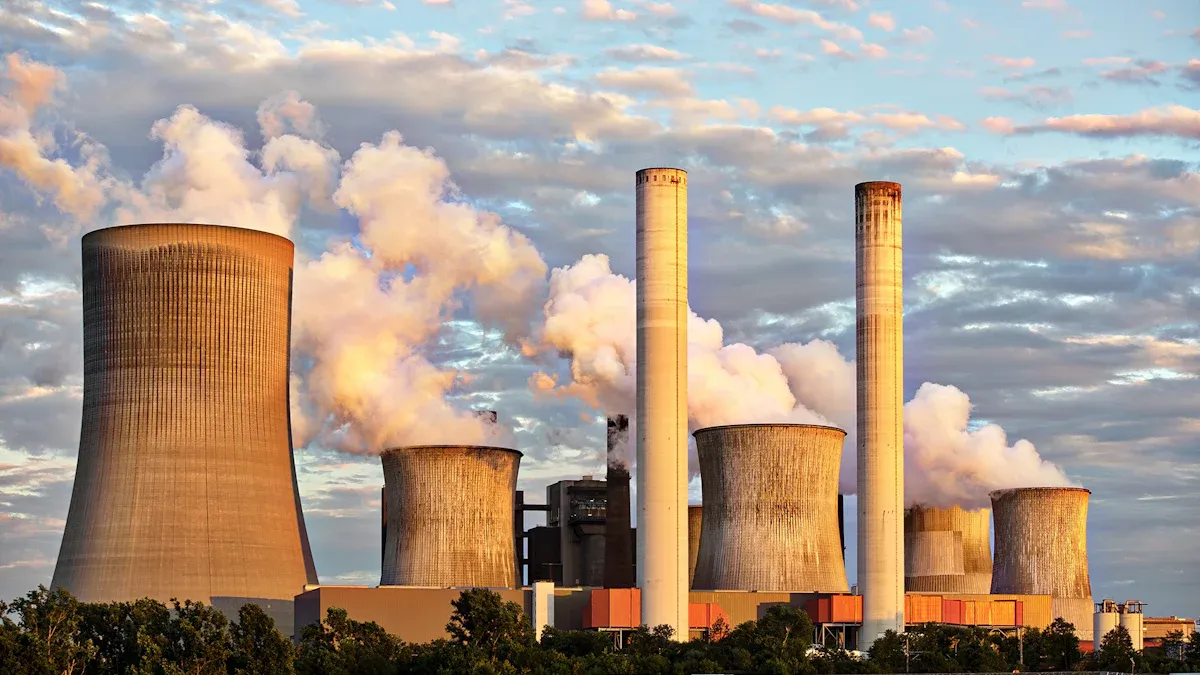
High Temperature Seals are crucial for maintaining operational integrity in power plants. These seals, including Power Plant Pump Seals, are designed to withstand the extreme temperatures and pressures found in environments such as thermal and nuclear facilities. By utilizing heat resistant seal materials, they enhance durability and operational efficiency. This leads to lower maintenance costs and improved safety. Additionally, the benefits of metal bellow seals include their ability to accommodate thermal expansion in seals, making them ideal for applications like boiler feed pump seals. As power generation continues to evolve, understanding the role of high-temperature seals becomes essential for optimizing performance.
Key Takeaways
- High-temperature seals are essential for power plants, enhancing reliability and reducing maintenance costs.
- Selecting the right materials is crucial; consider thermal expansion, chemical resistance, and degradation under heat.
- Proper installation techniques prevent common failures; ensure alignment and avoid contamination during assembly.
- Regular testing and quality control measures improve seal performance and longevity, reducing unexpected shutdowns.
- Investing in high-temperature seals boosts operational efficiency and safety, protecting both personnel and equipment.
High-Temperature Environments
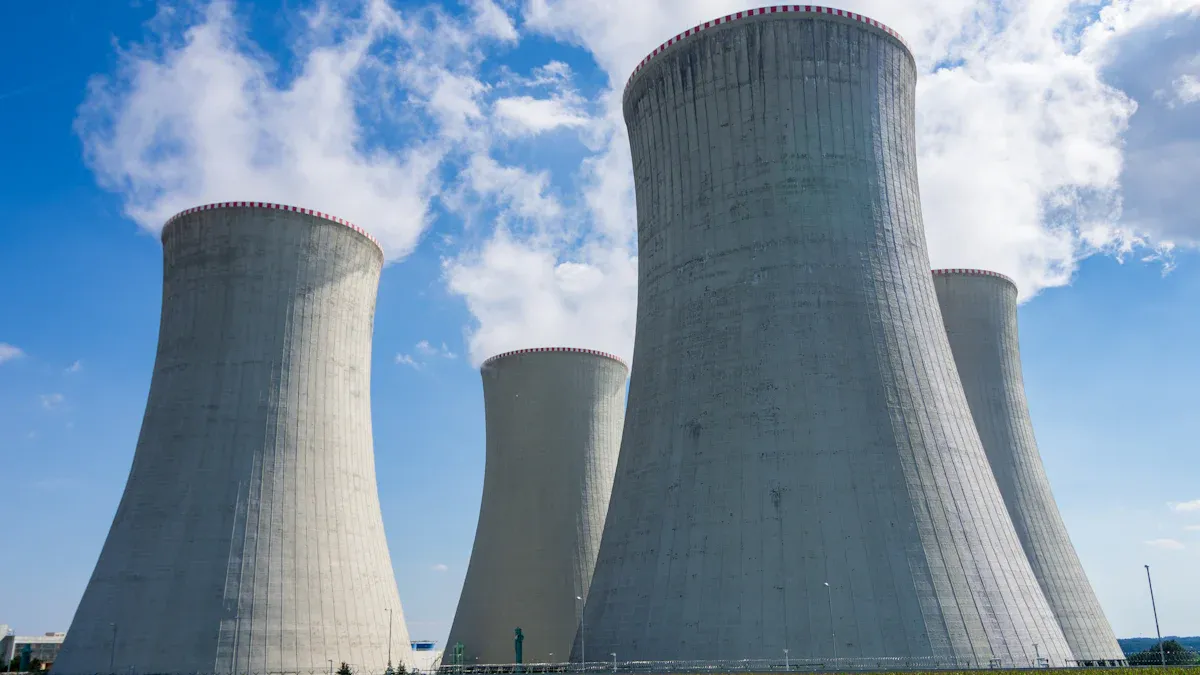
Characteristics of High-Temperature Conditions
Power plants operate under extreme conditions that significantly affect mechanical seals. High temperatures can range from 450°C for carbon graphite to an impressive 1200°C for ceramic materials. The following table summarizes the temperature ranges for various sealing materials commonly used in power plants:
| Material | Temperature Range |
|---|---|
| Carbon Graphite | -200°C to 450°C |
| Silicon Carbide | Up to 1000°C |
| Tungsten Carbide | Up to 600°C |
| Ceramic | Up to 1200°C |
These materials must withstand not only high temperatures but also the physical and chemical properties associated with such environments. Key characteristics include high thermal conductivity, chemical stability, and minimal volume changes during phase transformations.
Impact on Sealing Performance
High-temperature conditions directly influence the performance and longevity of mechanical seals. Elevated temperatures lead to thermal expansion and contraction, which can create gaps or cause seals to fit too tightly. This results in potential leaks. Additionally, high temperatures accelerate the degradation of elastomers, compromising their elasticity and strength.
The following table illustrates how various operational conditions affect mechanical seals:
| Operational Condition | Effect on Mechanical Seals | Consequence |
|---|---|---|
| High Temperature | Expansion & Elastomer Deterioration | Reduced Seal Efficacy |
| Low Temperature | Material Brittle & Cracking | Potential Seal Fracture |
| Excessive Pressure | Deformation & Face Disruption | Premature Seal Failure |
| Low Pressure | Insufficient Lubricating Film | Higher Wear & Tear |
| Corrosive Environment | Chemical Degradation | Leakage/Breakage |
Understanding these impacts is crucial for selecting appropriate high-temperature seals. Proper material selection and design considerations can mitigate risks and enhance the reliability of sealing solutions in power plants.
Common Failure Reasons for High Temperature Seals
Thermal Degradation
Thermal degradation poses a significant threat to the integrity of high-temperature seals. This process occurs when materials break down due to prolonged exposure to elevated temperatures. The primary mechanism responsible for thermal degradation in materials like neoprene involves oxidative degradation. This reaction leads to the formation of gaseous products, which can compromise seal performance.
The following table summarizes the key chemical reactions associated with thermal degradation:
| Evidence Type | Description |
|---|---|
| Oxidative Degradation | The primary mechanism responsible for thermal degradation in neoprene at high temperatures, leading to the formation of gaseous products. |
| Dehydrochlorination | A less significant reaction compared to oxidation in the context of neoprene degradation. |
| Mechanism Insights | The degradation is characterized by a diffusion-limited autoxidation mechanism, with non-Arrhenius behavior observed in oxidation rates at lower temperatures. |
Understanding these reactions is crucial for selecting appropriate materials for high-temperature seals. Failure to account for thermal degradation can lead to premature seal failure and operational inefficiencies.
Material Fatigue
Material fatigue is another common failure reason for high-temperature seals. This phenomenon occurs when materials experience repeated thermal cycling, leading to cracks and eventual failure. Thermal fatigue can develop even without mechanical loads, as external constraints and temperature gradients play a significant role.
Indicators of material fatigue include:
- Fine radial cracks on the friction side of the seal face
- Blister marks or significant cracking due to overheating
- Excessive wear and leakage caused by thermal cracking
Mechanical seal failures often manifest as fine radial cracks or blister marks on the sealing surfaces, particularly in materials like ceramic and carbide. Overheating exacerbates these issues, which can stem from poor lubrication, overload, or improper material combinations. If the heat generated from friction is not dissipated effectively, it can lead to thermal cracking, further contributing to wear and leakage.
Improper Installation
Improper installation remains a frequent cause of seal failure in high-temperature environments. Errors during the installation process can lead to misalignment, uneven face wear, and immediate leakage. Common installation errors include:
| Error Type | Description |
|---|---|
| Improper Installation | Incorrect handling and improper torque can lead to immediate leakage and uneven face wear. |
| Contamination | Contamination during assembly can lead to immediate leakage at startup and uneven face wear. |
| Material Incompatibility | Using incompatible materials can lead to seal failure in high-temperature environments. |
Ensuring proper installation techniques is vital for maintaining the integrity of high-temperature seals. Regular training and adherence to best practices can significantly reduce the risk of installation-related failures.
Strategies for Overcoming Sealing Challenges
Material Selection
Selecting the right materials is crucial for the performance of high-temperature seals. The properties of materials, such as thermal expansion and chemical resistance, significantly influence seal performance. High temperatures can cause seals to expand and contract, leading to excessive wear or leaks. Additionally, materials may degrade under extreme conditions, particularly elastomers, which depend on their molecular structure to maintain elasticity.
Key considerations for material selection include:
- Thermal Expansion and Contraction: Seals must accommodate temperature fluctuations to prevent wear or leaks.
- Material Degradation: High temperatures can accelerate degradation, resulting in hardening or cracking, especially in dynamic applications.
- Chemical Exposure: Different chemicals can degrade seal materials, making it essential to choose materials with suitable resistance properties.
By focusing on these factors, engineers can enhance the reliability and longevity of high-temperature seals.
Design Considerations
Effective design plays a vital role in mitigating the challenges posed by high temperatures. Incorporating specific design features can enhance the durability of mechanical seals. The following table outlines common design features that improve seal performance:
| Design Feature | Description |
|---|---|
| Encoder for thermal growth | Allows for adjustments in the seal to accommodate thermal expansion, preserving seal integrity. |
| Appropriate radial clearance | Ensures proper fit and function under high-temperature conditions, reducing wear and tear. |
| Anti-extrusion devices | Prevents seal material from being forced out of the sealing area, enhancing longevity. |
| Spring-energized lip seals | Provides consistent sealing preload, especially when using materials like PTFE. |
| Asymmetric lip profiles | Reduces friction during startup, which can prolong seal life in high-temperature applications. |
These design features help maintain seal integrity and performance, even under extreme conditions. Advanced design considerations, such as using spring-energized seals, ensure that seals maintain contact with the sealing surface despite changes in geometry or alignment. This is crucial during thermal expansion or contraction.
Testing Methods
Testing methods are essential for validating the performance of high-temperature seals. Accelerated life tests simulate real-world conditions, allowing engineers to assess seal durability. The following table highlights key aspects of these testing methods:
| Aspect | Description |
|---|---|
| Internal Air Pressure | Warming increases internal air pressure, straining seals and joints during temperature fluctuations. |
| Controlled Ramp Rates | Gradual temperature increases allow realistic heat absorption, revealing weaknesses during rapid changes. |
| Humidity Effects | Increased humidity leads to corrosion and insulation issues, affecting seal integrity during cooling. |
These testing methods provide valuable insights into how seals will perform in actual operating conditions. By understanding the effects of temperature and pressure on seals, manufacturers can make informed decisions about material and design choices.
Manufacturing Processes for High-Temperature Seals
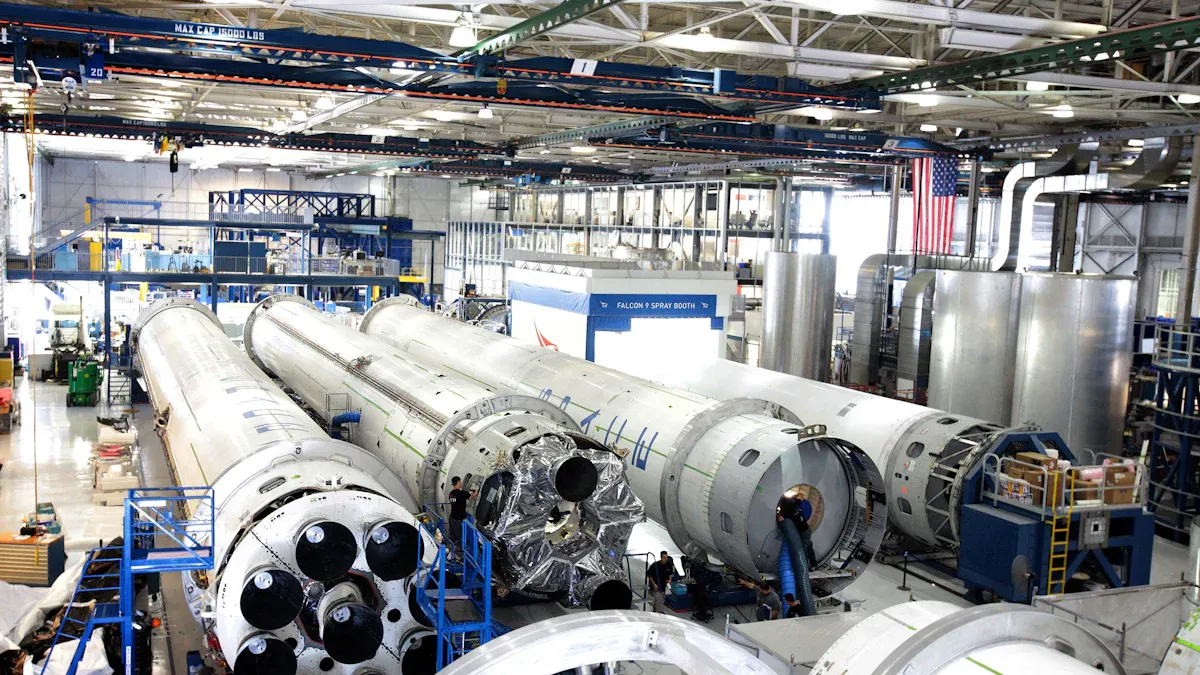
Advanced Fabrication Techniques
The manufacturing of high-temperature mechanical seals employs advanced fabrication techniques to enhance performance and durability. One notable method is Composite Anode Jet Electrodeposition (CAJED). This technique utilizes a reinforcement layer made of Ni-Fe-WC, which significantly improves the seal’s strength and wear resistance. The following table summarizes key features of this fabrication technique:
| Feature | Details |
|---|---|
| Technique | Composite Anode Jet Electrodeposition (CAJED) |
| Reinforcement Layer Material | Ni-Fe-WC |
| Preferred Orientation Structure | (220) Highly Preferred Orientation Structure (HPOC) |
| Bonding Force | 54.6 N |
| Hardness | 557.62 HV |
| Friction Coefficient | 0.109 |
| Wear Reduction | 83.8% leakage reduction |
These advanced techniques ensure that seals can withstand extreme conditions while maintaining their integrity and functionality.
Quality Control Measures
Quality control measures play a crucial role in ensuring the reliability of high-temperature mechanical seals. Ultrasonic thickness measurements (UTT) are vital for monitoring seals, as they help detect early signs of corrosion. High-quality inspection point labels (IPL) are essential for accurate and consistent measurements. These labels must be durable and low-leachable to prevent contamination, which is critical for maintaining measurement integrity and ensuring safety.
To further enhance quality control, manufacturers should consider the following practices:
- Store seals in a temperature-controlled environment (10°C to 25°C).
- Keep relative humidity below 65%.
- Use opaque, sealed containers to block UV light and prevent moisture ingress.
Implementing these quality control protocols can significantly reduce the risk of seal failure. For instance, a German power plant upgraded its pump seals and established a high-performance maintenance program. This initiative eliminated unplanned pump shutdowns and improved the mean time between repairs from 20 to 40 months. Such measures not only enhance operational efficiency but also contribute to environmental protection and sustainability commitments.
Enhancing Operational Efficiency with High Temperature Seals
Reducing Downtime
High-temperature mechanical seals play a crucial role in minimizing downtime in power plants. Their ability to operate under extreme conditions enhances reliability. This reliability leads to fewer unexpected shutdowns. Key benefits include:
- High-temperature seals can withstand harsh environments, ensuring continuous operation.
- Upgrading to these seals can save an estimated US $110.85 million, with a payback period of only 0.31 years.
- Implementing mechanical seal flushing plans can double or triple seal life, directly correlating to reduced downtime and lower maintenance costs.
By investing in high-temperature seals, power plants can significantly enhance their operational efficiency. This investment not only reduces maintenance needs but also improves overall productivity.
Improving Safety Standards
Safety is paramount in power generation. High-temperature mechanical seals contribute to improved safety standards in several ways. They help prevent leaks, which can lead to hazardous situations. The following points highlight their importance:
- Seals designed for high temperatures reduce the risk of chemical exposure, protecting workers and the environment.
- Enhanced sealing performance minimizes the chances of catastrophic failures, ensuring a safer working environment.
- Regular maintenance and monitoring of seals can identify potential issues before they escalate, further enhancing safety.
Incorporating high-temperature seals into power plant operations not only boosts efficiency but also prioritizes the safety of personnel and equipment. As power generation continues to evolve, these seals will remain vital for maintaining high safety standards.
High-temperature mechanical seals play a vital role in ensuring the reliability of power plants. Their specialized design and materials significantly reduce the risk of failure. Investing in high-quality seals leads to improved operational efficiency and safety.
Consider the long-term benefits of these seals:
| Benefit | Description |
|---|---|
| Enhanced Reliability | Double mechanical seals provide superior reliability due to their dual sealing arrangement. |
| Improved Pressure Management | They excel in managing high pressures, ideal for applications exceeding 300 PSI. |
| Superior Heat Dissipation | The design allows for multiple heat dissipation paths, enabling operation at temperatures up to 500°F. |
| Reduced Maintenance Costs | Although the initial investment is higher, the long service life leads to lower total ownership costs. |
| Improved Energy Efficiency | They minimize friction losses, enhancing energy efficiency in large-scale applications. |
By prioritizing these seals, power plants can achieve greater reliability and efficiency.
FAQ
What are high-temperature mechanical seals?
High-temperature mechanical seals are specialized sealing devices designed to operate in extreme temperature environments. They prevent leaks in equipment such as pumps and compressors, ensuring operational efficiency in power plants.
How do high-temperature seals improve safety?
These seals minimize the risk of leaks, which can lead to hazardous situations. By maintaining integrity under extreme conditions, they protect personnel and the environment from potential chemical exposure.
What materials are commonly used in high-temperature seals?
Common materials include carbon graphite, silicon carbide, tungsten carbide, and ceramic. Each material offers unique properties that enhance performance in high-temperature applications.
How can power plants reduce downtime with high-temperature seals?
Power plants can reduce downtime by investing in high-quality seals that withstand harsh conditions. Implementing regular maintenance and monitoring practices also helps identify potential issues before they escalate.
What testing methods validate high-temperature seal performance?
Testing methods include accelerated life tests, which simulate real-world conditions. These tests assess seal durability under varying temperatures and pressures, ensuring reliability in operational environments.
Post time: May-22-2026