


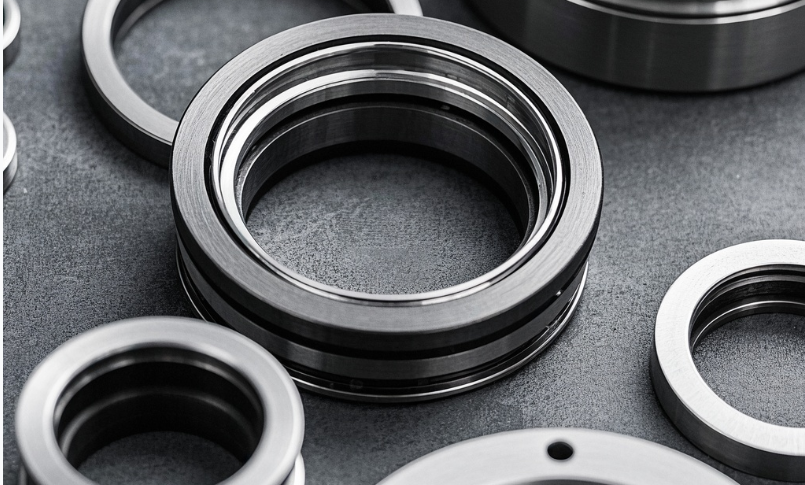
China has emerged as a significant source for high-end industrial seals. Many Chinese sealing suppliers demonstrate remarkable reliability and innovation. These manufacturers offer extensive expertise in various Mechanical Seals. They provide advanced manufacturing capabilities and rigorous quality control. Clients can secure excellent OEM mechanical seal design services. Suppliers also offer specialized solutions for high-speed centrifugal pump seals China. They excel in custom mechanical seal design China for unique industrial requirements. Sourcing from these reputable suppliers offers significant advantages in both quality and technological advancement.
Key Takeaways
- Many Chinese companies make reliable high-end industrial seals. They use good methods and check quality carefully.
- Look for suppliers with important certifications like ISO 9001. These show they meet global quality rules.
- To find good suppliers, check their factories and talk clearly with them. Make sure they agree to quality rules in writing.
- Protect your ideas by signing agreements and registering your patents in China early. This keeps your designs safe.
Top Reliable Chinese Manufacturers for High-End Industrial Sealing
Ningbo Victor Seals Co., Ltd.: Expertise in Mechanical Seals
Ningbo Victor Seals Co., Ltd. stands out as a leading manufacturer, specializing in high-performance Mechanical Seals. The company offers a diverse range of sealing solutions designed for demanding industrial applications. For instance, their Imo Pump Seal Type2100 2100K provides a compact, unitized, single-spring elastomer bellows seal. This design offers maximum durability and performance. These seals find ideal applications in centrifugal, rotary, and turbine pumps, compressors, chillers, and other rotary equipment. They perform particularly well in water-based applications such as wastewater treatment, potable water, HVAC, pool, and spa systems.
Victor Seals also provides various other specialized seals:
- Standard Mechanical Seals enhance operational efficiency and reduce downtime.
- Water Pump Mechanical Seals minimize maintenance costs and improve process reliability.
- Pump Shaft Seals contribute to fluid handling safety by decreasing leak risks.
- Double Mechanical Seals provide reliable containment for fluids. They prevent leakage, reduce contamination risk, and boost equipment lifespan. This makes them a cost-effective option for industries with tight regulations and high standards.
- Balanced Seals achieve extended lifespans in high-pressure systems. They evenly distribute hydraulic forces, reducing friction and heat.
- Metal Bellows Seals remain resilient in high-temperature applications, effectively managing thermal expansion.
The company’s commitment to durability is evident in the expected lifespan ranges for its various Mechanical Seals:
| Type of Mechanical Seal | Expected Lifespan Range |
|---|---|
| Single Spring | 1 – 2 years |
| Cartridge | 2 – 4 years |
| Bellows | 3 – 5 years |
Ningbo Victor Seals Co., Ltd. maintains high quality standards. They adhere to international design standards, including DIN24960, EN12756, ISO3069, API610, API682, and GB6556-94. The company also holds ISO 9001:2000 quality system certification and a Mechanical Seals Production License.
Lepu Seal: Two Decades of Mechanical Seal Industry Experience
Lepu Seal brings two decades of dedicated experience to the Mechanical Seal industry. This extensive background positions them as a highly reliable supplier for high-end industrial sealing solutions. Their long-standing presence in the market demonstrates a deep understanding of complex sealing challenges across various sectors. Lepu Seal consistently delivers products that meet stringent performance requirements. They focus on innovation and customer satisfaction, building a strong reputation for quality and dependability.
Shanghai Yikenuo Industrial Co., Ltd.: Comprehensive Sealing Solutions
Shanghai Yikenuo Industrial Co., Ltd. offers comprehensive sealing solutions to a wide array of industries. The company provides a broad portfolio of products, addressing diverse industrial needs from standard applications to highly specialized requirements. They emphasize advanced materials and precision manufacturing techniques. This ensures their sealing components deliver optimal performance and durability in critical environments. Shanghai Yikenuo Industrial Co., Ltd. focuses on providing complete solutions, supporting clients from initial design to final implementation.
Wuxi Sealing Products Co., Ltd.: High-Quality Rubber Products
Wuxi Sealing Products Co., Ltd. specializes in manufacturing high-quality rubber products for various industrial sealing applications. The company has established a strong reputation for producing durable and reliable rubber seals. They offer a wide range of products, including O-rings, gaskets, and custom-molded rubber components. These products serve critical functions in preventing leaks and maintaining system integrity across diverse industries. Wuxi Sealing Products focuses on material science, selecting appropriate rubber compounds for specific operational environments. This ensures their products withstand extreme temperatures, pressures, and chemical exposures. Their commitment to quality makes them a trusted supplier for essential rubber sealing solutions.
Guangzhou Jinbond Seal Technology Co., Ltd.: Rotary Seals Innovation
Guangzhou Jinbond Seal Technology Co., Ltd. leads in the innovation of rotary seals. The company focuses on developing advanced sealing solutions for rotating equipment. Their expertise in V-ring seals demonstrates a commitment to high performance and reliability. Jinbond carefully selects high-performance materials for its V-ring seals. They use materials like NBR, FKM, and VMQ. This selection depends on specific application needs. These needs include temperature, chemical, and wear resistance. For example, NBR works for general applications needing oil and moderate temperature resistance. FKM is ideal for high-temperature and chemically aggressive environments.
Jinbond also employs precision manufacturing techniques. The company uses advanced manufacturing processes. These include computer-controlled machining and molding techniques. This achieves tight tolerances in its V-ring seals. This ensures a perfect fit on the shaft. It also guarantees reliable sealing performance. Furthermore, Jinbond offers tailored V-ring seal solutions. These meet unique customer requirements. This applies to special sizes, shapes, or materials. Their engineering team collaborates with customers. They develop these customized sealing solutions. This innovative approach ensures optimal performance for demanding rotary applications.
Huitian Adhesive and Sika China: Broader Sealing Solutions
Huitian Adhesive and Sika China offer broader sealing solutions that complement traditional industrial sealing applications. These companies provide specialized products extending beyond typical Mechanical Seals. Huitian Adhesive offers broad adhesive and sealant solutions across multiple industries. This includes automotive, construction, and electronics. Their products provide bonding, sealing, and protection in various environments. Sika China provides international expertise in construction chemistry. They offer a comprehensive range of sealing, bonding, damping, reinforcing, and protecting solutions for the building and construction sectors. Together, these companies address a wider spectrum of sealing needs. They provide solutions for structural integrity, environmental protection, and assembly processes. Their offerings enhance the overall reliability and performance of industrial systems.
Key Criteria for Identifying Reliable High-End Sealing Manufacturers
Selecting a reliable manufacturer for high-end industrial sealing requires careful evaluation. Buyers must look beyond product specifications. They should assess a manufacturer’s commitment to quality, innovation, and customer satisfaction. Several key criteria help identify truly dependable suppliers in this specialized field.
Certifications and Compliance Standards
Reputable manufacturers demonstrate their commitment to quality through various certifications. These standards ensure products meet strict industry requirements. Essential international certifications include:
- ISO Standards: ISO 9001 (quality management), ISO 10993 (medical applications), and ISO 14644 (cleanroom classifications).
- Automotive Industry: IATF 16949 (quality management) and PPAP (Production Part Approval Process).
- Medical & Pharmaceutical: FDA-Compliant (21 CFR 177.2600), USP Class VI (biocompatibility), and ISO 10993 (biological safety).
- Drinking Water Systems: NSF/ANSI 61.
- Food Processing: 3-A Sanitary Standards (e.g., Standard 18-03).
- Oil & Gas: NORSOK M-710 (rapid gas decompression resistance) and API 6A & API 6D (wellhead, valve, and pressure-control equipment).
- General Safety & Performance: UL 157 (for fuel, under-hood, or safety-critical environments).
- Environmental Compliance: RoHS (Restriction of Hazardous Substances) and REACH (Registration, Evaluation, Authorisation and Restriction of Chemicals). These certifications provide documented proof of product superiority. They build trust in the certified products.
Research and Development Capabilities
A manufacturer’s investment in research and development (R&D) signals its dedication to innovation. Strong R&D capabilities lead to advanced sealing solutions. Key indicators include:
- Material Testing Labs (Test Center): A dedicated test center performs lifecycle and performance tests. This includes hydraulic-pneumatic piston and rod tests. It also covers wiper and guide ring tests. These tests occur under high pressure, low, and high temperatures. Specific test rigs evaluate leakage rate, frictional forces, wear, and stick-slip effect.
- Simulation Software: Manufacturers utilize advanced simulation software for design and material development. This includes 3D design, mold flow, and software tools for sealing elements. Finite Element Analysis (FEA) simulates new designs in various conditions. Computational Fluid Dynamics (CFD) programs like Moldex3D and Digimat simulate material flow. This prevents production errors and enhances productivity.
Industry Reputation and Testimonials
A strong industry reputation reflects consistent product quality and reliable service. Third-party verified certifications prove quality. These certifications involve independent verification of claims. This ensures no self-certification or paid placements. Buyers can also verify reputation through several methods:
- Research Company Background and Reputation: Examine the manufacturer’s official website. Look for detailed information on products, services, and company history. A professional site and long market presence indicate reliability.
- Look for Customer Reviews and Testimonials: Use platforms like Google Reviews and industry-specific forums. Positive reviews are a good sign. Numerous negative ones should raise a warning.
- Request Industry References: Ask the manufacturer for contact information of other companies they have worked with. Reputable manufacturers readily provide these. Contact these references to inquire about product quality, delivery times, and overall business relationships.
After-Sales Support and Technical Assistance
Reliable after-sales support and technical assistance are crucial for high-end industrial sealing products. Manufacturers must offer comprehensive support to ensure optimal performance and longevity. This support extends beyond the initial purchase. It helps clients maximize their investment.
Leading suppliers provide essential services. These include installation guidance, maintenance advice, and troubleshooting assistance. Proper installation is vital for seal integrity. Detailed procedures and quality checkpoints ensure correct setup. Manufacturers also offer ongoing maintenance advice. This helps prevent premature wear and failure. When issues arise, prompt troubleshooting assistance minimizes downtime.
Furthermore, top manufacturers offer more advanced technical support. They provide technical assistance during application analysis. This ensures the selection of the most suitable sealing solution. Many suppliers conduct on-site training programs. These programs cover installation, maintenance, troubleshooting, and failure analysis. This empowers client teams with necessary knowledge. Performance monitoring programs use data collection and analysis. They help optimize seal operation. Failure analysis services determine root causes of issues. They recommend corrective actions. Some manufacturers also offer remote diagnostic capabilities. This provides expert assistance regardless of location. This comprehensive support system ensures seals perform effectively throughout their lifecycle. It also enhances operational efficiency and reduces long-term costs.
Understanding High-End Seal Types and Applications
High-end industrial sealing demands a deep understanding of seal types and their specific applications. Manufacturers must consider advanced materials, precision engineering, and customization to meet stringent industry requirements. These factors ensure optimal performance and reliability in critical systems.
Advanced Material Science in Sealing
Advanced material science drives innovation in high-end industrial sealing. High-performance polymers like Polyetheretherketone (PEEK) and Polyimide (PI) are crucial. PEEK offers exceptional mechanical properties, thermal stability up to 260°C, and chemical resistance. Manufacturers use it in oil and gas equipment for seals and in chemical processing. Polyimides maintain excellent mechanical properties at high temperatures. New polymer formulations also include Thermoplastic Elastomers (TPEs) and Liquid Crystal Polymers (LCPs). TPEs provide thermoplastic processability with elastomeric characteristics. LCPs offer outstanding strength, temperature, and chemical resistance. Innovations like 2DPA-1, a novel 2D polyaramide material, show promise for ultrathin coatings. Hybrid processing technology, including 3D printing of continuous fiber-reinforced composites, further enhances material capabilities. These advancements ensure seals, including specialized Mechanical Seals, perform reliably in harsh environments.
Precision Engineering for Critical Applications
Precision engineering techniques are vital for manufacturing seals in critical industrial applications. Laser welding is a transformative technology. It creates hermetic seals for components like sensor housings and avionics enclosures. Its focused beam allows precise, narrow welds in difficult areas. This ensures continuous, high-integrity seals. CNC laser welding technology offers exceptional control over heat input and weld penetration. It achieves results impossible with conventional methods. This technology minimizes thermal impact on workpieces. Industries like automotive, aerospace, and medical device manufacturing utilize these ultra-precise laser welds. They ensure the integrity of fuel pumps, implants, and microfluidic components.
Customization for Unique Industrial Needs
Many unique industrial needs require customized sealing solutions. Standard parts often fail in non-standard applications. These include chemical exposure, temperature extremes, pressure fluctuations, or dimensional constraints. Automotive and heavy trucks need seals to withstand temperature changes and road vibrations. Aerospace applications face extreme conditions like temperature fluctuations and high pressures. Containing over 5000 PSI hydrogen in fuel cell production also demands specialized seals. Manufacturers develop custom products by working closely with OEMs and engineers. They understand the root causes of sealing challenges. They engineer solutions with the right design and material selection. Advanced computer-aided design (CAD) and Finite Element Analysis (FEA) optimize geometry. Computational Fluid Dynamics (CFD) verifies performance. Multi-material 3D printing and 5-axis CNC machining produce functional prototypes quickly. Rigorous in-house protocols simulate extreme environments to validate seal integrity.
Quality Control and Testing Protocols for Industrial Sealing
High-end industrial sealing demands stringent quality control and robust testing protocols. Manufacturers implement these measures to guarantee product performance and reliability. These protocols ensure seals meet the exact specifications required for critical applications.
Rigorous In-House Testing Procedures
Reliable manufacturers conduct rigorous in-house testing procedures. These tests simulate real-world operating conditions. They evaluate seal performance under extreme temperatures, pressures, and chemical exposures. Engineers perform fatigue tests to assess durability and lifespan. They also conduct leak detection tests to confirm sealing integrity. These comprehensive internal checks identify potential weaknesses before products reach the market. This proactive approach ensures only high-quality seals are delivered to customers.
Third-Party Verification and Audits
Third-party verification and audits provide an independent assessment of a manufacturer’s quality systems. External bodies certify compliance with international standards like ISO 9001. These audits confirm manufacturers consistently meet quality management requirements. They also verify adherence to specific industry standards. This independent oversight builds trust and assures customers of consistent product quality. It demonstrates a manufacturer’s commitment to excellence and continuous improvement.
Traceability and Material Sourcing
Effective traceability and responsible material sourcing are paramount for industrial sealing. Manufacturers define how they categorize lots or batches, perhaps daily or weekly. They create concise lot codes, including details like dates or plant IDs. Workers apply a lot number stamp to each package at the end of the production line. This ensures readability and proper placement. Manufacturers then log the lot code in a spreadsheet or specialized software for easy retrieval.
This system secures product safety and integrity. It enables quick identification of defect origins. This allows for targeted recalls and reduces waste. It also improves customer confidence, demonstrating proactive quality control. Regulations like the Dodd-Frank Act, Section 1502, require disclosure of conflict minerals. UL also mandates traceability markings on products and components. ISO 9001:2015 requires identification and traceability to ensure reliable product quality. Manufacturers use direct part marking methods like laser and dot peen marking. These create permanent, human- or machine-readable marks on individual components. This enables lifetime traceability and digital connection of components. It also helps reduce risks like counterfeit products and large-scale recalls.
How to Partner Successfully with Chinese Sealing Suppliers

Successful partnerships with Chinese sealing suppliers require strategic planning and careful execution. Companies must establish clear processes for vetting, communication, and legal protection. This proactive approach ensures reliable sourcing and mitigates potential risks.
Due Diligence and Supplier Vetting
Thorough due diligence is crucial when selecting Chinese sealing suppliers. Companies should begin with initial research. They create a shortlist using trade shows, B2B marketplaces, and industry contacts. This identifies suppliers meeting basic criteria. Next, a pre-audit assessment involves sending questionnaires. These gather data on business licenses, ISO certifications, and quality control processes. Direct communication evaluates responsiveness and technical expertise. An on-site factory audit follows. This comprehensive inspection covers facilities, production processes, quality control systems, and compliance with safety and environmental regulations. Companies must verify legal status, ownership, and certifications like ISO. They also assess production capacity to ensure suppliers can meet order quantities without compromising quality. Watch for red flags, such as inconsistent information or reluctance to provide documentation.
Effective Communication Strategies
Establishing effective communication channels is vital for successful collaboration. Companies should utilize project management tools to track progress. Clearly articulate specifications, expectations, and timelines. Define detailed quality standards and production milestones. Addressing language and cultural differences proactively helps prevent misunderstandings. Consistent and clear communication builds trust and ensures alignment throughout the partnership.
Contractual Agreements and IP Protection
Robust contractual agreements form the backbone of business relationships. A written contract delineates rights, responsibilities, and expectations. It is legally binding under Chinese law. The company seal is essential for reinforcing the contract’s legality and enforceability. While English is common, a Chinese translation is vital. Chinese courts may only accept contracts in Chinese.
Contracts must include comprehensive quality clauses. These outline standards, testing, certification, and dispute resolution. Specify warranty clauses and define inspection procedures. Incorporate financial penalties for non-compliance. Define acceptance and rejection criteria.
Intellectual property (IP) protection is paramount. Include provisions for patents, trademarks, copyrights, and licensing agreements. Clearly define ownership of newly developed IP. Non-compete clauses prevent Chinese partners from engaging in competing activities. Confidentiality clauses prohibit unauthorized disclosure or use of sensitive business information. Non-disclosure agreements (NDAs) and non-use agreements are essential. Ensure contracts adhere to local Chinese IP laws. Register IP in China early due to its “first to file” system.
Logistics and Supply Chain Management
Effective logistics and supply chain management are crucial when importing high-end seals from Chinese suppliers. These processes ensure timely delivery and product integrity. Companies must carefully manage shipping methods and customs procedures.
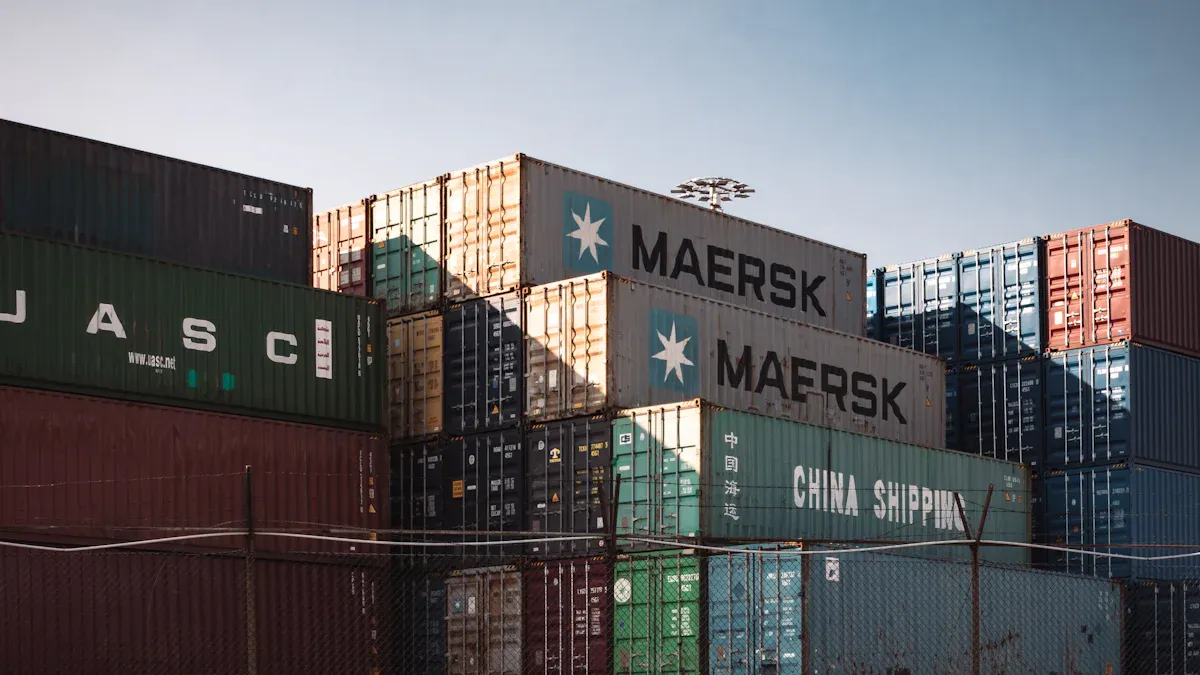
Container seals play a vital role in securing goods during transit. They ensure the security and integrity of products shipped across borders. However, compliance presents challenges. Regulations for container seals vary by region and port. This makes compliance complex. Tampering with seals can lead to significant delays, fines, or cargo confiscation. Misplaced seals can cause customs to question cargo integrity. This also delays shipments. Incorrect removal or disposal of seals can result in further delays or fines.
Proper seal handling is essential upon arrival.
- Verify all shipping documents, including bills of lading. These documents must match the seal number.
- Use proper equipment for seal removal. Bolt cutters work for bolt seals. Standard cutters work for plastic seals.
- Record the seal number before removal. Cross-check it with shipping documents. This ensures transparency and traceability.
- Inspect the seal and locking device after removal. Look for any signs of tampering. Report any findings immediately.
Choosing the right shipping method is also important. Sea freight is the most common and cost-effective option for large volumes. It suits non-perishable items when transit time is not the primary concern. Full Container Load (FCL) involves booking an entire container. This is suitable for large shipments. It offers better security and less handling. Less than Container Load (LCL) means goods share container space with other importers. This is flexible and economical for smaller shipments. Air freight is the fastest shipping method. It suits high-value, time-sensitive, or perishable goods. Careful planning in these areas ensures a smooth and efficient supply chain.
Reliable Chinese suppliers offer significant value in high-end industrial sealing. They provide advanced solutions and maintain stringent quality standards. The Chinese industrial sealing market shows strong growth. Experts project the global mechanical seals market will reach $4.1 billion by 2031, with a 3.8% CAGR from 2025-2031. China’s market will see significant expansion. This growth comes from innovation in smart mechanical seals and increased demand from renewable energy projects. The market also emphasizes green and sustainable seals.
FAQ
Are Chinese high-end industrial seals reliable?
Yes, many Chinese suppliers offer highly reliable high-end industrial seals. They invest in advanced manufacturing, rigorous quality control, and adhere to international standards. Reputable companies provide solutions for demanding applications, ensuring product performance and durability.
What certifications should I look for in Chinese sealing suppliers?
Look for certifications like ISO 9001 for quality management. Industry-specific certifications such as API 6A for oil and gas, or NSF/ANSI 61 for drinking water systems, also indicate reliability. These certifications demonstrate adherence to global quality and safety standards.
How can I ensure quality when sourcing high-end seals from China?
Conduct thorough due diligence, including factory audits and pre-assessment questionnaires. Establish clear communication channels and define precise quality standards in contractual agreements. Implement rigorous in-house testing and consider third-party verification for products.
How do I protect my intellectual property when partnering with Chinese suppliers?
Implement robust contractual agreements, including non-disclosure (NDA) and non-use agreements. Register your intellectual property in China early, as China operates on a “first to file” system. Clearly define IP ownership in all contracts.
Post time: Jan-12-2026