


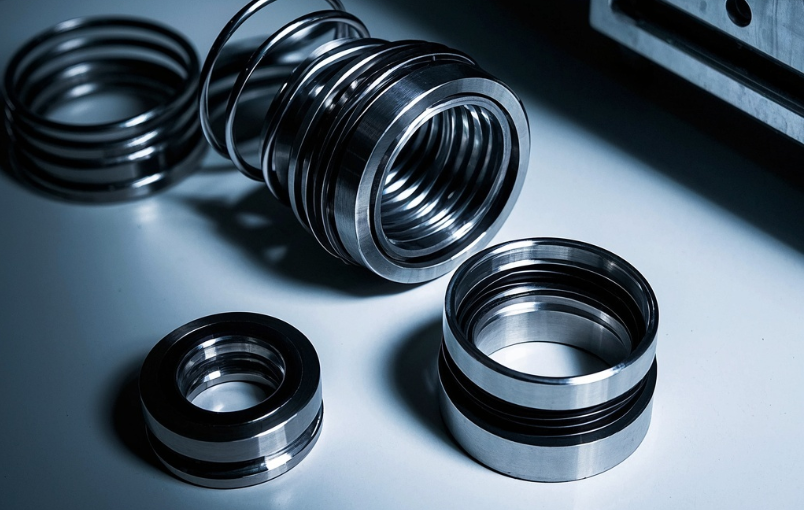
Selecting the optimal mechanical seal ensures operational success. Operators must align their Mechanical Seals choices with specific priorities. Understanding critical factors influences this decision. For instance, many consider Cartridge Mechanical Seals for various applications. The complexity of Component Seal Installation also plays a role. A thorough Seal Reliability Comparison helps determine the best fit. Which seal type is less prone to installation errors? This question often arises. Similarly, operators frequently ask, “When should I choose a component seal over a cartridge seal?”
Key Takeaways
- Cartridge seals are easy to install. They come pre-built. This saves time and lowers the chance of mistakes.
- Component seals cost less at first. They need skilled workers to install them. They also take more time to set up.
- Cartridge seals improve safety. They stop leaks of dangerous liquids. This protects workers and the environment.
- Choosing the right seal saves money over time. Consider all costs, not just the first price. This includes repairs and lost work time.
- The best seal depends on your needs. Think about how much it costs, how easy it is to install, and how reliable it is.
Understanding Component Mechanical Seals
What Are Component Mechanical Seals?
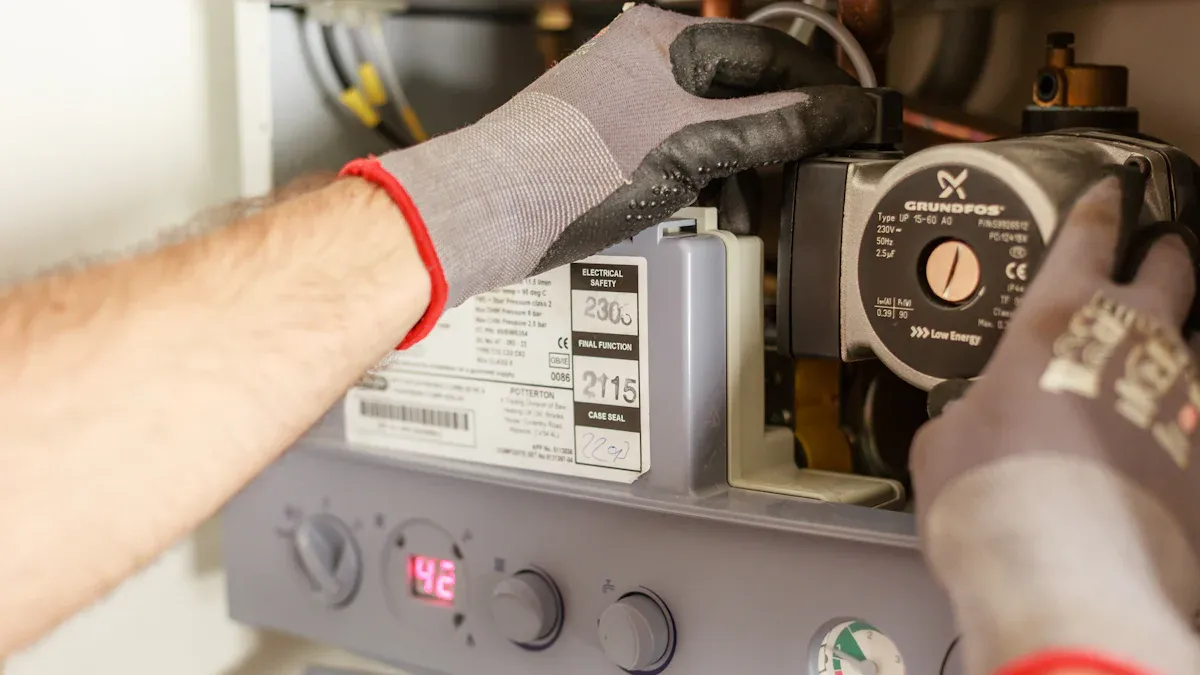
Component mechanical seals feature a separate rotating member and a stationary seat. Manufacturers mount these parts within a gland or housing. A key characteristic is their lack of pre-assembly. This makes their installation and subsequent maintenance more complex compared to cartridge seals. Proper installation and adjustment require the expertise of experienced technicians. These seals can be categorized into several types based on their configuration. Pusher seals, for example, incorporate secondary seals that move axially along a shaft or sleeve. This movement maintains contact at the seal faces, accommodates wear, and helps absorb shaft misalignment. Non-pusher seals, also known as bellows seals, operate differently. Their secondary seal remains static and does not move along the shaft or sleeve to maintain seal face contact. Welded metal or elastomeric bellows manage primary seal face wear.
Advantages of Component Mechanical Seals
Component mechanical seals offer several benefits for various industrial applications. They are suitable for high-temperature environments. Manufacturers can configure them with materials like silicon carbide, tungsten carbide, NBR, or FKM to withstand temperatures above 200°C in industries such as petrochemicals and power generation. These seals also handle corrosive media effectively. They allow for the selection of corrosion-resistant materials like ceramic, graphite, FFKM, or Viton for seal faces and secondary sealing elements. This makes them ideal for chemical processing and pharmaceutical manufacturing. For high-pressure applications, engineers can design component seals with high-strength materials for hardware and precision-lapped seal faces. This allows them to manage significant pressure differentials in hydraulic equipment and oil and gas pipelines. Component seals offer a high degree of customization. They fit specific equipment dimensions, operating conditions, and performance needs, providing tailored solutions. In some cases, they are cost-effective. For large-scale projects or equipment with multiple sealing points, component seals can be more economical. Only necessary components are purchased, reducing inventory and replacement costs. They are also preferred for retrofit and replacement applications. They adapt easily to existing equipment without major modifications, offering a quicker and more cost-effective solution than replacing entire units.
Disadvantages of Component Mechanical Seals
Despite their advantages, component mechanical seals present certain challenges. They often have exposed parts. These parts are more prone to damage during transport or installation. This differs from cartridge seals, which are fully enclosed. Precise measurements are crucial during installation. Inaccurate measurements can lead to seal failure. Component seals also require increased installation time and cost. Proper installation demands more operator time, leading to higher costs for initial installation or re-installation after repairs.
Understanding Cartridge Mechanical Seals
What Are Cartridge Mechanical Seals?
Cartridge mechanical seals arrive as pre-assembled units. They include the seal faces, gland, and sleeve. Manufacturers pre-set these components. This design simplifies installation significantly. They eliminate the need for precise measurements during setup. This contrasts sharply with component seals. Various types of cartridge seals exist for different applications.
| Seal Type | Description | Application/Characteristic |
|---|---|---|
| Single Cartridge Mechanical Seals | One set of sealing faces | Used for non-hazardous fluids; simple and cost-effective for general services |
| Double Cartridge Mechanical Seals | Two sets of sealing faces (secondary seal barrier) | Suitable for hazardous, toxic, or aggressive media; enhanced safety due to redundancy |
| Mixer Seals | Tailored for equipment with side-entry drives | Dynamically compensates for shaft deflection and run-out in mixers and agitators |
Other types include Bellows Seals and Split Seals.
Advantages of Cartridge Mechanical Seals
Cartridge mechanical seals offer numerous benefits. They provide protection during installation. Their pre-assembled nature shields seal faces from damage. This makes them incredibly versatile. Industries like Pulp and Paper, Chemical Process, and Oil and Refining use them widely. They handle demanding conditions, including hazardous fluid containment. Cartridge seals lead to long-term cost savings. While initial costs may be higher, reduced maintenance, less labor, and decreased downtime save money. They offer better reliability and performance. Manufacturers assemble them for precise fit, ensuring high leak-tightness and a long lifespan. This makes them crucial for mission-critical applications. Installation and service are simplified. Their pre-assembled design allows quick and easy installation. This reduces system downtime. They also facilitate easy maintenance without disassembling entire equipment. Cartridge seals improve energy efficiency. Reduced friction lowers the energy needed to power pumps. This cuts operational costs. They also offer significant safety and environmental benefits. They prevent toxic gas and fluid leakages, creating a safer workplace and aiding environmental compliance.
Disadvantages of Cartridge Mechanical Seals
Despite their many advantages, cartridge mechanical seals have some limitations. They typically require more installation space. They also demand a higher initial investment. Their custom-built nature often contributes to this elevated cost. This necessitates gathering extensive system information before production. Compatibility with various fluids and operating conditions can vary. Specialized materials for harsh environments might not always be readily available in standard cartridge designs.
Key Differences in Mechanical Seals
Initial Cost Comparison
Initial investment often drives decisions for many operations. Cartridge mechanical seals generally have a higher upfront cost. They can be two to three times more expensive than component seals. This means competitive repair bids often refer to component seals unless a client specifies otherwise. While cartridge seals offer many long-term benefits, their capital expenditure (CapEx) is notably higher.
Installation Complexity and Time
The installation process significantly differs between these two seal types. Component mechanical seals require careful assembly and spring tension adjustment. Skilled technicians perform these tasks. This process demands precision and takes more time. In contrast, cartridge mechanical seals arrive as pre-assembled and pre-adjusted units. This design eliminates the need for advanced measurements or adjustments during installation. Their simpler installation process reduces potential errors and saves both time and labor costs. This makes cartridge seals a more straightforward option for many teams.
Maintenance Requirements and Costs
Maintenance considerations also vary between component and cartridge seals. Component seals often require more specialized skills and time for repairs. Technicians must disassemble and reassemble individual parts, which can be complex. This complexity can lead to longer downtime during maintenance. Cartridge seals, however, simplify maintenance. Their pre-assembled nature allows for quicker replacement. This reduces labor time and minimizes operational interruptions. The ease of replacing an entire cartridge unit often translates to lower overall maintenance costs and increased uptime for equipment.
Reliability and Performance
Reliability and performance are critical factors in mechanical seal selection. Cartridge mechanical seals significantly reduce downtime. They achieve approximately a 40% reduction compared to component seals. Their integrated design allows for fast installation and simplified alignment. This design also reduces operational errors and enhances sealing reliability. Modifying existing component mechanical seals to cartridge seal assemblies has led to significantly higher Mean Time Between Failures (MTBFs). Many clients standardize on cartridge seals for pumps that can accommodate them. They base this decision on life cycle cost analysis. This analysis compares material, maintenance, and lost revenue costs of component seals against the additional costs of cartridge seals. Cartridge seal designs are recommended whenever possible. They ensure proper assembly and optimal Mechanical Seals MTBFs. They significantly minimize installation errors.
Customization and Flexibility
Customization and flexibility also differentiate these seal types. Component seals offer maximum flexibility for customization. Their modular design allows technicians to select specific materials and configurations. They tailor these choices to unique process requirements or budget constraints. Component seals allow adjustments based on specific application needs or challenging conditions. These conditions include unusual fluids or high pressures. This optimizes both efficiency and durability. Cartridge mechanical seals incorporate advanced materials. They provide the advantage of factory-verified material compatibility and optimized component combinations. This reduces the risk of issues that can arise from field-assembling component seals.
Operational Impact of Mechanical Seals
Impact on Downtime and Productivity
The choice of seal directly influences operational efficiency. Cartridge seals significantly reduce downtime. Their pre-assembled design allows for quick installation. This minimizes the time equipment remains offline. Businesses experience less lost production. Component seals, however, require more time for installation and adjustment. This extended process can lead to longer periods of inactivity for machinery. Operations prioritize minimizing interruptions. Therefore, strategic seal selection plays a crucial role in maintaining high productivity levels and ensuring continuous operation.
Suitability for Critical Applications
Certain applications demand the highest level of reliability from their sealing solutions. Cartridge mechanical seals are essential for modern pump systems. Industries such as petroleum refining, water treatment, power generation, and chemical processing facilities rely on them. They excel in challenging applications. They withstand extreme temperatures, aggressive chemicals, and high-pressure environments. This ensures superior sealing performance and enhanced reliability. Critical sectors also benefit from these seals. These include:
- Nuclear power generation
- Pharmaceutical manufacturing
- Aerospace These environments cannot tolerate leaks or failures. Cartridge seals provide the necessary security and operational integrity.
Addressing Workforce Skill Levels
The type of seal also impacts the required skill level of the workforce. Cartridge seals simplify installation. This reduces the need for highly specialized technicians. Their pre-set design minimizes potential for installation errors. This allows a broader range of personnel to perform the task efficiently. This also reduces training costs. Component seals, conversely, demand experienced and highly skilled technicians. Proper installation and adjustment of component seals require precise knowledge and careful execution. This affects training requirements and the overall efficiency of maintenance teams. It also increases the risk of improper installation if skill levels are insufficient.
Environmental and Safety Considerations
The choice of seal significantly impacts environmental protection and worker safety. Operations must prioritize solutions that prevent leaks and ensure compliance with stringent regulations. Cartridge mechanical seals are crucial for meeting these environmental and safety standards, especially when handling hazardous or toxic fluids. They ensure compliance with standards such as API (American Petroleum Institute) or FDA (Food and Food and Drug Administration), promoting safe and environmentally friendly operations.
Government agencies like the Occupational Safety and Health Administration (OSHA) and the Environmental Protection Agency (EPA) regulate and mandate allowable leakage rates of hazardous or toxic process fluids into the atmosphere. Safe sealing, which cartridge seals provide, is achieved through specific configurations and designs that minimize or eliminate leakage to meet these required tolerances.
Single cartridge seals are essential in industries handling hazardous or toxic fluids, such as chemical plants, oil refineries, and pharmaceutical facilities. They prevent leaks and protect workers, equipment, and the environment.
- They create a secure barrier against toxic or harmful fluids. This is critical because even small leaks can lead to severe consequences like health risks, environmental damage, and costly downtime.
- Their design ensures a reliable seal under high-pressure and high-temperature conditions, keeping fluids contained.
- The pre-assembled design minimizes installation errors. This significantly reduces the risk of leaks from the start.
- Robust construction allows them to withstand vibrations, pressure surges, and continuous operational stress without losing effectiveness.
- They safeguard worker safety by preventing exposure to toxic chemicals or harmful gases.
- These seals help minimize the environmental footprint and ensure compliance with stringent safety regulations by preventing chemical spills or airborne toxins.
Choosing the Right Mechanical Seals for Your Application
Selecting the appropriate Mechanical Seals for an operation involves careful consideration of several factors. These factors extend beyond the initial purchase price. They encompass long-term operational efficiency, maintenance demands, and overall system reliability.
Prioritizing Cost-Effectiveness
Operations often prioritize cost-effectiveness when selecting mechanical seals. This involves looking beyond the initial purchase price. A comprehensive Life-Cycle Cost (LCC) Analysis evaluates the total cost of equipment over its entire lifespan. This analysis includes the equipment purchase price, operational costs like energy and water, and expenses for repair and labor. It also accounts for downtime costs due to reliability issues, environmental costs from fines or contamination, and safety/maintenance costs resulting from leakage.
A formal method, the Best Available Techniques (BAT) Approach, helps justify investments in upgraded sealing technology. This approach involves surveying the equipment population and identifying ‘bad actors’—equipment with consistently high maintenance costs. Defining clear goals, conducting root cause failure analysis, and implementing sealing technology to meet these goals are also part of this process. Transitioning from reactive to predictive maintenance is a key strategy to optimize the total cost of ownership (TCO). This approach reduces unplanned downtime, extends component lifecycles, and optimizes maintenance resource allocation through data-driven decision-making. This significantly impacts return on investment (ROI) calculations. A straightforward method to justify the cost of an engineered seal solution involves verifying the life cycle cost (LCC) of the seal and its environmental control system. This approach helps achieve significant savings and excellent returns on investment (ROIs) by addressing ‘bad actors’ through engineered seal retrofits and upgrades.
Valuing Ease of Installation and Replacement
The ease of installation and replacement significantly impacts operational efficiency and labor costs. Conventional mechanical seals install as individual components directly into the pump’s stuffing box. This requires higher operator skill for servicing. In contrast, cartridge type seals incorporate all seal elements into a single, self-contained, pre-loaded assembly. They are ready to install without measurements. This significantly reduces potential assembly errors and the time needed for replacements.
Cartridge seals are pre-assembled units. This makes them easy to install and replace. They simplify maintenance and reduce downtime, making them ideal for pumps needing frequent seal replacements. Component seals consist of separate parts assembled on-site. While they require more assembly and maintenance, they offer greater flexibility. Split seals design allows installation without removing the pump from the system. This offers convenience for hard-to-access pumps and minimizes downtime.
Cartridge seals offer streamlined installation. Their pre-assembled units simplify the process, reducing time and errors. Factory assembly and testing protect seal faces, minimizing installation mistakes and enhancing reliability. Their design as a single unit allows easy replacement without pump disassembly, saving time and minimizing downtime. They also offer standardization benefits, remaining consistent across pump types, which eases replacement and inventory management. Cartridge seals offer a simpler installation process due to their pre-built design. This reduces assembly errors and saves time, which is crucial for productivity. Their ready-to-install nature minimizes installation mistakes that could lead to early failures. In contrast, component seals require careful assembly of individual parts. This demands precision and expertise and carries a higher risk of error, especially in less controlled environments. For quick and dependable installation, cartridge seals are advisable for longer-lasting and more reliable operation.
Maximizing Uptime and System Reliability
Maximizing uptime and system reliability is paramount for continuous operations. Proper installation is crucial. Misalignment, uneven tightening, or improper assembly can cause premature seal failure. Operators must use precision tools and follow manufacturer guidelines during installation. Material compatibility is also essential. Seal materials must be compatible with the process fluid, operating temperatures, and pressures to avoid swelling, corrosion, or brittleness.
Operating equipment within specified pressure, temperature, and speed ranges is essential to avoid excessive wear or seal face distortion. Proper lubrication through the seal fluid or flush system is vital to prevent dry running and overheating of seal faces. Regular inspections help detect leakage, temperature, and vibration issues. Maintaining clean process fluids is important; contaminants can erode seal components. Implementing proper API piping plans (e.g., Plan 11, Plan 52) ensures cooling, lubrication, and contamination control. Condition monitoring uses sensors to track vibration, temperature, and pressure for early detection of potential issues.
Engineering teams should work to select the correct seal face pairing for real operating conditions. This is key to achieving reliability and efficiency. They must conduct compatibility checks for all process fluids, utilizing chemical-resistant materials like PTFE, FFKM, and Hastelloy for harsh environments. Ensuring the pump is fully primed and the system is vented before starting is critical. Installing flow detection or pressure sensors to monitor seal chamber conditions and using seal support systems like flush plans for consistent lubrication also helps. Implementing routine shaft alignment checks using laser tools emphasizes precision installation and provides training for accurate fits. Upgrading filtration systems and implementing consistent fluid monitoring programs, using corrosion-resistant seal designs and custom materials for harsher environments, further enhances reliability. Following manufacturer guidelines meticulously and involving trained personnel, including onsite installation audits, reduces first-time installation errors. Diagnosing and addressing the root cause of vibration promptly, monitoring mechanical health with vibration sensors and condition monitoring services, is also vital. Using seals with materials compatible with thermal cycling, recommending composite seal faces and elastomers for high-temperature applications, improves performance. Employing Condition-Based Monitoring using sensors to track temperature, pressure, and vibration provides early warning signals. Utilizing Seal Support Systems such as flush, quench, or barrier systems manages the environment around the seal. Implementing scheduled inspections based on run hours, not just failures, and providing staff training empowers operators and maintenance teams with knowledge to detect early warning signs. Finally, conducting failure analysis documents everything, revealing patterns and future prevention steps.
Addressing Specific Process Demands
Specific process demands heavily influence the selection of the correct seal. Operators must consider the unique conditions of their applications. Fluid temperature and pressure are critical factors in this decision. High temperatures degrade seal materials. This leads to premature failure. Low temperatures can make materials brittle. This reduces flexibility and sealing ability. Applications with fluctuating temperatures, such as those in chemical processing plants, require seals with wide temperature tolerance. These often use advanced materials. These materials withstand ranges from -40°C to 200°C. Extreme temperatures severely affect material degradation rates. High temperatures cause permanent deformation in elastomers. This reduces elasticity and sealing force. They also accelerate chemical reactions in engineering plastics. High temperatures reduce the mechanical strength of metals. Seal face materials must endure frictional heat and environmental temperatures. Inadequate cooling or improper material selection leads to localized heating. This causes material degradation and failure of lubricating films. Rapid temperature changes induce thermal shock. This causes cracking in brittle materials like ceramics or Silicon Carbide. Repeated thermal cycling due to temperature fluctuations causes seals to expand and contract. This creates stress. This stress leads to cracking, deformation, or loss of sealing ability.
The system’s pressure dictates the required seal type. High-pressure applications necessitate seals capable of withstanding significant force. Seals designed for low pressure may fail to maintain integrity. This causes leakage. For instance, industrial pumps in oil fields require seals specifically engineered for pressures up to several thousand pounds per square inch. Different seal types handle varying pressure limits. High-pressure rotary seals typically handle up to 3,500 psi (240 bar). Special designs reach up to 10,000 psi (700 bar) at low surface speeds. For pressures exceeding 3,000 psi (210 bar), specialized engineering consultation becomes necessary.
Considering Long-Term Operational Costs
Operations must consider long-term operational costs when selecting seals. This goes beyond the initial purchase price. Several factors influence the initial cost. These include design complexity, material selection, the specific application, manufacturing processes, and maintenance considerations. Investing in higher-quality seals, despite a higher initial cost, often reduces failures and replacements. Regular maintenance checks and timely replacements extend seal lifespan. Proper installation techniques prevent premature seal failure. Training personnel in proper installation techniques is also crucial. Establishing a comprehensive inventory management system for replacement seals helps manage costs.
Long-term operational costs include several components. These are the initial cost, maintenance and replacement costs, and costs associated with seal failure. Seal failure leads to downtime and lost revenue. Seal failure can lead to significant operational downtime. This costs manufacturers an estimated $50 billion annually due to unexpected equipment failures. For every hour of unplanned downtime, companies can lose as much as $250,000 in revenue. This depends on the industry sector. This figure includes the time and costs associated with repairs and replacing failed seals.
Real-World Scenarios for Mechanical Seals
High-Volume, Continuous Operations
High-volume, continuous operations demand seals with exceptional durability. These environments require seals to perform reliably under constant high-speed operation. The H7N Mechanical Seal, for example, offers robust construction and advanced design features. This minimizes unexpected failures. It also extends maintenance intervals. This leads to enhanced system reliability and reduced downtime. Consistent operation at high speeds reduces production capacity constraints. It improves overall equipment effectiveness and production output. Such seals provide consistent performance characteristics. This enables more precise process control and improved product quality. They also reduce the frequency of seal replacements and associated maintenance costs.
Budget-Constrained Environments
Budget-constrained environments require careful seal selection. Operations must balance initial cost with long-term performance. Component seals often present a lower upfront investment. This makes them attractive for projects with limited capital. However, decision-makers should consider the total cost of ownership. This includes installation time, potential for errors, and future maintenance expenses. A thorough analysis helps determine the most cost-effective solution over the seal’s lifespan. Strategic choices can prevent higher costs later.
Abrasive or Corrosive Media
Abrasive or corrosive media present significant challenges for sealing solutions. Selecting the correct material is crucial for seal longevity and performance.
| Material | Strength | Operating conditions |
|---|---|---|
| Sic (Silicon carbide) | Extreme hardness, maximum wear resistance and high corrosion resistance | Media with particles, crystals (e.g. sugar), aggressive chemicals and high pressures |
| TC (Tungsten carbide) | Extremely resistant, withstands vibrations and does not break under load | Refrigeration industry (ammonia), high-pressure applications and highly abrasive media |
Silicon carbide (SiC) excels in dissipating heat. It is among the hardest materials for resisting abrasive particles. SiC possesses superior chemical stability and a low friction coefficient. It finds extensive use in applications involving abrasive fluids, wastewater treatment, and refined petroleum products. Tungsten carbide (TC) is renowned for its combination of hardness and toughness. It offers excellent resistance to wear and abrasion. TC shows resilience against deformation under high pressure and temperature. It provides superior endurance against pitting and corrosion. TC can withstand a wide range of chemical exposures. This makes it suitable for environments with particulates or slurry mixtures. The ‘hard vs. hard’ combination, such as SiC vs. SiC or TC vs. TC, provides maximum wear resistance. This ensures long service life in harsh environments. It is particularly suitable for media with particles, crystals, or high pressure. This combination also works well where softer materials fail repeatedly.
Remote or Difficult-to-Access Equipment
Remote locations present unique challenges for equipment maintenance. Operators must carefully consider the specific needs of these sites. Assessing the availability of utilities required for certain piping plans becomes crucial. This assessment ensures proper seal operation and support. For instance, a remote oil pipeline might lack consistent power for complex flush systems. Automated leakage detection systems are often desirable for remote installations. These systems provide early warnings without requiring constant human presence. This proactive monitoring prevents minor issues from escalating into major environmental or operational problems.
For pumps in remote or unmanned facilities, maximum reliability is paramount. Seal Plan 54 is frequently suggested in these scenarios. This plan helps maintain operational integrity in isolated environments. Choosing seals that minimize maintenance needs is also important. Seals with extended lifespans reduce the frequency of site visits. This saves significant time and resources, as travel to remote sites can be expensive and time-consuming. The design of the seal should allow for quick and easy replacement. This minimizes downtime when maintenance becomes necessary. Robust seal construction withstands harsh environmental conditions. This ensures consistent performance despite difficult access. Prioritizing reliability in seal selection prevents costly failures. It also avoids the logistical complexities of remote repairs. The right Mechanical Seals ensure continuous operation in challenging locations, safeguarding productivity and environmental compliance.
Businesses make informed decisions by carefully evaluating their operational needs. They consider factors such as initial cost, ease of installation, and long-term reliability. Strategic mechanical seal selection offers significant long-term value. It ensures efficient operations, minimizes costly downtime, and ultimately reduces overall expenses. This approach leads to greater productivity. For particularly complex sealing challenges, consulting industry experts is highly advisable. They provide specialized knowledge and can offer tailored solutions to meet unique demands.
FAQ
What is the main cost difference between cartridge and component seals?
Cartridge seals generally have a higher initial purchase price. They can be two to three times more expensive. Component seals offer a lower upfront investment. However, operations should consider the total cost of ownership for both types.
Which type of mechanical seal is easier to install?
Cartridge mechanical seals are easier to install. They arrive as pre-assembled units. This design eliminates the need for precise measurements or adjustments during setup. Component seals require careful assembly and spring tension adjustment by skilled technicians.
Are cartridge seals suitable for harsh operating conditions?
Yes, cartridge seals are suitable for harsh operating conditions. They handle demanding environments. These include extreme temperatures, aggressive chemicals, and high pressures. Their robust design ensures superior sealing performance and enhanced reliability in critical applications.
How do mechanical seals impact a company’s long-term operational costs?
Mechanical seals significantly impact long-term operational costs. Cartridge seals, despite higher initial costs, reduce maintenance, labor, and downtime. This leads to long-term savings. Component seals may have lower initial costs but can incur higher expenses due to complex installation and maintenance.
Can I customize mechanical seals for specific applications?
Yes, operations can customize mechanical seals for specific applications. Component seals offer maximum flexibility for customization. Their modular design allows selection of specific materials and configurations. This tailors them to unique process requirements or budget constraints.
Post time: Jan-25-2026